From Digital Clutter to 17 Benefits of Digital Minimalism
Imagine we’re journeying together on the bustling “Information Superhighway.”
Picture those endless streams of data whizzing past us, the barrage of emails and messages, the glowing neon signs of the latest apps, and the towering billboards of trending social media.
It’s an exciting and vibrant world, isn’t it?
But wait… you may feel overwhelmed by all these digital bells and whistles, and sometimes you may wish you could hit the brakes, take a breather, and maybe even take a detour off this frenzied highway…
So, you may be interested in a serene path less traveled.
And this is where my first article on Minimal Angle comes in. It will discuss…
The core issues: digital clutter and overconsumption
Seven issues arising out of it
The solution…digital minimalism
17 benefits of digital minimalism
Let’s Start with the Core Issues: Digital Clutter and Digital Overconsumption
Why do we start with this? Well, so you can better appreciate the benefits digital minimalism can bring you.
Digital clutter overlaps with digital overconsumption. It’s all part of a more significant issue: how we interact with our digital environments.
But how do they differ, and what do both terms mean?
While the two are interconnected, there is a subtle difference between digital clutter and digital overconsumption.
Digital clutter refers to the accumulation of digital files, applications, emails, and other digital elements that occupy our digital environments, much like physical clutter in a house.
It’s about the volume and disorganization of digital content.
For example, having thousands of unread emails in your inbox, numerous unused apps on your phone, or a desktop littered with files could be signs of digital clutter.
On the other hand, digital overconsumption is more about our habits and behaviors concerning digital media—it refers to the excessive use or intake of digital content.
This might manifest as spending hours (doom) scrolling through social media, binge-watching series after series on streaming platforms, or constantly checking emails or messages.
The critical difference lies in accumulation versus consumption.
Digital clutter is what we accumulate and let sit on our devices—this could exist even without us frequently using them.
Digital overconsumption, however, is about the active time and attention we give to digital activities, which often contribute to building digital clutter.
In essence, both concepts highlight different facets of our relationship with technology, and addressing both is crucial in the journey toward digital minimalism.
Now, let’s look at…
The Six Categories of Digital Clutter
1) Information Clutter
This type of clutter refers to the barrage of information we’re exposed to daily.
It could be the constant stream of news updates, social media posts, or articles recommended by various algorithms.
According to this source, it leads to what we often call “information overload.” Almost 40% of employees experience this.
2) Communication Clutter
I am sure you know them. The people who use email inboxes as a chat interface. And email is just one communication channel of many others.
So you may have to deal with overflowing email inboxes, unread texts, voicemails, and notifications from various communication platforms.
These messages demand our attention and response, often leading to stress and reduced productivity.
3) Entertainment Clutter
If you don’t pay attention, you may end up with a long list of movies to watch on Netflix in your “my list” category.
This has happened to me…So we’re talking about the endless catalogs of movies and series.
But then, on the other hand, the same can also happen with podcasts, games, books, and music available on various streaming platforms.
Oh…don’t get me started on book samples piling up on my Kindle right now.
In theory, I need to read about ten books simultaneously to catch up.
So the sheer amount of choice can often lead to decision paralysis, and the time spent on consumption can quickly add up.
4) Social Media Clutter
I have a hate-love relationship with social media like this couple you know from movies that throw dishes at each other, still ending the fight with a nice kiss.
And social media clutter consists of friend requests, notifications, trending topics, viral videos, and more.
Our social media feeds are often a whirlwind of activity that can quickly suck us in and take up more time and energy than we intend.
However, it has some clear benefits when you aren’t the product on these platforms and instead the advertiser.
How are you the product and not the customer as a user? Well, as this article puts it, “if it’s free online you are the product.”
5) Application Clutter
These are the apps and software we install, use once or twice, and then forget about.
They take up storage space and often run in the background, slowing down our devices and adding to the visual clutter on our screens.
6) File and Data Clutter
This includes all the digital files we accumulate—photos, videos, documents, downloads—and the data we generate with our digital activities.
When not managed effectively, they can make it hard to find what we need and even impact our devices’ performance.
Now that we’ve covered the seven categories of digital clutter let’s also discuss…
The Six Categories of Digital Overconsumption
1) Social Media Overconsumption
Do you spend excessive time scrolling through social media feeds, commenting, liking, and sharing posts?
If yes, then welcome to the category of social media overconsumption.
Well, they can significantly eat into your productive time and produce other mental health issues. But more about that later…
2) Entertainment Overconsumption
With the rise of on-demand streaming services like Netflix, Amazon Prime, and Spotify, there’s an endless supply of movies, TV shows, music, and podcasts.
Binge-watching or binge-listening can consume huge chunks of time before you even realize it.
3) Information Overconsumption
In the digital age, you can access an enormous amount of information.
News websites, blogs, newsletters, online courses, webinars, eBooks – the list goes on.
Consuming more information than we can process or use is a form of digital overconsumption.
And imagine, most of the time, if not all of the time, you can’t do anything about the contents of this information except consuming it (e.g., news).
4) Communication Overconsumption
Being constantly available and responsive on multiple communication platforms like email, messaging apps, and forums can lead to digital burnout.
And then there are meetings. Don’t get me started with meetings. Especially those without an agenda and no one preparing for them.
All of the above can cause you to spend more time than necessary on ineffective communication.
5) Shopping Overconsumption
With the advent of online shopping and targeted advertising, you can easily be enticed to spend hours browsing and buying things you don’t need.
This kind of digital overconsumption can also lead to financial stress.
However, spending excessive time on online games can affect our physical health, relationships, and other aspects of life.
According to this source, carpal tunnel syndrome and other issues can be physical health effects.
So, up to now, we’ve covered the effects of the digital age with digital clutter and overconsumption.
With their various categories, these two main areas lead to the following issues…
7 Issues Arising Out of Digital Clutter and Overconsumption
Digital clutter and overconsumption are relatively new phenomena. Still, research has started to uncover some of the issues they can cause.
And from what I’ve discussed above, you may have already drawn some conclusions. These are the issues you likely have to deal with at some point…
1) Increased Stress and Anxiety
This study published in the journal “Computers in Human Behavior” found that heavy internet use is associated with increased stress, anxiety, and depression.
Now, when our digital environments are cluttered, finding the information we need is harder, leading to frustration and stress.
2) Cognitive Overload
The vast amount of online information makes it easy to experience cognitive overload.
This happens when the demand for cognitive resources exceeds availability, negatively impacting focus, memory, and decision-making abilities.
Several scientific studies have examined the concept of cognitive overload, particularly in our digital environments.
For instance, a study titled “Cognitive control in media multitaskers” by Ophir, Nass, and Wagner 2009 explored how media multitasking impacts cognitive control.
The researchers found that individuals who regularly engage in high levels of media multitasking performed worse on tests of task-switching ability, working memory tasks, and sustained attention tasks than those who multitasked less frequently.
The authors concluded that heavy media multitaskers are more susceptible to distractions from irrelevant stimuli and find it more challenging to manage working memory, leading to cognitive overload.
This study (one of many) indicates that digital overconsumption, specifically multitasking with digital media, can result in cognitive overload, negatively impacting our ability to focus, recall information, and manage tasks efficiently.
3) Impaired Sleep
When screens emit blue light, it can suppress melatonin production, a hormone that regulates sleep.
And being subjected to blue light hours before sleep can disrupt our sleep cycle.
Why?
Because blue light has the effect of inhibiting the release of melatonin, a hormone responsible for inducing sleepiness, according to the National Center for Biotechnology Information.
This effect is beneficial during daytime hours when alertness is desired. Still, it becomes a problem at night when we’re trying to fall asleep.
Exposing yourself to blue light during the evening can confuse your brain into believing it’s still daytime.
This then causes a disruption in your body’s internal clock (circadian rhythm), resulting in a state of alertness when you should be tired (source).
4) Reduced Productivity
Contrary to what we might think, multitasking across various digital platforms can reduce productivity.
Yes, I know, it’s a nice ego thing since we can look so busy multitasking which society rewards.
However, a Stanford University study found already 2009 that heavy multitaskers are more easily distracted and less able to ignore irrelevant information.
This leads to the secondary effect of multiple distractions and you being pulled in hundred different directions by notifications, pop-ups, emails, and messages.
This constant bombardment prevents you from focusing on your work or enjoying quiet moments.
And the last secondary effect is time wastage.
Remember when you casually decided to check your phone, and before you knew it, an hour had passed?
Often, overusing digital devices results in significant time wastage, reducing your productivity and personal time.
5) Mental Health Issues
A growing body of research indicates a link between heavy social media use and mental health issues like depression, loneliness, lower self-esteem, and even suicidal thoughts (source).
This article explains the dynamic pretty well, mentioning a self-perpetuating cycle. I would call it a doom loop.
It’s the following:
Step 1: You feel lonely, depressed, anxious, or stressed, so you check social media more often. The goal is to relieve yourself from these uncomfortable feelings and feel connected to others.
Step 2: Since you use it more often, you find more and more of those seven-year-old billionaire people with six-packs, and three Yates in the background, smoking cigars and playing golf with Elon Musk increasing FOMO.
As a “nice” reward, you feel more inadequate, dissatisfied, and isolated.
Step 3: This cherry-on-top-negative feeling you get from step 2 fuels the mood (e.g., depression, anxiety, and stress), which has made you check social media in the first place.
Step 4: Now, you start using social media even more since you didn’t get rid of the initial negative mood…Rinse and repeat from step 1, and welcome to the doom loop.
6) Physical Health Issues
Wait, there is more. Yes, there are also physical health issues.
And I didn’t even mention what happens when you don’t get good quality sleep caused by point number three I discussed earlier (the blue-light thing)
Besides all the negative effects of bad-quality sleep, according to a cross-national investigation, extended screen time can lead to overweight, obesity, and metabolic risk among children and adolescents.
7) Privacy Concerns
And finally, issue number seven, arising out of digital clutter and overconsumption, is almost common sense.
The more digital platforms you use, the more data about yourselves we’re exposing to potential privacy breaches.
When you’re spending a lot of time on social media, you potentially share personal information.
And the platforms themselves are collecting data about your behaviors, preferences, and interactions.
This can lead to targeted advertising (not that bad per se). Still, in the wrong hands, such information could be used maliciously.
While browsing the internet, you might be inclined to sign up for numerous newsletters, webinars or download free ebooks.
Each action often requires you to share personal data such as your email address or even more.
This could expose you to spam or, in the worst case, to identity theft if these details are compromised.
The more platforms you use for communication (emails, messaging apps, forums), the more data about you is out there.
If these platforms are not secure or you’re not careful about the personal information you share, this could lead to privacy breaches.
Next is online shopping. It requires you to share sensitive information like your address and credit card details.
If these sites are not secure, or if you’re not managing your digital clutter (like old, unused accounts on e-commerce websites), your financial and personal information could be at risk.
The Solution – Digital Minimalism… But What Is It?
Now that you know about all the bad that can come from digital clutter and overconsumption, let’s present you with the solution…The knight that kills the dragon to save the princess… it’s digital minimalism.
But what is digital minimalism?
In short: It’s applying the core principles of minimalism to the digital world.
I know this explanation doesn’t help you, really, so let’s shortly discuss the core principles of minimalism and apply them to the digital world.
To better illustrate this, I will show them in a table how minimalism principles translate to digital minimalism principles.
By the way, as a short background information, minimalism isn’t something new from the 2000s.
It dates back to 1854 when Henry David Thoreau discussed in his book “Walden,” already simple living in natural surroundings.
How Principles of Minimalism Translate to Digital Minimalism
Principles of Minimalism
Principles of Digital Minimalism
Intentionality: This principle is about making deliberate decisions rather than just going with the flow
Intentionality: Making deliberate decisions about which technologies you use and how you use them, ensuring that they genuinely add value to your life
Simplicity: This principle encourages reducing or eliminating the excess in life.
Simplicity: Reduction of unnecessary digital files, apps, emails, and the like
Focus more on what's truly important to you
Focus: Reviewing and eliminating unnecessary digital possessions, and focusing on a few high-quality tools or platforms that provide the most value.
Being mindful of your surroundings, and making conscious choices (no more autopilot choices)
Mindful Usage: This principle promotes conscious and purposeful use of technology.
Offline Over Online: Digital minimalism doesn't mean completely disconnecting from the digital world, but it does encourage prioritizing real-life interactions and experiences over online ones.
17 Benefits of Digital Minimalism
By what I discussed above regarding the adverse effects of digital clutter and overconsumption and the principles of (digital) minimalism, we can now logically derive the benefits of digital minimalism.
And here they are…
1) Improved Focus and Productivity
If digital clutter and overconsumption often lead to distractions and diminished productivity, then the converse is also true.
Digital minimalism, emphasizing intentional and mindful tech use, can help you stay focused on essential tasks, boosting productivity.
2) Enhanced Mental Well-being
We’ve discussed how constant digital engagement can lead to feelings of anxiety, stress, and even depression.
By adopting digital minimalism, you can reduce these feelings, improving your mental well-being.
It promotes time away from screens, allowing for quiet reflection and relaxation.
3) More Time for Valued Activities
Digital overconsumption can eat into your time for real-world experiences and interactions.
Digital minimalism encourages you to reclaim that time, providing more opportunities for physical activity, reading, or simply being with loved ones.
4) Improved Sleep
By reducing exposure to digital screens, especially before bedtime, you can mitigate the harmful effects of blue light exposure, leading to better quality sleep.
5) Increased Privacy and Security
Digital minimalism helps protect your privacy and security by encouraging you to limit the amount of personal information you share online, decrease reliance on potentially insecure platforms, and regularly review and update your digital security measures.
6) Sustainability
By practicing digital minimalism, you can reduce our environmental impact by conserving energy and reducing e-waste.
It encourages mindful consumption, promoting your devices’ long-term use and maintenance.
7) Financial Savings
By adopting digital minimalism, you can potentially save money.
This can occur through a reduction in the purchase of unnecessary digital services and devices or by not rushing to upgrade to the latest device every time a new model is released.
8) Improved Relationships
Digital minimalism can improve relationships by encouraging more face-to-face interaction and less time distracted by digital devices.
This could lead to more quality time, meaningful conversations, and connections with the people around you.
9) Personal Growth
The time and mental space saved and freed from digital decluttering could be used for personal development activities such as learning a new skill, reading, or engaging in a hobby.
10) Increased Creativity
Less time spent consuming digital content can leave more time for creative pursuits.
It can also reduce the cognitive load and create mental space for innovative thinking.
11) Enhanced Digital Literacy
By being more deliberate with your digital tool use, you could increase your understanding and proficiency in these tools (going deeper instead of broader), a valuable skill in today’s digital age.
12) Enhanced Decision-Making
Reducing the number of decisions made in a day, such as which apps to check or which emails to respond to first, can lessen decision fatigue, leading to better decision-making in other areas of life.
13) Greater Appreciation for Non-Digital Experiences
Spending less time in the digital world can foster a greater appreciation for physical experiences, whether nature, art or simply enjoying a quiet moment.
14) Better Posture and Physical Health
Too much screen time can lead to poor posture and associated physical ailments like back and neck pain, eye strain, and other issues related to a sedentary lifestyle.
Reducing screen time can alleviate these issues.
15) Increased Self-Efficacy
As you gain control over your digital life, you may feel more competent and confident in managing other aspects of your life.
16) More Intentional Learning
Rather than randomly browsing through a plethora of information, you can dedicate quality time to learning about subjects that interest you.
17) Decreased FOMO (Fear of Missing Out)
By reducing exposure to social media and other platforms where people tend to showcase highlight reels of their lives (remember the eight-year-old billionaires from above with the Yates and cigars), digital minimalism can help decrease feelings of FOMO.
The Definitive Digital Minimalism Guide
Ever feel like you’re drowning in a sea of pings, dings, and rings?
You’re not alone…Our digital lives sometimes feel more like hyperactive squirrels on espresso than valuable tools.
It’s a ‘scroll…scroll…ping…like…retweet’ kind of world out there, and oh boy, it can be exhausting.
But no worries, there’s a lifeboat on the horizon, and its name is digital minimalism.
And in this article, I will provide the lowdown on how to declutter your digital world, swim against the tide of notifications, and surf smoothly into a balanced relationship with technology.
We’ll journey through the ‘why,’ ‘what,’ and ‘how’ of becoming a digital minimalist and staying one.
Because, let’s be real, what good is escaping a high-security prison island if you end up rowing back?
So grab a lifejacket, and let’s paddle our way to a more serene digital island where ‘do not disturb’ isn’t just a setting. It’s a lifestyle…
Digital Clutter, Overconsumption, and Its Impact
In my last article, I discussed more in-depth digital clutter and overconsumption.
And just as a short refresher, I will mention them and their impact shortly again.
Why?
So you stay motivated enough to maybe take action on becoming a digital minimalist.
To explain them and their impact, let’s use the analogy of a bustling city.
In this city, we’ve got two issues: digital clutter and digital overconsumption.
What’s the difference, you ask?
Well, let’s go for a stroll down our digital avenues.
First stop, the cluttered district of our digital city, home to the endless piles of files, forgotten apps, and, yes, those thousands of unread emails.
This is digital clutter.
It’s comparable to accumulating trash and litter on city streets.
On the other side of town, we have the buzzing entertainment district, the shopping malls, the newsstands, and the gaming arcades, all open 24/7.
It’s fun, it’s exciting, but it can also be a black hole for your time and attention.
Welcome to digital overconsumption.
It’s not about the trash on the streets; it’s about the bustling, never-ending activity that sometimes feels like it’s taking over your life.
So, now you might be wondering: “How does all this clutter and overconsumption show up in my digital city?”
Let’s take a look at our seven neighborhoods (categories) of clutter:
Information District: An overwhelming wave of news, social media posts, and articles.
Communication Lane: The unending flurry of texts, emails, and voicemails.
Entertainment Alley: Endless catalogs of movies, series, podcasts, games, and music waiting for your attention.
Social Media Plaza: The whirlwind of notifications, trending topics, and viral videos (making collective narcissism great again).
App Street: The forgotten apps still lurking on your device, slowing it down.
Data Boulevard: The accumulated photos, videos, documents, downloads, and generated data cluttering up the works.
But wait, there’s more…On the other side of town, we’ve got our six hotspots of overconsumption:
Social Media Park: The endless hours spent (doom) scrolling, liking, and sharing.
Entertainment World: The binge-watching and binge-listening on streaming services.
Information Highway: The access to more information than you can possibly use.
Communication Central: Being on-call and responsive 24/7.
Shopping Mall: Online browsing and buying, even when you don’t need anything.
Gaming Zone: The all-consuming world of online games.
What’s the Impact of Digital Clutter and Overconsumption?
Let’s hear what the science has to say about it. One thing is almost sure, earlier or later, you will need to deal with the following…
1) Increased Stress and Anxiety: Heavy internet usage is linked to heightened stress, anxiety, and depression.
Digital clutter can exacerbate this issue by making information harder to locate, thus causing frustration.
2) Cognitive Overload: The internet’s endless stream of information can overwhelm our cognitive capacity, impairing focus, memory, and decision-making.
3) Impaired Sleep: Screen blue light can suppress melatonin production, a hormone crucial for sleep regulation.
Exposure to blue light before bedtime can disrupt your sleep cycle, tricking your brain into thinking it’s daytime.
4) Reduced Productivity: Juggling between digital platforms can hinder productivity.
“Multitaskers” (humans are mono taskers, by the way) can be easily distracted and spend significant time managing notifications, emails, and messages.
The overuse of digital devices often results in wasted time.
5) Mental Health Issues: Studies show a correlation between heavy social media use and depression, loneliness, and lower self-esteem.
A self-perpetuating cycle of negative emotions and social media usage can be formed, leading to severe mental health problems.
6) Physical Health Issues: Extended screen time affects sleep and can lead to overweight, obesity, and metabolic risk among children and adolescents.
7) Privacy Concerns: Extensive use of digital platforms increases the risk of privacy breaches.
The more personal information we share online, the more we’re exposed to data misuse.
Do you want to know more about the science behind the seven “impact zones”?
How to Become a Digital Minimalist and Stay One (11 Steps)
From the various categories of digital clutter and overconsumption I discussed earlier stem multiple steps you can take to become a digital minimalist and stay one.
1) Define Your Goals and Priorities for Digital Minimalism
Ask yourself why you want to minimize your digital footprint.
Is it to boost productivity, reduce stress, or reclaim time for other pursuits?
So first, you want to identify the core reasons which will guide your efforts toward digital minimalism.
And then, there is defining your priorities. It means deciding what matters to you and asking yourself, “What do I value most in life?”
Is it connecting with family and friends, being successful in your career, or perhaps developing a new skill or hobby?
These priorities should then drive your digital choices.
Love cooking?
Then maybe a recipe app or food blog subscriptions are worth your time.
Are you a fitness freak (like I am)?
Then perhaps the latest fitness tracker or workout app deserves space on your phone.
But that hilarious but time-sucking meme page that keeps you scrolling till 2 am?
Or that mobile game that’s so addictive you skip lunch to play it or even consider placing a catheter so you don’t have to go to the restroom anymore to avoid pausing the game?
They’re just digital clutter if they don’t align with your priorities.
It’s like adding heaps of junk food to your plate – momentarily satisfying but not good for you in the long run.
Now, defining your priorities isn’t a one-time thing.
As you grow and change, your priorities may shift too.
Therefore, it’s essential to regularly check in with yourself, revisit your priorities, and adjust your digital habits accordingly.
2) Audit Your Digital Usage to Become a More Mindful User
Sometimes we can be like kids in a candy store regarding our digital usage…
How so? We want it all – social media, streaming services, games, apps – you name it.
But just like too much candy can give you a stomach ache, or pre-diabetes, more excessive digital consumption can lead to digital fatigue, decreased productivity, and even affect your mental health (see the impact I outlined earlier).
So what do you do? You need to become aware of the problem and to become aware, you can start by auditing your digital usage.
You’re trying to determine where all your time and energy are going.
How much time are you spending online?
Which apps or websites are you using the most?
Are you mindlessly scrolling through social media or learning something new?
About learning something new…you can take this even up a notch and start to analyze the various chat groups you may be in.
Since you are likely in a particular “bubble, “you may realize that nothing new is talked about for months or even longer.
Very often, it’s a “merry-go-round” of complaints in disguise.
So, with smartphones and computers playing such a huge part in our lives, it’s easy to underestimate your online time.
And those minutes of casual browsing and checking notifications can add up to hours before you even realize it.
And that’s where a digital audit comes in. It’s about taking stock of your digital habits.
Most smartphones have built-in screen time or digital wellbeing features that can provide a detailed usage breakdown.
Third-party apps like RescueTime track how much time you spend on different tasks and give you a detailed report.
Is this about guilt-tripping?
Absolutely not. Again, it’s about becoming aware and understanding your habits to become a more mindful digital user.
Seeing the cold hard numbers can be a bit of a wake-up call, making you think, “Do I really want to spend 3 hours a day on social media?”
By auditing your digital usage, you can identify the digital habits that are taking a toll on your time and energy.
And once you know what they are, you can start making conscious choices to change them.
3) Eliminate Unnecessary Tools and Apps
To eliminate unnecessary tools and apps, you start by going through your devices and listing all the apps and tools you have.
Now you want to ask yourself, “Do I use all of them regularly?”
If the answer is no, consider deleting them.
Remember, it’s not about having a ton of tools at your disposal. It’s about having the right ones that truly add value to your life.
And let’s not forget about those apps we use. Do they actually benefit us?
That game you play out of habit, the social media app that leaves you feeling drained (seeing all the “billionaire eight-year-olds with six packs, smoking cigars and their yates in the background) – do these mostly faked photos of phantasy lives really deserve a place in your real life?
By eliminating unnecessary tools and apps, you free up mental space, decrease distractions, and can focus on what’s truly important.
4) Set Digital Boundaries
If you leave your phone with its default configuration, you are constantly bombarded with notifications, pings, and updates.
It can feel as if you are always on call, always reachable. But you know what? You don’t have to be.
Setting digital boundaries is like building a virtual fence around your personal time and mental space.
It’s about deciding when, where, and how you’re going to use your digital devices.
For instance, you could set a rule to not check emails after 7 pm.
Maybe you decide to keep your bedroom a phone-free zone or turn off notifications during certain hours.
How about a “digital Sabbath” where you take an entire day off from digital devices once a week?
These boundaries can help protect your personal time, reduce stress, and improve focus.
It’s about reclaiming your time and attention from the pull of the digital world to show yourself that you are in control again.
5) Practice Single-Tasking
The concept of doing one thing at a time can sound a bit alien.
Single-tasking is about focusing your energy and attention on one task at a time.
By the way, this is how humans are designed anyhow. Check this article out if you want to dig deeper into that. But read this article to the end first (single-tasking, remember?)
So it’s no more juggling emails, social media, and work simultaneously.
I’m talking about choosing one task and immersing yourself in it.
Why?
Research tells us that multitasking can reduce productivity, increase errors and affect brain health (source).
So, by single-tasking, you might find you can complete tasks quicker and produce higher quality work. It also can boost creativity, as studies confirm.
Plus, it can be a lot less stressful.
It’s not always easy to make the switch, but like any habit, practice makes perfect.
Start small, perhaps with an hour of dedicated focus, and gradually build up.
6) Use Physical Tools
Before I get to the so-called “detox” challenge later in this article, here’s a small challenge: take a step back from your digital devices and think about how physical tools could help reduce your reliance on technology.
We’re talking about good old-fashioned notepads, books, board games, or even a manual alarm clock to wake you up instead of your phone.
Think about the task at hand and ask yourself, “Can this be done without a digital tool?”
You’d be surprised at how often the answer is yes.
Using physical tools isn’t just nostalgic. It can also be pretty beneficial.
Reading a physical book, for example, doesn’t expose you to blue light like a digital screen does.
Plus, jotting down notes with a pen can help you remember information better.
So, the next time you reach for your phone or laptop, consider if a physical tool might do the trick. It’s all about finding a balance that works for you.
7) Schedule Regular Digital Detoxes and Sabbaticals
Doing regular digital detoxes and sabbaticals is the next thing you can do.
It’s setting aside a whole day, a weekend, or even a week. You don’t check your emails, social media, or any other digital distractions during this time.
Instead, you spend that time reconnecting with nature, reading a book, meditating, or engaging in activities you love.
When you return to the digital world, these digital breaks give your mind the much-needed space to unwind, rejuvenate, and even improve focus and creativity.
This study confirms that a digital detox can lead to positive changes in mood, improved productivity, better quality sleep, and reduced anxiety.
Plus, they remind you there’s a vibrant, engaging world beyond screens.
The goal isn’t to create an unattainable standard of never using digital devices.
Rather, it’s cultivating a more mindful and balanced relationship with technology.
8) Protect Your Privacy
Every time you surf the web, your data footprint grows.
From your social media posts to the online forms you fill out, these pieces of information can be pieced together to reveal a lot about you.
And more so, if you put artificial intelligence into the picture, that can find behavior patterns easily.
And in the wrong hands, this could lead to identity theft or other privacy breaches.
So how can you strike back?
Simple things like choosing strong, unique passwords and regularly updating them can go a long way in securing your digital life.
You also want to be wary of what information you share online and who you share it with.
Regularly reviewing and updating your privacy settings on different platforms is also a good idea to ensure they align with your comfort levels.
9) Offline Hobbies
Offline hobbies not only provide a much-needed break from technology and the world obsessed with ‘likes’ and ‘shares,’ but also encourage engagement with the physical world and boost your overall wellbeing.
These could be as simple as reading a book, gardening, painting, playing a musical instrument, or practicing yoga.
Engaging in physical activities or crafts can offer a tangible sense of accomplishment, something that can be lacking in our digital pursuits.
This article mentions a study confirming that crafts “can bolster mood, improve self-confidence, and reduce stress overall.”
And then there is, of course, the plentitude of scientific studies about the health benefits of physical activities, which you may read up on here.
Offline hobbies can also foster social connections in a real-world setting.
Think of joining a local book club, a sports team, or a cooking class.
You can enrich your life, foster creativity, and improve your mental and physical health by redirecting some of your free time from the digital to the physical world.
10) Avoid “Tech FOMO”
“Tech FOMO” or “Fear of Missing Out” on technology can lead you to continuously chase the latest digital trends, updates, or gadgets, often at the expense of your time, money, and mental wellbeing.
But you can avoid this. How? Contrary to the marketing hype, you don’t always need the latest iPhone, app, or flashiest gadget to be productive, connected, or fulfilled.
Take a step back and assess whether the new tech adds value to your life or is just creating digital clutter.
So you want to prioritize your needs over your wants and ask yourself: “Does this align with my digital minimalist principles?
Does it serve a necessary purpose in my life? Or is it just another thing to manage and update?”
11) Leverage Technology
Ironically, technology itself can help in your quest to become a digital minimalist.
Embracing digital minimalism doesn’t mean entirely rejecting technology; it’s about using it more effectively and consciously.
Leveraging technology means making it work for you, not against you.
When used correctly, tech tools can boost productivity, simplify tasks, and enhance learning.
Take advantage of tools that streamline your digital life.
Automate tasks where possible, use apps that help you focus and reduce distractions, or use AI assistants for mundane tasks.
However, always ensure these tools align with your priorities and don’t become a source of digital clutter themselves.
You want to use technology to facilitate meaningful connections and deepen relationships.
For instance, opt for video calls instead of text messages.
Why?
They’re more personal and engaging.
Finally, continuously educate yourself about the pros and cons of new tech and how to use it responsibly.
This will help you make informed decisions about which tech to adopt and which to discard, keeping you in control of your digital life.
10 Digital Minimalism Rules & Principles Checklist (A Summary)
While digital minimalism is a personal journey, and the specific rules can vary from person to person, some general principles can guide you in establishing your own set of rules:
1) Value Quality Over Quantity
Focus on fewer but more valuable digital interactions.
It’s not about completely disconnecting from technology but using it more intentionally to serve your goals and values.
2) Clarity is Key
Be clear about why you’re using each digital tool or platform. Every app, website, or device you use should serve a clear purpose aligned with your values and priorities.
3) Embrace Solitude
Make time for solitude and focused work. Cultivate the ability to be alone with your thoughts without reaching for a device to fill the silence.
4) Limit Multitasking (Doesn’t Work Anyways)
Despite popular belief, our brains aren’t well-suited to multitasking, especially when it involves digital media (see the earlier studies).
So try to focus on one task or platform at a time.
5) Schedule Screen-Free Time
Set aside regular periods when you disconnect from digital devices entirely. This might be a certain time each day, one day a week, or a week or more per year.
6) Use Tools, Don’t Be Used By Them
Digital tools are there to serve you, not the other way around. So you want to be conscious of how your digital behaviors are shaped by the design of these tools.
7) Establish Digital Boundaries
Create guidelines for when, where, and how to use your digital devices.
For example, no screens in the bedroom or turning off notifications for certain hours of the day.
8) Practice Mindful Consumption
Instead of mindlessly scrolling or surfing, try to consume digital content intentionally. Choose high-quality content that brings you joy, knowledge, or fulfillment.
9) Focus on Real-World Interactions
Prioritize face-to-face social interactions over digital ones. While digital communication has its place, it shouldn’t replace real-world connections.
10) Cull Regularly
Regularly assess and declutter your digital environment.
Delete apps you don’t use, unfollow accounts or leave chat groups that don’t bring you value, and unsubscribe from unnecessary emails or newsletters.
Remember, the idea is not to demonize technology but to use it to align with your life goals and values.
Making the Shift in 30 Days? Challenging the Digital Minimalism Challenge by Cal Newport
In this last section of my longer article, I challenge a bit the 30-day digital minimalism challenge by Cal Newport.
Take a 30-day break from optional technologies: Newport advises beginning with a 30-day detox period.
During this time, you’ll abstain from all optional technologies in your personal life.
“Optional” means that their absence wouldn’t harm or disrupt the daily operation of your work or personal life.
These could be social media, news apps, or online games. Necessary use of technology for work or vital personal matters is permitted.
Then you also need to define your technology rules.
So during this detox, you should identify which digital tools are valuable and necessary for your work and personal life.
Additionally, you define rules for using these technologies that align with your values and goals.
Next, you explore and engage in offline activities. This is because, during this period, you’ll likely find yourself with extra time.
You want to fill it with activities that align with your values, like spending time with loved ones, reading, or pursuing a hobby.
This part of the process aims to remind you of the joy and value that offline activities can bring to your life.
After the 30 days are over, evaluate each digital tool before you reintroduce it.
Ask yourself whether it’s necessary and valuable and how it impacts your personal and professional life.
When you reintroduce a tool, set specific rules about how and when you’ll use it.
My Critical View on this 30-Day Challenge
While Cal Newport’s 30-day digital minimalism detox offers a structured approach for individuals aiming to declutter their digital lives, there are some debatable points…
The challenge may not account for the vast diversity in people’s professional and personal lives.
What’s deemed as “optional” technology can vary greatly among individuals.
Social media might be crucial for maintaining relationships, networking, or professional responsibilities for some.
It’s Abrupt and Extreme: Suddenly going cold turkey on many forms of digital technology might be too drastic for some people.
A better approach would be a gradual change.
Since it is likely more sustainable and less anxiety-inducing for individuals who heavily rely on digital tools in their daily lives.
Potential for Backsliding: After 30 days, there’s a risk that people might revert to their old habits once the digital tools are reintroduced, particularly if the underlying triggers of their overuse (e.g., FOMO, loneliness) aren’t addressed.
It’s like the many “successful” diets that supposedly can work wonders. Well, they don’t, and the jo-jo effect is real.
Not Addressing the Systemic Issue: The detox solely puts the responsibility on the individual without addressing the wider systemic issues like the persuasive design of tech platforms meant to maximize user engagement and time spent on these platforms.
So, overall, I think, to be successful with any type of digital minimalism, you will need to implement a much more individualized and sophisticated habit change strategy, maybe even coupled with some therapy.
The latter depends on the gravity of underlying issues (e.g., depression, etc.).
By now, you may also know how you stay a digital minimalist.
It’s when you succeed in making a truly sustainable habit change that will last. So the key is to get good at that.
To study habit change strategies, besides the book “Tiny Habits”, you may also want to look into the following resources:
“The Power of Habit,” by Charles Duhigg, with the “Habit Loop” (trigger, the habit itself, and the benefit from executing the habit)
The Ultimate Collection of Digital Minimalism Tools & Apps
So, maybe you are digitally overwhelmed but ready to reclaim your time from the endless vortex of apps, notifications, and emails…
If yes, and you’re nodding faster than a bobblehead doll on a dirt road, you’ve landed at the right spot.
Because today’s article will give you a tour through the land of digital minimalism with the ultimate collection of digital minimalism tools and apps, where less is more.
I will discuss…
Time management tools and apps
Email management apps
Productivity tools
Social media and browsing control apps
Automation tools
As a bonus, minimalist simple phones
So let’s dive in…
Time Management Tools & Apps
There’s this saying, “what gets measured gets managed,” and it’s particularly true with screen time.
And time management tools and apps can provide insights into your digital habits, making it easier to understand where your time goes and where adjustments might be needed.
Here are seven I found in my research…
1) Rescue Time
This time-tracking tool runs quietly in the background, logging your time on different applications and websites.
It provides insightful reports to help you understand where your time is going.
Other features are…
Assistance in achieving a daily focus work goal
Coaching to keep you on track
Focus sessions
Distraction blocking
Rescue Time offers a freemium pricing model, so you can try a basic feature version for free. The paid version is $12 monthly.
Forest is a fun app that encourages you not to use your phone.
You plant a virtual tree, which grows over a set period, but dies if you leave the app to use your phone.
This gamification of blocking out distractions and changing your habits is a great way to keep yourself focused and off your phone.
In addition to virtual trees, Forest has an environmental non-profit program where real trees are planted.
The app is free to use, and you can check it out here.
3) toggl
This app lets you record how much time you spend on different tasks.
It’s a useful tool to visualize where your day goes, helping you to manage your time more efficiently.
While the app is rather addressed at freelancers to track billable minutes and hours, it also comes in handy to make yourself aware of where your screen time goes.
Toggle is free for up to five users with basic functionality (enough to help you become more aware of your screen time).
However, as a freelancer, you may need the paid version starting a $9 monthly since you get extra features, such as “billable rates.”
Based on the Pomodoro Technique, this app breaks your work into 25-minute sessions followed by a short break. It helps increase productivity and maintain focus.
And here are all its current core features:
Pomodoro timer
Completed task tracking of the day
Dashboard reports for insights about the most productive moments
Billable hours (if you are a freelancer)
Time entries
Offline Pomodoro session tracking
Session replay
You can use it for free if you don’t surpass 20 Pomodoro sessions monthly. Otherwise, it’s $4.99 monthly.
SaneBox is another tool I have been using, and it really keeps your inbox clean.
It uses artificial intelligence to filter your inbox, moving non-priority emails into a separate folder for you to review later.
It also has features like one-click unsubscribe and tracking of responses.
Sanebox offers three pricing plans.
The “Snack” plan (one email account) starts at $7 monthly, the “Lunch” plan (2 email accounts) is $12 monthly, and the “Dinner” plan (4 email accounts) is $36 monthly.
Decluttering digital files is a breeze with tools like Dropbox or Google Drive. Not only do they help in organizing your files, but they also facilitate easy access and sharing.
They can be a game changer in adopting digital minimalism.
So, here are three crucial apps:
1) Evernote
Evernote is an app designed to help you keep organized in a digital environment.
You can store notes, images, and even audio recordings; everything is searchable.
It can replace a cluttered array of separate digital documents, helping streamline your digital files.
Here is an overview of its core features:
Task feature to create to-dos, adding due dates
Connectable with Google Calendar
Note syncing across devices
Note search including PDFs and images
Note templates
Integrates with Google Drive, Slack, and Microsoft Teams
Evernote has a free version with limited features, and the monthly pricing starts at $14.99 for the personal plan.
Remembering numerous passwords can add unnecessary stress. Password managers like LastPass or 1Password help securely store and organize your passwords.
And as I discussed in my article about the benefits of digital minimalism, managing passwords is part of improving digital privacy.
Here are three indispensable password manager apps that can help you streamline your digital life:
1) LastPass
LastPass securely stores all your passwords in one place and auto-fills them when required.
It also offers password generation and security alerts.
You can sync your passwords across all devices, meaning you only need to remember one master password.
Additional features LastPass offers are the following:
Business management solutions to protect and secure access to apps and sensitive information
Storing and auto-filling passwords across devices
Best-in-class encryption
Protection against the dark web
Additional authentication for enhanced security
Reports, a trust center, and a support center for user assistance
LastPass offers different pricing plans for single users, families, and businesses.
The personal plans start at $0 with limited features, and the premium starts at $3 (billed annually). Team/ family plans start at $4 (billed annually), and business plans at $6 monthly.
You can consider 1Password as a direct competitor of LastPass from earlier.
It is a leading password manager that simplifies and secures your digital life by keeping all your passwords and other sensitive information in one secure, easily accessible location.
Its features include:
Password Storage: 1Password securely stores your passwords, credit card information, and other sensitive data, encrypting it to protect against hacking attempts.
Password Generator: The app includes a password generator for creating complex, unique passwords to improve online security.
Auto-fill: 1Password can automatically fill in your usernames and passwords, making it quicker and easier to log into websites and applications.
Cross-Platform Syncing: 1Password syncs across all your devices, meaning you can access your passwords using a computer, smartphone, or tablet.
Two-Factor Authentication: This feature adds an extra layer of security when accessing your vault.
Secure Sharing: You can safely share passwords with others, perfect for families or work teams.
Watchtower: This feature monitors the security of your passwords, alerting you to any breaches or issues.
You can test it for free for 14 days. After that, their pricing plans kick in. The individual plan is $2.99 monthly (billed annually), for families, $4.99 (billed annually), and for teams, for up to 10 people, $14.99 monthly (billed annually).
Dashlane is a versatile password manager and digital wallet application designed to help you keep your digital life organized and secure.
It includes a wide array of features, such as:
Password Management: Dashlane securely stores all your passwords and auto-fills them when needed. It’s encrypted, so only you have access.
Password Generator: The application includes a built-in password generator that helps you create robust, unique passwords to strengthen online security.
Auto-fill and Auto-login: Dashlane can automatically fill in your online forms and log into your online accounts, saving you time and hassle.
Cross-Platform Syncing: With Dashlane, your passwords and other information sync across all your devices, ensuring they’re always up to date and available when needed.
Secure Sharing: Dashlane allows you to safely share passwords and secure notes with others, particularly useful for collaborating in teams or among family members.
Digital Wallet: Dashlane also serves as a digital wallet, storing your credit cards, IDs, and other payment details for quick and easy access during online transactions.
VPN: Dashlane offers a built-in VPN to protect your internet connection on insecure networks (available in the premium plan).
Dark Web Monitoring: Dashlane’s Dark Web Monitoring scans the web and alerts you if your information appears on the dark web following data breaches.
The personal pricing plans start with a free but limited feature version. The advanced plan is $3.49, the Premium plan is $3.99, and the Friends and Family plan is $5.99 monthly.
Zapier enables you to automate tasks between different web apps.
With Zapier, you can create ‘Zaps,’ automated workflows that connect your apps and services.
A Zap could be like “Save new Gmail attachments to Google Drive” or “Post new Instagram photos to Twitter.” Provided you still use them as a digital minimalist.
Similar to IFTTT, Zapier also offers a free basic version with a limited number of apps you can connect to, and the paid plans start at $29.99 monthly.
I will leave you with a little bonus section: simple minimalist phones.
If you use one, you may not even need some of the above apps and tools to reduce screen time because these devices only have the basics.
They are often called “dumb phones” or “feature phones.”
These phones are designed with the philosophy of digital minimalism in mind.
They strip away many of modern smartphones’ advanced and often distracting features to provide a more straightforward, less connected experience.
Here’s what you can typically expect from a minimalist phone:
Basic Functions: Minimalist phones usually support essential functions such as calling, texting, and sometimes simple tools like an alarm clock or calendar. They lack complex features like social media apps, email, and web browsing.
Long Battery Life: Without power-hungry apps and features, minimalist phones often have a significantly longer battery life than smartphones.
Physical Keypad: Many minimalist phones come with a physical keypad rather than a touchscreen, further simplifying the user experience.
Compact Design: Most minimalist phones are smaller and lighter than smartphones, making them more portable and less intrusive.
Cost-effective: Minimalist phones are typically more affordable than smartphones due to their reduced features and functionality.
Imagine the craziness…before the digital deluge, you had to physically dial a number to call someone, and ‘surfing the web’ wasn’t a thing yet.
Our attention was like a laser beam, undisturbed by the chaotic cacophony of notifications, pop-ups, and the irresistible urge to sneak a peek at the latest meme.
And today, the digital world feels like a never-ending tango with an octopus – too many tentacles are pulling us in every direction.
Email here, social media there, cute puppy video over there – it’s a miracle we manage to get anything done…
But how about reclaiming your focus again…Sounds nice, doesn’t it?
When you master digital minimalism, you unlock the door to that coveted state of deep work (flow states).
And how digital minimalism makes deep work happen will cover today’s article.
I will discuss…
What deep work is
The four rules of deep work
A critical view on the four rules of deep work
Examples of deep work and whether they can even exist
How deep work is linked to digital minimalism
How to practice digital minimalism for deep work
First Things First…What Is Deep Work?
“Deep work” is a concept popularized by Cal Newport in his book “Deep Work: Rules for Focused Success in a Distracted World.”
It’s the ability to focus without distraction on a cognitively demanding task.
It’s a flow state where you can produce high-quality work in less time.
You can also picture it in the following way…Suppose you’re an author, and you’ve been stuck on the first chapter of your novel for weeks.
One day, you turn off your phone, close your door, and plunge into your story.
Hours fly by. You’re not just writing; you’re living in the world of your book.
When you finally take a breather, you’ve written several chapters. That’s deep work.
So this is like diving deep into an ocean, away from the surface noise and distractions, reaching a place of tranquility and focus.
It’s challenging, but it’s also where you find your most precious pearls of productivity and creativity.
However, concentrated, undistracted focus is no invention of Cal Newport and predates the author’s work.
People have been harnessing the power of intense focus for centuries, from ancient philosophers to great artists and inventors.
What Cal Newport did was recognize, formalize, and popularize this practice in today’s context of constant digital distraction.
He coined the term “Deep Work,” and described it as a critical ability for thriving in our information-rich, fast-paced society.
So he didn’t invent the concept of deep focus but gave it a name and articulated its importance and benefits in a modern setting.
He brought it into the spotlight, highlighting how it can help us navigate the sea of distractions we often swim in.
So, while the practice of “deep work” has always existed, Newport outlined it as a crucial skill, defined its rules, and suggested ways to cultivate it in our lives.
And What Are the Four Rules of Deep Work?
In his earlier-mentioned book Cal Newport outlines four practical rules to help us engage in deep work.
Like keys to a secret garden of productivity, these rules supposedly unlock the door to the focused state of mind that defines deep work.
1) Work Deeply
This rule encourages you to establish rituals and routines that promote deep work.
Maybe you schedule specific blocks of time for intense focus or find a quiet, distraction-free environment to work in.
The idea is to make engaging in deep work a habit rather than a sporadic occurrence. It’s about turning the chaos of open-ended work into the structured rhythm of deep focus.
2) Embrace Boredom
In our hyper-connected world, we tend to reach for our phones at the first sign of boredom.
Newport suggests resisting this urge.
Instead, embrace moments of boredom as opportunities for reflection and creative thinking. Let your mind wander.
It’s a bit like training a muscle – the more you resist distraction, the stronger your ability to concentrate becomes.
3) Quit Social Media
Newport argues that social media is often more of a distraction than it’s worth.
While he doesn’t demand total abstinence, he encourages a mindful and controlled use of these platforms.
It’s about using social media to serve you rather than letting it distract you and gobble up your precious time.
4) Drain the Shallows
This rule involves minimizing shallow work – tasks that don’t require much cognitive effort, like answering non-urgent emails or attending unnecessary meetings.
It’s about prioritizing tasks that align with your goals and contribute significantly to your work.
Think of it as clearing the clutter in your workspace, making room for deep, meaningful work.
A Critical View on The Four Rules for “Deep Work”
From what I discussed earlier, we can agree that the four rules aim to reach a flow state so you can do deep work.
But what has science to say about reaching flow states?
According to a Medical News article, flow states often happen unintentionally, and you can’t always reach such a state.
This article partially matches the above four rules: creating the right circumstances for a flow state.
However, the article also differs in many aspects regarding “deep work,” hence reaching flow states…
It suggests a much more individual approach.
So, for instance, you want to find out on which occasions you previously entered flow states.
And you may want to note which type of task, environment, and mental state made you reach a flow state.
The article more or less matches the four rules again regarding creating and protecting the environment where a flow state (deep work) can happen.
It suggests…
Allowing enough time for a flow state, thus focusing on longer tasks (not the dull, repetitive tasks).
Avoiding and minimizing interruptions
The article adds, however, (not mentioned in the four rules) to practice mindfulness since the skills to be mindful are similar to the ones needed in a flow state.
So mindfulness practice can enhance flow states and thus your ability to reach “deep work” (source).
According to another study, flow states are often reached when a task’s challenge matches your skills.
The task challenge and your skill level must be high enough.
So I would complement the four rules from above with some three additional rules, confirmed by scientific studies, to reach a flow state, hence “deep work”:
Become aware of occasions you entered flow states and take note of it
Practice some form of mindfulness
Identify tasks that are challenging enough but also match your skill level
The four rules still make sense to use to make sure a potential flow state occurring is protected.
Examples of Deep Work: Can They Even Exist?
From the above, it is wrong to just list examples of deep work or tasks supposedly suitable for deep work.
Why?
As I mentioned earlier, a flow state is a highly individual thing.
For instance, during my research, I found sources mentioning researching as an example of deep work. (And no…I didn’t reach a deep work state during this research.)
And, yes, to some, it may be an ideal deep work task…It will also depend on the topic and the “researcher” ‘s interest.
Then, again, additionally, it depends on how well this task challenge matches the researcher’s skill level.
So I am not on the same page, suggesting this task is generally suitable for deep work.
What’s more, I argue that there aren’t any examples of deep work that will guarantee deep work for you.
Some also use examples of shallow work and how they won’t give you deep work experience.
That’s also wrong with what we learned from the above science.
Why?
Let’s use a “data entry” task… Many like to use this as an example task for shallow work.
What if the person doing this task meets all the above criteria and enters a flow state by doing data entry?
So to them, it’s a challenging task and matches their skill level…
By definition, it would be deep work.
See, in both ways, there can’t be universal examples for deep work or shallow work because we all perceive tasks as challenging in different ways and all have different skill levels.
How Is Deep Work Linked to Digital Minimalism?
Let’s first define digital minimalism to know if and how we can link it to deep work (flow states).
In my article about the benefits of digital minimalism, I mentioned that digital minimalism is applying the core principles of minimalism to the digital world.
And they are the following:
Deliberate decisions about the usage of technologies, how to use them, and make sure they add value to your life
Simplicity(getting rid of digital clutter, reduction of unnecessary digital files, apps, emails, and the like)
Eliminating unnecessary digital possessions and focusing on a few high-quality tools
Mindful usage
Prioritize offline over online
Looking at the above core principles, you may realize that more or less all can contribute to helping create an environment where deep work/ flow states can happen.
So they can increase their likelihood.
However, they are unlikely to cause them, as we could learn from the science behind the occurrence of flow states earlier.
Consequentially, practicing digital minimalism increases your chances of experiencing deep work and flow states.
However, they could also happen without digital minimalism.
How to Practice Digital Minimalism for Deep Work
Practicing digital minimalism for deep work involves reducing distractions and optimizing your time for focused, meaningful tasks.
Why?
As we learned from above, by doing that, you create a “high-odds” environment for deep work/ flow states to happen.
This is provided the task challenge is high enough and matches your skills.
So here are some steps you can take to get started:
Recognize the Problem: Start by acknowledging the issue – that being constantly connected to digital devices can be counterproductive and distracting.
Audit Your Time: Record your time on different digital platforms for one week. There are several apps available that can help you track your usage. This audit can be an eye-opener and a powerful motivator for change.
Set Clear Goals: What do you want to achieve with your deep work? Are you a writer aiming to finish a novel? A developer trying to code an app? Once your goals are clear, you can design your digital habits to support them.
Limit Use of Digital Tools: Not all digital tools are equally distracting or useful.
Identify the essential tools for your work, and limit your use of non-essential tools.
Set specific times of day when you check email or social media rather than allowing them to interrupt your work at any time.
Organize Your Digital Space: Keep your computer desktop and folders organized. A cluttered digital workspace can be as distracting as a cluttered physical one.
Digital Detox: Consider doing a digital detox – a period when you significantly reduce or eliminate your use of digital devices.
This can be a great way to reset your digital habits.
Time Blocking: Schedule specific times for deep work and eliminate as many digital distractions as possible.
For instance, turn off your phone and close any irrelevant tabs or apps on your computer.
Mindful Usage: Try to use digital tools more mindfully. Before you open an app or a website, ask yourself why you’re doing it and whether it’s the best use of your time.
Implement Tools: Use website blockers or apps supporting digital minimalism like Freedom, RescueTime, or Focus to help manage distractions from social media or other websites.
Digital Declutter: Regularly review and clean out unnecessary digital files, emails, apps, and subscriptions. Just like physical clutter, digital clutter can weigh you down.
Minimalist Tech Setup: Can It Increase Your Productivity?
So your desk looks like a messy stage…Instead of actors, there’s an overwhelming ensemble cast of tech gadgets—laptops, tablets, smartwatches, a nest of tangled cords, each shouting for attention and clamoring for their own spotlight.
It’s a chaotic, never-ending tech performance, and you’re the beleaguered director, struggling to keep the show running smoothly.
But how would it be if, instead, it would be like that… Your work desk, the stage, is clear.
The ensemble is gone.
In their place is a single, sleek, multi-purpose device, humming quietly in the center of the stage.
The show is a one-act play now. Sounds nice, right?
This is how a minimalist tech setup could be, where less is more and tranquility is the reigning queen.
So my article today about this topic will cover…
How cluttered tech hampers your productivity
What is a minimalist tech setup, and how does it look like
How to achieve a minimalist tech setup and how to maintain it over time
Four case studies about how minimalist tech setups have improved lives and productivity
How Cluttered Tech Hampers Your Productivity
You know how it feels when you’re trying to concentrate on something. Still, your neighbor decides to make a soundcheck with a new stereo sound system that almost needs a sonic weapon license?
That’s pretty much what a cluttered tech environment can do to your brain.
Your focus is being crashed by too many devices, countless apps, and a sea of files. And science agrees with this.
Ever heard of the term “cognitive overload”?
According to this source, the visual distraction of clutter increases cognitive overload and reduces working memory.
Let’s say you’re trying to win a staring contest, but a bunch of people are trying to distract you.
That’s what clutter does – it messes with your focus and makes it tough to process information.
The same thing happens with tech clutter… it’s like this anxious feeling you may get when you are late for an appointment.
A UCLA article mentions a study by the Center on Everyday Lives of Families which found that living in a cluttered space is like having your personal stress factory.
Translate that to your digital world, and you’ve got a recipe for anxiety soup—with a side order of lower productivity.
By the way, I discussed the impact of digital clutter in my past article.
And then there’s the great time sink. Imagine spending one day each week looking for your keys or phone.
Sounds crazy, right?
However, according to a report by McKinsey Global Institute mentioned on IMB’s website, that’s what we do at work, except we’re searching for information or colleagues who can help us.
This report states that employees spend, on average, 1.8 hours daily and 9.3 hours weekly searching and gathering information.
By the way, I could never get to the original report after cross-checking several sources citing the same “report.” So you may take it with a grain of salt.
Still, even if no report existed, it would sound plausible. Why? I could observe this firsthand, and “office stories” from friends also confirm this situation.
And if your tech setup is like an overstuffed closet, finding what you need becomes a wild goose chase, eating away precious time you could use to get things done.
The situation regarding open browser tabs is similar, as this article points out well, mentioning several studies.
Ponder this: you’re working on a task, but Post-it notes are everywhere, reminding you of other stuff you need to do.
Those open browser tabs and unread emails are your digital post-it notes.
They keep nudging your brain about unfinished tasks, hogging your mental bandwidth, and making it harder to concentrate on the task at hand.
The takeaway?
A clutter-free tech environment is like having a well-organized toolbox. It keeps stress at bay, saves you time, and leaves your brain with room to focus.
What Is a Minimalist Tech Setup, and How Does It Look Like?
As the name suggests, a minimalist tech setup applies minimalism principles to your technological environment.
It is similar to what I outlined in my article “The Definitive Digital Minimalism Guide” here, and thus all about simplifying, decluttering, and returning to the essentials.
But what does this look like in practice?
You may usually associate a minimalist tech setup with something like this…
…or this…
However, as you will later learn, it is not that universal.
But let’s first discuss the key features of a minimalist tech setup:
1) Fewer Devices
Rather than having multiple devices for different purposes, a minimalist tech setup typically involves using a single, multi-purpose device whenever possible.
For example, instead of having a separate laptop, tablet, and e-reader, you might just use a laptop with a good screen for all three tasks.
2) Less Clutter
This applies to physical clutter, like cords and accessories, and digital clutter, like unused apps and files.
In a minimalist tech setup, everything you own and use serves a purpose and adds value to your life. If it’s not being used, it’s removed or replaced.
3) Streamlined Workspaces
With fewer devices and less clutter, a minimalist tech setup can make your workspace cleaner, more organized, and more conducive to focus and productivity.
4) Simplified Digital Environment
This means having fewer browser tabs open (this is something I definitively have to work on), regularly clearing out and organizing digital files, and curating the number of notifications you receive.
The goal is to reduce distractions and make focusing on one task at a time easier.
5) Intentional Use of Technology
Minimalism isn’t just about getting rid of things; it’s also about being more intentional about what you keep.
In a minimalist tech setup, every device, app, and file is there for a reason and is regularly used and appreciated.
Is there Such a Thing as a Universal Minimalist Tech Setup?
As you can see by the key characteristics of a minimalist tech setup from above, you may already suspect that there can’t be a universal one.
Yes, there are some clichés (see the earlier photos)…However, all the earlier features are inherently individual.
So, there isn’t a one-size-fits-all solution.
Everyone’s needs and preferences are different.
For some, the three plants in the second foto may already be a distraction, and getting rid of two would be best. For some, this may be the best setup.
What works for a digital artist, a software developer, a writer, or a student, could be wildly different based on the nature of their work or study.
Remember, the goal of minimalism is not to have as little as possible but to make room for what truly matters.
Is A Single Device Enough?
In a sense, this question is similar to the one before. Why?
Because the answer also largely depends on your individual needs, lifestyle, and the nature of your work or hobbies.
I don’t know what enough means to you.
For some people, a single device might indeed be enough.
For instance, if you’re primarily using your tech for basic tasks like browsing the internet, sending emails, and watching videos, a good-quality laptop or a robust tablet could meet all your needs.
On the other hand, if you’re a professional graphic designer, a single device may not cut it.
You might need a high-powered desktop for your design work, a tablet for sketching ideas, and a laptop for meetings or on-the-go tasks.
However, even with multiple devices, you can still embrace a minimalist tech setup by focusing on only keeping what you truly need and use.
The key is ensuring each piece of tech has a specific purpose in your life and isn’t just contributing to clutter or distraction.
So you want to regularly assess your situation and monitor what you use and need.
While a single device may be enough for some, it’s not about how many devices you have but how purposefully you use them.
The minimalist approach is about simplifying and focusing on what’s necessary rather than limiting yourself to a specific number of devices.
So the question might not be, “Is a single device enough?” but rather, “Does each device I own serve a distinct and necessary purpose?”
How to Achieve a Minimalist Tech Setup and Maintain It Over Time
Creating a minimalist tech setup isn’t something that happens overnight.
It’s a process that involves thoughtful decision-making and the development of good habits.
Here’s a step-by-step guide to achieving—and maintaining—a minimalist tech setup:
1) Assess Your Current Setup
Look at all your tech devices, including computers, phones, tablets, e-readers, smartwatches, and any other electronic devices you use regularly.
Again, you want to ask yourself, “Does each device I own serve a distinct and necessary purpose?”
Also, consider digital clutter, like unused apps, old files, and anything else that’s taking up space without adding value.
What devices are essential for these tasks, and which are just nice-to-haves?
3) Purge Unnecessary Tech
Once you’ve identified what you need, it’s time to eliminate what you don’t.
Sell, donate, or recycle devices that aren’t serving a purpose. Uninstall unused apps and delete old files.
4) Optimize Your Remaining Tech
Streamline and organize your remaining devices.
This might involve setting up efficient file management systems, reducing notifications to minimize distractions, or even just physically cleaning your devices and their surroundings to make them more pleasant.
5) Create Tech-Free Zones and Times
This one is only indirectly related to your physical tech setup. But it’s an important part of a minimalist tech lifestyle.
You want to designate certain areas of your home or times of day as tech-free to help maintain balance and prevent tech overload.
6) Regular Maintenance
Regularly reassess your tech setup and habits to ensure they still serve you.
Technology and our lives change rapidly, so what worked for you six months ago might not work now.
7) Practice Mindful Consumption
Before buying a new device or downloading a new app, consider whether you really need it.
What purpose will it serve? Can something you already have, fulfill this purpose?
These steps will help you create a minimalist tech setup and maintain it over time.
Remember, the goal isn’t to have the least amount of tech possible but to have tech that serves you and adds value to your life without causing stress or distraction.
Case Studies: How Minimalist Tech Setups Have Improved Lives and Productivity
While I couldn’t find explicit “case studies” on minimalist tech setups during my research, there are, however, numerous anecdotal reports and stories that highlight the benefits.
1) Cal Newport
Newport, a computer science professor and author of the book “Digital Minimalism,” experimented with his own life by intentionally reducing his technology use.
He reported increased productivity, enhanced focus, and improved personal satisfaction as he limited his tech use to only what was necessary for his work and personal life.
2) Manoush Zomorodi
Zomorodi, who hosted the podcast “Note to Self,” created a project called “Bored and Brilliant.”
This project challenged people to disconnect from their devices to let their minds wander and think creatively.
The challenge reportedly positively affected participants’ creativity, productivity, and well-being.
3) Andrew Sullivan
Sullivan, a writer and blogger, took a radical step and went on a complete technology detox for a year, as described in his article “I Used to Be a Human Being.”
The detox profoundly impacted his mental health, personal relationships, and overall outlook on life.
4) Matthew McConaughey
The actor went through a tech minimalism phase, giving up emails and limiting his use of technology to only essential communication.
In various interviews, he has credited this change for improving his quality of life, enhancing his creativity, and helping him be more present in his daily life.
Various Productivity Gurus…
Many productivity experts, including Tim Ferriss, have discussed the benefits of a minimalist tech setup.
Techniques such as limiting email checking to specific times, turning off most notifications, and using a single device when possible have significantly improved productivity and personal satisfaction.
However, if anecdotal case studies are not enough for you and you want to go beyond, I also collected scientific studies about the benefits of digital minimalism in this article, of which a minimalist tech setup is a subcategory…
Are You “Ripe” for Minimalist Technology Use? (71 Signs)
Ever looked at your cluttered phone screen, filled to the brim with apps, messages, and notifications, and thought, “There’s got to be a better way”?
If your digital life feels like a wild, untamed jungle overrun with attention-seeking critters (we’re looking at you, social media notifications!), you may be ready for a change.
So in today’s article, I will explore 71 signs that hint you might be “ripe” for a tech detox and a minimalist reboot.
What Is Minimalist Technology Use?
Minimalist technology use is about reducing dependence on digital tools and platforms.
And to recap a bit what I discussed in the linked article, a minimalist approach to technology use focuses on the following:
Intentionality: Using only digital tools that genuinely add value to your life and rejecting those that distract, disrupt, or add unnecessary complexity.
This might mean limiting the number of apps on your phone, only following essential social media accounts, or using technology for specific tasks rather than mindless browsing.
Limiting Distractions: Avoiding multitasking and focusing on one task at a time can dramatically improve productivity and overall quality of life.
This often involves disabling unnecessary notifications, establishing “tech-free” times, and thus creating an environment where focused or “deep work” can happen.
The 71 Signs of Digital Fatigue
But let’s get to the core of this article and dig a bit deeper to find signs hinting you may be “ripe” for minimalist technology use.
I identified five “symptom” categories with 71 signs you may want to check to make an assessment for yourself.
You will find that some signs are rather obvious, while others are a bit more sneaky and not as easy to identify. And strong signs overlap across all the categories below.
I will summarize the latter toward the end of this article.
Since they are the strongest ones, you can use them as clearer indicators that you are likely “ripe” for minimalist technology use.
17 Signs You Have a Productivity Slump and the Need for Flow-States in Your Work
A productivity slump refers to a noticeable decrease in efficiency and effectiveness at work or in completing tasks.
On the other hand, flow is a state of complete absorption in an activity where you lose track of time, which can greatly enhance productivity and satisfaction in your work.
Now, here are some signs that you might be experiencing a productivity slump and need flow states in your work:
Decreased Output: Despite the long hours, you achieve less than before. It’s as if your efforts are slipping into a black hole.
Lack of Focus: Concentration eludes you, and distractions easily steal your attention. Your mind seems to be running a marathon in a maze.
Procrastination: Tasks, especially complex ones, are always moved to the back burner. They sit there like invisible weights pulling you down.
Overwhelmed: You’re drowning in stress. Even the usual workload feels like a mountain. Each task feels like another wave crashing over you.
Increased Errors: More mistakes are creeping into your work, signaling a divide in your attention. Each error is a signal flare, indicating something is off.
Initiation Difficulty: Initiating tasks feels like scaling a wall, particularly in the early hours. Every morning is a battle against inertia.
Fatigue: Like walking through a day with lead shoes., tiredness clings to you, sapping your energy and productivity.
Reduced Creativity: Brainstorming new ideas or solving routine problems feels like pulling teeth. Your creativity well seems to be running dry.
Burnout Signs: Symptoms like apathy, cynicism, and feelings of impotence are surfacing. It’s as though your inner flame is slowly being extinguished.
Decreased Motivation: As if you were running on an empty tank, motivation is slipping through your fingers, making task completion herculean.
Distraction: Full immersion in work is constantly interrupted, leaving tasks half-baked. Your focus is split into a thousand pieces, each calling for your attention. Every task seems to be in the “urgent and important” quadrant of the “Eisenhower Matrix.”
Boredom: Work has lost its spark, failing to stimulate or motivate you. Your job feels like an endless treadmill run.
Work-Life Imbalance: Juggling work and personal life has become a precarious balancing act as if trying to keep all the balls in the air simultaneously.
Inconsistent Performance: By resembling a roller coaster with peaks of brilliance and valleys of stagnation, your work output varies wildly, with no steady rhythm.
Lack of Satisfaction: Achievements at work no longer spark joy or a sense of fulfillment. Each success feels hollow, a victory with no spoils.
Stagnation: There’s a feeling of being stuck in your work or career with no momentum. You’re on a path that seems to lead nowhere.
Inefficient Workflow: Your workflow feels fragmented, making it difficult to complete tasks efficiently. It’s akin to trying to assemble a puzzle with missing pieces.
Recognizing the signs of too much screen time is the first step in managing your digital habits.
Here are some signs you may be spending too much time in front of screens:
Digital Eye Strain: Screen marathon causing your eyes to protest with dryness, itching, or blurry vision? You could be experiencing a bout of digital eye strain.
Screen-induced Headaches: Are headaches your unwanted companions, especially after long screen sessions? Those pixels might be packing a punch.
Sleep Impairment: Is sound sleep eluding you? The blue light emitted from screens could play tricks with your sleep-regulating melatonin.
Techie’s Torment: Is neck, back, or shoulder pain appearing? Screen usage might be messing with your posture.
Exercise Eclipse: Has your digital life gobbled up your exercise time? Beware, a sedentary lifestyle could be sneaking up on you.
Device Dependence: Feeling out of sorts without your gadgets? You might be leaning a bit too heavily on your digital companions.
Solitary Surfing: If virtual chats are eclipsing face-to-face conversations, loneliness might be a side-effect of your screen socializing.
Dodging Duties: Are screens making you sidestep personal, social, or professional tasks? Watch out. You might be falling into a digital ditch.
Mood Swings: Riding an emotional roller coaster after spending too much time on social media?
Those screen hours could stir up feelings of envy, inadequacy, or even gloom.
27 Signs of Cluttered Digital Spaces
Your digital spaces (like your desktop, email inbox, or cloud storage) may be already as cluttered as a messy room…So let’s check the 29 signs of cluttered digital spaces.
App Amnesia: You’ve downloaded apps but haven’t opened them in months, maybe years. They take up valuable storage and mental space without providing any benefits.
File Flood: Your storage is crammed with files you no longer need or even remember saving.
This creates clutter and makes it difficult to locate important documents when you need them.
Copy Clutter: Keeping multiple versions of the same file leads to confusion and inefficiency.
Identifying the most recent or relevant document becomes a time-consuming task.
Cloud Chaos: Your cloud storage is a jumbled mess of unsorted files; the more storage you buy, the more cluttered it gets. This can lead to frustration and wasted time.
Digital Hoarding: You save files “just in case,” but often, that future need never materializes. This behavior eats up storage space and complicates your digital environment.
Anxiety Avalanche: The amount of digital content you’re managing causes stress, but you can’t stop accumulating more. This constant influx exacerbates feelings of overwhelm and reduces efficiency.
Procrastination Pitfall: You avoid or delay organizing your digital possessions, leading to even greater clutter.
This procrastination makes the task seem even more daunting over time.
Time Trap: You spend excessive time managing, searching for, or organizing your digital items. This is time that could be spent on more productive or enjoyable activities.
Bookmark Bloat: You have an abundance of unread bookmarks or tabs open. Over time, this becomes overwhelming, and many are likely outdated or irrelevant.
Social Media Surfeit: You follow a multitude of accounts but rarely interact with or even remember them.
This leads to a crowded and unfulfilling social media experience.
Subscription Surge: Subscriptions to various online services go unused. You might be wasting money on resources you don’t utilize or enjoy.
Device Drag: The volume of data stored on your devices impedes performance. Slow or glitching devices can lead to frustration and wasted time.
Deletion Dread: You experience anxiety at the thought of deleting files. This hesitation contributes to digital clutter and can even limit your device’s functionality.
Future-Use Fallacy: Hoarding resources for a future that never seems to come is an ineffective use of digital space. It’s important to critically assess what you realistically will use or need.
Screenshot Spree: Screenshots fill your device but are rarely referred back to. They clutter your gallery and consume storage space.
Storage Repetition: Identical files are stored across different platforms without an organizing system. This duplication makes file management challenging and confusing.
File Finding Frustration: The mass of digital content makes locating specific files difficult. This can lead to frustration and wasted time.
Maintenance Negligence: Because of the high volume of data, regular software updates and backups feel overwhelming.
Neglecting these tasks can pose security risks and performance issues.
Outdated Attachment: Holding onto obsolete devices for their content is inefficient. Often, the data they contain is equally outdated or can be transferred to a current device.
Download-Delete Disconnect: Downloaded files often aren’t deleted once they’ve served their purpose. This habit contributes to digital clutter. This one is a point I have to work on for sure…Don’t ask me about my download folder…
Sharing Struggle: Disorganization makes it difficult to locate and share files. This inefficiency can slow down collaborations and work processes.
Past-Its-Prime Pile: Keeping outdated content consumes unnecessary storage and creates confusion. Regularly updating or removing such content can streamline your digital space.
Obsolete Artifacts: Old devices take up physical space and hold data you likely don’t need. Regularly transferring and organizing data can help you let go of these devices.
Digital Packrat: Amassing digital items like eBooks or movies you never use is a form of digital hoarding. It’s important to only keep items that add value to your life.
Email Excess: Managing multiple email accounts is time-consuming and often unnecessary. Consider consolidating your communications to make management easier.
Scroll Suck: Endless scrolling leads to information overload and often does not provide value. It’s crucial to be mindful of your time and energy-consuming digital content.
Notification Noise: Constant notifications can distract and overwhelm you. Consider adjusting your settings to only receive important notifications.
9 Signs of Forgotten Apps and Subscriptions
This category of signs is the most obvious one. I mean, what are the signs of forgotten apps…?Well…forgotten apps… But some are not as obvious as you may expect…
Here are some signs that you have forgotten apps and subscriptions:
Mystery Charges: Unrecognizable charges appear on your statements, suggesting forgotten or unknowingly subscribed services.
These expenses can accumulate over time, eating into your budget and savings, particularly if they stem from unused digital subscriptions or online services.
App Surplus: As you navigate through your apps, you discover several unfamiliar or long-unused ones.
These could result from impulsive downloads or forgotten tools, occupying not just storage space but also cluttering your digital workspace, leading to decreased efficiency.
Ignored Alerts: You notice unchecked notifications from seldom-used apps, indicating infrequent or absent use.
Excessing such alerts can lead to notification fatigue, potentially causing you to miss important updates or messages among the noise.
Persistent Emails: Your inbox is filled with regular emails from services you don’t recall subscribing to or have ceased using.
Besides cluttering your inbox, these can lead to essential emails being lost in the deluge, hampering your communication and productivity.
Storage Shortage: Frequent low storage warnings lead you to discover unused apps hogging precious space.
This limits the space available for new, useful apps or files and can also negatively affect your device’s performance.
Sluggish Devices: Your device performance dwindles, possibly due to underutilized apps operating in the background.
This can cause slowdowns and battery drain, affecting productivity and the overall user experience.
Workflow Duplication: Multiple apps with identical functions clutter your device, highlighting digital redundancy.
This can lead to confusion, inefficient workflows, and unnecessary digital complexity, making tasks more time-consuming than they need to be.
Digital Disorder: Navigating through your device becomes difficult due to an excess of unused applications, icons, and digital subscriptions.
This digital chaos can make locating essential apps or files difficult, leading to wasted time and potential frustration.
Lost Logins: Forgotten usernames or passwords crop up, indicating services you haven’t accessed in a substantial period.
This demonstrates a lack of use and can create security vulnerabilities, as unused accounts may become targets for hacking or phishing attempts.
9 Signs of Social Media Burnout
Social media burnout refers to feelings of exhaustion, stress, and even alienation that can come from excessive or unhealthy use of social media platforms.
Here are some signs that you might be experiencing social media burnout:
Persistent Scrolling: An unshakeable urge has you frequently checking social media, regardless of the unlikelihood of substantial new content.
Temporal Distortion: While browsing social media, time seems to slip unnoticed, morphing a brief peek into an extended scrolling session.
Sidetracked Duties: Your digital life encroaches on your personal, professional, or social responsibilities, leading to overlooked tasks, neglected obligations, or forfeited social interactions.
Digital Distress: Absence from social media triggers anxiety or stress, or you encounter a wave of negative feelings post-usage.
Social Comparisons: Your self-perception becomes skewed as you incessantly measure your life against the curated and fake lives of others on social media, fostering feelings of inadequacy or discontent.
Virtual Isolation: Despite many online connections, you sense a void in meaningful and sincere interactions.
Diminished Interest: Once-enjoyable activities or hobbies lose their allure, overshadowed by the appeal of social media interaction.
Sleep Interference: Social media habits infiltrate your sleep schedule, prompting late-night browsing or nocturnal check-ins, compromising sleep quality.
Information Overload: The unending barrage of updates, news, and notifications on social media leave you feeling swamped and overwhelmed.
The 7 Signs that Overlap in Most of the Digital Fatigue Categories
As promised at the beginning of the prior section, I will summarize the strong signs that I could identify as overlapping in almost all digital fatigue categories.
So if you can identify with one or more of them, you may indeed be “ripe” for minimalist technology use.
So here are the overlapping signs:
Neglecting Responsibilities: In all categories, a common symptom is the neglect of personal, social, or professional responsibilities due to excessive time spent on screens, social media, or managing cluttered digital spaces.
Feeling Overwhelmed: Being overwhelmed is another sign that spans these categories.
This could stem from many notifications, managing cluttered digital spaces, or the excessive influx of information on social media.
Reduced Productivity: Productivity slumps are prevalent in these categories.
They can be due to distractions from excessive screen time, time spent managing digital clutter, forgotten apps, or the time warp of social media.
Time Mismanagement: Losing track of time while using digital devices, whether it’s for work, scrolling through social media, or dealing with cluttered digital spaces, is another overlapping sign.
Physical Discomfort: Symptoms like eye strain, headaches, or neck and back pain can result from prolonged screen time, excessive social media use, or long hours spent trying to declutter digital spaces.
Reduced Interest in Other Activities: Across the categories, another common symptom is losing interest in activities or hobbies that were once enjoyable, as digital activities consume more of your time and attention.
Sleep Disruptions: Staying up late or waking up in the middle of the night to check social media, work, or manage digital clutter can lead to poor sleep quality, a sign that cuts across these categories.
And boy is sleep a biggy. You may want to check out what consequences sleep disruptions and deprivation can bring for your health here.
The Ultimate Minimalist Phone Guide
Let’s imagine you’re at a crowded cafe, the noise of chatter and the clinking of coffee cups filling the air.
Then, the constant pinging begins – a symphony of smartphones notifying their owners of emails, social media likes, calendar reminders, text messages… the list goes on.
Now, imagine a different scene.
You’re in the same bustling cafe, but instead of the relentless pinging and buzzing, you’re sitting in calm focus.
Your pocket is blissfully quiet, but you’re still connected. Well, minimalist phones make it possible.
A phone doesn’t have to be a pocket-sized distraction machine. It can also be a tool that exists to serve you, not the other way around.
And in today’s article, I will dive into the world of these minimalist phones. It will discuss…
The issue with dopamine-hooking phones
The role of our phones in mental clutter and stress
Uncovering the telltale signs that your phone usage might need a reboot
The minimalist phone
The 17 benefits of using a minimalist phone at a glance
An overview of four minimalist phones
How to turn a phone into a minimalist phone (13 tips)
The Issue With Dopamin-Hooking Phones
Have you ever thought about how your phone, that handy little sidekick in your pocket, might actually be playing tricks on you?
You and most of us using phones are likely caught up in this digital dance, and it’s all thanks to our brains and a little neurotransmitter called dopamine.
And dopamine is our body’s “joy juice,” helping us feel the warm fuzzies.
It’s like getting a gold star in school, but your brain dishes them out.
Whenever your phone pings with a new like, comment, or retweet, your brain’s pleasure centers light up like a pinball machine.
The crazy thing about these dopamine-driven delights is their unpredictability.
Will it be five likes or fifty when you next check your post?
This guesswork turns our digital engagement into a psychological slot machine. And just like in Vegas, the house always wins.
This article from Harvard University confirms this “slot machine – dynamic.”
So, in this case, the house is your phone, and it’s winning chunks of your time, attention, and, let’s face it, sanity.
This constant dopamine-driven disco in your brain leads to borderline phone addiction.
It’s more accurate to call it “problematic behavior” or, as I would name it, “compulsive phone behavior.”
The paper compares it to a person biting their nails compulsively.
While this behavior also leads to self-harm, loss of control, physical consequences, relapse, and craving, it shouldn’t be labeled a “nail-biting addiction.”
But no matter how you call it, it can lead to many issues, from being less productive (who can work when the phone is buzzing like a busy bee?) to feeling more stressed.
You might even start to notice signs of anxiety or depression…
The Role of Our Phones in Mental Clutter and Stress
Let’s imagine for a moment that your desk is a mess (which it isn’t, of course).
Paper stacks as high as skyscrapers, coffee cups vying for space, loose cables snaking across like jungle vines – overwhelming, right?
Imagine that desk is your mind, and all those things are your smartphone notifications. That’s mental clutter for you…
“Mental clutter” is another word for information overload or brain overload.
And this digital noise can create a lot of mental clutter.
It’s like your brain’s trying to juggle flaming torches while riding a unicycle…The thing is, mental clutter doesn’t just hang around like a bad smell.
It amplifies our stress levels (confirmed in the above article from Lesley University).
It kind of makes sense…Every notification, every buzz, or beep is demanding your attention.
It’s like your phone is that demanding child at the supermarket, constantly pulling at your sleeve and yelling, “Look at me! Look at me!”
And then you not only have the “look at me” notifications from your device but also the “look at me” content you find on social media…
“Look at me; I’m having a great meal, don’t I have a great life?” “Look at me, I make a selfie inside my nice car…” “Look at me now I am in front of my yate smoking a fake $1,000 Cubano.”
If you see it from this angle, it’s like the kid constantly begging for the parent’s attention..or in other words, a constant need for approval…
But I digress a bit into layman psychology social media behavior rant…So, in a nutshell, this “look at me” stuff splits your focus (like trying to watch TV while doing a crossword puzzle), but it also cranks up your stress levels.
Each notification can feel like another task on your to-do list, another thing you must respond to or deal with…so adios, Eisenhower Matrix…everything is urgent and important now.
Each notification is a tiny worry-wart, poking and prodding at your peace of mind.
Uncovering the Telltale Signs that Your Phone Usage Might Need a Reboot
Still, let’s cover some telltale signs here again…
Firstly, think about how you feel when you’re away from your phone.
Do you start getting twitchy when it’s not within arm’s reach?
If you’re checking your pockets every few minutes or feel a jolt of panic when you can’t see your phone, you’re probably a little too attached to it.
It’s like when you leave home without your keys…except those keys are to the virtual world.
Secondly, pay attention to your screen time.
If you’re clocking up more hours on your phone than a full-time job, that’s a pretty clear red flag.
You wouldn’t spend 40 hours a week just staring at a wall, right?
And yet, that’s kinda what’s happening here…
Another clue might be your sleep.
Do you spend your last moments scrolling through social media or reading the news on your phone?
Is the first thing you reach for in the morning your phone, even before you rub the sleep out of your eyes?
If your phone has become your unofficial sleeping partner, it might be time for a digital detox.
Lastly, check in with your emotions.
Do you feel anxious, irritated, or even slightly depressed after spending time on your phone?
That’s a sign that your digital consumption may take a toll on your mental health.
It’s like overeating junk food – sure, it’s yummy at the time, but you usually don’t feel so great afterward.
And long-term, you know what happens with junk food consumption…metabolic syndrome, pre-diabetes…fill in the blank…
So is your phone causing you more stress than joy, leaving you feeling drained instead of fulfilled?
Yes? Then, it might be time to hit the reset button on your smartphone habits.
After all, our phones are supposed to be tools to help us, not sneaky little stress-inducers we carry around in our pockets.
The minimalist approach to smartphone use might be the refreshing reboot you need, and there is a device that can help with the whole reboot and detox thing… It’s…
The Minimalist Phone
If you apply minimalism principles, hence digital minimalism, and apply them to a phone, you get a minimalist phone.
It’s a phone with only the essentials, no fluff or distractions.
No social media apps buzzing every two seconds, no pointless games sucking up your time.
It’s just the basics like calls, texts, perhaps a calendar, a note-taking app, and maybe maps for navigation.
It’s like your phone went on a digital diet and now looks lean, mean, and clean.
A minimalist phone doesn’t have you endlessly scrolling through a sea of apps and social media feeds.
Instead, it’s purposefully designed to reduce distractions and information overload.
This doesn’t mean a minimalist phone is a “dumb” phone.
Minimalist phones can still have smart features, but they’re cleverly designed to respect your time and attention instead of constantly demanding it.
The 17 Benefits of Using a Minimalist Phone
Now, let’s discuss the 17 benefits of trading in your ‘do-it-all’ smartphone for a sleek minimalist model.
You can think of it as swapping a Swiss army knife for a precision-crafted scalpel, and here’s why:
1) Goodbye, Distractions
A minimalist phone is like a personal doorman, keeping unnecessary distractions at bay.
You’ll find your concentration soaring without the constant flood of notifications from countless apps.
Ever imagined finishing that book you’ve been holding onto for ages? This could be the moment you finally make it…
2) Less Screen Time, More Me Time
You may remember when you had hobbies that didn’t involve a screen.
Now, with a minimalist phone, you can rediscover them.
Whether it’s dusting off your guitar, painting, or just watching the clouds go by, you’ll find pockets of time you never knew existed.
3) Zen Mode, Activate
It’s easier to achieve peace of mind when your phone isn’t constantly vying for attention.
Without the constant digital noise, your mind can breathe, reduce stress and boost your overall well-being.
It’s like a spa day for your brain every day.
4) Quality over Quantity
A minimalist phone helps you focus on meaningful interactions over mindless scrolling.
You might have more quality conversations and less time getting lost in the virtual world.
5) Back to Basics
With a stripped-down device, you’ll appreciate the fundamental things a phone is meant to do – keep us connected.
Calls, texts, emails – simple and straightforward. It’s like returning to your roots in the best possible way.
6) Improved Sleep
Without the constant pull of checking notifications, scrolling through feeds, or that ‘just one more episode’ on your phone before bed, your sleep can seriously improve.
A minimalist phone serves as a gateway to a broader digital detox.
You’re encouraged to limit your overall digital consumption by eliminating many time-consuming apps and features.
It’s sort of giving your brain a well-deserved vacation from the constant influx of information.
8) Boosted Productivity
With fewer distractions, you can focus on what truly matters, whether it’s a work project, personal goal, or spending quality time with your loved ones.
It’s akin to having a personal assistant who removes anything non-essential from your day.
9) Healthy Boundaries
A minimalist phone helps to establish healthier boundaries between work and personal life, particularly with the rise of remote working.
No more late-night email checking or unnecessary work messages intruding on your family time.
10) Savings
Minimalist phones are often cheaper than the latest high-end smartphones. Plus, you might also find savings in time and mental energy.
11) Physical Health Improvements
Less screen time means more opportunities for physical activities.
Instead of falling into the social media (doom/comparison) scroll hole, you might go for a run, hit the gym, or take a leisurely stroll in the park.
12) Fosters Creativity
With less time spent consuming content, you have more time to create.
That could mean painting, writing, cooking, producing videos, coding – whatever stirs your creativity.
13) Rediscover the Real World
Instead of living vicariously through people’s highlight reels and pimped-up and “flexed” life moments on social media, you get to engage more fully with the world around you.
(Remember the “look at me” kid from earlier).
You’re more present in the real world, from simply appreciating nature to having more face-to-face interactions.
14) Improves Patience
In our instant gratification culture, waiting for anything seems like a nuisance.
Without a smartphone to distract you, you’ll learn to appreciate downtime, fostering patience and mindfulness.
15) Cultivates Deep Work
With no push notifications or trending news alerts to distract you, you can enter a state of deep work or flow states more easily.
This level of concentration can significantly boost productivity and satisfaction in your tasks.
16) Reduces Comparison
Social media often triggers comparison, leading to discontentment and a warped self-image.
By minimizing exposure to these platforms, you can focus more on appreciating your own life and progress.
17) Encourages Self-reflection
With less input from the digital world, you’ll have more opportunities for introspection.
Understanding your thoughts and feelings better can lead to personal growth and improved mental health (source).
Overview of 4 Minimalist Phones to Consider
If you like the idea of minimalist phones, you may now wonder which ones are available on the market.
4G LTE Connectivity, internet access to secondary devices through Wi-Fi, Bluetooth, or USB, end-to-end encrypted messaging, 2-inch Gorilla Glass screen, and a glass-fibre reinforced body, Bluetooth, contact list, alarm clock, notes with reminders, calculator, and a basic calendar
Calls, messages (including group texting),hotspot functionality, alarm, calculator, simple music player, podcast tool, notes tool, calendar, and directions
Calls, texts, dedicated urgent response button, access to exclusive health and safety services including Lively urgent response, Lively nurse on-call, Lively rides, Amazon Alexa, 8 MP camera
As the simplest phone for seniors, I identified the jitterbug flip 2 from the above table.
Why?
It comes with a range of service packages from the service and care company for seniors, Lively.
For instance, the phone gives access to emergency help, nurses, and doctors around the clock via its dedicated “urgent response button.”
So you could consider it as an exclusive Lively company communication extension.
How to Turn a Phone Into a Minimalist Phone (13 Tips)
You may, however, not be ready yet for a minimalist phone. One step in between could be turning your existing phone into a minimalist one.
How do you do that?
Do a Deep Clean: Start by deleting apps you don’t use or suck up too much of your time.
Silence is Golden: Turn off non-essential notifications. Picture your phone like a chatty parrot.
We will teach it to squawk less, only letting you know when there’s something you genuinely need to pay attention to.
Keep it Simple, Keep it Organized: Organize your remaining apps into folders or use your phone’s in-built options to keep your home screen clean.
Mindful Communication: Keep only necessary communication apps.
Decide which platforms are most beneficial to you. Do you really need Messenger, WhatsApp, Signal, and Telegram?
Gray Matters: Consider setting your phone to grayscale. Without the allure of vibrant colors, your phone becomes less hypnotizing and easier to put down.
Bedtime Routine: Don’t use your phone for one hour before bedtime to help improve your sleep.
Your phone shouldn’t be the last thing you see at night or the first thing you see in the morning.
Time it Right: Use screen time tracking features on your phone to become more aware of your usage habits and set limits if needed.
Limit Social Media: If deleting social media apps seems extreme, try setting specific times to check these apps rather than having constant access throughout the day.
Use a Physical Alarm Clock: Consider using a standalone alarm clock instead of using your phone to wake up.
This reduces the temptation to check notifications first thing in the morning.
Be Selective with Updates:
Don’t update apps automatically.
Check out what new features are being added with updates.
If they’re likely to create more noise than value, skip the update.
Privacy Settings: Review the privacy settings on your phone and on individual apps. Limiting the amount of data, you share can simplify your digital footprint.
When you’re on a call, just be on the call. When you’re checking emails, just check emails.
This can help you be more present and reduce feeling overwhelmed.
Cloud Storage: Use cloud storage to keep your phone’s memory uncluttered.
This also makes it easier to switch phones in the future since your files won’t be stored.
For additional tips, you can also check out my article about a minimalist tech setup.
How to Reduce Screen Time to Reach a Minimalist One
When was the last time you enjoyed a sunset without reaching for your phone to capture it or savored a meal without scrolling through an endless feed of images or taking a picture yourself?
Can’t remember? It may be time we set sail for calmer, less pixelated waters.
In today’s article, we embark on a journey towards a minimalist screen time lifestyle, a promised land of clear focus, enhanced productivity, and a little bit of good old-fashioned boredom.
I will discuss…
Nine consequences of too much screen time according to science
What is digital minimalism or minimalist screen time
What is a healthy screen time per day?
21 Tips to reduce your screen time to reach a minimalist one
10 screen time control apps
Ready to dive in? Read on…
9 Consequences of Too Much Screen Time According To Science
Before exploring how you can reduce screen time to reach a minimalist one, let’s first see what too much screen time can do to you based on scientific studies.
And this topic has indeed been the subject of a significant amount of research.
Scientists have found numerous potential consequences for physical health, mental well-being, and overall lifestyle.
Now, let’s break it down:
Physical Health Consequences
Sleep Disruptions: Excessive screen time, especially before bed, can interfere with your sleep.
The blue light emitted by screens can delay the release of sleep-inducing melatonin, increase alertness, and reset the body’s internal clock to a later schedule (source).
Eye Strain: This is often due to the blue light from screens, which can cause digital eye strain or “computer vision syndrome.” Symptoms include dryness, irritation, fatigue, and blurred vision (source).
Physical Health: Sedentary behavior associated with excessive screen time can contribute to obesity, cardiovascular disease, and other health problems. Prolonged sitting and inactivity can lead to poor physical health and fitness (source).
Mental Health Consequences
Increased Anxiety and Depression: Some research suggests that excessive screen time, mainly social media use, can contribute to feelings of anxiety and depression.
However, there is contradicting data because this study mentions that social media usage can be associated with decreased levels of depression.
Impaired Social Skills: For children and adolescents, excessive screen time can hinder the development of social skills and lead to social isolation.
They say learning to communicate via screens may reduce teenagers’ confidence in navigating face-to-face conversations, relationships, and challenges.
And when they use social media more than interact in person, they may have issues identifying critical social cues (e.g., body language, facial expression, vocal tone, boundaries, personal space, etc.).
Although not backed by any study I know of, I bet a potential impairment of social skills is likely also the case for adults…Well, at least existing skills probably get rusty.
Problematic Internet Usage: Some call itscreen addiction. But strictly speaking, it’s somewhat problematic internet usage. No matter what you call it, it’s a growing concern.
It’s when people develop an unhealthy dependency on digital devices, leading to withdrawal symptoms, loss of interest in other activities, and negative impacts on work, school, or relationships.
This study confirms this with a study done on children and adolescents. A confirmatory factor analysis identified three independent factors: neglect, obsession, and control disorder.
Lifestyle Consequences
Reduced Productivity: While technology can boost productivity, excessive and unregulated screen time can have the opposite effect, leading to procrastination and poor time management.
A study from the American Psychological Association confirms this when studying multitasking, which happens when you spend a lot of screen time across various devices.
They found out that multitasking takes more time and involves more errors.
In addition, shifting between tasks may cost you up to 40 percent of your productive time.
In other words, you may think you have worked a 10-hour day when in reality, you had just a 6-hour day.
Impaired Academic Performance: In children and adolescents, too much screen time can lead to lower academic performance, possibly due to reduced sleep, less time for homework, and decreased attention span. However, it doesn’t seem to be all types of screen media.
A paper published by JAMA Pediatrics in 2019 states that TV viewing and video gaming (but not overall screen media) negatively affect the academic performance of children and adolescents. And this effect seems to be great for adolescents than for children.
Limited Time for Other Activities: Excessive screen time can crowd out time for physical activities, face-to-face social interaction, hobbies, and other vital aspects of life.
This results from reduced productivity and many other consequences of the extended screen time I mentioned earlier. So it’s a consequence of a consequence, and according to an article from the University of Hospitals, this would be the moment you could start worrying.
What Is Digital Minimalism or Minimalist Screen Time?
Digital Minimalism Screen Time is a philosophy and approach to managing and minimizing the time spent on digital devices like smartphones, computers, tablets, and televisions.
The goal is to optimize the use of these devices to create a more balanced, fulfilling, and less distracted life.
The concept is based on minimalist principles, emphasizing simplicity, clarity, and a focus on essentials.
It advocates for intentional and purposeful use of technology rather than mindless or excessive consumption when applied to screen time.
In practice, minimalist screen time might involve tactics such as:
Digital Decluttering: This means removing unnecessary apps, disabling distracting notifications, and keeping your digital spaces clean and organized.
Mindful Usage: Using this tactic, you want to know why and how you use your devices. This means using them for specific, purposeful activities rather than mindless browsing.
Time Boundaries: You set strict limits on when and how long you use your devices. This could mean no screens after a particular hour or setting aside screen-free times.
Quality over Quantity: This tactic involves prioritizing activities that bring you the most value.
It might mean spending less time on social media and more time on educational content or creative pursuits.
Digital Detox: For a digital detox, you use regularly scheduled breaks from technology to help you reset your relationship with your devices.
What Is a Healthy Screen Time per Day?
Let’s say you’re at a buffet restaurant.
The food is abundant, varied, and yours for the taking. Now, how much should you eat? One plate? Two? Maybe three? What would be healthy?
The answer isn’t as straightforward as “only two plates.”
It’s about choosing the right types of food, eating mindfully, and listening to your body.
If you are a “fitness nerd” like me, you may know exactly how much you should eat to avoid surpassing your daily caloric intake.
Screen time is similar. There’s no magical number that applies to everyone.
One person’s “healthy” amount of screen time might differ from another’s, depending on their life, work, hobbies, and personal well-being.
That said, like a buffet, too much can lead to a digital “food coma,” leaving you bloated with information and starved for real-life experiences.
And for the “too much” screen time exists scientific studies. So we can draw a somewhat hard line in the sand.
According to this paper, children between two and 17 should not use the screen for more than 1 hour daily.
More hours were associated with… “lower psychological well-being, including less curiosity, lower self-control, more distractibility, more difficulty making friends, less emotional stability, being more difficult to care for, and inability to finish tasks.”
The same study also analyzed 14 to 17-year-olds 7+ hours vs. 1 hour per day users.
The result was that the ones that used the screen 7+ hours…” were more than twice as likely to have been diagnosed with depression, ever diagnosed with anxiety, treated by a mental health professional, or have taken medication for a psychological or behavioral issue in the last 12 months.”
The article’s gist is that adults shouldn’t care too much about screen time but instead about the content.
“Watching a documentary on your phone, for instance, doesn’t have the same impact as mindlessly scrolling Instagram.”
So, how can you determine a “healthy adult screen time”?
Instead of focusing on a specific number of hours, let’s consider the ‘how,’ ‘why,’ and ‘when’ of your screen use.
I
The ‘how’: Are you actively engaged, learning something new, or mindlessly scrolling social media looking at shredded millionaire Chihuahua dogs in rented Instagram selfy hotspots in Bali?
The ‘why’: Is it for work, education, just killing time, or other compulsory habits?
The ‘when’: Are screens encroaching on your sleep, meal times, or quality time with loved ones?
I’m not saying you should chuck your devices into the abyss (even though it can be tempting sometimes).
But as a rough guide, some experts suggest a limit of two hours of recreational screen time per day for adults but remember the context matters (source).
Screen time for work or educational purposes is typically considered separately.
However, you may want to forget the clock for a moment. Instead, tune into your body and mind.
Are you feeling tired, stressed, or disconnected after using your device? If yes, then that might be your sign to step back and reevaluate your digital habits.
Here you can read more about whether you are ripe for minimalist technology use.
I am coming full circle back to the buffet from earlier.
Regarding adults’ screen time scrolling endlessly on social media corresponds with only eating fatty donuts and muffins from the menu.
So it comes back to a healthy and balanced diet.
21 Tips to Reduce Your Screen Time to Reach a Minimalist One
1) Digital Declutter
Digital decluttering minimizes digital distractions by deleting unnecessary apps, files, and emails and consciously selecting which tools you reintroduce to your life.
It’s transitioning from digital chaos (clutter) to digital tranquility, with technology serving you rather than overwhelming you.
2) The Single-Tasking Challenge
The Single-Tasking Challenge is a powerful exercise in mindfulness and productivity where you commit to performing one task at a time instead of succumbing to the chaos of multitasking.
It’s about fully immersing yourself in one activity, enabling a deeper focus, better performance, and a more satisfying experience.
It’s like swapping out your juggling balls for a laser pointer.
3) The No-Phone Mealtime
The No-Phone Mealtime is a pledge to disconnect from digital distractions and reconnect with the real world during meals.
It’s about appreciating your food, cherishing conversations with loved ones, or simply enjoying a moment of solitude.
So it’s an invitation to savor life one bite at a time, unmediated by the glow of a screen.
4) Tech-Free Bedroom
Think of a tech-free bedroom as your sanctuary, where the buzzes and pings of the digital world have no dominion.
It’s about making your sleeping space a haven for rest, not email checking and midnight scrolling.
5) The Dusk-to-Dawn Rule
Have you ever watched a beautiful sunset or the break of dawn without any digital interruption?
The dusk-to-dawn rule is a commitment to switch off your devices from sunset to sunrise.
This allows you to reclaim those quiet evenings and early morning hours, giving you the space for tranquility, creativity, and a true digital detox.
6) Set Timers
Do you remember the thrill of a hide-and-seek game, racing against the clock?
That’s the spirit behind “Set Timers,” a way to bring a bit of playful urgency to your digital habits.
It’s about setting defined limits on your tech use, so you can enjoy a captivating video or dive into an online conversation.
And when the timer dings, it’s your cue to step back and reconnect with the physical world.
7) Designated Screen-Free Days
Imagine a day with no screen glow, no email alerts, and no scrolling.
Designated screen-free days are like mini-vacations from the digital world.
On these days, you give yourself the freedom to explore life offline.
It’s a day for picnics in the park, long hikes, fascinating books, or hearty laughter over a board game with friends.
8) The Nature Break
The nature break is your golden ticket to swapping the artificial light of screens for the natural beauty of the great outdoors.
It’s a purposeful pause in your day to step outside, enjoy the fresh air, listen to the birds, feel the sunshine on your skin, or simply observe the world around you.
It’s as if you hit a reset button, allowing you to come back refreshed and rejuvenated – ready to tackle whatever’s next, whether a digital task or another rewarding off-screen activity.
9) Switch to Print
“Switch to Print” is a gentle nudge to revisit the pleasure of the crisp sound of turning pages of a book or magazine.
It’s about tactilely engaging with words and images, creating a slower, more deliberate, and perhaps more appreciative reading experience.
However, this tactic is less viable for digital nomads not necessarily well known for having a steady home base.
10) Exercise over Entertainment
This tactic is about swapping passive screen time for active movement.
Instead of binge-watching your favorite show, it’s about hitting the pavement, breaking a sweat, stretching, and moving – turning from spectator to participant in your life.
In passing, you will reap all exercise’s physical and mental benefits.
11) The Waiting Game
I bet you have found yourself once or twice instinctively reaching for your phone while waiting in line or for an appointment… And “The Waiting Game” is about resisting that trigger and using those moments of pause to be in the moment.
It’s a chance to practice mindfulness, observe your surroundings, or indulge in daydreaming.
It can turn ‘wasted’ time into an unexpected gift of tranquility in your busy day.
12) Boredom Embrace
Do you remember when you let your mind wander when you’d daydream or allow yourself to be bored?
This is what “Boredom Embrace” allows you again. It is a return to that space where creativity, introspection, and new ideas are often born.
It’s also about resisting the urge to fill every idle moment with screen time.
13) Socialize Offline
What if something crazy happened, and real laughter would replace LOLs, text tones, and conversations without autocorrect?
This is what “Socialize Offline” is about. It’s trading digital interaction for real-world connection.
It’s a reminder that while social media can keep us updated, face-to-face interactions truly nourish our social needs.
It’s about the beauty of a shared meal, a walk in the park, a game or dance night, or simply a heart-to-heart talk over coffee.
14) Handwritten Letters
This tactic is a push toward reviving lost art. It’s replacing quick texts and email exchanges with the slow, thoughtful process of writing by hand.
It’s about expressing feelings and thoughts in a tangible way that can be held, savored, and treasured – a small but powerful gesture that says, “You’re worth my time.”
15) The Hobby Hour
“The Hobby Hour” is about dedicating a daily time block to nurture your interests outside the digital world.
It’s about enriching your life with new skills, experiences, and perhaps a sense of achievement, all while taking a break from screens.
16) Scheduled Checking
This tactic can help you regain control over your time and attention by setting specific times during the day for checking emails, messages, or social media updates.
It means transitioning from a reactive to a proactive approach to digital communication.
One benefit is that it helps you focus on tasks without interruption and gives you back the reins of your day.
17) Tech-Free Commute
A “Tech-Free Communite” lets you unplug during your journeys, turning a typically screen-filled period into a pocket of peace and reflection.
Instead of scrolling aimlessly, you could revel in the sights and sounds of the world passing by, read a physical book, or simply let your thoughts wander.
Well, and of course, you wouldn’t have screen time while you are the driver anyways…
18) The Conversation Starter
This is an active move from digital distractions to engaging, real-life communication.
The idea is to initiate or participate in meaningful conversations with people around you instead of resorting to screen time.
Doing so reduces your dependence on devices and fosters stronger connections with others, promoting a sense of community and belonging that no technology can replicate.
19) Unplugged Morning Routine
The “Unplugged Morning Routine” is a commitment to start the day without the influence of digital devices.
It’s all about using the early hours for self-reflection, exercise, reading, or any other meaningful activity that doesn’t involve screens.
By cultivating an unplugged morning, you’re setting a calm, focused tone for the rest of the day.
It can teach your mind to value intentional, conscious moments over digital distractions.
20) Distract, Don’t Distress
“Distract Don’t Distress” is about using technology mindfully, choosing entertainment that uplifts rather than triggers anxiety or stress.
Think laughter, fascination, and inspiration, rather than doom-scrolling through the latest world calamities or engaging in toxic online debates.
By choosing cheerful, constructive content, you’re creating a more positive relationship with technology, using it as a tool for happiness and relaxation rather than a source of unnecessary tension about stuff you can’t change (thank you, Stoicism).
21) Use Technology (I know, ironic)
Once you have liberated yourself from screen time, you can use technology to boost productivity, streamline tasks, and stay connected while ensuring you’re in the driver’s seat and not at the mercy of endless notifications and distractions.
Think smart thermostats, fitness trackers, or a well-organized digital calendar…
This leads me to the final section, where I will provide X screen time control apps you may want to consider.
10 Screen Time Control Apps
There are quite a few apps out there that can help you control and manage your screen time. In the below table, you find ten that might be just what you need to help you reduce screen time.
Block, limit, or ration use of time-sucking websites & apps, force mode,
$7.95 monthly
If you want to dig deeper into the world of digital minimalism tools and apps, head over to my article about the topic in which I cover many more.
21 Powerful Ways to Reduce Your Digital Footprint
Just like that overstuffed closet you’ve been avoiding, your digital life can get cluttered with unnecessary information that doesn’t serve you anymore.
And frankly, it might even get embarrassing. (Let’s not mention the photo you let someone take from you while peeing in front of your “flex-car” or that Karaoke video, shall we?)
In this age of constant digital activity, our online presence has grown larger and, in many ways, more unruly.
And just like that dreaded closet, it might be time for a serious clear-out.
That’s where my today’s article comes in.
I will discuss…
What is a digital footprint
11 risks of a large digital footprint
Why it is important to reduce your digital footprint: 7 benefits
How to reduce your digital footprint (21 tactics and tips)
How to delete 99.9% of your digital footprint (can you?)
Nine digital footprint checker tools
Reading this article, you may also find how minimalism has some overlaps and practical applications in cybersecurity…
What Is a Digital Footprint?
Every website you visit, every ‘like’ you click, every photo you upload, every purchase you make, and every comment you leave behind is like dropping a breadcrumb.
And before you know it, you’ve left a trail. It’s a digital trail that can tell a story about who you are, what you like, and what you do online.
This is your digital footprint.
Now, just as footprints in the snow can tell someone if you were running or walking, barefoot or wearing boots.
Similarly, your digital footprint can reveal a lot about you. You could compare it with a digital diary, chronicling your online activities and behaviors.
Unlike footprints in the snow, more snow or a temperature increase can make it disappear. However, these digital footprints stick around.
So compared to the physical world, it’s more like walking through a fresh concrete layer about to dry, which holds your footprints “forever.”
That’s because our digital footprints are embedded in the virtual world, much like a time capsule, albeit one that’s constantly updating.
11 Risks of a Large Digital Footprint
Want to understand the benefits of reducing your digital footprint?
Then, it’s essential to understand what a large digital footprint can do to you. It carries various risks I will discuss in this section.
1) Privacy Invasion
Online platforms can track your activities and behaviors, using this data to learn about your preferences and habits (source).
Have you ever noticed those online ads that seem to read your mind (called retargeting ads, by the way)?
It’s like they know what you were just thinking about buying. Why is that?
Every click, search, and website visit can be tracked and analyzed to learn about your preferences, habits, and even future intentions.
In my opinion, this is one of the smaller risks. If I have to see ads, I prefer seeing relevant ads and not something irrelevant, which is more annoying.
However, it all depends on what else these platforms do with your data besides using it for targeted ads.
2) Identity Theft
The larger your digital footprint, the more information is available to potential identity thieves.
They can piece together your details, like assembling a jigsaw puzzle, and voila—they can impersonate you.
A famous example that even ended up in a Netflix documentary film is the “Tinder Swindler.”
It’s about Shimon Hayut (a scammer), who posed as a wealthy businessman on Tinder and “honey-trapped” women with his pretentious lifestyle.
Once he built trust, the money ask started. He used pretexts like business rivals were after him, so he would need credit cards and loans.
3) Reputation Damage
Everything you do or say online leaves a mark, and these digital footprints can impact your reputation.
For instance, a spur-of-the-moment post or a heated comment can haunt you years later.
Job recruiters, college admissions officers, and even potential dates might take a peek at your digital past.
4) Cyberstalking
Creating a larger digital footprint makes tracking your activities and behaviors easier for cyberstalkers.
They can glean information about your daily routines, favorite hangouts, and who you interact with regularly.
However, this is rather harmless. The next level is when a cyberstalker makes hoax bomb threats, distributes child abuse imagery, and combines this also with identity theft.
The latter actually happened. For instance, the 25-year-old Lin pleaded guilty to this and was sentenced to 17 years of jail time, as is reported in this article.
5) Phishing and Scams
The more information about you available online, the easier it is for cybercriminals to target you with personalized scams.
You might receive a fraudulent email that seems to be from a trusted source, urging you to click a link or share sensitive information. And because these messages appear so convincing, it’s easy to fall into the trap.
6) Psychological Impact
A research paper published in 2022 by De Gruyter Mouton analyzed the effects of mobile social media privacy concerns and perceived stress.
In the study, the researchers found an association between the two.
So, a large digital footprint might also add to your stress levels.
7) Data Breaches
The larger your digital footprint, the more data you have spread across different platforms.
And if one of these platforms suffers a data breach?
In that case, your personal information could end up in the wrong hands.
It’s akin to leaving copies of your house keys in various places—you never know who might stand in your bedroom one day.
8) Unwanted Social Consequences
A larger digital footprint means more visibility and exposure. This isn’t always a good thing.
Remember, not everyone interprets information the same way.
Something you post might be misunderstood or taken out of context, leading to unexpected social consequences.
It’s similar to speaking on a stage—the more people in the audience, the more chances for misinterpretation.
In addition and related to this… There is this common saying (only anecdotal evidence) that not everyone you meet will like you, no matter what you do.
So consequently, the more people you meet (online), the more will not like you. Ten percent of 1000 is more than ten percent of 100 in nominal numbers.
9) Implications for Future Opportunities
Future employers, educational institutions, or other organizations could examine your digital footprint, which may affect your prospects.
You can also consider your digital footprint a sprawling mural that potential employers, university admission officers, or partners could interpret to form an impression about you.
A less-than-flattering digital history might overshadow your qualifications or positive attributes and, thus, negatively impact opportunities that come your way.
10) Legal Consequences
The risk of legal consequences concerns the potential fallout from sharing or engaging with content online that infringes upon laws and regulations.
For instance, sharing copyrighted material without permission, engaging in online defamation, or inadvertently sharing illegal content could land you in hot water.
Therefore, each digital footprint you leave behind, much like a signature on a contract, carries a degree of responsibility and potential legal implications.
Why It Is Important to Reduce Your Digital Footprint: 7 Benefits
After discussing the risks of a larger digital footprint, it’s easy to see the benefits of reducing it.
Just find the contrary to the earlier risks. And you get the benefits and why reducing your digital footprint is important.
To sum them up, they are the following…
Increased Privacy: The less information you share online, the more private and secure your life becomes.
It’s comparable to closing your curtains to prying eyes, providing a sense of security and peace.
Enhanced Security: With fewer data points for cybercriminals to latch onto, you reduce the risk of identity theft, phishing, and cyberstalking.
Think of it as having fewer keys to your house in circulation and, thus, fewer people that can end up in your bedroom.
Improved Online Reputation: By being more mindful about what you post online, you can control your online image more effectively and thus reducing your implications for future opportunities and your risk of legal consequences.
Greater Control Over Personal Data: When you limit your digital footprint, you decide what information is available about you online and thus have better control over your personal data.
Reduced Information Overload: Fewer accounts, fewer emails, and fewer posts to deal with can significantly reduce stress and enhance your mental well-being.
Efficient Use of Time: Less time spent managing multiple online accounts and sorting through heaps of digital data means more time for productive and enjoyable activities.
Positive Environmental Impact: Using less data can reduce the energy required to power data centers, thus contributing to environmental sustainability.
How to Reduce Your Digital Footprint (21 Tactics & Tips)
Now you know about the risks of a large digital footprint and the benefits of reducing it.
So you may wonder how you can do it.
And here are 21 tactics and tips you may want to follow to achieve this goal.
1) Cleaning Out the Virtual Closet – Delete Unnecessary Accounts
Over the years, you’ve probably created numerous accounts on different platforms. Some of them you might not even remember.
It’s time to identify these accounts and delete those you no longer use.
2) Turn Down the Volume – Limit What You Share
You want to be more mindful about what you’re sharing online. Do you need to announce every detail of your day or personal life?
The less you share, the smaller your footprint becomes.
It’s like speaking softly in a loud room, still communicating but causing less disturbance.
3) The Digital Doorman – Use Privacy Settings
Review and adjust your privacy settings on all platforms you use.
Like the doorman who ensures only guests can enter your house, these settings can limit who sees your posts and what data is collected about you.
4) Disappearing Ink – Delete Old Posts and Comments
Posts and comments you’ve made could contribute to your digital footprint.
You might want to review and delete these, particularly if they contain personal information or views you no longer hold.
Imagine it as writing in disappearing ink.
5) Invisible Manoeuvres – Use Private Browsing Modes
Want to move unseen through the digital landscape?
Your activity isn’t stored the same way when you surf the web in private browsing or incognito mode.
You could also take this up a notch and use the Tor-Browser.
6) Silent Footsteps – Opt Out of Data Collection
Many services collect data about your activities.
If they offer the option to opt out, take it. It’s like wearing digital soft-soled shoes that leave less trace.
7) The Strong Silent Type – Be Cautious with Personal Details
Like carrying only necessary items in your backpack during a hike or traveling the world, avoid giving out personal details like your email address, phone number, or home address unless necessary (the exception is, of course, your email address for my newsletter).
8) Travel Light – Limit Use of Third-Party Apps
Be mindful of what apps you’re using, particularly those that require access to personal data or social media accounts.
The fewer such apps you use, the better.
9) Play the Detective – Google Yourself
This helps you understand what information about you is publicly available.
Once you know this, you can take steps to remove or limit this information. Consider it as doing some detective work on your own digital life.
10) Take the Scenic Route – Use Alternative Search Engines
Some privacy-focused search engines, like DuckDuckGo, don’t track your search history, helping to reduce your digital footprint.
This is similar to choosing a path less traveled but equally effective.
11) Keep It on the Down Low – Use VPNs
Do you want to move through the digital world as if you were in a cloaked vehicle?
In this case, a Virtual Private Network (VPN) can help. It masks your IP address and encrypts your internet connection, making your online activity much more private.
12) Unsubscribe – Limit Email Subscriptions
Consider unsubscribing from newsletters or other email communications you no longer find valuable. This reduces the likelihood of your email address being shared with others.
13) Going Incognito – Use Anonymous Email Services
For instances when you need to provide an email address but want to avoid spam or protect your email, consider using an anonymous email service.
Since all of the above providers are focused on only a few areas of digital footprint deletion, you may need to combine them to approach a 99.9% deletion.
9 Digital Footprint Checker Tools
Ending this article, I will also leave you with nine free and paid digital footprint checker tools you may use in combination with the earlier mentioned ones.
11 Practices for Mindful and Healthy Social Media Use
Welcome to the exciting, often chaotic, sometimes envy-inducing, yet oddly addictive world of social media.
You know, it’s where you’re always late for a very important date – catching up on the latest super life-changing trends, TikToks, tweets, and events, you can always influence (not).
Sometimes you may feel too small in the vast expanses of the internet or perhaps too large when the pressures of keeping up with the online Kardashians seem overwhelming.
So all this feels like scrolling down an infinite newsfeed, doesn’t it?
That’s why I wrote this article in which I discuss…
Nine science-based stats about the impact of social media
The pros and cons of social media
11 practices for mindful and healthy social media use
Ready to change your social media game and learn about a healthier approach? Let’s dive in…
9 Science-Based Stats About the Impact of Social Media
Social media’s profound impact on our lives is no longer a matter of conjecture.
A growing body of scientific research, with several notable findings, explores its influence. Let’s dive into some of these:
However, in the same source, it is stated that other studies slightly conflict with these results.
Effect on Sleep, Anxiety, and Depression: According to a study on Mayo Clinic’s website, teens who use social media at night and are emotionally invested in it likely get worse sleep quality and feel higher levels of anxiety and depression.
A similar link between social media usage and social anxiety was found in a study done with medical students.
Regarding depression, a 2015 University of Missouri study found that “regular Facebook users were more likely to develop depression if they felt feelings of envy on the networking site.”
Influence on Body Image: A study by the International Journal of Environmental Research and Public Health found a link between the frequency one compares the body appearance to the person followed on social media and body dissatisfaction.
Role in Spreading Misinformation: According to a study published on the Science website, false information on social media (especially on Twitter) spreads nearly ten times faster than true information, primarily due to its novelty and the emotional reactions it incites.
Impact on Productivity: A study from the University of California, Irvine, revealed that it can take up to 23 minutes to refocus on a task after an interruption, such as a social media notification.
Fear of Missing Out (FOMO): According to this study, you could equal social media usage to the amount of FOMO you perceive.
So people who had more FOMO also used social media in a more problematic way. This effect was independent of age and gender.
Cyberbullying: According to a 2018 Pew Research Center survey, 59% of U.S. teens have been bullied or harassed online, indicating a significant negative aspect of social media usage among younger demographics.
The Illusion of Social Resources: This study found that those who spent the most time on social media were more likely to report perceived social isolation, indicating that digital interactions might not replace the benefits of real-life social interactions.
Phantom Ringing Syndrome: Research from the Georgia Institute of Technology reported on “phantom ringing syndrome” or “ringxiety,” where users think their phone is ringing or vibrating when it isn’t.
According to this source, this phenomenon can be attributed to heightened anxiety and stress linked to high mobile phone use.
The Pros and Cons of Social Media
Pros
Cons
Connects us with people across the globe
Mental health impacts
A powerful platform for learning and raising awareness about important issues.
Cyberbullying and harassment
Community building
Misinformation and fake news
Provides an outlet for self-expression and creativity.
Privacy concerns
Powerful tools for businesses: They can be used for networking, recruiting, marketing, customer engagement, and more.
Distraction and productivity loss
Physical health impacts
Since I am biased (my hate-love relationship with social media is no secret), I identified slightly more cons.
I really tried hard to find more positives, and I had to hold off on writing instead of an “outlet of self-expression,” an “outlet of narcissistic behavior.”
And you may want to consider that not each pro and con has the same weight. This depends on your preferences.
However, I would still prefer to use social media mindfully and healthily before getting sleep problems, higher stress and anxiety levels, gaining weight (in fat, nothing against muscles), and other metabolic issues because of the former.
So what can you do? Let’s discuss 15 practices for mindful and healthy social media use in the next section to reduce the weight of the cons.
11 Practices for Mindful and Healthy Social Media Use
Let’s use a garden metaphor to discuss the 15 mindful and healthy social media use practices.
So, suppose your mind is a garden.
Every piece of information you consume is like a seed you’re planting.
To grow a healthy “mind garden,” you must be intentional about the seeds you’re sowing.
Are you planting vibrant flowers or invasive weeds?
Your “mind-garden” depends on the quality of your seeds – or in this case, the content you’re consuming.
This brings us to the concept of mindful and healthy social media use.
Let’s break down these tips as if we were planning a garden…
1) Curate Your Social Media Garden (Limiting Exposure)
Think about how you pick flowers to plant.
Do you randomly scatter seeds or carefully choose the ones that will bring joy and color to your garden?
The same principle applies to social media. You want to unfollow or mute accounts that bring negativity, stress, or self-doubt into your life.
Instead, fill your feed with content that inspires, educates, and uplifts you.
2) Water in Moderation (Time Management):
As with watering a garden, balance is key with social media too.
Too much water and the flowers wilt; too little, they dry up.
As I worked out earlier, the same goes for social media use – too much can drown your focus and well-being.
According to this source, you just need to limit your social media use to 30 minutes daily to reduce loneliness and depression.
3) Daylight and Regular Pruning Is Essential (Technology-free time)
Just as plants need periods of darkness to photosynthesize and grow, your mind needs breaks from screens to rest and recharge.
Consider regular digital detoxes or tech-free periods each day.
The ‘Pew Research Center survey 2018 found that 54% of U.S. teens said they spent too much time on their phones and were taking steps to cut back.
And this study found that participants who quit Facebook for a week reported higher levels of well-being than those who continued using the platform.
4) Healthy Soil (Digital Literacy)
Just like a garden needs nutrient-rich soil to thrive, a healthy social media experience requires a solid foundation of digital literacy.
Understanding how algorithms work and recognizing clickbait and misinformation will help you navigate social media landscapes wisely.
Like you’d deal with pests in a garden, managing negativity on social media is necessary.
Don’t hesitate to block, report, or mute users who consistently spread negativity (e.g., complaining or complain-bragging) or engage in harassment.
It’s essential to maintaining a healthy online environment, akin to removing pests that could damage your plants.
6) Keep an Eye on the Weather (Self-Monitoring)
In gardening, you’d pay attention to changing weather patterns.
Similarly, monitor your feelings before, during, and after using social media.
It may be a sign to step back if you notice feelings of inadequacy, jealousy, or general sadness creeping in.
Self-monitoring plays a significant role in maintaining emotional health and has been recommended by various psychologists to manage digital consumption and behavior change in general (source).
7) Plant Seasonally (Scheduled Use and Boundaries)
Just like some plants thrive better in specific seasons, scheduling your social media use to specific times can boost productivity and prevent the blur of endless scrolling.
So this also means not checking social media during meals or before bedtime.
Many apps and built-in phone settings can help set usage limits or allocate specific ‘social media times’ in your day.
A garden mix of different plants makes it more resilient and vibrant.
Similarly, ensure your daily routine involves various activities that aren’t screen-based.
Physical exercise, reading, hobbies, and face-to-face social interaction are important for mental and physical health.
This all ties into the various principles of digital minimalism I covered in this article.
9) The Right Tools (Use App Features)
Just as a gardener uses the right tools to maintain their garden, use the tools provided by social media platforms to manage your usage.
Many platforms have well-being features such as screen-time reminders, muting notifications, or setting ‘quiet hours.’
You can use them to your advantage.
10) Cultivate Empathy (Positive Interactions)
Just like planting a flower and watching it bloom brings joy, positive interactions on social media can enhance our overall experience.
Comment positively on posts, share uplifting content, and engage in meaningful conversations.
11) Feed the Plants (Focus on Growth)
We feed our plants with nutrients; similarly, we can feed our minds with growth-oriented content.
Follow accounts that inspire make you think, or teach you something new.
This aligns with the concept of ‘positive computing‘ – technology designed to improve our lives quality and increase well-being.
12) Plan your Landscape (Goals)
Gardeners often sketch their garden designs.
In your digital life, this equates to setting clear goals. So you want to decide what you want from social media.
Do you want to network, learn a new skill, stay informed, or keep in touch with friends?
Clear intentions can help you use social media more purposefully and not get trapped into a black hole of negativity consisting of complain or humble bragging posts.
Digital Minimalism on Your iPhone: 11 Ways to Achieve It
Let’s Imagine for a second your iPhone was a room…
It’s probably something like a crowded attic, filled to the brim with shiny trinkets, dusty memories, and that one app you downloaded for a trip three years ago and never used again.
The door creaks every time you open it, and you spend more time rummaging around for what you need than actually using it.
But what if it could be more like a zen garden with bonsai trees?
Let’s set a scene of a clear, open space where everything has its place and purpose. Well, this would be the world of digital minimalism on your iPhone.
So in this article, I’ ‘ll guide you through a digital declutter, turning your iPhone from a chaotic storage room into a serene sanctuary.
From weeding out unnecessary apps to managing your notifications like a pro, I’ll discuss the steps and tools you need to simplify your digital environment and reclaim your time and focus.
It’s Not Your Fault…Your iPhone Is Designed for Digital Maximalism…
It’s not your fault that you may feel constantly connected and overwhelmed with digital clutter when using your iPhone.
That’s because it’s designed for digital maximalism.
What is digital maximalism?
It’s an approach to digital usage that embraces constant connectivity, a high volume of apps, and frequent interaction with digital devices.
It leans into the endless possibilities of technology, often resulting in increased screen time and an overflowing digital environment.
Essentially, digital maximalism says ‘more is more’ regarding our digital lives.
Now, how is the iPhone designed for digital maximalism?
1) The App Ecosystem
The App Store boasts over 2 million apps for everything you can imagine – productivity, social media, gaming, fitness, education, and more.
This abundance encourages users to download more apps, often more than they need or can meaningfully use.
2) The Notification System
iPhones have a sophisticated notification system that alerts users for a wide range of updates – new emails, social media activity, breaking news, app updates, and more.
These constant notifications can promote compulsive checking habits and lead to digital overwhelm.
3) Integration of Services
Integrating various Apple services, such as iCloud, iMessage, FaceTime, and Apple Music, encourages users to stay within the Apple ecosystem, potentially increasing their screen time.
4) Regular Updates and New Features
Each iOS update usually brings new features, improvements, and sometimes even new pre-installed apps, encouraging users to explore and use their devices more.
5) Screen Design and User Interface
The iPhone’s aesthetically pleasing design, high-resolution screen, intuitive user interface, and easy-to-use operating system all make for a more engaging and enticing user experience, which can lead to increased usage.
6) Marketing and Consumerism
Apple’s marketing often focuses on the endless possibilities and the enhanced productivity and connectivity that the iPhone offers, encouraging users to use their device to its maximum potential.
11 Ways to Achieve Digital Minimalism on Your iPhone and Turn It Into a Minimalist Phone
Now that you’ve learned how the iPhone is designed to foster maximalist user behavior, you may wonder what you can do about it…This is provided you want to achieve digital minimalism with your iPhone.
So, before you make a more radical move and get a minimalist phone, you can try to turn your iPhone into a minimalist one with the following tips.
1) Audit Your Digital Usage
Start by clicking on the ‘Settings’ app (you know, the one with the gears).
Then you want to scroll down to find the ‘Screen Time.’ Tap that and behold – a treasure trove of info lies ahead.
You will see charts, graphs, and stats – your phone’s usage laid bare.
You can see which apps you’ve spent the most time on.
The social networking app you checked ‘just for a sec’ that mysteriously turned into a 2-hour session? Busted.
The game you play on your lunch break? That’s there too.
But wait, there’s more…You can check out how many times you’ve picked up your phone, the number of notifications you’ve received, and even how your usage compares to previous weeks.
Shocked by the number of hours you’re clocking?
Well, knowledge is power, and the truth can sometimes be pretty painful…
You don’t just want to stick to the surface…Dive into the details.
Click on the ‘See All Activity’ tab under the graph to find a daily or weekly breakdown of your usage.
There’s a list of your most used apps, their categories, and the specific time you spent on each.
Spent too much time scrolling through social media? Or maybe that cooking app took more time than you’d like?
Now you know, and knowing is the first step to making a change.
So, in the end, it’s not just an audit. It can be an uncomfortable revelation.
2) Delete Unnecessary Apps
Like shedding off those old clothes that no longer fit – deleting unnecessary apps is liberating. It makes room for the stuff that truly matters.
First, you want to do a quick walk-through, scroll through your phone, and glance at each app.
If you can’t even remember what it’s for, it’s a good sign it should go.
Next, the interrogation begins…For each app, ask yourself: ‘When was the last time I used this?’ If the answer is ‘last year’ or ‘uhh, I can’t remember,’ it’s time for it to bid farewell.
Don’t just stop there. You also want to ask yourself whether this app brings real value o your life.
If all it’s doing is gobbling up your time and leaving you feeling unproductive or unsatisfied, it doesn’t deserve space on your phone.
Based on what you learned when you did the audit I discussed earlier, you also want to consider removing apps that waste a lot of your valuable time.
Deleting an app doesn’t mean it’s gone forever.
It’s not a goodbye, just a ‘see you when I really need you.’
Most services have web versions you can access without permanently installing the app on your phone.
So don’t hesitate to be ruthless.
3) Clear Digital Clutter
iPhones have made photographers of us all…However, do you really need 37 shots of your cat sleeping in the same position?
How about the blurry photos from that concert three years ago?
So you want to set aside some time, scroll through your gallery, and start deleting.
And don’t forget about the ‘Recently Deleted’ album…Those photos you thought you got rid of are still taking up space for 30 days unless you delete them from there too.
Remember those voicemails, old texts, WhatsApp messages, and other Chat App Messages (e.g., Threma, Telegram, etc.) that have been gathering dust?
Those can go, too. If you can’t delete these files, you can at least delete the chat histories, videos, and other related media files you downloaded during a chat conversation.
These apps and media files are not just cluttering your phone but your mind.
And let’s not forget about the downloads folder.
That PDF you downloaded for a quick read, the presentation you needed for that one meeting, the GIF you saved for that one text – if you don’t need them anymore, out they go.
Unfortunately, this isn’t a one-and-done deal. You want to do this regularly to keep your iPhone “clutter-free.”
4) Clear Your Home Screen
So, you’ve kicked out the unwanted apps. The thing is, your iPhone may still look like a teenager’s bedroom after a weekend at home.
It’s time for the next step: tidying up your home screen.
The home screen of your iPhone is like prime real estate. It’s the first thing you see when you unlock your phone, setting the tone for your digital experience.
Start by asking: “Which apps do I use every day?” These could be apps like your calendar, to-do list, email client, or maps app.
These essential apps have earned a place on your home screen.
Next, let’s deal with the rest. Ever heard of folders?
You can group related apps into folders based on their function – think ‘Work,’ ‘Fitness,’ ‘Social,’ ‘Photography,’ and so on.
Not only does this cut down on clutter, but it also makes it easier to find what you need.
You may also want to consider leaving the first page of your home screen blank or with just a few essential apps.
Why?
It’s like a breath of fresh air whenever you unlock your phone.
Plus, it adds an extra step before you can open an app, which can help curb mindless browsing.
You can also take it a step further with widgets.
They are those little blocks that provide information at a glance without opening an app.
Your weather forecast, your next calendar event, a motivational quote – you choose what’s most valuable to you.
However, don’t get dragged back into maximalism…The goal isn’t to cram as much as possible onto your home screen but to create a calm, focused, purposeful space.
It’s about making your phone work for you, not the other way around.
5) Manage Notifications
Imagine notifications as doorbells.
Some are friends dropping by for coffee; others are the cliché used car salesman trying to sell something you don’t need.
So you want to ensure your digital doorbell only rings for the guests you want to see.
First, again you want to do an audit. This time it’s your current notifications.
Go to your settings and check out what’s been allowed to send you notifications.
You might be surprised at the liberty some apps have taken. Now, consider each one.
Does this app need to interrupt your day? If not, switch off its notifications.
But what about the apps that do need to notify you sometimes?
The solution for this case is banners, sounds, badges, and the Notification Center.
Customize how each app notifies you.
Do you want a sound, a vibration, a pop-up message, a number on the app icon, or just a note in the Notification Center? You decide.
And then there’s your lock screen.
Only the most essential notifications should make it here.
Think about messages, calls, reminders, or navigation apps. Everything else can wait until you actively decide to check your phone.
You may also want to consider batching your notifications.
This means setting specific times to receive notifications from certain apps.
Rather than having your phone beep every five minutes, why not get all your emails or social media notifications at once, say, twice a day?
It’s like getting your mail in one go instead of having the postman ring the bell every time there’s a new letter.
6) Use Greyscale Mode
Like turning your iPhone into a classic film noir, this happens when you activate the greyscale mode.
It strips all the colors away, leaving just black, white, and grey shades.
It might sound a bit dull, but that’s the whole point…Those bright, candy-like app icons are designed to grab your attention and tempt you to open them.
When they’re in greyscale? Not so much.
It mirrors a chocolate chip cookie turning into a piece of plain toast.
Well, you can still enjoy it if you’re hungry, but you won’t eat it out of boredom.
So, try switching to greyscale mode (you can find it in your accessibility settings) and see if it helps reduce mindless browsing.
7) Get a Minimalist Wallpaper
Similar to giving your eyes a peaceful sanctuary in a bustling digital city is when you set a minimalist wallpaper for your iPhone.
It’s one of those tiny tweaks that can create a surprising amount of calm and focus.
Our brains are pretty smart.
They notice everything, including that busy, colorful, distracting wallpaper.
And if you want to calm down with such a wallpaper, it could be compared to trying to meditate in the middle of a rock concert – not impossible, but definitely harder.
On the other hand, a minimalist wallpaper reduces visual noise, allowing your mind to focus on what’s important.
Think of simple colors, subtle textures, or serene nature scenes.
It’s your digital Zen garden, ready to greet you whenever you unlock your phone.
By the way, here you can learn how to change the wallpaper on your iPhone (in case you don’t know already).
8) Limiting Mobile Data Usage
With unlimited data, it’s easy to binge, gobbling up content without a second thought.
But when you set a limit, you must choose what’s worth your time and data.
Suddenly, those endless social media scrolls and video streams don’t seem as appealing.
It’s about using your phone as a tool, not an all-you-can-eat buffet.
You can use your iPhone’s built-in settings to set data limits for each app or even turn off mobile data for apps that don’t need it.
This not only saves data but also encourages more intentional usage.
You can think of it as digital portion control, helping you enjoy a balanced, minimalist digital diet.
9) Set App Limits Use Social Media Mindfully
Setting app limits is a gentle yet firm way of saying, “Enough for today; let’s rest and recharge for tomorrow.”
And it’s pretty simple to do with your iPhone’s Screen Time feature.
For example, you could set a one-hour daily limit for social media apps.
Once you reach that limit, your phone will gently remind you to log off.
You might initially feel slightly resistant, but you’ll appreciate these boundaries over time.
Mindful social media use is comparable to savoring a fine dining experience rather than wolfing down fast food.
It’s about choosing quality over quantity.
Instead of endlessly scrolling through feeds, you consciously decide which posts to engage with and when to log off.
You’re not just passively consuming whatever is thrown your way but actively selecting content that brings you joy, inspiration, or knowledge.
Similarly, with entertainment apps, rather than binge-watching the latest series or playing games until your thumbs ache, you enjoy your digital entertainment in moderation.
It’s about setting boundaries, like designated ‘no phone’ times, or even removing these apps from your phone and accessing them on a computer or tablet.
10) Use Do Not Disturb Mode
Suppose you had a personal assistant who could shield you from unnecessary interruptions and help you focus on what truly matters.
That’s what the Do Not Disturb mode on your iPhone can do for you.
With Do Not Disturb mode activated, your iPhone stays silent, letting you focus on an important task or rest undisturbed.
You can schedule it for specific times or switch it on manually, ensuring you’re not interrupted during important moments like work, sleep, or quality time with loved ones.
11) Use of Technology to Assist Digital Minimalism
As already mentioned earlier, there are countless tools and features right there on your iPhone that can simplify and streamline your digital life.
Features like Screen Time provide insights into your digital habits, much like a mirror reflecting your behavior at you.
Apps like Forest promote focused work periods, acting like a personal coach cheering you on.
And don’t forget your settings. They’re like the rules of your digital house, helping you manage notifications, set app limits, and switch on Do Not Disturb mode.
There are even minimalist apps designed to provide functionality with less distraction.
Technology doesn’t have to be the enemy of minimalism. It can be the very tool that helps you achieve a more balanced, focused, and serene digital life.
I already discussed how you can use technology to approach digital minimalism in this, this, and this article.
It’s Not Enough to Just Turn Your iPhone Into a Minimalist Phone.
One thing is to turn your iPhone into a minimalist phone from the technical side. Another is maintaining it as such. The latter depends much more on your behavior and habits.
So how do you prevent “losing” your new minimalist iPhone?
It depends greatly on how well you make a true “digital habit change.” In my digital minimalism guide, I covered this topic more in-depth.
To sustain a true habit change, you better make the changes gradually in little steps. So you don’t suffer from a relapse turning your minimalist iPhone back into a maximalist one.
And this habit change would need to flow in the following behaviors and actions…
Mindful Consumption of Content and Apps: Be selective about the information you consume and the apps you download after you just got rid of some during your declutter earlier.
This could mean limiting news intake, being picky about who you follow on social media, or only subscribing to podcasts or newsletters that add value to your life.
The same is true for the apps you choose. Only download apps that add value and enrich your digital experience without cluttering it.
Mindful Communication: You also want to be intentional about communicating with others.
Rather than responding to messages immediately, set specific times for catching up on communication.
Regular Digital Detox: You want to use regular periods or days where digital usage is limited or avoided completely to rest your mind and realign your focus.
Regular Digital Declutters: Even after decluttering, it’s easy to download new apps or start accumulating digital clutter.
Regularly review your app usage and declutter as necessary.
Ongoing Notifications Management: Similar to regular digital detoxes and declutters, you want to deal with your notification settings.
New ones may creep in with the newly downloaded apps. It’s a dynamic process that involves keeping in sync with your evolving needs and preferences, enabling you to maintain a serene and distraction-free digital environment.
Physical Environment: The physical environment also influences your digital habits.
A dedicated place to store your phone when you’re not using it, like a drawer or a specific spot on a shelf, can help reduce unnecessary usage.
And then there are also these timed lock boxes if you want to take this up a notch.
Balance Digital and Offline Life: While your digital life can offer information, connectivity, and entertainment, it’s crucial to step away from the screen to enjoy the tangible, sensory-rich experiences that the offline world provides.
Just as you wouldn’t eat only one type of food, nourishing your life with digital and real-world experiences is vital to ensure a healthy, well-rounded existence.
By the way, speaking of habit change…If you need additional help, you may want to check out the following books…
“The Power of Habit,” by Charles Duhigg, with the “Habit Loop” (trigger, the habit itself, and the benefit from executing the habit)
Do you feel that your inbox more and more resembles a hungry beast that’s never satisfied? Yes? Then, you already know the thrilling saga of modern-day digital communication.
But no worries, there is a solution that can tame this “beast.”
It applies minimalist principles to email, also called email minimalism.
And in this article, I will dive into the heart of this beast, navigate the swirling vortex of unread emails, leap over the spam traps, and deal with the lurking monsters of subscription newsletters.
Other topics my article covers are the following…
The ‘Why” behind email minimalism (4 benefits)
Unsubscribe: Your secret weapon
Mastering the art of prioritization
Automation: your virtual assistant
Dedicated email time
Regular email cleaning
How to cut down on emails at work
Minimalist email templates
The minimalist email signature
Minimalist email clients and apps
The ‘Why’ Behind Email Minimalism (4 Benefits)
Imagine a morning without the first thing being to check an overflowing inbox.
Instead, you enjoy your coffee, breathe in the sunrise, and start the day on your terms.
Well, this would be the result of successful email minimalism.
Is this just a feel-good fantasy, or are there real, tangible benefits?
Let’s see…
First up is productivity.
With a minimalist approach to email, you’re in control. Fewer distractions mean you can focus on what’s important.
Stanford University even conducted a study linking excessive multi-tasking, including email overload, with lowered productivity.
It states, “Email overload is an enduring challenge. While email has many positive impacts on organizations, frequent email interruptions can decrease productivity, and large volumes can create information overload.“
So, by cutting back on emails, you’re improving productivity.
The study also states that 81% of employed Americans constantly or often check emails, texts, and social media accounts.
You can now imagine the peace that comes with reducing that digital noise.
Third, better communication.
When your email load is lighter, you have more time to craft thoughtful, effective responses.
And lastly, there is decision fatigue you can reduce or mitigate. Each email demands a decision – to reply, delete, flag, read later…
So applying minimalism principles to your email usage simplifies your decision-making, leaving room for the big stuff.
Avoiding decision fatigue is also why Barack Obama and Mark Zuckerberg wear the same outfit daily to reduce trivial decisions. Not sure how it’s now, but at least for a period, they did…Well, I think Mr. Zuckerberg still does…
Email minimalism isn’t just a nice idea.
It can help you have a more productive, less stressful, and satisfying life.
Now let’s discuss the tactics and strategies you can use for email minimalism…
The goal is to reduce the number of emails you have to deal with and your “checking frequency.”
Unsubscribe: Your Secret Weapon
Ever been at a party where someone keeps butting into your conversations, blabbering about things you don’t care about?
It’s usually a kid’s game, and you try to find that one specific object among a sea of distractions.
Guess what…you may not be a kid anymore, but you are still playing it.
How so?
Well, think of prioritizing emails as the grown-up version of that game.
It’s all about discerning what’s truly important amidst the clutter.
Now, you may wonder, how can we separate the wheat from the chaff in our inbox?
That’s where the Eisenhower Matrix comes in.
It’s a time management tool named after President Eisenhower. He is also quoted as saying, “What is important is seldom urgent and what is urgent is seldom important.“
However, while the Eisenhower Matrix is named after him, it’s not clear him having used it.
Also, it’s not verified that he’s the source of the above words. It’s more likely from former college president Miller (source).
But I digress…No matter if Eisenhower used it, the Eisenhower matrix is a great prioritization tool.
It’s a simple four-quadrant grid that helps categorize tasks (or emails, in our case) into:
Urgent and important, not urgent but important, urgent but not important, and not urgent and not important.
So it looks like this:
Applying this matrix to your inbox can be a game-changer.
Urgent and important emails are responded to immediately.
Important but not urgent ones are scheduled for a later response.
Urgent but not important emails can be delegated if possible.
What about anything that’s neither urgent nor important?
Either delete it or hit that beautiful “unsubscribe” button we discussed earlier.
Mastering this art of prioritization does more than tidy up your inbox.
It fosters efficiency, reduces stress, and aligns your time and energy with your priorities.
It gives you the power to navigate your digital landscape confidently, focusing on what truly requires your attention.
Automation: Your Virtual Assistant
Imagine you walk into your office and your assistant hands you important messages, neatly organized.
In the world of email minimalism, this isn’t just a dream…Here the personal assistant is an automation tool.
Most email platforms offer features like filters and rules that can automatically sort, flag, or even respond to emails based on criteria you set.
For instance, in Gmail, you can set up filters to direct emails from your boss to a special folder, flag emails with certain keywords, or automatically archive promotional emails after a certain period.
You can also use automated responses for common queries to save time.
There are also third-party tools that can take automation to the next level, handling tasks like unsubscribing from unwanted newsletters or summarizing less important emails into a daily digest.
For instance, I use the following three tools…
SaneBox: SaneBox uses AI to analyze your email behavior and automatically filter unimportant emails out of your inbox, summarizing them in a daily digest.
Unroll.Me: This tool automatically identifies all your email subscriptions and allows you to unsubscribe from them in one go or roll them up into a single daily digest email.
Boomerang for Gmail: Boomerang allows you to schedule emails for later, send follow-up reminders, and even pause your inbox.
Dedicated Email Time
It’s a beautiful morning. You’ve just started work, ready to take on a big project.
Then, ping…an email arrives.
It’s not urgent, but you answer anyway. Why? Well, it did a good job of acting as if it were urgent and important.
Back to work… ping…another email.
Sounds familiar?
This is a classic case of what you can call “email interruptus”.
It is constant email notifications disrupting your workflow, leading to lower productivity.
What’s the antidote? Dedicated email time and turn off those notifications…
So you want to allocate specific time slots to check and respond to emails.
This might sound too simple, but it’s also effective and not as easy to do as it sounds if you are used to constantly checking…
This study found that it takes 23 minutes to regain focus after an interruption.
That’s a lot of wasted time if you check emails throughout the day…No wonder everyone now seems to have 18-hour work days.
So instead of letting yourself constantly interrupt, try dedicating specific times for email.
Maybe it’s an hour in the morning, after lunch, or at the end of the day – whatever works best for your schedule and responsibilities.
Outside of these periods, close your email app and, again, turn off notifications.
This approach provides two-fold benefits.
First, you get uninterrupted time to focus on essential tasks.
Second, when it is email time, you can give your full attention to responding thoughtfully and efficiently.
Remember, email is a tool to help you, not control you. You’re reclaiming your time and focus by choosing when you engage with your inbox.
I know what is expected from you at work may contrast this approach significantly…I will also discuss how you can reduce this email situation at work in a later section.
Regular Email Cleaning
Suppose you were somebody that, instead of cleaning the dishes, just would use a new one each time you eat or drink something.
And depending on the number of dishes you have available (can’t happen to a true minimalist, by the way), one day, you will not find your kitchen anymore because of all the dishes piling up.
At this point, it eventually becomes a Herculean task to clean…
So consider your email inbox like that house. Emails are those dishes. The solution?
Regular email cleaning…
Just like you wouldn’t let dirty dishes overrun your kitchen, don’t let unread or unnecessary emails overrun your inbox.
Regular maintenance helps keep things manageable and efficient.
How do you go about it? Here are a few tactics.
The “Zero Inbox” approach: At the end of each day, strive to leave no emails in your inbox. Sounds ambitious, but once you get the hang of it, it becomes second nature.
By the way, the “Zero Inbox” approach was first coined in 2007 by Merlin Mann.
Regular ‘Unsubscribe’ and ‘Delete’ sweeps: Set aside time each week to unsubscribe from unwanted mailing lists and delete unnecessary emails.
Use the ‘Archive’ button: This is a good approach if you don’t want to delete an email that doesn’t require any action.
Folder or Label system: Create folders or labels for different categories of emails (Work, Personal, Bills, Newsletters) and regularly sort your emails into these—this way, you know exactly where everything is.
How to Cut Down on Emails at Work?
Work emails can feel like Hydra, the mythological creature that grew two new heads for each cut-off.
As I mentioned in the earlier section about dedicated email time. The latter can clash easily with the work culture you may have at work.
So you may only be able to gradually change your new approach to minimalist email communication at work if everybody else expects you to use your inbox as a live chat.
Here are some tips to slay the beast of excessive work emails:
Direct Communication: Why write an email if a colleague sits next to you? A quick chat can resolve issues faster and build better rapport.
Meeting Minutes: Ever seen a chain of emails attempting to recall what was discussed in a meeting? Circulating a summary post-meeting can nip this in the bud.
Clarity is Key: Be clear, concise, and actionable in your emails to avoid unnecessary back-and-forths. Remember, every great email answers the “5 Ws”: Who, What, When, Where, and Why.
Centralize Information: Use shared documents or project management tools where everyone can access updates instead of sending status emails.
Respect “Off” Time: Encourage a culture where it’s okay not to respond to non-urgent emails after work hours.
“No Email” Days: Some companies have successfully adopted this policy, where one day of the week is email-free, forcing staff to communicate differently and reducing email reliance.
Taming the email Hydra at your workplace doesn’t happen overnight. Still, with these strategies, you can start to make gradual changes.
Minimalist Email Templates
Let’s think of emails as mini-meetings.
If a meeting is dragging on without clear objectives, you’re itching to get out, right?
The same goes for emails.
People appreciate clarity, brevity, and purpose.
Statistics in the marketing world state that the ideal email length is 50 to 125 words.
Staying within this ideal word limit is difficult, but minimalist email templates can help.
The beauty of a minimalist email is its simplicity.
It says what needs to be said and nothing more, respecting the reader’s time and attention.
Here’s a basic structure you can use…:
1. Greeting: A simple “Hi [Name],” works fine.
2. Purpose: State your email’s purpose right away. “I’m writing to…”
3. Context or Details: Provide the necessary details to understand the purpose. Keep it short and straightforward.
4. Call to Action: What do you need from the reader? If you need them to take action, say it clearly.
5. Closing: A simple “Thanks,” or “Best,” followed by your name.
By using this template, you’re not only saving your own time but also showing respect for the recipient’s time and cognitive load.
The Minimalist Email Signature
An email signature is often considered a digital business card, right?
However, in the quest for professionalism, we sometimes end up with signatures resembling a mini-autobiography.
So the signature may go so far as to surpass the ideal email word limit of 150 on its own.
But does everyone need to know your fax number (what’s a fax number?), office address, and where to find you on every social media platform?
Using a minimalist email signature seems like a better approach instead…
It is crisp, clean, and contains only essential information.
Here’s what you might include:
Name: This is non-negotiable.
Title and Company: This adds context, especially for first-time correspondents.
Phone Number: A direct line of contact, if needed.
Email Address: Sounds redundant, but it’s helpful if your email is forwarded.
Website or LinkedIn: Pick the online presence that best represents your professional image. Here you can list all your other social media links.
That’s it.
No long quotes, no fancy designs, just plain, useful information.
Minimalist Email Clients and Apps
Minimalist email clients can help you keep your inbox tidy.
But what makes an email client minimalist?
A minimalist email client prioritizes simplicity and functionality.
It cuts out the clutter, presenting a clean, intuitive interface that focuses on what’s essential – your emails.
Here are a few features you might expect:
1. Clean Interface: No excessive buttons, icons, or tabs. Just a straightforward, user-friendly design.
2. Focused Inbox: This feature separates essential emails from the rest, helping you focus on what matters.
3. Basic Organization Tools: Labels, folders, or tags to keep your emails sorted.
4. Efficient Search: An effective search tool to swiftly find what you need.
5. Minimal Notifications: Avoids unnecessary distractions by only alerting you about important emails.
6. Privacy Features: Encryption and other privacy features to protect your communication.
Popular minimalist email clients include “Spike,” “Mailbox,” “Newton,” “Spark,” and “HEY,” among others.
Minimalist Web Design: When Less Truly Means More
In a world where life is increasingly like a triple-shot espresso in a takeaway cup—fast-paced, on the go, and over before you know it—it’s a relief to come across something that whispers, “Slow down, breathe easy.”
That’s what minimalist web design can do for you, whether you are a user or want to offer such an experience to others.
Imagine you’re at a party with a hundred conversations buzzing around you.
It’s not just about aesthetics. It’s about creating an oasis of calm in a desert of digital chaos.
And in today’s article, which could be considered a love letter to minimalist web design, I will discuss…
What is minimalist web design
9 Benefits of minimalist webdesign
10 Principles and characteristics of minimalist webdesign
10 Minimalist webdesign examples
What Is Minimalist Webdesign?
According to Wikipedia, the definition of web design is the following:
“Web design encompasses many different skills and disciplines in the production and maintenance of websites. The different areas of web design include web graphic design; user interface design (UI design); authoring, including standardized code and proprietary software; user experience design (UX design); and search engine optimization. “
Applying minimalism principles to all these skills and disciplines results in minimalist web design.
These principles are the following:
Intentionality
Simplicity
Focus
Mindfulness (in the case of design, elements that support the mindful use of a website)
So, let’s say you stand in a serene, white-walled art gallery.
On each wall hangs a single, captivating painting.
There are no distractions, just the pure essence of art – that’s how you can imagine minimalist web design.
It’s a digital canvas where less is more.
Minimalist web design cuts through the fluff, the clutter, the unnecessary, and every element on a minimalist website serves a purpose.
Comparable to a dense forest where you strip away the underbrush and a clearer path emerges, that’s what minimalist web design does.
It clears the way, guiding users intuitively to their destination.
In addition, it prioritizes content, functionality, and user experience over flashy visuals and complex layouts.
9 Benefits of Minimalist Webdesign
Firstly, minimalist web design boosts user experience.
Imagine stepping into a clean, well-organized room.
It’s easy to find what you’re looking for…
That’s what a minimalist website does—it removes the clutter and guides users straight to their goal.
Next, suppose you are in a busy market place which can get overwhelming…
Minimalist design reduces cognitive load, making browsing a breeze, like a walk in a peaceful, silent park.
Remember the last time you had to wait for a website to load?
This can be a great exercise of patience or frustrating as ****, right?
With fewer elements and simpler graphics, minimalist websites typically have, they can load faster.
And it’s also timeless. It’s similar to a classic black dress or a well-tailored suit. It never goes out of style.
Now, think about your favorite book.
The cover catches your eye, but the content keeps you hooked, right?
And a minimalist web design lets your content shine, and your call-to-action buttons stand out.
The latter guides your users seamlessly through their journey, leading to higher conversion rates.
Finally, a minimalist website is easier to maintain and update.
10 Principles & Characteristics of Minimalist Webdesign
Simplicity
Minimalist web design isn’t about removing things for the sake of it.
Applying the principles of minimalism, it’s about removing distractions. It’s like defogging a window, wiping away the unnecessary so you can see clearly.
In minimalist web design, each element must be strong enough to stand independently.
So from typography to color schemes, each part must hold its own weight.
A minimalist website brings to mind an easy-to-solve puzzle. Each piece fits seamlessly, creating a clear, coherent picture.
In this realm, simplicity doesn’t equal boring.
It’s a thoughtful and not easy reduction. Because usually, it’s easier to add stuff than to reduce it to the most essential.
And this focus on essentials makes the user’s journey as straightforward as a walk in the park.
Visual Hierarchy
The visual hierarchy organizes your website, leading users through various elements in order of importance.
You can think of it like a tour guide.
As a user steps onto your website, visual hierarchy takes their hand and says, “Look here first, now here, now over here.”
And similar to a well-written novel with chapters, headings, and paragraphs, a website uses size, color (e.g., minimalist color palettes like monochrome), contrast, and spacing to create a hierarchy.
The most important elements stand out, drawing users in and guiding them through your site.
Content-Focused
As mentioned earlier, when I discussed the benefits, minimalist web design removes distractions and lets your content shine.
You may have had or tried to converse in a noisy room. It’s not the best place to focus on your conversation partner in such an environment.
In contrast, the same conversation in a quiet place is much easier to have.
And that’s what content-focused means in minimal web design.
It silences the noise and lets your content speak.
High-Quality Images and Graphics
Images and graphics are showstoppers in minimalist web design and aim to engage and retain users.
Images speak louder than words, add context, convey emotions, and tell stories more vividly than text alone.
And graphics are like the spices in a gourmet dish. They add flavor, making the user’s journey delightful and memorable.
Used correctly, they guide users, highlight important information, and enhance overall aesthetics.
However, since less is more in a minimalist design, you want to choose the images and graphics carefully.
So you don’t want to overcrowd or overwhelm but rather add value to the simplicity and elegance of the design.
Iconography
Think of iconography as the sign language of the digital world.
It’s a way of communicating without words, of transmitting information instantly and effectively, like the traffic signs on a busy road.
In the minimalist web design world, icons add depth, enhance usability, and guide users subtly, all while maintaining the website’s clean, sleek aesthetic.
Have you ever been to a foreign country and been relieved to see familiar symbols amid unfamiliar text?
That’s how icons work.
They’re universal, reducing language barriers and making your website accessible to a global audience, like a friendly tour guide who speaks your language.
And here again, like in the prior section, you don’t want to overcrowd your design with icons that can confuse users.
Usability
In a minimalist design, usability guides users to their destination most efficiently.
In other words, it’s applying the minimalism principles to how usability is generally defined, which is:
“The extent to which a product can be used by specified users to achieve specified goals with effectiveness, efficiency, and satisfaction in a specified context of use.” (source)
It’s all about easy navigation, intuitive design, and interactive elements that respond naturally, like following a well-marked trail in the woods.
Good usability also removes the guesswork, reduces frustration, and makes the user’s journey seamless and intuitive (e.g., keeping navigation simple).
To achieve great usability for a website, you always have to strip away and change things, more so in a minimalist context.
Here usability is even more about stripping away the unnecessary, the confusing, and the distracting and focusing on what matters most – the user’s needs.
Grid Layouts
In minimalist web design, the essence of grid layouts is like nicely arranged tiles in a mosaic, each fitting perfectly.
Grid layouts are like invisible lines that organize your content into manageable chunks.
They bring structure, balance, and order to your design, making it easier for users to process information.
So a grid layout provides a framework, guiding the placement of elements to create a predictable and easy-to-follow pattern.
In the minimalist design world, grid layouts are like the backbone. They might not be visible, but they’re vital for maintaining a clean, organized appearance.
They allow your content to breathe and give each element its rightful place.
Flat Design
A Flat design is simple, clear, colorful, and straight to the point.
It rejects using gradients, shadows, and realistic textures in favor of simple shapes, clear lines, and bold colors.
It’s like stripping a three-dimensional object into its most basic two-dimensional form.
This makes flat design lightweight, uncomplicated and gets straight to the point.
The positive technical result is reduced loading times, making your website more efficient, like a well-oiled machine.
It creates a clean, modern look, allowing your content to take center stage, and improves usability by making navigation straightforward.
Miniamlist Forms
In the realm of minimalist web design, forms play a crucial role.
They are, in essence, the digital version of a conversation between your website and its visitors.
They’re where your users speak to you, providing valuable information.
But how do we simplify these forms in line with a minimalist approach?
Imagine a clutter-free desk with just a notepad and pen – it’s easy to focus, right?
Similarly, a minimalist form keeps the fields limited to what’s absolutely necessary, reducing cognitive load for users.
On the other hand, this reduction also often increases the conversion rate of users leaving their information.
The idea is to streamline the process and remove unnecessary obstacles.
In addition, minimalist forms embrace clear and concise language, just like a good, to-the-point conversation.
Every question or instruction is clear and direct, with no room for ambiguity.
This reduces confusion and makes filling out the form an effortless task.
The design of these forms also aligns with minimalist principles – simple, clean, and uncluttered.
Performance Optimization
Performance optimization in minimalist web design is akin to tuning a sports car for peak efficiency.
It’s about fine-tuning your website to ensure it loads quickly, runs smoothly, and delivers an optimal user experience.
Imagine running a race on a clear, unobstructed track versus one littered with obstacles.
The former is obviously quicker and more enjoyable.
Similarly, a well-optimized website reduces load times, avoids unnecessary data usage, and makes for a much smoother user journey.
In a minimalist web design context, performance optimization eliminates unnecessary weight.
It’s about stripping away bloated elements, complex animations, and large, slow-loading images.
The goal is to keep your website lean and fast without sacrificing functionality or aesthetics.
Beyond just the user experience, performance optimization also improves your website’s visibility.
Search engines favor fast, optimized websites, leading to better search rankings.
Additionally, as more users access the web from mobile devices, having a lightweight, fast-loading site is crucial.
Mobile-First Approach
Let’s say you’ve prepared a compact, well-packed suitcase for a long trip.
Everything you need is accessible and organized.
That’s what a mobile-first website feels like…Essential content and functionality are neatly packed into a smaller screen, offering a streamlined, efficient user experience.
This approach is rooted in the ever-growing number of smartphone users accessing the web.
Mobile-first design is about more than just shrinking content to fit smaller screens.
It’s about rethinking and reorganizing your content and design elements.
You need to ensure the most important information is front and center and that the navigation is intuitive and thumb-friendly.
Beyond just meeting user expectations, a mobile-first design also boosts your visibility, as search engines like Google prioritize mobile-friendly websites.
Ten Minimalist Webdesign Examples
I will leave you with ten minimalist web design examples you may want to consider.
Before including them here, I checked whether at least one or more of the above principles and characteristics of minimalist web design were applied.
So here they are:
Apple: Apple is known for its sleek and minimalist design approach, from its products to its website. The website uses ample white space, high-quality images, and concise text.
Everlane: This fashion retailer keeps their design simple and clean, highlighting its products with high-quality images on a white background.
The New Yorker: A great example of a minimalist content-driven website, The New Yorker employs a simple, clean layout that lets their articles shine.
Dropbox: Dropbox uses a clean, simple design with straightforward copy and plenty of white space to emphasize its product.
Nowness: This video channel uses a grid layout and relies on thumbnails of videos for navigation, keeping text minimal.
Squarespace: This website builder company is known for its sleek website templates. Squarespace’s own site is an example of minimalist design. It has clean lines and a simple color palette.
Medium: As a platform for writers, Medium uses a simple layout and design, letting the content take center stage.
Bullying and Behavior: This non-profit’s website employs a simple, flat design with straightforward copy and intuitive navigation.
OWDT: This design and development agency uses a clean, minimal design with striking visuals and an emphasis on its portfolio.
Huge Inc: A digital agency, Huge Inc features a minimalist design with a simple, effective use of typography and color.
The Art of Data Minimalism: Discover the Freedom of Less
Sometimes it’s easier to imagine the often abstract digital world of data as a metaphor.
And what often is suitable as a metaphor for digital clutter or “data maximalism” is the example of an overstuffed closet.
So suppose, like in a stuffed closet, you have old files stuffed in the back, forgotten, while duplicated data pile up like mismatched socks.
Emails flood in like the well-meaning but ultimately unwanted Christmas sweaters from Aunt Edna.
But there is a solution to this data chaos… it’s data minimalism.
And in my today’s article, I will discuss…
What is data minimalism
Why consider data minimalism, the benefits
Three examples of applied data minimalism
How to practice it
What Is Data Minimalism?
Data minimalism is an approach to data management that emphasizes simplicity, intentionality, and efficiency.
It’s all about getting maximum value with minimum data.
But how does data minimalism differ from digital minimalism?
It’s not that they differ… it’s more like data minimalism is a subcategory of digital minimalism.
Digital minimalism is a philosophy that helps you question what digital communication tools (like social media, emails, and instant messaging) you allow into your life.
Digital minimalists carefully curate these technologies to support the best things they value and happily miss out on everything else.
Within this larger philosophy, data minimalism focuses on the data we create, store, and use.
It encourages minimizing the volume of data, not just for personal use but also in business contexts.
It’s concerned with data storage, collection, privacy, and consumption, advocating for minimal data practices for increased efficiency, security, and sustainability.
So, while digital minimalism might lead you to question whether you need to use a particular app or digital service, data minimalism would lead you to question the data that the service collects, how it’s stored, and whether all of it is necessary.
Why Consider Data Minimalism? The Benefits
Consider this scenario… You’re in a room filled with all sorts of objects.
You’re trying to find one specific item – let’s say, a tiny key.
Seems daunting…
What if we clean out that room, leaving only the objects we need, with the key in plain sight?
Much easier…
That’s what data minimalism can do for you but in the digital or data realm.
Let’s dive into six benefits of this approach:
Enhanced Efficiency: Remember the above key hunt?
Now apply that to your data. With less clutter, finding and using valuable data becomes a breeze.
Your computer systems can also work faster since they’re not overwhelmed with processing unnecessary data.
Reduced Costs: Unfortunately, storing data isn’t free. And businesses spend hefty sums on data storage solutions.
Get this statistic…Until 2030, the global data storage market is projected to grow from $247.32 billion to $777.98 billion (source).
While this is nice for data storage companies, other companies can often reduce these costs by keeping what’s necessary.
Improved Data Security: Think of data as gold. The less gold you have, the less you have to guard. By keeping only the necessary data, you’re reducing your exposure to potential data breaches.
Greater Privacy: With less data collected and stored, there’s less chance of sensitive information being exposed. This makes data minimalism an excellent ally for privacy.
Environmental Impact: Data centers consume 3% of the global electricity today and are projected to consume 4% by 3030 (source).
And you’re playing a part in reducing energy consumption by reducing data storage and processing.
Focused Decision Making: Last but not least, when you have less but more meaningful data, your decisions are based on quality information.
This likely improves outcomes and productivity.
3 Examples of Applied Data Minimalism
Let’s dive into three practical examples where data minimalism comes to life:
A Retail Business: Let’s imagine you run a retail business with an online store.
Over time, you’ve collected vast customer data, from browsing habits to purchasing history.
Applying data minimalism, you decide to retain only the data that brings value to your business, like customer purchase history, and eliminate redundant information, like outdated browsing habits.
You also collect data only when necessary, reducing the overall data your systems need to process.
This enhances your system’s efficiency and strengthens your customers’ trust because you respect their privacy.
An Individual’s Digital Life: Think about your personal email inbox.
If you’re like most people, it’s likely overflowing with newsletters, promotions, and other emails you never read.
Applying data minimalism, you could declutter your inbox, unsubscribing from unnecessary newsletters and deleting or archiving old, irrelevant emails.
You’re left with a streamlined, manageable inbox that lets you focus on the messages that truly matter.
A Tech Company: Now, picture a tech company that runs large data centers.
This not only reduces their operational costs but also lessens their environmental impact.
How to Practice Data Minimalism
You can apply various data minimalism practices to focus on quality rather than quantity.
These practices encourage streamlining your digital spaces for better clarity and efficiency.
In this section, you will find practical ways to adopt data minimalism, including data decluttering, intentional data collection, data privacy, sustainable data practices, and mindful consumption.
Here are the five practices you can apply…
1) How to Practice Data Decluttering
Practicing data decluttering might seem a little overwhelming at first. Still, it becomes a refreshing and rewarding routine once you get into it.
Here’s a step-by-step guide to get you started:
Identify Redundant, Outdated, or Trivial (ROT) Data: Just like decluttering your closet, you want to identify what data you don’t need.
This could be anything from old documents, unused files, outdated spreadsheets, or duplicate data.
Delete or Archive Unnecessary Data: Once you’ve identified the ROT data, it’s time to delete or archive it if it is applicable.
Archiving keeps it out of your main workspace but retrievable if needed.
Unsubscribe from Unnecessary Emails and Newsletters: Your email inbox is often a source of digital clutter.
Unsubscribe from newsletters or promotional emails that no longer serve you.
Clean Up Your Cloud: If you use cloud storage, declutter it just like your physical storage.
Remove old files and folders that you no longer need.
Optimize Your Database: Clean out old, irrelevant entries if you’re dealing with a business database.
Regular Maintenance: Make data decluttering a regular habit.
Set aside time each month to review your files and data, clearing out anything you no longer need.
Intentional Data Collection: Moving forward, only collect and keep data that serves a defined purpose.
More data isn’t always better; it’s the value that data brings that matters.
2) How to Practice Intentional Data Collection
Intentional data collection is all about being deliberate and purposeful about the data you gather and store.
It’s the digital equivalent of thinking before you speak, or in this case, before you collect.
Here’s how you can put this into practice:
Define Your Data Needs: Before you start collecting data, clearly identify what data you need and why you need it.
This should be directly linked to your goals, whether business objectives or personal productivity targets.
Quality over Quantity: Resist the urge to collect data just because you can.
More data isn’t necessarily better.
Instead, focus on the quality and relevance of the data.
Minimal Data Entry Points: Try to minimize the number of sources from where you collect data.
This not only helps in managing the data better but also aids in ensuring its accuracy and consistency.
Be Transparent and Respectful: If you’re collecting data from others, like customers or users, be transparent about what data you’re collecting and why.
This fosters trust and respect.
Regularly Review Your Data Collection Practices: Your data needs may change over time, and so should your data collection practices.
Regularly review what data you’re collecting, how you use it, and whether it’s still necessary.
Compliance: Ensure you comply with any relevant data protection and privacy laws in your data collection.
Data Minimization Principle: This is a key principle of many privacy regulations.
It recommends that only necessary data should be collected and processed.
3) Data Privacy and Security
Data privacy and security are crucial in today’s digital world, whether you’re protecting your personal data or the data of others.
As you can see in some parts, there are even overlaps between minimalism and cybersecurity practices.
In other words, (digital) minimalism principles can benefit cybersecurity.
Now, here’s a roadmap to help you build a more secure digital environment:
Educate Yourself and Your Team: Understand the basic principles of data security and the laws and regulations relevant to your data.
This is important whether you’re an individual or a business.
Use Strong, Unique Passwords: Your first defense is a strong and unique password for each account. Use a password manager to keep track of them.
Enable Two-Factor Authentication (2FA): Where available, enable 2FA.
It will add an extra layer of security by requiring two types of identification before accessing an account.
Be Wary of Phishing Attempts: Hackers use phishing to trick you into revealing personal information.
Always double-check the sender’s email, and don’t click on suspicious links.
Keep Software and Devices Updated: Regular updates often include security enhancements.
Updating your devices and software ensures you’re protected with the latest security measures.
Encrypt Sensitive Data: Encryption transforms data into a code only accessible with a key.
It’s particularly important for sensitive information like financial or personal details.
Regularly Backup Your Data: Regular backups ensure that even if your data is compromised, you won’t lose it.
Limit Data Collection and Retention: The less data you collect and store, the less there is to secure.
Only collect necessary data and remove it when it’s no longer needed.
Secure Your Wi-Fi Network: An unsecured Wi-Fi network is an easy target for hackers.
Ensure your home and work Wi-Fi networks are secured.
4) Sustainable Data Practices
Practicing sustainable data practices is about reducing the environmental impact of data storage and processing while still effectively using data.
It’s the digital equivalent of being an environmentally conscious consumer.
And this is what you can do:
Data Minimization: Collect and store only the data you need. Less data means less energy required for storage and processing.
Energy-Efficient Hardware: If you manage your servers, opt for energy-efficient models to reduce power consumption.
If you’re a consumer, consider energy-efficient devices.
Cloud Storage: Cloud providers often have more resources to invest in energy efficiency and renewable energy sources.
Utilizing the cloud for data storage can be more sustainable than maintaining your own servers.
Efficient Data Algorithms: Design and utilize algorithms that require less computational power.
This reduces the energy required to process data (and, in passing, makes the software also more efficient).
Regularly Review and Cleanse Your Data: By regularly decluttering your data, you can ensure that only necessary data is stored and processed.
This is in line with the data minimization principle.
Electronic Waste Management: Proper electronic waste disposal, including devices or parts, is crucial.
Look for certified e-waste recycling centers.
5) Mindful Data Consumption
Lastly, mindful data consumption is about being aware of the data you’re consuming and its impact.
It’s about curating a digital environment that aligns with your needs and values.
Evaluate Your Data Sources: Consider the websites, apps, and platforms you use regularly.
Are they providing value or merely eating up your time and bandwidth?
Limit Notifications: Constant notifications can lead to information overload.
Limit your notifications to the most important ones to help reduce unnecessary data consumption.
Use Data Management Tools: Tools like data monitors can help you track your data usage and identify areas where you might be using more data than necessary.
Unsubscribe: Unsubscribe from newsletters or feeds that you don’t find valuable.
This reduces the amount of data you consume and helps clear your digital space.
Digital Detox: Regularly take time away from screens and digital devices.
This gives you a chance to disconnect and reassess your digital habits.
Prioritize Quality Over Quantity: Just as with data collection, mindful data consumption is about the quality of the data, not the amount.
So you want to focus on consuming data that enriches or helps you achieve your goals.
Be Wary of Endless Scrolling: Many apps and websites are designed to keep you scrolling and consuming as much content as possible.
Be mindful of this and take breaks when needed. Or, in the case of social media, you may want to limit your screen time.
Responsible Sharing: Be mindful of what data you’re sharing online.
Remember, once something is on the internet, it’s often there forever.
The Minimalist Gaming Guide: Dive Deeper, Not Wider
Let’s explore minimalist gaming today.
This approach to gaming may come in handy if you are about to drown in a sea of games with a growing backlog that seems as intimidating as scaling Mount Everest in flip-flops…
Or you may frequently find yourself lost in the gaming hardware jungle, not knowing whether you need that flashy RGB mouse or the VR headset that costs as much as a small island.
Again the minimalist gaming approach can help with that too…
So today, I will cover the following:
What is minimalist gaming
The five benefits of minimalist gaming
How to practice content prioritization as a minimalist gamer
How to approach essential hardware
How to practice mindful consumption as a minimalist gamer
The five minimalist gamer types
The five flaws of minimalist gaming
What Is Minimalist Gaming?
At its core, minimalist gaming is about reevaluating how we interact with the gaming world.
It’s an approach that prioritizes quality over quantity, focusing more on the depth and value of the gaming experience rather than the breadth.
Just as minimalism in life can encourage you to declutter your surroundings and focus on what truly matters, minimalist gaming encourages a similar decluttering.
In this case, it’s decluttering your gaming habits and environments.
So, it’s not about owning the fewest games or having the most basic setup…Instead, it’s about ensuring every game you play and every piece of hardware you own brings value and joy to your life.
Minimalist gaming has the following three key aspects…
Content Prioritization: A minimalist gamer doesn’t feel the need to play every new release or maintain a large game library.
Instead, they focus on a few games that truly engage them and offer a rewarding experience.
Essential Hardware: Minimalist gaming isn’t about having the latest or most expensive equipment.
It’s about having the right equipment.
So, minimalist gamers invest in hardware that enhances their gaming experience without leading to unnecessary clutter or complexity.
Mindful Consumption: This aspect of minimalist gaming involves intentional decision-making around gaming habits.
It could involve limiting daily gaming hours, being selective about in-game purchases, or reflecting on how a game impacts one’s emotions and thoughts.
To sum up all the above, simplifying their gaming approach, minimalist gamers aim to enhance their enjoyment, reduce stress, and cultivate a more mindful relationship with gaming.
It’s a practice of intentional choice that leads to a more rewarding and fulfilling gaming lifestyle.
The 5 Benefits of Minimalist Gaming
Before you even think of getting into minimalist gaming, you should know the benefits.
Benefits may motivate you to change something in your gaming behavior, or if they are not interesting, keep you where you are right now.
So let’s dive into the five benefits of minimalist gaming…
Reduced Clutter: By owning fewer physical games and gaming hardware, minimalist gaming helps maintain a cleaner and more organized gaming environment.
Increased Focus: A limited number of games allows gamers to fully immerse themselves in each gaming experience, enhancing their focus.
Value Optimization: Although minimalist gaming might not always lead to immediate cost savings, it encourages gamers to derive more value from each game or piece of hardware purchased, optimizing the value derived from their gaming expenses.
Conscious Consumption: Being more deliberate about their gaming choices can help minimalist gamers develop a mindful approach to consumption, impacting their lifestyle positively beyond just gaming.
Improved Time Management: By focusing on fewer games, minimalist gamers will likely spend less time browsing through libraries of games and deciding what to play next.
This can free up more time for other meaningful activities, leading to a more balanced lifestyle.
How to Practice Content Prioritization as a Minimalist Gamer
Practicing content prioritization as a minimalist gamer involves carefully selecting games that resonate with you.
The aim is to spend your time and resources on games that bring you joy, engage your senses, and offer a valuable gaming experience.
Here are six ways about how you can approach this…
Reflect on Your Preferences: What types of games do you truly enjoy? RPGs? Shooters? Puzzles?
This is a highly personal decision that has no right or wrong answer.
Understanding your preferences will help guide your game selection process.
Audit Your Game Library: Look at each game you own and ask yourself, “Does this game bring me joy?”
If it doesn’t, let it go.
This could mean uninstalling some or selling or donating physical ones.
Set a Limit: Decide on a reasonable number of games you can play and engage with meaningfully at any given time.
This helps to avoid the overwhelm that can come from having too many games on the go.
You can also apply setting limits to the game to avoid getting dragged into a time blackhole. It starts with the game selection to avoid getting sucked into such a black hole.
Some games are designed based on rounds and limited by time. And then there are the open-world games with a lot of crafting, etc., where you can get sucked into such a time-eating blackhole…
It’s way more difficult to set a time limit for this latter game type, but it can be done.
Prioritize Quality: Instead of chasing the latest releases, focus on games known for quality.
This might be their gameplay, story, graphics, or overall experience.
Be Mindful of New Purchases: When considering a new game, take a moment to reflect.
Are you excited about this game because it genuinely interests you or because of its hype?
Will you have the time and energy to dedicate to it?
Make sure every new addition to your game library is a deliberate choice.
Complete Before Moving On: Make it a point to fully explore or complete a game before moving on to the next one.
This encourages a deeper appreciation for each game and ensures you get your money’s worth out of every purchase.
How to Approach Essential Hardware as a Minimalist Gamer
The philosophy of essential hardware in minimalist gaming centers on the belief that you should own only the hardware that adds value to your gaming experience.
This means reducing clutter, streamlining your gaming setup, and investing in quality equipment that enhances your gaming sessions.
Here’s a guide on how to approach essential hardware as a minimalist gamer:
Evaluate Your Current Setup: The first step is critically examining your existing gaming equipment.
Do you use all of it regularly?
Does each piece contribute to your gaming experience, or is it gathering dust?
It might be time to consider letting go if it’s the latter.
Invest in Multipurpose Equipment: Opt for gaming hardware that serves multiple purposes.
For example, a high-performance PC can be used for work, leisure, and gaming.
Similarly, a gaming console like the Nintendo Switch can be a handheld and a home console.
Choose Quality Over Quantity: Instead of owning multiple pieces of mediocre equipment, consider investing in fewer, higher-quality items.
These will often provide a better gaming experience and last longer, making them a wiser investment in the long run.
Limit Peripheral Devices: Fancy gaming chairs, VR headsets, specialized controllers – they can all enhance your gaming experience, but only if you use them regularly.
Before investing in these peripherals, ask yourself if they’ll add value to your gaming or just serve as decoration.
Chances are you are not the Gaming pro you watched on Twitch these days who eats and sleeps in this fancy gaming chair.
Maintain Your Hardware: Regularly clean and maintain your gaming equipment to extend lifespan.
This saves you money in the long run and reduces electronic waste, aligning with minimalist sustainability principles.
How to Practice Mindful Consumption as a Minimalist Gamer
Practicing mindful consumption in gaming is all about intentionality in your gaming habits.
It involves being conscious of how much time and money you’re investing in games and ensuring that your gaming experiences add value to your life.
Here are some steps to start practicing mindful consumption as a minimalist gamer:
Set Clear Boundaries: Establish a healthy balance between gaming and other aspects of your life.
This might involve limiting your daily or weekly gaming time or deciding on specific ‘gaming-free’ days.
As I mentioned earlier, it also starts with selecting games that don’t potentially drag you into a “time-blackhole”.
Understand Your Motivations: Reflect on why you’re playing a game.
Are you genuinely enjoying the experience or playing out of habit to escape other parts of your life?
Understanding your motivations can help you make more intentional choices about your gaming habits.
It can also reveal things about yourself you may have to confront.
Be Selective with Purchases: Don’t buy a game just because it’s on sale or because everyone else is playing it.
Instead, consider if it’s a game you’ll enjoy and have time to play.
Limit In-Game Purchases: Microtransactions can quickly add up, leading to spending on a game you might not play for long.
Before making in-game purchases, ask yourself whether they’ll genuinely enhance your gaming experience or are impulsive buys.
Reflect on Your Gaming Experience: After playing a game, take some time to reflect.
Did you enjoy it? Why or why not? How did it make you feel?
This can help you understand your value in games and guide your future gaming choices.
Embrace Slow Gaming: There’s no need to rush through games.
Take your time to explore, understand the game mechanics, and immerse yourself in the story.
This will likely lead to a more rewarding gaming experience.
The 5 Minimalist Gamer Types
Just as minimalism can be personalized to fit different lifestyles, so can minimalist gaming be adapted to individual preferences and interests.
The beauty of minimalism is that it’s not a one-size-fits-all approach but a mindset to apply in a way that works best for you.
Here are three minimalist gamer types:
1) The Selective Gamer
This type of minimalist gamer is all about quality over quantity.
They carefully select a few games that genuinely resonate with them and dedicate their time and energy to thoroughly enjoying these chosen experiences.
This could mean focusing on one RPG for months to fully explore the story and world or mastering a particular strategy game.
Their game library may be small, but each game holds significant value to them.
2) The Essentialist Gamer
This gamer applies minimalism primarily to their hardware.
They invest in one versatile console or gaming PC that can handle their favorite games and keep their gaming area clutter-free and functional.
You won’t see piles of unused gadgets or outdated consoles gathering dust.
Instead, every piece of hardware they own serves a purpose and enhances their gaming experience.
3) The Mindful Gamer
The mindful gamer incorporates minimalism into their gaming habits.
They consciously manage their gaming time to ensure it doesn’t overtake other essential aspects of their life.
They also carefully consider their in-game choices and purchases, ensuring they only invest in gaming content that brings them genuine joy and satisfaction.
4) The Retro Gamer
This gamer finds joy in the simplicity of older games.
By focusing on retro games, they minimize the need for the latest hardware and software updates, expensive new releases, or powerful gaming PCs.
Instead, they enjoy the nostalgia and straightforward gameplay of classics, proving that you don’t always need the latest technology for a satisfying gaming experience.
This would be me with my favorite game Age of Empires II Definitive Edition.
But I also belong to the previously mentioned gamer type category (the mindful gamer).
5) The Single-Genre Gamer
This minimalist gamer knows what they like and sticks to it.
They focus on one genre that brings them the most joy: RPGs, puzzle games, first-person shooters, or simulators.
This approach helps to reduce the influx of new games and prevents them from being overwhelmed by too many choices.
This focus allows them to explore and enjoy their chosen genre deeply.
The Flaws of Minimalist Gaming
I always like to provide a balanced view of things, so let’s also look at the flaws of minimalist gaming…
1) Loss of Variety
You may miss out on the wide array of gaming experiences by focusing on fewer games.
This could lead to a lack of variety in your gaming repertoire and potentially limit your exposure to new genres, styles, and innovative gaming mechanics.
2) Potential High Initial Costs
The minimalist focus on quality over quantity can lead to significant upfront costs.
Opting for a high-performance PC or top-tier console is expensive, which may not be feasible for everyone, especially those who game on a budget.
This can, however, be mitigated by a focus on retro games.
3) Pressure to Finish Games
The emphasis on fully completing games before moving on to the next one can put pressure on gamers to slog through games they aren’t enjoying.
This can take away from the pleasure of gaming and turn it into a chore.
4) Missed Opportunities
Flash sales or discounts on highly-rated games can be excellent opportunities to expand one’s library.
However, the minimalist gamer’s approach to careful and deliberate purchases might cause them to miss out on such deals.
So there you have the drawbacks of minimalist gaming.
But it’s important to remember that minimalism aims to enhance one’s enjoyment and satisfaction.
So, like any philosophy, it’s about adapting it to suit your unique needs and circumstances rather than adhering rigidly to its principles.
Texting vs. In-person Communication and Calling
Have you found yourself in the situation once where you stared at your phone, wrestling with the question – to text, to call, or…to meet in person?
For many, this can be a dilemma in the digital age.
In my article today, I will dive into this tech-imbued communication conundrum.
I will cover the twisting terrains of texting, tiptoeing into the echoing valleys of phone calls, and scaling the lofty peaks of in-person communication.
You will learn about the treasures and pitfalls, the hiccups and high-fives of each communication form.
Sounds interesting?
Then please keep reading…
Digital Minimalism and the Benefits of Texting
One of the principles of digital minimalism is to thoughtfully select and limit your digital tools to add real value to your life instead of allowing them to control you.
So how does texting fit into all of this, and does it bring any benefits regarding digital minimalism?
Texting is like a Swiss army knife of communication. It’s quick, it’s easy, and it’s right there in our pockets.
Isn’t it magical how we can send a “Happy Birthday” text to a friend in Tokyo, confirm a meeting time with a coworker, and order pizza – all while waiting for the bus?
This brings us to the first benefit of texting in digital minimalism – efficiency.
In the time it takes to arrange a call or personal meeting, you could send a text and move on with your day.
Ever find yourself saying, “I don’t have time?” Well, texting can help you reclaim some of that precious commodity.
In addition, texting offers a level of discretion often lacking in other forms of communication.
You can send and receive texts in a noisy place, an open office, or a quiet library without disturbing the peace.
However, you may not take advantage of one of the other benefits of texting…
So I have a little question: do you feel obligated to immediately respond when you receive a text?
If you answered “yes,” we’ve stumbled upon a common misconception.
Texting gives you the freedom to respond at your convenience.
There’s an unspoken understanding that text messages don’t always warrant instant replies.
This flexibility can help you manage digital communication without feeling tied to your devices.
However, if you feel obligated to reply immediately, this whole benefit of texting implodes.
Another point to consider is intentionality.
In the world of minimalism, intentionality is key.
It’s about making deliberate choices, and texting allows you to do just that.
You can carefully consider your words before hitting “send,” leading to more meaningful conversations.
Then there is simplicity.
Texting cuts through the noise.
It eliminates unnecessary small talk and gets straight to the point.
However, as with everything, texting also has its downsides, as you will learn further below…
Digital Minimalism and the Benefits of In-Person Communication and Calling
As I’m sure you’d agree, the first major benefit of in-person communication is the richness of human interaction.
Remember the warmth you felt the last time you shared a laugh with a friend over coffee?
Or how reassuring it was when a colleague gave you an understanding nod during a tough meeting?
No emoji or text message can match the depth and nuance of in-person interactions.
In the realm of digital minimalism, choosing quality over quantity is key.
As confirmed by a Washington Post article, in-person communication allows you to foster deeper, more meaningful relationships and usually makes teams perform better in a work environment.
The same article mentions a study by researchers at MIT’s Human Dynamics Lab.
They invested hours and hours, which probably felt like forever, studying what drives performance.
They dived headfirst into the heart of the action, gathering data through electronic badges that could pick up everything from how you modulate your voice to the subtleties of your body language.
What did they discover?
They discovered nothing beats old-fashioned in-person communication, where the most fruitful exchanges happened not through screens or over the phone.
They didn’t stop there.
They wanted numbers and specifics, and they got them.
They discovered that about 35 percent of a team’s performance variation could be traced back to when the team members stood in the same room and talked: no texts, no calls, just person-to-person chats.
So during in-person communication, we need to be fully present with someone, actively listen, and respond with our entire being.
And let’s not forget these high-quality interactions often reduce the desire for frequent, shallow digital communications.
A deep, hearty conversation can be more fulfilling than a hundred text messages.
How about calling?
Some consider it old school, but a few powerful benefits shouldn’t be overlooked.
Firstly, voice calls offer immediacy and clarity that can prevent misunderstandings.
Have you ever read a text and wondered, “Are they being sarcastic or serious?”
With voice, we can hear tone, pitch, and emphasis, which can help us decipher the message more accurately.
Secondly, there’s the benefit of focus.
When you’re on a call, you’re engaged in the conversation.
There’s less temptation to multitask compared to when you’re shooting off a text or an email.
This focused interaction aligns well with the minimalist principle of being fully present.
And lastly, calling can be a time-saver.
Have you ever been in a never-ending text conversation that could have been a 5-minute call?
Sometimes, it’s quicker and more efficient to discuss things verbally.
Now, you might wonder, “Isn’t minimizing digital interaction the goal of digital minimalism?”
And you’re right.
The key is to remember that it’s not about eliminating digital tools but rather about using them in a way that aligns with your values and contributes positively to your life.
Sometimes, that means opting for an in-person catch-up or a quick call over a barrage of text messages.
How Does Texting Affect in-Person Communication and Calls (6 Downsides of Texting)
Earlier, I discussed many of the upsides and benefits of texting relevant to digital minimalism.
However, it’s a double-edged sword.
How so?
Texting can have a profound impact on traditional forms of communication.
One of the primary concerns is the potential for miscommunication (source).
In a text message, you miss non-verbal cues such as facial expressions, gestures, and tone.
These aspects can convey as much, if not more, information than words alone.
Ever read a text and thought, “Are they joking, or are they mad at me?”
In-person conversations and phone calls usually provide a richer, more nuanced communication experience.
Then, we can’t ignore the distraction factor.
How often have you been conversing face-to-face when a text message pops up?
If you are a digital minimalist already, you may not have this problem since notifications should be already deactivated…
But if not, the constant beep and buzz of texts can fragment your attention, making meaningful, focused conversations challenging.
This can be even more detrimental when you are not distracted from a face-to-face conversation but from driving, as is confirmed in this study.
Speaking of focus, have you ever found yourself paying more attention to your virtual conversation than the person sitting right before you?
This phenomenon, often referred to as ‘phubbing’ (phone snubbing), can harm relationships and lead to feelings of neglect and dissatisfaction.
There’s also the risk of over-reliance on texting.
It can sometimes become a crutch, especially for those who find face-to-face interactions or phone calls anxiety-inducing.
Over time, this reliance can inhibit the development of critical social and interpersonal skills.
In addition, texting might lead to delayed responses, which can be frustrating and hinder immediate decision-making-
This is much easier with calls or face-to-face interactions.
Lastly, there’s the psychological impact.
The immediate gratification of receiving a text message can lead to some sort of addiction, causing you to constantly check your phone and prioritize virtual communication over real-life interactions.
The Effects of Texting, In-Person Communication, and Calling in Relationships
Communication is at the heart of any romantic, friendly, or professional relationship.
How you communicate can profoundly affect the quality and health of your relationships.
Let’s dive into how texting, in-person communication, and calling can play a role.
1) Texting
Studies suggest that while texting can be an efficient way to communicate logistics, excessive texting can lead to decreased relationship satisfaction.
According to this paper, high levels of texting can create misunderstandings in relationships, as I discussed earlier.
And relying heavily on texting might create an illusion of connection without the depth of more direct communication forms.
2) In-Person Communication
In-Person communication allows for a rich exchange of verbal and non-verbal cues, leading to a deeper understanding and connection.
The same paper above suggests that face-to-face conversations lead to greater satisfaction in relationships than other forms of communication.
However, high-quality in-person interactions require effort and dedicated time, something not always possible in busy lives.
3) Calling
Phone calls can get you the best of both worlds: texting and in-person communication.
They allow for a direct and immediate conversation without requiring physical presence.
Voice inflections can give an extra layer of meaning, reducing chances for misunderstandings.
Let me share a juicy tidbit from the Organizational Behavior and Human Decision Processes publication in March 2022.
The researchers analyzed a sea of data, and what they fished out is a fascinating insight into modern-day communication habits.
Do you know that feeling when tapping away at your keyboard, sending email after email, or shooting off instant messages like a digital cowboy?
And then, when it comes to complex tasks like decision-making, negotiating, or solving a problem, you continue your texting spree…
The above study shows this might not be the best approach.
It turns out that this digital overdrive can take the wind out of your sails for work that you start after the conversation ends.
Your interest could dip, and your performance might take a hit.
The phone is the better option for these more complex communication cases (e.g., negotiations, problem-solving, etc.)
What Happens When Someone Texts a Lot But Is Awkward in Person?
Ever met someone who’s a total rockstar when it comes to texting, but in person, they seem as comfortable as a cat in water?
They can craft text messages as Shakespeare wrote sonnets, but face-to-face, they fumble their words like they’re trying to juggle slippery fish.
That’s quite a conundrum…
They have a superpower that works only in the digital world. However, their kryptonite is in-person interaction.
Why does this happen?
It’s the unique characteristics of texting as a medium.
Texting provides a certain level of detachment.
It’s like having a conversation behind a screen…literally.
It’s less immediate and personal, offering time to compose and edit thoughts before sending.
You can even use emojis and GIFs to express emotions that you might struggle to put into words in person.
Now, translate these texters into the real world, and it’s like yanking a fish out of water.
In-person communication or phone calls are much more spontaneous.
There’s no backspace key to erase a poorly phrased sentence.
There are no emojis to hide behind.
And, of course, there’s the added complexity: body language, facial expressions, and voice tone.
You can compare it to driving an automatic car and then being handed the keys to a manual transmission vehicle.
So people accustomed to communicating through text might struggle with the intricacies of in-person communication.
That’s okay and to be expected…Skills, like muscles, can be developed with practice.
This essay confirms that heavy texting can lead to eroding social skills.
But this isn’t a life sentence.
Social skills like driving the earlier manual transmission car can be learned and honed with time and practice.
Remember, it’s perfectly fine if you’re a texting superstar but turn into a mumbling mouse in person.
To avoid getting rusty in-person communication skills, striking a balance between different communication modes is key.
Pro & Con Overview of Texting, In-Person Communication, and Calling
In the earlier sections, I went pretty much all over the place with the pros and cons of texting vs. in-person communication and calling.
So, I prepared three overview tables below so you can compare the pros and cons of all three modes of communication more easily.
Pros
Cons
1. Convenient and efficient: Quick messages can be sent any time, anywhere.
1. Risk of miscommunication: Lacks tone, voice inflection, and body language.
2. Time to compose thoughts: You can take your time to craft your response.
2. Delays: Not ideal for urgent matters as responses may not be immediate.
3. Lower pressure: Can be less anxiety-inducing than a call or face-to-face conversation for some people.
3. Over-reliance: Can inhibit development of face-to-face social skills.
4. Record of conversation: Easy to refer back to past messages.
4. Distractions: Can interrupt face-to-face interactions or tasks.
5. Non-intrusive: The recipient can read and respond at their convenience.
5. Emotional disconnect: Can create an illusion of connection without emotional depth.
Why Do People Text Instead of Calling Back?
The reason why people text instead of calling back is five-fold. It’s because of convenience, control, comfort, clarity, and a cultural shift.
Let’s elaborate a bit on these five…
Convenience: Texting can happen anytime, anywhere.
It’s the perfect solution for quick check-ins, updates, or sharing simple information.
Unlike calls, texts don’t demand immediate attention, which suits our often hectic modern lives.
Got a meeting?
No problem, you can still send a quick text underneath the conference table (though I’d recommend paying attention to the meeting…).
Control: With texting, you control when you respond and what you say.
Got a text while you’re in the middle of binge-watching your favorite show?
You can wait till the episode ends to respond. With a call, you’re put on the spot.
Comfort: For some, texting is less anxiety-inducing than phone calls.
Ever had that moment of panic when you see a call coming in and you’re not mentally prepared for a conversation?
Texts don’t have that pressure.
You can take your time to craft a response, and there’s less room for awkward silence.
However, as I said earlier, you may have a level of anxiety that gives you the feeling or impression that you have to answer immediately always.
Clarity: Texts provide a written record of the conversation.
Ever got off a call and thought, “Wait, what did we agree on?” With texts, you can always go back and check.
Cultural Shift: As digital natives become the majority, the scales have tipped favor of texting.
So, while there’s a time and place for calls, many find texting a more convenient, low-pressure, and efficient method of communication.
As I discussed earlier, a call or face-to-face conversation can sometimes express more than a text. It’s all about using the right tool for the situation at hand.
It’s intentionality regarding which technologies you use (here, communication forms) and mindful usage.
In the latter’s case, it would be using texting, in-person communication, or calling, according to their purpose.
To make this easier for you, I developed a simplified decision tree…
Again, this decision tree is a simplified model and doesn’t account for all possible scenarios or personal preferences.
However, I hope it can serve you as a general guide to applying the two digital minimalism principles and deciding the best mode of communication based on the urgency, complexity, and feasibility of a face-to-face meeting.
Why Minimalism Values Quality Over Quantity in Relationships
Have you ever heard the phrase, “Too much of a good thing can be bad?”
Whoever coined that was probably drowning in a sea of party invites, group chats, and never-ending Zoom calls.
In our socially saturated world, it’s easy to mistake a crowded social calendar for a fulfilled life.
But are we genuinely nourished by these myriad connections or just overwhelmed?
This is where minimalist principles can help.
And in today’s article, I will explore why minimalism — a philosophy often associated with sparse living spaces and capsule wardrobes — might be the key to more meaningful, rewarding relationships.
I will discuss:
What does quality over quantity mean in relationships, and what’s the difference
How to define value in relationships/ friendships
Your time investments in relationships
The impact of digital relationships
How minimalism can help your emotional health and well-being in relationships
Setting boundaries
The relationship audit
Nurturing existing relationships
What Does Quality Over Quantity Mean in Relationships, and What Is the Difference?
Let’s say you are at a party where you know everyone.
There’s laughter and chatter all around.
But as the crowd thins, you feel surprisingly empty at the end of the night.
How can one feel so alone in the midst of so many?
That’s the tricky part about relationships. Having countless connections doesn’t necessarily equate to feeling fulfilled.
By the way, that’s also the danger of social media “friends.” It can easily fool you into believing you have many friends if you have many followers.
However, that’s akin to a mirage.
It’s not about having the most friends or followers.
It’s about the deep, nourishing connections that add warmth to your life.
These are the relationships that carry you through the highs and lows, the ones that allow you to be your authentic self.
Like that friend who pops into your mind as you read this.
Like minimalism can prompt you to declutter your spaces, quality over quantity encourages you to declutter your social lives (minimalism in relationships).
Minimalism isn’t about living with as little as possible. It’s about making room for what truly matters. It’s one of the core principles.
It’s about cherishing the essentials and discarding the excess.
Now, think of your relationships in this light.
How much of the ‘stuff’ you’ve accumulated – acquaintances, old classmates, colleagues – truly matter to you?
How many of them would you call at 3 am during a crisis?
This study mentioned in LiveScience found that despite increased connectivity, most people only have two close confidants.
So, doesn’t it make sense to focus our limited time and energy on these relationships that truly make a difference in our lives?
Or let’s put it differently.
Would you open the door if one of the many social media “friends” you have rang your doorbell to make a surprise visit? Would you even recognize them?
It’s about seeing your relationships through a minimalist lens.
The benefits are strikingly similar to decluttering physical spaces.
As this study confirms, the quality and quantity of social interactions were positively associated with the overall well-being of all individuals.
The study suggests that quality interactions, especially those involving deeper conversations, were particularly beneficial, and this effect was somewhat more pronounced for introverts.
So, while having numerous social interactions is generally beneficial, having meaningful, quality conversations contribute more significantly to a sense of well-being, with introverts potentially deriving even greater benefits from these deeper exchanges.
So, next time you find yourself overwhelmed by the number of interactions in your life, remember: like a beautiful painting in a cluttered room, your most cherished relationships will shine brighter when given the space they deserve.
How to Define Value in Relationships/ Friendships
Defining value in relationships is similar to being an artist.
Each brushstroke on the canvas of interaction represents shared experiences, emotional support, and personal growth.
The end masterpiece? Ideally, a beautiful connection that enriches your life.
And the most meaningful relationships are those where you can be authentic.
You build these relationships on mutual respect and understanding, where both parties feel heard and appreciated.
They are about more than just fun times and shared interests; they involve empathy, support, and the freedom to express your emotions without fear of judgment.
In addition, valuable relationships should promote personal growth.
They should challenge you (not the toxic kind of challenge, though), encourage you to learn, and inspire you to be the best version of yourself.
They’re the ones that push you out of your comfort zone, not keep you stagnant.
Defining value in relationships also involves reciprocity.
A one-sided relationship or friendship, where one person consistently gives more than they receive, can be draining and detrimental to one’s well-being.
This is how it could play out.
Let’s say there are two friends, Alex and Tim.
Alex is always the one to initiate plans, whether it’s a catch-up call or a movie outing.
On the other hand, Tim rarely, if ever, initiates, yet often enjoys the outings planned by Alex.
In addition, when they are together, Tim often talks about his own experiences, issues, and interests, showing little interest or time for Alex’s.
When Alex struggles and needs emotional support, Tim seems uninterested or too busy to lend an ear.
Yet, when Tim faces difficulties, Alex is expected to provide advice, comfort, and support.
That’s how a one-sided relationship can play out.
Alex is putting in most of the effort to maintain the friendship, investing time, energy, and emotional support.
On the other hand, Tim enjoys the benefits of the friendship without reciprocating Alex’s effort or support.
Such a relationship can be draining and unfulfilling for the person continually giving more, in this case, Alex.
So,valuable relationships should add to your life, not subtract.
They should leave you feeling empowered, loved, and fulfilled.
They’re about quality, not quantity, and finding them involves careful reflection on what truly matters to you in your connections with others.
What About Your Time Investment in Relationships?
Regarding relationships, think of each moment as a droplet of water nourishing the plants in your garden.
The more water a plant gets, the more it thrives.
Just like a minimalist would carefully select items that add value to their life, you, too, must choose the relationships that deserve your time and care.
And this is where the beauty of minimalism comes in.
Instead of spreading your time thinly across numerous, less fulfilling relationships, why not invest in a few that genuinely enrich your life?
Like watering a few chosen plants, you nourish these relationships with your time, allowing them to bloom into sources of joy, love, and growth.
In contrast, constantly pouring your time into relationships that don’t reciprocate your effort is akin to watering weeds (see the example of the one-sided relationship earlier).
These efforts consume your resources, leaving little for the relationships that matter.
Minimalism in relationships, therefore, involves consciously deciding where to invest your time.
This selective approach not only preserves your time but also enhances the quality of your relationships, making life more fulfilling.
It’s about nurturing a garden, not a jungle.
The Impact of Digital Relationships
On the one hand, the digital age made the world a global village, enabling you to connect with people from all corners with just a click.
But on the flip side, it’s also muddled up our social sphere, filling it with heaps of digital clutter.
Sound familiar?
Now, how does this fit into our minimalist lens?
Well, let’s think about it.
The essence of minimalism is to sift through the clutter and keep what adds value to our lives.
You can apply the same philosophy to your digital relationships.
With its social media platforms, the internet is like a grand marketplace of relationships.
You can find old-school friends, connect with colleagues, follow celebrities, meet like-minded people, etc.
But, let’s face it, not all these connections are meaningful or fulfilling.
They can, instead, become an overwhelming source of digital clutter, diluting your focus and sapping your time.
By the way, during my research on this topic, I found this great article discussing social media friends vs. real-life friends.
Minimalism encourages you to question the value of these digital relationships.
Are they enriching your life or just adding to the noise?
Are you nurturing deep, genuine connections or just chasing likes and followers?
So when you adopt a minimalist approach to digital relationships, you can declutter your online world, focusing on meaningful interactions instead of collecting ‘friends’ or ‘followers’ to fuel narcissistic traits.
Like a well-curated minimalist room, our digital world can become a space of value, serenity, and genuine connection.
How Minimalism Can Help Your Emotional Health and Well-being in Relationships
Minimalists typically like to talk about physical clutter.
That’s where it’s most often associated with.
But have you ever considered the clutter in your emotional space?
Especially the one created by relationships that don’t serve you well?
Let’s look at this through the minimalist lens.
In minimalism, every item in your space should serve a purpose or spark joy.
Similarly, every relationship should add value, provide support, or bring joy to your emotional world.
Of course, one relationship or friendship can’t constantly bring you joy unless they are always on mushrooms.
So what I mean are the ones that consistently cause stress, anxiety, or negativity.
These relationships are like unnecessary clutter, blocking your emotional well-being.
To help you find this clutter, envision your mind as a serene, minimalist room.
It’s like filling that room with junk when cluttered with toxic or one-sided relationships.
It’s harder to navigate, induces stress, and leaves little room for positive emotions.
However, removing these damaging relationships leaves you with a tranquil, open space when you declutter.
In this space, your emotional health can flourish.
You have room to breathe, grow, focus on the relationships that truly matter, or build new ones.
A minimalist relationship approach also involves setting healthy boundaries, which I will discuss in the following section.
Setting Boundaries
You can compare setting boundaries in relationships with designing a minimalist living space.
To design such a living space, you’d choose which items have a place in your room.
Similarly, you want to decide which behaviors and interactions have a place in your relationships.
In the minimalist spirit, setting boundaries is about knowing your values and ensuring your relationships align.
It’s about understanding what you can tolerate, what enriches your life, and what detracts from it.
So you don’t want to let harmful behaviors clutter your emotional space.
Boundaries are like the walls of a minimalist home, designed to keep out the clutter and chaos while preserving what’s valuable inside.
They protect your time, mental health, and emotional well-being from being overwhelmed by others’ demands or negative behaviors.
However, minimalism isn’t about creating a bare, cold space—it’s about curating a space that feels good and functions well.
So, setting boundaries isn’t about cutting people off or building impenetrable walls.
It’s about managing relationships to promote mutual respect, understanding, and satisfaction.
The Relationship Audit
Suppose you’re conducting an audit. But instead of a spreadsheet filled with numbers, you’re working with a list of names.
It would be a relationship audit.
In minimalism, an audit is a powerful tool for decluttering.
It can help you examine what’s in your space, determine its value, and decide whether it should stay or go.
Should you decide to do one, you would examine your relationships, assess their impact on your life, and make necessary adjustments.
Start by listing out your relationships.
Next, evaluate each one. Does it add value to your life?
Does it inspire growth and provide emotional support? Or does it drain your energy, leaving you feeling depleted or stressed?
Again, the goal here isn’t to cultivate a sparse social life but to curate a meaningful one.
By letting go of relationships that no longer serve your well-being, you make room for ones that do.
Nurturing Existing Relationships
In the earlier “relationships audit,” you may have eliminated some relationships.
What do you do with the remaining ones?
Well, you carefully nurture them.
Many often misunderstand minimalism as removing as much as possible, but that’s only half the picture.
The other half involves carefully nurturing what remains.
So regarding relationships or friendships, this means investing time, energy, and care into existing connections or the remaining ones that bring you joy and meaning in your life.
Spend quality time with these people. Share experiences, offer support, and express your appreciation for them.
Like watering and tending to the plants in your minimalist garden, these actions help your relationships grow and thrive.
At the same time, maintaining boundaries is crucial.
Just as a minimalist gardener prunes branches to keep plants healthy, you might need to address issues and redefine dynamics to keep your relationships healthy.
Mindful Communication at Work: The Definitive Guide
“Ever played a round of ‘Chinese Whispers’ at a party?
You know how it goes. One whispered message, a circle of friends, and by the time it reaches the last person, ‘I love homemade apple pie’ has turned into ‘My hovercraft is full of eels.’
It’s all giggles and laughs in a game but in the office?
Not so much.
Welcome to ‘Mindful Communication at Work: The Definitive Guide’ to avoid your workplace becoming perpetual rounds of ‘Chinese Whispers.’
So in this article, I will discuss:
What is mindful communication
Five benefits of mindful communication at work
How to communicate mindfully at work
How to implement mindful communication at work
What Is Mindful Communication?
You’ve been there. I’ve been there when you catch yourself drifting off during a conversation, mentally drafting your grocery list, or pondering the mysteries of the universe.
For instance, why do your socks always disappear in the laundry?
It could be different. Imagine if each conversation got your undivided attention.
If every word you spoke was carefully considered, like choosing a precious gem from a jeweler’s showcase.
The latter is the essence of mindful communication, where we wave goodbye to half-hearted chats and usher in authentic, meaningful exchanges.
Let’s consider the minimalist principles: intentionality, simplicity, focus on the important, and mindfulness.
Now, what if we apply the same principles to our conversations? Exactly, we get mindful communication.
To achieve the above principles, like decluttering your attic filled with years of accumulated stuff, you spring-clean your conversations.
And in minimalism, mindful communication is your trusty broom.
It sweeps away distracting thoughts, multi-tasking, and empty words, leaving you with clear, meaningful dialogues.
Think one conversation at a time, giving it your all.
There are 13 principles of mindful communication, according to an article by verywellmind:
Consider a scenario at your workplace where conversations are not just mindless chatter or overflowing email inboxes but purposeful exchanges that foster understanding and progress.
That’s the magic of mindful communication in a minimalist context.
But how does this “decluttered communication” landscape benefit you and your organization?
Let’s check out the benefits and what studies found.
Increased Focus and Productivity: Mindful communication promotes a less-is-more approach.
Employees can focus on tasks that truly matter by reducing unnecessary conversations and distractions.
Mindful communication encourages empathy, understanding, and respect among colleagues.
This study found that teams practicing mindful communication could better manage conflicts.
Improved Well-being: Reducing communication clutter reduces stress.
This study reported that mindfulness at work, which includes mindful communication, contributes to increased job satisfaction and well-being.
Clarity and Understanding: Mindful communication fosters clarity, reducing misunderstandings.
Clearer messages align with the minimalist principle of simplicity, enhancing efficiency and effectiveness.
Innovation: Mindful listening encourages diverse perspectives, fueling creativity and innovation.
This hypothesis article from the City University of Macau opines that organizational mindfulness likely stimulates innovative thinking.
Simply put, mindful communication, steeped in minimalist principles, serves as a springboard for better focus, relationships, well-being, clarity, and innovation in the workplace.
It’s about getting more from less.
In other words, it’s about more understanding, connection, and satisfaction from fewer but higher-quality interactions.
How to Communicate Mindfully at Work
By now, you may wonder how you can apply mindfulness communication principles at work.
At work, they culminate into the following:
Active listening
Setting communication boundaries
Managing digital communication mindfully
Using clear, concise messages
Mindful meetings
So let’s see.
1) How to Listen Actively
Most of the above 13 principles of mindful communication are already part of active listening techniques.
So there is no way around them if you do it entirely.
First things first, what is active listening?
Actively listening requires the listener to entirely focus, understand, respond, and then remember what is being said.
It’s a step beyond just hearing. It’s a conscious effort to understand and interpret the shared information.
So it’s not just about the mechanical act of hearing words spoken by others.
It is a complex process that necessitates applying many interpersonal skills, including most of the 13 principles of mindful communication.
Empathy: Understanding others’ feelings helps capture the emotional nuances of what’s being said.
Non-judgment: To truly listen, you want to set aside your biases and judgments.
Openness: You also want to be open and receptive to understand and appreciate different perspectives fully.
Patience: Active listening takes time. You will need patience to allow others to express themselves fully without interruption.
Compassion: An attitude of kindness and understanding encourages others to share openly.
Vulnerability: By being open to being influenced, you can truly listen to others.
Humility: Recognizing that we have things to learn from others is vital to active listening.
Integrity: Trust encourages open communication. Keeping your word and respecting confidence is key.
Self-awareness: Understanding your reactions and emotions helps you manage them and focus on what the other person says.
Acceptance: Accepting others as they are encourages them to express themselves fully.
Attentiveness: Active listening requires your full attention to what is said and what is not.
Observance: Paying attention to non-verbal cues provides additional insight into what the speaker is communicating.
These principles are not just vital for active listening. They’re also fundamental to any meaningful interaction.
They align with the principles of minimalism by focusing on the quality and intentionality of interactions rather than the quantity.
Here is an example of an active listening dialogue:
Colleague: “I’m really stressed about the new project. I feel like I have too much on my plate and I’m worried I won’t meet the deadline.“
Here’s how you could respond using active listening principles:
Step 1: Show that you’re listening
Maintain eye contact, nod, and provide verbal affirmations like “I see,” “uh-huh,” or “go on.”
This non-verbal communication is essential for active listening.
Reflect on the speaker to ensure you understand their message.
“It sounds like you’re feeling overwhelmed with the workload for the new project and it’s causing you some anxiety. Is that correct?“
Step 3: Defer Judgment
Don’t interrupt with advice or your own experiences.
Give your colleague time to express themselves fully before you respond.
Step 4: Respond Appropriately
Once they’ve finished speaking, express empathy and understanding.
“I can understand why you’re feeling this way. That sounds really challenging.”
Step 5: Ask Clarifying Questions
Ask open-ended questions to ensure you fully understand their perspective and dig deeper into the issue.
“What aspects of the project are taking up the most time? Is there something specific causing the stress?”
Step 6: Summarize
Once the conversation is near its end, recap the main points.
“So, the new project has been overwhelming due to its workload and tight deadline, and it’s been causing you a lot of stress. We talked about which aspects are most time-consuming…“
2) Setting Communication Boundaries
Setting communication boundaries in the workplace is akin to defining the architecture of a building – where each room serves a specific purpose, and each door opens at a specified time.
These boundaries help to create an environment where communication is effective, timely, and purposeful.
Firstly, defining when and how communication should take place is critical.
Do we need to be ‘available’ 24/7, answering emails during dinner or responding to late-night texts?
Not really.
Instead, establishing specific ‘communication hours’ and sticking to them can help preserve work-life balance and reduce the risk of burnout.
Secondly, the communication quality matters.
It’s essential to expect all communication to be clear, concise, and meaningful.
By adopting a minimalist approach, you can avoid wasting time on lengthy emails or meetings that you could handle with a brief, well-articulated message.
Another boundary to consider is the mode of communication.
Only some pieces of information require a meeting.
Distinguishing what you can handle through email, text, a quick chat, or a formal meeting helps reduce communication overload.
Finally, fostering an environment where everyone feels heard is essential.
You can promote healthier, more effective communication by encouraging open, respectful dialogue and making it clear that every voice matters.
In essence, setting communication boundaries aligns with minimalist principles.
It’s about reducing clutter, minimizing stress, and enhancing focus and efficiency in our interactions.
3) Managing Digital Communication Mindfully
In this age of constant connectivity, digital communication can feel like a relentless avalanche.
Managing it mindfully, inspired by the principles of minimalism, can create a sense of order amidst the chaos.
So how do you do it?
Firstly, designate specific times for checking and responding to digital communications.
By batch-processing emails or messages at set times, you can avoid the distraction of constant notifications and focus better on the task.
I already discussed this more in-depth in this, this, and this article, by the way.
Secondly, make use of technology to filter and prioritize your communications.
Most email and messaging platforms have features that allow you to flag important communications or send less important ones to specific folders for later review.
Thirdly, be clear and concise in your digital communications.
Like a minimalist who values quality over quantity, aim for precise, to-the-point, and meaningful messages.
It reduces back-and-forth and saves time for everyone involved.
If you apply these principles, digital communication becomes less of a torrent and more of a manageable stream.
It’s about harnessing the power of digital tools without letting them control you – all while prioritizing quality and intentionality in your communications.
4) Clear, Concise Messages
Imagine trying to find your way through a thick, dense forest.
The trees are everywhere, much like the abundance of words in an overly complex message.
You need help finding the right path.
Well, nothing against a little adventure, but at work? I don’t know.
So, what if there was a clear, well-marked trail?
Wouldn’t that make your journey so much easier?
It’s the essence of clear, concise messaging.
In communication, especially in the workplace, you want to be as clear and direct as possible.
Clarity and brevity make our messages easier to understand and respect the recipient’s time and cognitive load.
Clarity comes from using simple, direct language.
Ditch the jargon and use words that accurately convey your message.
A study mentioned in Business Insider found that using simpler language can make you appear more intelligent.
Conciseness, on the other hand, is about trimming the fat.
It’s about distilling your message to its essential elements and removing redundant words or phrases.
Mark Twain once said: “I didn’t have time to write a short letter, so I wrote a long one instead.”
5) Mindful Meetings
Ponder on this one. You walk into a meeting room buzzing with chatter.
Multiple conversations are happening simultaneously.
When the meeting finally starts, there’s a lengthy, meandering discussion with everyone talking but nobody listening.
What a great use of your time, right?
How about this: A meeting that starts on time sticks to a clear agenda and encourages focused, respectful conversation.
Everyone leaves this meeting with a clear understanding of what’s been decided and what needs to be done.
People who missed contributing to the meeting’s agenda lose the right to add things spontaneously on the meeting day.
Some points for the meeting agenda can even be clarified and resolved without a meeting, reducing the number of items to discuss.
That’s a mindful meeting.
Well, the best one is none.
This study mentioned at Harvard Business Review confirms it.
So mindful meetings incorporate the principles of mindfulness, where attendees are fully present, engaged, and attentive.
In the spirit of minimalism, these meetings strip away unnecessary elements, focusing solely on what adds value.
Agendas are concise, clearly outlining what the participants want to discuss.
This focus keeps the meeting on track, reducing the chances of devolving into a time-consuming talkfest.
In addition, mindful meetings can promote active listening.
Attendees are encouraged to absorb the contents thoroughly, responding thoughtfully rather than reactively.
Finally, mindful meetings respect everyone’s time. They start and end punctually, recognizing that time is a precious resource.
In essence, mindful meetings embody the minimalist ethos – less but better.
They pare down the clutter, enhancing the quality and effectiveness of collaborative efforts.
How to Implement Mindful Communication at Work
“How on earth could all this be implemented at my workplace?”
I hear your question already, especially if many will likely react reluctantly to a change.
So, let’s dive into practical strategies to implement mindful communication in a work environment, especially when you expect initial resistance.
How successfully you can implement them will also depend on your position within the organization.
Some of the ideas are more suitable for people in executive positions—others you could also implement as an employee in a non-leading position.
Lead by Example: As a proponent of mindful communication, incorporate it into your interactions.
Others will notice the positive impact and may start to emulate your style.
Offer Training Sessions: Provide workshops or seminars on mindful communication.
These sessions can highlight the benefits and offer practical exercises to develop these skills.
It’s always helpful to reference studies highlighting the productivity boosts and improved work environment it brings.
Incorporate Mindfulness into Policies: Embed mindfulness into your organization’s communication policies.
It could include meeting norms (like having clear agendas and time-bound discussions), ‘quiet hours’ for focused work, or guidelines on email communication.
Promote Digital Detox: Encourage employees to take regular breaks from digital communication.
It may be as simple as an hour of no emails during the workday, one day per week without email, or a longer ‘unplugged’ period over the weekend.
Recognize and Reward: Acknowledge those who practice mindful communication effectively through verbal appreciation, ‘mindful communicator’ awards, or other incentives.
Positive reinforcement will encourage others to adopt mindful communication.
Patient Persuasion: Change can be daunting, and patience is critical.
Keep illustrating the benefits of mindful communication and addressing concerns.
Over time, even the most resistant might come around.
So you want to apply mindful communication when communicating about making a positive change to more mindful communication.
How to Practice Mindful Communication (15 Exercises)
Ever found yourself nodding along to a conversation like these dashboard dolls you can put in your car, only to realize you’ve no idea what your conversation partner has just said?
Or perhaps you’ve been the talker, passionately explaining your favorite hobby, only to see glazed eyes staring back at you like a Windows bluescreen?
We’ve all been there, and it’s kind of awkward.
Mindful communication is like having a secret superpower in chit-chat, business meetings, and heart-to-hearts with your grandma.
It’s about being present, attentive, and genuinely connected with the person before you.
But how do you go from conversational klutz to communication ninja?
This is where today’s article comes in, covering…
What is mindful communication (a short recap)
15 Exercises & activities to practice mindful communication
The two mindful communication exercises that rule them all?
What Is Mindful Communication (A Short Recap)?
According to the American Psychological Association, mindfulness is “awareness of one’s internal states and surroundings…It can help people avoid destructive or automatic habits and responses by learning to observe their thoughts, emotions, and other present-moment experience without judging or reacting to them.”
So when you apply these characteristics of mindfulness to communication, you get mindful communication.
They all foster the observation of thoughts, emotions, and other present-moment experiences without judging or reacting to them during conversations.
But how can you practice mindful communication?
15 Exercises & Activities to Practice Mindful Communication
So, logic dictates we just need to practice the above 13 principles of mindful communication.
However, practicing these 13 principles is not a small feat.
Each principle can go pretty deep, and you could easily publish a book on each.
Therefore, the following exercises and activities will scratch only the surface.
You will also find overlaps, the practice of one principle nurturing or requiring another one, and exercises that pop up more than once.
I will discuss how you can apply some minimalism to this in the final section of this article (it’s a potential shortcut).
1) Practicing Empathetic Responses
Practicing empathetic responses is as simple and complex as walking in someone else’s shoes.
Not as easy as it sounds.
Practicing empathetic response means diving into the feelings of another and swimming alongside them, not just watching from the shore.
You’ve got to listen, validate, and respond without judging.
It’s like a dance, and the steps include mirroring emotions, asking open-ended questions, and being present, like, really present.
And this dance has its tricky turns.
What are they?
Your biases and emotional walls.
How to overcome this?
It’s with self-awareness, patience, and a genuine curiosity about others.
You can practice this by role-playing conversations.
And during these role-plays, you want to experience different perspectives or practice mindfulness.
In addition, you can jot down your thoughts in a journal afterward.
Will you become an empathy guru overnight? Nah (well, who knows).
But like any good dance, it gets more enjoyable with practice.
You’ll forge deeper connections, and people likely will notice.
2) Non-judgmental Communication
Non-judgmental communication is not just about nodding your head while thinking, “I wouldn’t have done it that way.”
It’s a step beyond; it’s actively listening without forming opinions.
Sounds easy, right? Not exactly.
Our minds are like those overenthusiastic courtroom judges, banging the gavel at the drop of a hat.
The challenge? Silencing that gavel.
The good news is that you can tame it with practice.
The trick is to become an attentive observer, like Sherlock Holmes minus the judgment.
Focus on the ‘what’ and ‘how,’ not the ‘why.’
Ask questions without the hidden agenda. It’s all about the facts, not fiction.
Activities to hone this skill?
Try reflective listening exercises or mindfulness meditation to calm that inner judge.
Even a simple daily reminder to “hold your judgment” can work.
In the end, non-judgmental communication opens doors.
You’ll find people more open, more honest, and conversations more enriching.
3) Active Listening
You could also consider active listening, the rare art of actually hearing what someone’s saying and not just planning your next witty comeback.
It’s more elusive than a cat in a game of hide-and-seek but pretty valuable in communication.
The challenges?
Distractions, wandering minds, and the relentless urge to jump in with our thoughts.
How to overcome them?
Unfortunately, it’s all about discipline and practice.
Time-tested methods include leaning forward (body language), maintaining eye contact, and nodding in acknowledgment.
Throw in verbal cues like “I see” or “Go on,” and you’re cooking with gas.
Activities to sharpen this skill might include exercises like the mirror game, where partners repeat the exact words back to each other.
You can also try to engage in a conversation where you only ask questions, no statements allowed.
In the end, active listening is like being a conversational detective, fully engaged in unraveling the mystery of someone’s thoughts and feelings.
4) Openness Through Open-ended Questions Practice
Suppose you try to unlock a treasure chest.
But instead of a key, you’ve got questions; instead of gold, you’re seeking understanding.
Open-ended questions are those magical inquiries that can’t be answered with a mere “yes” or “no.”
They’re the “Tell me more about…” or “How did that make you feel?” kind of questions.
Challenges? We sometimes fall into the trap of asking leading or closed questions, steering the conversation our way.
And this way of asking doesn’t foster openness. But there is a solution to that.
Just ask questions that require thought, feeling, and perspective.
You want to focus on the “what,” “how,” and “why.” Steer clear of “do you” or “are you” if you can.
What activities could you do to practice this?
How about role-playing a conversation between a talk-show host and a guest?
Here you want to make it a rule only to ask open-ended questions.
5) Practicing Patience
You may have heard the saying, “Patience is a virtue.”
And practicing it might sometimes feel like trying to catch smoke with your bare hands.
Challenges in practicing patience stem from our fast-paced, instant-gratification world.
We want it all, and we want it now.
However, rushing through conversations or decisions often leads to misunderstandings and mistakes.
So how can you cultivate this rare quality?
Here are some time-tested methods:
Mindfulness: Start by being present. Feel your feet on the ground and take those deep breaths.
Set Realistic Expectations: Understand that good things often take time.
The challenge here, however, is that you will often need some life experience to set such realistic expectations.
So that’s why often older people have more patience than younger ones (?)
Practice Empathy: Try to see things from the other person’s perspective. How would you feel in their shoes?
Here we have one overlap, for example, tying into the first practice of this section.
As for activities, how about adopting a plant and watching it grow?
Plants don’t hurry; they simply grow at their own pace.
Or you may want to engage in slow, deliberate practices like meditation, painting, or even cooking a complex meal.
These activities not only require patience but also nurture it.
And ironically, mastering patience isn’t something you do in a few hours. It requires, wait for it, patience.
6) Compassion Practices
Compassion isn’t just a passing feeling. It’s also a practice, a skill, and something learnable.
Challenges?
Sometimes it can be hard to feel compassion when overwhelmed, stressed, or dealing with “difficult” people.
So our pain and bias can get in the way.
What can you do to practice it?
Self-Compassion: Start with yourself. Treat yourself kindly, as you would a dear friend.
Empathize, Don’t Sympathize: Place yourself in others’ shoes. Feel what they feel without drowning in it.
Active listening (again, an overlap of an earlier point): Truly hear others without judgment.
Which activities could you use to practice it?
Volunteering: Help others without expecting anything in return.
Mindfulness Meditation Focused on Compassion: Plenty of guided practices exist.
Random Acts of Kindness: Just for the joy of it.
7) Practicing Vulnerability and Humility in Communication
When hearing “vulnerability” and “humility,” you may think of a wise old sage.
But you don’t need a beard that touches the ground or a mountain-top cave to practice these.
Before you start the practice, you may have to deal with these challenges.
Fear of Rejection or Judgement: This can hold you back from being open.
Pride and Ego: Sometimes, they don’t like to play nice with humility.
And how do you deal with these?
Embrace Imperfection: Understand that it’s okay to be wrong or not know everything. I know, easier said than done.
As you may notice by now, the different practices I’ve discussed so far may open up various cans of worms when you stumble upon obstacles showing you that you may have to do some additional self-work.
Share Personal Stories: It shows you’re human too.
Ask for Feedback and Listen: It helps in personal growth.
Which practice activities can you do?
Journaling: Write about your thoughts and feelings.
Role-playing: Practice being vulnerable and humble in communication.
Mindful Reflection: Pause, breathe, and reflect on your interactions.
8) Exercises for Humility in Communication
The obstacles you may face in practicing humility in communication can be the following:
Pride’s Swagger: Yes, that overconfidence can be a real party crasher.
Fear of Being Overlooked: Sometimes, people don’t hear the music when you’re not blowing your own horn.
The following is how you can overcome these obstacles:
Recognize Others: Spend time appreciating the success and effort of those around you.
Admit Mistakes: Admitting mistakes is not easy, but it’s a liberating experience.
Activities to practice humility:
Gratitude Journaling: Write about something or someone you’re thankful for daily.
Active Listening: As discussed earlier, in conversations, focus on understanding others without planning your next brag.
Volunteering: Serve others without expecting anything in return.
9) Integrity Exercises
Integrity, the shining armor of character, might sound like something from a chivalry tale.
But in the daily hustle, it’s as essential as your morning coffee.
And as always, in all of the practice exercises of the mindful communication principles, there are challenges:
Temptation’s Siren Song: Sometimes, the easy way is tempting, but not the integer one.
Fear of Judgement: Doing the right thing might not be popular.
Here’s what you can do about it:
Clear Values: Know your core values and stick to them like a knight in his code.
Accountability: Surround yourself with those who value integrity too. They’ll cheer you on.
Activities for your integrity training:
Daily Reflection: Reflect on your decisions and actions each day. Did you uphold your values?
Role Modeling: Find examples of people who demonstrate integrity and learn from them.
Community Service: Help others without expecting recognition.
10) Self-awareness Exercises
Self-awareness is similar to an inner mirror. However, it can easily get a bit foggy.
And the journey to understanding ourselves is both thrilling and sometimes a bit uncomfortable.
The challenges you may have to deal with regarding self-awareness exercises are the following:
Acknowledging the ugly bits: It’s easy to focus on strengths, but weaknesses? A tad harder.
Information overload: With countless self-help resources, where do you start?
How to practice self-awareness?
Mindfulness meditation: Spend a few minutes each day just breathing and noticing your thoughts. No judgments, just observing.
Journaling: Pen down your thoughts, feelings, and reactions.
Feedback from trusted friends: Sometimes, you need someone else’s mirror.
Taking personality quizzes or attending self-awareness workshops can also boost your journey.
When taking personality quizzes, only do the science-based ones.
All others, including the well-known Myer Briggs, aren’t better than reading your horoscope.
11) Acceptance Exercises
Acceptance, the art of embracing life’s ups and downs, sometimes feels like trying to hug a prickly cactus. It’s easier said than done.
And you may face challenges such as resistance to reality (especially true when unpleasant) and misunderstanding acceptance as agreement.
The latter doesn’t mean you like or agree with a situation.
It’s more in the spirit of Stoicism that you should accept the things you can’t change yourself.
You can practice acceptance by the following:
Mindfulness meditation: Observing thoughts and feelings without judgment can create a welcoming space for acceptance.
Cognitive-Behavioral Techniques: These help you recognize and change patterns of thinking that block acceptance (inspired by Stoicism, by the way).
Gratitude journaling: Focusing on the positive can ease the path to accepting the negative.
Activities like attending acceptance-based therapy or practicing affirmations may help too.
12) Observance & Attentiveness Exercises
Practicing observance and attentiveness is akin to sharpening a mental lens, allowing you to see more clearly.
But as with any lens, smudges, and distractions can cloud your view, such as phone pings (check out my digital minimalism guide), someone’s talking, a bird flies by, etc., and mind-wandering.
The following three are time-tested methods to hone your observational skills:
Mindfulness Practice (again): Sitting quietly and focusing on the breath can develop attentiveness.
Regular breaks: If your mind’s drifting, take a break. Refresh and return with renewed focus.
Active listening exercises: Focus solely on what’s being said without formulating a response.
Activities like joining mindfulness groups or taking concentration-enhancing exercises can aid this practice.
So, the observance practice isn’t about spotting a needle in a haystack on your first try; it’s about training yourself to notice the haystack, the barn, the field, and, eventually, the needle.
13) Non-verbal Communication Exercises
Non-verbal communication, the unspoken dialogue through gestures, facial expressions, and body language, often conveys more than words.
It’s an essential yet challenging skill to master.
Challenges include:
Misinterpretation: Cultural differences can lead to misread signals.
Inconsistency: Your words say one thing, but your body says another.
Lack of awareness: You might not even know what your non-verbal cues are saying.
Here’s how to face these challenges:
Observe others: Watch how people interact and note their non-verbal cues.
Mirror exercises: Practice in front of a mirror or record yourself to become more aware of your expressions.
Active engagement: Engage in activities that require non-verbal communication, like charades.
To practice successfully:
Join a drama club: Acting can sharpen your non-verbal skills.
Take a dance class: Dancing is a form of expression without words.
By understanding that your non-verbal communication is a continuous dialogue that supplements your words, you can consciously align your verbal and non-verbal messages.
14) Managing Difficult Conversations Exercises
Managing difficult conversations requires skill, empathy, and clarity.
It can be a challenging aspect of communication, but you can master it with practice.
Common challenges you may face are emotional responses when both parties become defensive or emotional, and misunderstandings occur due to a lack of clarity.
How to overcome these challenges?
Plan ahead: Know your main points and the desired outcome.
Stay calm: Maintain an even tone and keep emotions in check.
Active Listening: Show that you understand the other party’s point of view.
And here are two time-tested methods you can use for difficult conversation exercises:
It can help in decluttering the usual communication.
However, sometimes you must apply minimalism principles even to things that foster minimalism.
And this is the case with the above exercises and practices. They have some “declutter potential.”
How is that?
I estimate that you can cover 80% of these exercises by focusing on mindfulness meditation and active listening.
Practicing both, especially mindfulness meditation regularly, will develop the qualities and skills you need for the various exercises over time.
They are both cornerstones in the practice of mindful communication.
Mindfulness meditation encourages you to be present and fully engaged with the here and now.
It can train your mind to focus, reduce distractions, and increase awareness.
These skills are transferable to almost all aspects of mindful communication, enabling you to be more attuned to others’ feelings, open, and compassionate.
These two are the 80/20 of mindful communication, should you, as a minimalist, want to focus on the essential.
However, while these two practices may cover a significant portion of the landscape of mindful communication, they might not encapsulate every nuance.
Other practices, tailored to specific areas like compassion, vulnerability, or managing difficult conversations, may add complexity and depth.
Speaking in culinary terms again, mindfulness meditation and active listening might be the flour and eggs in your recipe – essential and foundational.
Still, depending on your baking, you might need some unique ingredients to complete the dish.
So, a holistic approach may also include targeted exercises to cultivate the full spectrum of these valuable skills.
It’s a rich and varied field, and exploring different practices and exercises can enrich your understanding and mastery.
The 9 Undeniable Benefits of Mindful Communication
Ever had a conversation with someone and felt like you were talking to a brick wall?
Or maybe you’ve found yourself lost in thought about tonight’s dinner while your colleague was pouring their heart out about their Chihuahua’s new haircut.
Well, that’s our chatter-filled reality: we’re often not as attentive in our communication as we think.
But no worries, in today’s article, I will try to motivate you to practice mindful communication and show you nine undeniable benefits.
The principles of mindful communication are keys to better interaction and pathways to a simpler, more meaningful life akin to the minimalist lifestyle.
Mindful communication can guide you in decluttering your conversations, focusing on what’s essential in your relationships, and enhancing the quality of your connections.
So let’s get started with the eleven benefits.
1) Enhanced Understanding and Connection
It’s great when you get your conversational partner’s full attention.
And mindful communication invites us to be present, to listen truly, clearing away the distractions like mental clutter.
The benefit is enhanced understanding and connection.
It’s similar to tidying up a room to create space for something beautiful.
When you’re present, truly listening, you’re not just hearing words; you’re hearing feelings, intentions, and thoughts.
You’re clearing away the distractions, focusing on the person before you.
The connection deepens, much like friends sharing secrets in a cozy room.
Enhanced understanding helps us to relate to one another, building stronger, more meaningful bonds.
So it’s more than just a benefit; it’s the heart of true communication.
2) Improved Interpersonal Relationships and a Greater Sense of Empathy
Mindful communication helps you read and respond to emotions more accurately.
And this leads to improved interpersonal relationships and a greater sense of empathy.
Like minimalism, understanding what matters most leads to a more fulfilling connection.
Imagine a friendship where you just “get” each other.
You know when to speak, when to listen, and even when to hand over the chocolate.
That’s what emotional intelligence and empathy in mindful communication can foster.
So when you tune in to others’ emotions, you’re not just hearing them but feeling them.
It’s like putting yourself in their shoes and walking around a bit.
You begin to understand what makes them happy, sad, or frustrated.
This empathy doesn’t just deepen friendships; it can improve all your relationships, from family to colleagues.
An interesting study in this context is the work of Dr. Carl Rogers, a prominent psychologist and one of the founding figures of humanistic psychology.
In his book “A Way of Being” (1980), Rogers emphasizes the importance of empathy in therapeutic relationships and, by extension, in all human interactions.
Her findings support that empathy contributes to more compassionate and trusting connections among individuals.
3) Sustainability (Resilience) in Relationships
Just as a minimalist lifestyle promotes sustainable living by reducing waste, mindful communication fosters sustainable relationships.
How?
By reducing the “waste” of misunderstanding, unnecessary conflict, and hurt feelings.
Suppose you build a house with the finest materials, ensuring it can weather any storm.
That’s akin to creating a sustainable relationship through mindful communication.
It’s about understanding, trust, and the willingness to work things out, come rain or shine.
So when we communicate mindfully, we lay a foundation of empathy, active listening, and clarity.
The positive result?
We understand each other better, resolve conflicts more smoothly, and trust deepens.
Studies affirm that relationships nurtured this way are more resilient.
For example, Dr. John Gottman, a prominent researcher in relationship studies, has extensively researched the factors that contribute to relationship stability.
4) Stress Reduction and Increased Satisfaction in Personal and Professional Lives
A body of research has shown that mindful communication can reduce stress and increase satisfaction in both personal and professional lives.
The study by Chittaro and Vianello (2016) titled “Evaluation of a mobile mindfulness app distributed through on-line stores: A 4-week study” found that mindfulness practices, including mindful communication, can lead to reduced stress levels.
The next one is from Dane and Brummel (2014).
In their paper “Examining workplace mindfulness and its relations to job performance and turnover intention,” they observed that mindfulness in professional settings, including mindful communication, can increase job satisfaction.
Then there is the study by Wachs and Cordova (2007) titled “Mindful relating: Exploring mindfulness and emotion repertoires in intimate relationships.”
Their study found that mindfulness in personal relationships can increase satisfaction and better communication.
And finally, in the healthcare setting, a study by Beach et al. (2013) titled “A multicenter study of physician mindfulness and healthcare quality” found that physicians trained in mindful communication were more effective in their interactions with patients, leading to improved healthcare outcomes.
So this reduced stress and increased satisfaction sounds familiar, right?
It’s just like the benefits of embracing a minimalist lifestyle.
Being present, clear, and empathetic in our interactions removes the burdensome misunderstandings and conflicts that weigh us down.
In professional life, clear communication can mean more effective teamwork and less frustration.
The earlier benefits may have already given you some hints.
Just as sorting through a messy room can bring you peace and calm, mindful communication can help resolve conflicts.
How so?
By allowing both parties to understand each other’s perspectives without judgment.
It’s all about clearing the emotional clutter and getting to the heart of the matter.
Consequently, this lets you see the situation, understand different perspectives, and find common ground.
It’s not about winning or losing but finding a solution that honors both parties.
Studies like this, this, and this one confirm that mindfulness in communication leads to more effective and satisfying conflict resolution.
It turns potentially explosive disagreements into opportunities for growth and understanding.
6) Boosting Creativity and Innovation
Mindful communication opens up the space of a cluttered mind, allowing creativity to flourish.
By listening openly and expressing yourself clearly, you can create a space where ideas can mingle and spark new thoughts.
It’s like assembling a puzzle without forcing the pieces.
So when you communicate mindfully, you allow the free flow of ideas, accepting them without immediate judgment.
It promotes a sense of curiosity and willingness to explore different paths.
This and this study have shown that a mindful communication environment fosters creativity and innovation.
It’s about letting fresh thinking wind through the room, encouraging unexpected connections.
7) Enhancing Leadership Skills
Leaders, like seasoned minimalists, usually should seek out what’s essential.
And mindful communication can help them express their vision and goals clearly, and guess what?
It makes them more approachable and trustworthy.
Wouldn’t you prefer to follow someone who speaks with clarity and listens with intent?
The befit here is a more engaged, trusting, and motivated team.
This and this study back this up, showing that leaders using mindful communication foster an environment where creativity thrives, and conflicts resolve harmoniously.
8) Helps You Understand YOU Better
Decluttering can help you understand what you truly value.
Mindful communication does the same for your thoughts and feelings.
It helps you understand YOU better…
How so?
Imagine a conversation where you not only speak but truly listen to yourself.
Mindful communication lets you hear your thoughts and feelings, recognizing what makes you tick.
For instance, you can learn much about yourself by practicing active listening with a conversational partner who knows how to push your buttons and trigger emotional reactions.
So suppose you don’t act upon these emotions during the conversation as is recommended in active listening.
Instead, you analyze them after the conversation asking where they came from.
This self-analysis can teach you much about yourself and help you grow personally.
It’s like having a heartfelt chat with an old friend, except that friend is you.
So this self-awareness doesn’t just make you wiser in your interactions with others; it leads to personal growth and self-acceptance.
This study suggests that the more we understand ourselves, the more authentic and fulfilled we become.
It’s like digging through an old chest in the attic and discovering treasures you forgot you had.
Mindful communication reveals the richness within, helping you appreciate and cultivate your inner world.
9) Improved Health and Well-being
Just as embracing minimalism can lead to a healthier lifestyle, mindful communication can contribute to overall well-being.
So when you embrace mindful communication, you cultivate a sense of balance and calm.
You listen, understand, and express yourself with clarity and compassion.
This and this study have shown that this mindful approach can reduce stress hormones and increase satisfaction and contentment.
And reducing stress hormones comes with many additional positive side effects (source):
Reduced blood pressure
Improved mental health
Reduced heart rate
Better sleep (this comes with even more additional positive side effects)
Reduced tension
Improved focus and attention
The 80/20 of Mindful Communication Benefits
As a minimalist, I always try to find the essentials, even when I write about minimalism-related things.
So I asked myself which of the above benefits would be the most important, almost shadowing all the rest.
I know that applying the 80/20 principle to the benefits of mindful communication is a bit tricky.
Why?
It’s more nuanced and subjective, as individuals and organizations might prioritize different aspects depending on their unique needs and goals.
However, if I were to generalize (I had a gun to my head and could only select two), the following benefits could provide the most substantial effects.
Stress Reduction: Reducing stress hormones through mindfulness can be a foundational benefit.
Managing stress effectively improves various other areas of life, such as health, relationships, and overall satisfaction.
Enhanced Understanding and Connection: This involves both self-understanding and connection with others.
A profound understanding of oneself and empathy towards others can improve relationships, effective leadership, conflict resolution, and personal fulfillment.
I consider these the critical 20% that drive the majority of positive effects.
How Mindful Communication Can Build Equity
Mindful communication is to equity building like the bricks that make a wall.
So, the first one (mindful communication) can build equity and be the cornerstone of it.
Mindful communication is the not-so-secret sauce that gives every voice equal weight, allowing conversations to simmer with empathy and understanding.
Whether in a bustling office or a lively family gathering, it’s a recipe that can transform a mundane meal into a feast of fairness and equity.
So today’s article will discuss:
What is equity and mindful communication
How mindful communication can overcome personal, systemic biases
How mindful communication can foster an inclusive environment
Mindful communication and its role in creating trust, transparency, and fairness in relationships
Developing emotional intelligence and empathy with mindful communication and why it’s important for equity building
Mindful communication makes personalized and fair interaction possible
Two challenges and three opportunities in using mindful communication to build equity
What Is Equity and Mindful Communication?
Imagine a big family dinner.
Everyone has a seat at the table and gets a chance to talk.
So no uncle with logorrhea.
That’s what equity is like.
It’s not just being fair.
It ensures everyone has the same chance to do well, even though they differ.
Now, think of equity like a special apron that fits each person just right.
It’s not one-size-fits-all. It fits everyone.
Next, we’ll add mindful communication (check out its science-backed benefits here).
It’s like a recipe’s secret ingredient and all about listening when someone is talking.
Have you ever pretended to listen to someone but were thinking about something else?
That’s the opposite of mindful communication.
Mindful communication is like tasting every part of a yummy dish.
You do not just hear words… You understand feelings too.
It makes equity possible since everyone’s ideas are valued.
How Mindful Communication Can Overcome Personal and Systemic Biases
So from above, we know mindful communication is like being a super listener.
It’s all about really paying attention and understanding how others feel, and can help you get past personal and bigger, more widespread biases.
But what does that really mean? Let’s break it down.
Imagine biases as invisible spider webs that you might walk into.
You can’t see them, but they can get in your way.
Mindful communication is like having a superpower to see these webs so you can avoid them.
On the one hand, there are personal biases. These are thoughts in your head that you might not even know you have.
You can find out what they are and change them by paying close attention.
For instance, this study found that mindful communication can help people overcome biases about race and age.
It’s like taking a step back and thinking before reacting.
Oh, and if you really want to get into cognitive biases to end up not knowing if to cry or to laugh, you can check out this very looong list.
Now, on the other hand, there are systemic biases.
These are bigger biases that you can find in whole groups or organizations.
Mindful communication can help here too.
It’s like flipping on a light in a dark room; you can see everything.
Mindful communication helps build bridges between people and makes everyone feel important and equal.
So, mindful communication doesn’t just help us talk; it can help us connect.
How Mindful Communication Can Foster an Inclusive Environment
Imagine throwing a party inviting everybody, and there’s room to dance.
That’s what mindful communication is like when it fosters an inclusive environment.
Let’s see how it works:
Active Listening: This means paying attention to what someone is saying, with your whole heart, not just your ears.
It’s like letting a friend know you care about what they have to say.
Empathetic Engagement: This means trying to feel what other people feel.
It’s like giving someone a big, understanding hug with your words.
Encouraging Diverse Voices: This means letting everyone have a turn to speak up and share their ideas, even if they’re different.
It’s like letting every friend at the party pick a song to dance to.
Reducing Bias: Remember when we talked about understanding and getting past things that might make us unfairly like or dislike others?
It helps make things fairer for everyone.
So, mindful communication is like a big welcome sign at the front door of a party.
It helps everyone come together and enjoy each other’s company, no matter how different they might be.
Mindful Communication and Its Role in Creating Trust, Transparency, and Fairness in Relationships
Mindful communication is often the bedrock of trust, transparency, and fairness in relationships.
Let’s peer through the looking glass and see why it resembles a master key that unlocks these treasures.
Building Trust: When you actively listen, engage without judgment, and respond with empathy, it builds a bridge of trust.
Like adding logs to a bonfire, each mindful interaction fuels that trust.
A study by Glomb et al. (2011) revealed that mindfulness can significantly enhance interpersonal trust in the workplace.
This research investigated the concept of mindfulness in a workplace context.
It explored its potential benefits, such as increased emotional regulation, greater focus and attention, and improved interpersonal relationships, including trust.
Cultivating Transparency: Mindful communication is like holding a conversation in broad daylight.
Everything is visible; nothing’s hidden in shadows.
It promotes honesty and openness, providing clear and truthful dialogues.
Fostering Fairness: By being present and non-judgmental, mindful communication creates an environment where everyone’s opinions are valued equally.
Developing Emotional Intelligence and Empathy With Mindful Communication and Why It’s Important for Equity Building
Developing emotional intelligence and empathy with mindful communication is like tuning a musical instrument.
When finely tuned, the melody resonates, building harmony and equity in relationships.
How does this work? Let’s delve in.
Understanding Emotions: Mindful communication means being aware of your feelings and the feelings of others.
It is as if you had an emotional GPS guiding you through the complex terrain of human emotions.
By the way, I first thought that emotional intelligence is a prerequisite to converse mindfully.
However, what I found surprised me.
As it seems mindfulness practices themselves can increase emotional intelligence.
The study focused on the impact of mindfulness meditation on cognitive functions.
While it did not specifically focus on emotional intelligence, it did provide evidence of the positive effects of brief mindfulness training on cognitive abilities.
The relationship between mindfulness practices and emotional intelligence is well-explored, but the exact connection between this study and emotional intelligence may require additional studies.
Fostering Empathy: When we listen with our whole being, we truly connect with others, fostering empathy.
A study by Birnie et al. (2010) found that mindfulness practices enhance empathy, helping us to understand and share the feelings of others.
Now, why are developing emotional intelligence and empathy important for equity building?
By nurturing emotional intelligence and empathy, mindful communication levels the playing field, creating a fair and equitable environment.
It’s like planting a garden where all flowers bloom, not just the favored few.
In a world where everyone’s talking, but few are listening, mindful communication offers a fresh breath of empathy and understanding.
Mindful Communication Makes Personalized and Fair Interaction Possible
Mindful communication can be a catalyst for personalized and fair interaction.
How so?
With mindful communication, you are present and fully engaged with the person you interact.
It’s like having a one-on-one conversation in a bustling room.
You focus on them, making the interaction personal and meaningful.
The latter, a scientific article by Sauer et al. (2012), can back up, highlighting how mindfulness fosters attentiveness.
And the latter can consequently lead to more personalized connections.
However, the paper does not explicitly state the exact connection to personalized connections.
Mindful communication goes beyond mere talk.
It’s about understanding and acknowledging different perspectives and makes fair and less biased interaction possible because it treats everyone’s voice equally.
2 Challenges and 3 Opportunities in Using Mindful Communication to Build Equity
Using mindful communication to build fairness (or equity) is like a thrilling adventure.
It has exciting parts and challenging parts. Still, it’s a journey all the same.
Let’s look at what’s along the path:
Two Challenges
Making mindful communication part of a group or company is like growing a beautiful garden. You have to keep at it to make it work.
Sometimes, people don’t like to try new things because of reluctance to change, which can make things tricky.
Three Opportunities
Mindful communication helps different people understand each other, just like different musical notes make a lovely song. This helps people feel more empathy, hence fostering equity.
It can make a company a nicer workplace by encouraging honesty and fairness.
It can also help people be more fair and less biased, making everything more equal.
So, if you think about it, learning about mindful communication that fosters equity is like climbing a big mountain.
There are tough parts, but the beautiful views make it all worth it.
The Essential Guide to Mindful Communication Skills
Communication separates us from the lesser talkative species.
Yet, sometimes, it feels like we’re still grunting in the wilderness, throwing “number two’s” at each other.
Ever found yourself nodding along in a conversation, pretending to understand?
Still, your mind is off exploring the dark recesses of your favorite Netflix series.
Or you’ve crafted a text message as carefully as a gourmet meal, only to have it misunderstood like a fast-food order gone awry.
Well, this is something that can be avoided with mindful communication skills.
It’s a skill set that basically anyone can cultivate.
In this guide-type article, I will cover thirteen skills required to be successful in mindful communication.
In the final section, I will show you the one skill that likely has the highest impact on all the rest.
In other words, you will be good to go by only learning this skill.
Listening and Understanding Skills
1) Active Listening
As you will later learn, and I’ve already discussed in my article about mindful communication exercises, active listening is one of the most essential skills you could learn in the context of mindful communication.
It’s like tuning into a radio frequency with crystal clear reception.
It’s more than just hearing the words; it’s engaging with the speaker in a way that goes beyond mere acknowledgment.
As if you were a detective, picking up not just on the “what” but the “why” behind the words, and involves nodding, making eye contact, and using verbal cues like “uh-huh” or “I see” to show you’re involved.
By active listening, you want to put aside your own thoughts and judgments and dive into the speaker’s world.
Active listening fosters understanding, builds trust, and often leads to more meaningful connections.
According to a study by Weger et al. (2014), active listening has been found to positively impact interpersonal perceptions.
2) Emotional Intelligence
Emotional Intelligence (EI) isn’t just a trendy buzzword; it’s the secret sauce that spices up our interactions with others.
Think of EI as the strings on a well-tuned guitar, resonating with feelings, reactions, and connections.
It’s about being aware of your own emotions (strumming your chords) and those of others (hearing their melody).
Emotional intelligence lets you manage those emotions, so you’re not just playing random notes but composing beautiful music.
It also requires empathy to understand others’ feelings and social skills, to orchestrate harmonious relationships.
Compassionate communication is like wrapping words in a warm, understanding embrace.
Picture a friend in distress; it’s not just what you say but how you say it that can provide solace.
This skill is about recognizing another’s feelings and needs and responding with empathy and kindness.
It’s not a robotic script but a heartfelt connection that says, “I’m here for you, and I understand.”
Compassionate communication can heal wounds, build trust, and form unbreakable bonds.
A study by Derksen et al. (2017) showed that compassionate communication positively influences patient satisfaction in medical settings.
You can also imagine it as a gentle dance, where the words take the lead, and empathy and understanding follow in perfect harmony.
Skills for Reflecting Emotions
1) Open-Ended Questioning
Open-Ended questioning encourages people to express their feelings, elaborate on their thoughts, and share their stories.
Instead of a yes-or-no answer, you get a vibrant, colorful narrative.
It’s a valuable skill in everything from therapy to business, fostering deeper understanding and collaboration.
Open-ended questioning transforms conversations from mere exchanges of information into journeys of discovery.
2) The Ability to Communicate Sincerely
While sincerity may be viewed more as a quality or value, communicating sincerely can be seen as a skill.
Sincerity is the alignment between words and genuine feelings, thoughts, or beliefs.
It’s being truthful, not just factually, but emotionally.
But can it be learned or practiced like a skill?
Well, in contexts like leadership, therapy, or sales, where building trust and authenticity is crucial, learning to express oneself sincerely and recognizing insincerity in others can indeed be developed.
It’s about empathy towards others and integrity in expressing oneself.
Cultural and Context Awareness Skills
1) Context Awareness
Context awareness is like having a built-in GPS for social navigation.
Picture yourself at a lively family dinner versus a formal business meeting.
The way you communicate and behave differs, doesn’t it?
That’s context awareness in action.
It’s the ability to read the environment, recognize the social, cultural, or situational cues, and adapt your communication accordingly.
It’s like changing your dance steps to match the rhythm of the music, whether it’s a waltz or a tango.
However, I am not sure if it’s just me.
But for some reason, I always spot those people who listen to something else when dancing.
So, context awareness can lead to more effective collaboration and negotiation in professional settings.
In personal interactions, it helps in building rapport and empathy.
2) Cultural Sensitivity
Cultural sensitivity is an increasingly essential skill in our interconnected world.
Imagine greeting a Japanese colleague with a bow versus a firm handshake with an American business partner.
That’s cultural sensitivity in action.
It’s recognizing, understanding, and responding appropriately to different cultural norms, values, and traditions.
Cultural sensitivity goes beyond mere awareness.
It’s a dynamic skill that involves empathy, flexibility, and respect.
Cultural sensitivity can smooth the path to mutual understanding and collaboration in business, healthcare, or social contexts.
Self-Awareness and Reflection Skills
1) Self-Awareness
Though often considered a trait, self-awareness can be honed as a skill.
It’s akin to having a friendly mirror that always shows your true reflection.
Suppose you understand what you’re doing and why you’re doing it, recognizing your emotions, motivations, strengths, and weaknesses.
This introspective ability allows you to align your actions with your values, respond rather than react to situations, and grow personally and professionally.
Self-awareness is linked to better leadership and teamwork (source) in the workplace.
It’s not just about navel-gazing; it’s about constructive self-examination that leads to growth.
So yes, self-awareness is not only a skill but a foundational one upon which many other interpersonal skills are built.
2) Mindful Inquiry
Mindful inquiry involves asking questions with openness, empathy, and presence.
It’s not just about seeking answers but understanding the deeper layers of a situation or an individual.
In therapeutic settings, mindful inquiry helps clients explore their feelings and thoughts without judgment.
This practice goes beyond mere questioning; it’s an attentive and compassionate exploration.
It’s about being fully present in the conversation, listening with all your senses, and responding with genuine curiosity.
Research by Shapiro et al. (2006) shows that mindfulness-based practices can improve emotional intelligence, including the skill of mindful inquiry.
Picture it as a bridge between curiosity and understanding. Each question is a stepping stone leading to deeper connection and insight.
Mindfulness as Emotional Regulation Skill
Staying present without judgment is an increasingly revered skill in our fast-paced world.
Mindfulness is the conscious practice of anchoring oneself in the present moment, observing thoughts, feelings, and sensations without getting caught in them.
It’s not about suppressing or judging what’s happening but simply noticing with gentle curiosity.
As discussed in this article, mindfulness has many benefits in reducing stress, enhancing focus, and improving emotional well-being.
It’s employed in various contexts, from healthcare to education and corporate settings.
Like learning to balance on a tightrope, mindfulness requires practice and cultivation.
Flexibility and Adaptation
Flexibility and adaptation within mindful communication are like conversing with a dance partner, fluidly moving in sync with their rhythm.
It’s about tuning in to the person you’re communicating with, recognizing their needs, emotions, and perspectives, and adjusting your communication style accordingly.
In mindful communication, this skill isn’t just about changing your words but truly understanding where the other person is coming from.
It’s about active listening, empathetic responding, and being willing to shift your approach to create a more meaningful connection.
See how all the various skills often overlap and nurture each other?
You could also think of it as conversational jazz (or actual improv theater), where you’re improvising together, adapting to each other’s tempo, and creating a harmonious dialogue.
The One Mindful Communication Skill With the Most Impact
Can we apply the minimalism principle of simplicity to the above skills that foster mindful communication?
I would say so.
First, mindful communication skills themselves align closely with the principles of minimalism.
How so?
It’s about stripping away the unnecessary, focusing on the genuine connection, and enriching the quality of interactions (the essential).
So let’s also distill mindful communication skills and find the one essential skill, like choosing the most vibrant color from an artist’s palette.
Well, active listening is the cornerstone of understanding and empathy.
It’s more than just hearing words; it’s about tuning in with all your senses, interpreting the emotions behind those words, and responding thoughtfully.
It lays the groundwork for almost all other aspects of mindful communication skills, including empathy, flexibility, and openness.
Minimalism in Relationships: Essential Building Blocks
Relationships are often like delicate dances.
Finding the perfect rhythm you can synchronize with can be challenging.
More often than not, this dance with friends, family, and partners can feel like a freestyle dance-off in a cluttered room.
But what if there were a way to “declutter” the dance floor?
This is where you enter the world of minimalism in relationships.
And in this article, I will dive into it and discuss…
What is minimalism in relationships
Five benefits of minimalism in relationships
How can clear communication simplify your connections (relationships)
How to choose the relationships that truly matter (who gets into your VIP lounge)
How do boundaries create harmony in relationships
How does letting go of unnecessary expectations set relationships free
How to shift from counting hours to making hours count
While this book is not a peer-reviewed scientific study per se, it is based on Tannen’s observations, research, and analysis of conversational styles between men and women.
In “You Just Don’t Understand,” Tannen explores how misunderstandings and miscommunications can occur between genders and emphasizes the importance of clear and mindful communication to foster stronger connections.
Her insights have influenced many subsequent studies and discussions in communication.
2) Stronger Bonds with Key People
How would it be if your relationships were a garden?
When you water the plants that truly matter in this garden, they usually grow and blossom.
And when you give attention to significant relationships like those plants that truly matter, you can develop deeper connections.
So, it’s like having fewer flowers but ones that bloom brilliantly.
3) Healthier Boundaries
Have you ever thought about what defines a beautiful painting?
It’s the lines and contrasts that set the stage.
Similarly, setting clear boundaries in relationships helps us understand what we need and don’t.
In addition to Dr. Henry Cloud’s earlier work, Dr. Brené Brown’s work illustrates how boundaries lead to more respectful and satisfying relationships.
Dr. Brown is a research professor at the University of Houston and has explored the concepts of vulnerability, courage, empathy, and boundaries in relationships.
She emphasizes that clear boundaries allow people to engage with others more openly and honestly, creating a more compassionate connection.
Her work provides a profound understanding of the role boundaries play in personal and professional relationships, focusing on emotional insight and practical guidance rather than empirical data.
While it may not be a scientific study in the traditional sense, “Rising Strong” reflects Dr. Brown’s extensive research and thought leadership in social work and personal development.
4) Reduced Stress
Applying minimalism principles to relationships often positively affects stress and alleviates pressure.
How so?
By letting go of unnecessary expectations and focusing on what truly matters.
To prove this point, not much scientific research is necessary.
Just compare. How do you feel when a family member or spouse always has high expectations of you?
It can feel stressful if you want to fulfill these expectations and even more so if you have to make an effort and, by doing so, are not authentic.
Anxiety or stress can also be felt on the other end of the equation(those with unnecessarily high expectations).
Suppose you are this person who always has high expectations in relationships (family, friends, partnership, etc.).
In that case, you may be in constant doubt, wondering whether they will comply with your expectations.
This also causes stress.
Now what happens when you get rid of, or mostly rid of, this “expectation game” in relationships?
Logic dictates you also get rid of the linked stress.
5) Mindful Living and Greater Satisfaction
Think of minimalism in relationships as tuning your radio to your favorite station.
We can enjoy more harmonious and satisfying connections by being mindful and intentional.
Research has tied mindfulness to increased contentment in relationships.
The linked study incorporates the principles of mindfulness as taught by Kabat-Zinn in the MBSR (mindfulness-based stress reduction) program.
The research focuses on how mindfulness can enhance relationships, increasing empathy, acceptance, and satisfaction.
Though Dr. Kabat-Zinn’s direct research may not focus solely on relationships, his foundational work on mindfulness has influenced various studies exploring the benefits of mindfulness in interpersonal connections.
How Can Clear Communication Simplify Your Connections (Relationships)?
Have you ever opened a novel and been immediately gripped by the first sentence?
That’s the power of getting straight to the point.
In relationships, we avoid confusion and misunderstandings when we say what we mean without unnecessary embellishments.
Clear communication also helps understand intentions better.
Think about a well-written instruction manual.
The more precise the steps, the easier it is to assemble the product.
Similarly, clear communication in relationships helps you understand the intentions of others.
There’s less guessing and assuming and more knowing, leading to stronger connections.
Clear communication also removes the clouds of doubt and allows trust to shine.
When you communicate your feelings and thoughts honestly, you foster an environment of trust and reliability.
It also avoids assumptions and misinterpretations.
Have you ever played a game of telephone where the message gets distorted as it passes?
Without clear communication, relationships can suffer from assumptions and misinterpretations.
So when you express yourself plainly, you ensure your message is received as intended.
Clear communication also allows you to express your emotions and understand those of others entirely.
And finally, it facilitates problem-solving.
How so?
It allows you to break down problems into understandable parts and work through them.
How to Choose the Relationships That Truly Matter (Who Get Into Your VIP Lounge)
Choosing the relationships that truly matter is like selecting the perfect ingredients for a cherished family recipe.
It’s not about grabbing everything off the shelf but picking those that blend to create something truly delicious.
So how do you find these golden connections for your “VIP Lounge”?
First, you want to identify your core values as a solid foundation.
Why?
Identifying what’s essential to you helps you recognize those connections that align with your true self.
Next, you need to check how well mutual respect and support are balanced.
In relationships that matter, you want mutual respect and support evenly distributed.
If the relationship is one-sided, it might not be one of those golden connections you seek.
The following thing you want to do is to check how genuine your connections are.
You may remember those moments when you met someone, and it just clicked.
That’s a genuine connection.
These relationships often feel natural and effortless, filled with empathy and understanding.
You also want to asses your investment of time and energy.
This means evaluating where you invest your time and energy and noticing which relationships thrive.
This process can guide you to those that truly matter.
Next, evaluate growth and positivity.
The relationships that matter are those that contribute positively to your growth.
They inspire, uplift, and encourage you to be a better version of yourself.
Then there is also your intuition you can work with and listen to.
Sometimes, it’s like a gentle nudge, a feeling that tells you something is right (or wrong).
Listening to your intuition can be a guide in choosing meaningful relationships.
It’s like having an internal compass that points you in the right direction.
And finally, you can reflect on past experiences.
Ever looked back at old photos and remembered the story behind them?
Reflecting on past relationships and understanding what worked and what didn’t can offer valuable insights.
However, there is a special case regarding toxic relationships that can have a longer-lasting negative effect, even if they are already in the past.
You can read more about this in a future article.
The best idea is to exclude these categorically.
So, it’s like learning from history to make better choices in the present.
This also reminds me of the quote, “Past behavior is the best predictor of future behavior.”
It could be helpful when you reflect on past relationships.
By the way, I couldn’t find where this phrase originated from.
As it seems it’s associated with psychological principles rather than attributed to a specific individual.
It’s a common idea in behavioral psychology used in various contexts, such as recruitment, therapy, and risk assessment.
How Do Boundaries Create Harmony in Relationships?
They may sound like walls or limitations, but relationship boundaries are more like the lines in a beautiful painting that define shapes and spaces, harmonizing the overall image.
So they aren’t barriers but bridges, connecting individuals in a way that honors their individuality, promotes understanding, and creates a harmonious balance.
Let’s dive into how these metaphorical lines create balance and harmony…
Ever had a cozy room that’s just yours?
Boundaries in relationships are like that room, defining your personal space.
They allow you to have a place where you feel comfortable and safe, leading to a more peaceful connection with others.
It’s about knowing where you end and others begin.
They also helpprevent resentment.
Boundaries act as “pressure cooker vents,” letting off steam by expressing your needs and limits, thus preventing resentment.
Remember playing a game with clear rules?
It’s fun because everyone knows what’s expected.
And boundaries work similarly in relationships.
They set the rules, and respect grows when everyone adheres to them.
It’s a mutual understanding that fosters a more loving and harmonious connection.
Another thing boundaries do is enhance communication.
Have you ever followed a clear roadmap to reach a destination?
They are similar to a roadmap to reach a destination and guide how you communicate your needs, preferences, and dislikes.
They clarify what’s acceptable and not, facilitating a smoother journey.
Then they also create a safe environment for growth.
How so?
Understanding and respecting each other’s boundaries can foster a sense of safety and trust, where relationships can flourish.
How Does Letting Go of Unnecessary Expectations Set Relationships Free?
As discussed earlier, letting go of unnecessary expectations in relationships is like taking off a heavy overcoat on a warm day.
It’s liberating and allows you to move more freely and comfortably.
But how exactly does shedding these expectations set relationships free?
Imagine a balloon overstuffed with air. It’s tense and ready to burst.
And unnecessary expectations can have the same effect on relationships.
When you let them go, it reduces the pressure, making the connection more flexible and resilient.
On a side note, I mentioned earlier that you may lose some authenticity by fitting into someone’s expectations.
When you let them go, you can enhance your authenticity and create a more genuine connection.
Also, letting go of unnecessary expectations can work similarly to enjoying a natural landscape without wishing to change it.
We learn to accept and appreciate people for who they are, not who we want them to be.
Imagine a conversation where you can speak your mind without fear of criticism.
Removing unrealistic expectations fosters this kind of openness and trust and improves your overall communication.
It’s like conversing with a friend, where words flow naturally and honestly.
How to Shift from Counting Hours to Making Hours Count
Shifting from counting hours to making hours count in relationships can add depth, color, and emotion to the time spent with your loved ones.
So you don’t want to spend endless hours together but instead make those moments meaningful and rich.
Next, you want to be present and engaged. It turns ordinary moments into memorable ones, and mindful communication can help.
In addition, you want to create shared experiences.
Think of painting a canvas together.
It’s not just about the final artwork but the laughter, creativity, and joy shared in the process.
And when you create shared experiences, whether it’s cooking together or hiking, you can turn ordinary hours into extraordinary memories.
Then you want to cultivate appreciation.
Because appreciating the ordinary moments in relationships can turn them into something special.
Finally, set intentional goals.
Spending time with intention in relationships guides you to make those hours count.
It’s about knowing what you want to achieve, whether it’s understanding, empathy, or simply joy, and directing your time toward it.
From Minimalist Wedding to Minimalism in Marriage
Ever stared at a wedding catalog and felt your wallet shiver in terror?
Welcome to the overpriced wedding industry, where the cake costs a fortune, and the flowers are practically made of gold.
But what if there’s a way to tie the knot and start your marriage without all the glitz, glamour, and price tags with more zeros than a Hollywood blockbuster?
This is where a minimalist approach to weddings and marriage can help.
And this will be a funny topic for me. Since I am pretty biased.
Because, regarding weddings, I am the fish that goes against the stream.
Nevertheless, I will use my full range of self-discipline to stay objective for this article and discuss…
What is a minimalist wedding
Are minimalist weddings just a trend or a prelude to a lifestyle?
How to say “I do” with less but more meaning
Minimalism in your marriage: how to start on the simple foot
How can minimalism shape financial harmony in marriage
Minimalism as a partner when babies come along.
Intrigued? Then let’s get started…
What Is a Minimalist Wedding?
A minimalist wedding is no wedding at all—the end.
No, just kidding, but there is some truth to it.
It’s based on the history of weddings and how the wedding industry, with some impressive marketing schemes, changed the public perception from the 1930s onward.
I learned about this when I listened to the Jordan Harbinger show a few months back, where they dissected the wedding industry.
Right now, I bet you would think that a diamond ring goes along with a wedding and is tradition, right? Well, wrong.
While exchanging rings dates back to Roman times, diamonds were not commonly used.
The rings were often plain bands or featured other precious stones.
And then, in 1948, De Beers launched an advertising campaign with the slogan “A Diamond Is Forever.”
They linked diamonds to eternal love and engagement, making them synonymous with commitment and romance.
The campaign was highly successful, exploiting couples’ desires for a perfect symbol of their love.
They even guided how much a person “should” spend on a ring, recommending a month or two of the giver’s salary.
Many aspects of the “perfect wedding” have been shaped more by modern marketing and cultural forces than by deep historical roots.
Another one is the white wedding dress.
It’s widely seen as a timeless tradition and was popularized by Queen Victoria in the 19th century.
However, before her, brides often wore their best dress, regardless of color.
But today, the norm is the maximalist and thus expensive wedding.
The notion that a wedding must be extravagant is more a product of social expectations and media influence than a historical necessity.
So actually, a minimalist wedding is the true traditional wedding before 1948 and Queen Victoria, unless you are sufficiently blue-blooded with an aristocratic background.
Before that, usually, the aristocracy had grand and public weddings to display wealth, power, and social status and to show their new political alliances created through marriage.
So, a minimalist wedding is about cutting through the noise and focusing on what matters.
It’s not about doing less but about doing more with less.
It reflects values, a statement of what you consider essential, and choosing quality over quantity.
And every detail has its place and purpose, nothing unnecessary.
It’s also intimacy over grandiosity.
Remember that crowded party where you hardly knew anyone?
Minimalist weddings opt for a close-knit circle and sharing your day with those who truly matter.
It also doesn’t have to take place in a castle or a grand hotel to pretend to be aristocracy for a day.
Instead, it can be a garden you love or a family home filled with memories.
So, it’s about finding beauty in simplicity, like enjoying a homemade meal at a five-star restaurant.
Are Minimalist Weddings Just a Trend or a Prelude to a Lifestyle?
First, let’s acknowledge that wedding trends are like waves on the beach – always changing.
And as you can see in the beginning, a pretty large industry is behind it.
This industry had a market size of 70.7 billion in 2022 (source).
Remember when cupcakes replaced traditional wedding cakes or barn weddings were all the rage? Trends come and go.
However, a true minimalist wedding should be different.
They’re not just about swapping one fancy thing for another.
They’re about stripping away the non-essentials.
Still, it’s perfectly possible for a wedding planner service company to market one as minimalistic while not being minimalistic in a true sense.
In that case, it wouldn’t be an authentic minimalist wedding.
So could it be a prelude to a lifestyle?
Sure, why not.
Stripping away the non-essentials doesn’t have to stop at the wedding.
In fact, for many couples, it becomes a way of life.
How so?
What happens when you’ve already decided that your wedding, one of the biggest days (that’s what they say) of your life, doesn’t need all the extra frills and fuss?
You could apply that same thinking to your everyday life.
It’s like tasting a new dish at a restaurant and then craving it all the time.
Imagine your home, not cluttered with things you don’t need but filled with space and serenity.
Picture your calendar, not jam-packed with obligations but offering time for what you love.
Think of relationships, not shallow and fleeting but deep and meaningful.
So a minimalist wedding could be a first step on that journey.
A Trend or a Truth?
To sum up, is the minimalist wedding just a trend, or is it a prelude to a lifestyle?
It’s likely both.
For some, it might be a fashionable choice, as ephemeral as a beautiful sunset.
But for others, it might be the sunrise of a new way of living, full of intention, focus, and joy.
How to Say “I Do” with Less But More Meaning?
The answer to that may not be as complex as you think.
It’s not about depriving yourself of the magic of your “big day”. It’s about enhancing it.
Let’s look at how you can get to the heart of what matters.
First, ask yourself, “What makes a wedding special?”
Is it the towering cake, the lavish venue, the endless guest list?
Or is it something more profound, like the vows, the connection, the love?
When you begin to see the wedding as a beautiful frame for the masterpiece that is your love, things change.
You’re not taking away; you’re adding focus, like the spotlight on the lead performers in a play.
And if you get deep into it, you may even realize that a wedding is not required to frame your love.
But let’s stay with the wedding a bit longer and not digress into my bias…
How do you do it?
How do you craft a wedding that’s simple but rich in meaning?
You want to pick what matters.
Do you really need that five-tier cake, or would a simple, delicious one that you both love be just as sweet?
Then you want only to invite those who count and choose a simple but beautiful place.
Next,your vows don’t have to sound like a Shakespearean sonnet (unless you want them to).
Speak from the heart, and your words will resonate like the lyrics of a song written just for you.
Minimalism in Your Marriage: How to Start on the Simple Foot
Okay, you didn’t listen to me, and you did actually marry. Now you are in the honeymoon phase.
This is supposed to be all sunshine, laughter, and shared dreams.
Still, what happens when reality sets in, and you find yourselves navigating the daily dance of life together?
Carrying the minimalist philosophy into your daily lives after the honeymoon phase and home isn’t just a trend; it’s a harmonious duet that can make everyday living a delightful dance without needing an affair to fill what’s lacking.
Let’s explore how:
Decluttering as a Duo
Start fresh: Think of your shared space as a blank canvas. What are the essential items that make it your home? It’s like a garden; you plant only the flowers you love.
Declutter together: It isn’t just about stuff; it’s about shaping your space. Doing it together is like cooking a meal – it tastes better when you share the process.
Financial Harmony: A Minimalist Approach
Talk about it: Money talks can be awkward but essential.
Set common goals: Saving for a home? Planning a trip? Clear, shared goals are the signposts on your journey together, guiding you along a clear path.
Time Well Spent
Prioritize connection: Make time for each other. It’s as simple (and profound) as choosing to watch the sunset together over watching a TV show. It’s the small moments that weave the fabric of your relationship.
Say no to overcommitting: Every time you say yes to something, you’re saying no to something else. It’s like filling your plate at a buffet – choose what you love, and savor it.
Growing Together
Embrace shared values: Your shared values are the compass that guides you. Keep returning to them, like a favorite book that offers wisdom whenever you open it.
Celebrate the simple joys: Find happiness in the little things, like a walk in the rain or a home-cooked meal. It’s like finding shells on the beach – each one a treasure.
Embrace Change Together
Adapt and grow: Life will throw curveballs. Embracing minimalism makes you more flexible and resilient, like a tree bending with the wind but never breaking.
How Can Minimalism Shape Financial Harmony in Marriage?
I picked “Financial Harmony” from above to dive deeper into it since this is often a marriage topic that can lead to divorce.
So what if minimalism could be the melody that makes this risk almost vanish?
Let’s investigate how minimalism can shape financial harmony in marriage.
Minimalism isn’t just about having less. It’s about making intentional choices. That’s one of several minimalism principles.
You can consider it your financial diet, nourishing you with what you need and skipping the empty calories.
Finance is about spending on what aligns with your values and avoiding unnecessary debt.
It’s like choosing a home-cooked meal over fast food.
That’s usually healthier and more satisfying unless you fry fried meatballs and haven’t walked more than 10 feet in the last six months.
Creating a Minimalist Budget: A Joint Adventure
It’s a good idea to start sharing your goals to create a minimalist budget.
What are you both working towards? A house, travel, security?
Setting common goals is akin to choosing a destination for a journey together – it’s more fun when you agree on where you’re going. That’s kind of common sense, though.
Then there are needs vs. wants which can easily be confused.
So you may want to get together and help each other distinguish between what you need and what you merely want.
Here you want to focus on what nourishes your relationship and shared life.
Avoiding Debt: The Minimalist’s Superpower
Avoiding debt is pretty simple at first glance and can prevent you from getting into debt.
You just have to live within your means.
It’s like only filling your plate with what you can eat; spend only what you can afford.
And if you already have debt, you want to prioritize and pay off debts.
Here you want to choose a strategy that works for you, whether the snowball method or something else and celebrate victories together.
Investing with Purpose
As important as shared values are in a marriage or any other relationship, the same applies to your investments.
So you want to choose investments with your values and goals in mind.
In addition, you want to educate yourselves and combine it with professional guidance.
Embracing Simplicity: A Path to Peace
As you may have noted in several articles here on Minimal Angle, I almost always come back to the core principles of minimalism.
I will do this here again with simplicity.
And simplicity in the context of financial harmony in a marriage is keeping things simple.
This means avoiding complex financial products that are hard to understand (by design).
In addition, you want to do regular check-ins.
So you want to talk about money as you would for a date night.
It’s part of your relationship’s health check, and openness can prevent minor issues from becoming big problems.
Minimalism isn’t about scarcity. It’s about the abundance of what truly matters.
Minimalism as a Partner When Babies Come Along
When babies come along, life gets more colorful…Well, let’s be honest, a tad more complicated (as I’ve heard).
And if you are not careful, you turn yourself into a “maximalist” in no time…
But what if minimalism could be a gentle guide through this new chapter?
What if it could make the complex simple, the busy calm, the everyday extraordinary?
Let’s take a closer look at how minimalism can be maintained and adapted to the arrival of children and the benefits it can bring to family life.
A Room of One’s Own: Simple Spaces
Less but lovingly chosen: Who says a nursery has to be filled to the brim? A minimalist approach focuses on quality over quantity.
Space to grow: Children need space to explore, imagine, and play. A clutter-free room is like an open field full of possibilities. You will destroy your feet early enough with Legos spread over the floor.
Minimalist Parenting: Less Stress, More Joy
Focus on connection: Minimalism is about being present. It’s spending time rather than spending money. It’s building a fort together rather than buying the latest toy. It’s like cooking together – messy, fun, and memorable.
Saying no to over-scheduling: Between playdates, classes, and activities, life can become a whirlwind. A good protection can be simply choosing less and saying “no” to more.
Family Finances: More Little Ones, Same Principles
Budgeting for baby: Babies often bring expenses. A minimalist approach helps you focus on what’s essential, like a map guiding you through a new landscape. Here you can also distinguish the wants from the needs.
Planning for the future: It’s never too early to think about education and the future, and a minimalist approach to finances can keep you grounded.
Simplifying Daily Routines: A Dance of Love
Meal times made easy: To make meal times easier, instead of a complicated meal, choose a simple, nutritious meal.
Less stuff, more fun: Playtime doesn’t need to be complicated. You can turn a cardboard box into a castle or a spoon into a drum. It’s about imagination, like turning clouds into stories. The kids’ creativity is the minimalist’s friend.
When babies come along, minimalism doesn’t have to step out; it can be a partner, a guide, or a friend.
The Ultimate Minimalist Dating Guide
Suffering from “smartphone thumb” because of too much swiping left and no matches?
A minimalist approach to dating may help you get rid of this condition.
And in today’s article, “The Ultimate Minimalist Dating Guide,” I will try to match this approach with what you have done so far in dating.
Think coffee dates instead of champagne soirées, and sunset walks over limousine rides, and connection over collection.
So in this article, I will cover:
What minimalist dating is
Assessing your values and goals as a dating minimalist
Dating apps vs. “old-school”: what is the more minimalist approach?
Applying digital minimalism to dating apps
Is there a dating site for minimalists?
Minimalist first dates: what can we learn from coffee?
Bonus: The definitive list of 47 minimalist date ideas
What’s Minimalist Dating?
Minimalist dating is not rocket science.
It’s just about returning to the basics of what makes dating special and applying the core principles of minimalism to it:
Intentionality (mindfulness) in choices
Simplicity
Focus
1) Intentionality in Choices
Choosing who to date shouldn’t feel like shopping for groceries.
So you first need to know or find out what matters.
Is it the car they drive or the way they make you laugh?
Research suggests that relationships built on core values last longer (source).
And that’s what minimalist dating is all about. It’s focusing on what’s truly important.
2) Simplicity in Interaction
Why complicate things?
Minimalist dating says, “Let’s talk, let’s connect, and let’s forget about the show.”
You know, like those times when a simple chat over coffee feels like the best conversation ever.
It’s about focusing on the person, not the place.
3) Emphasis on Quality over Quantity
You wouldn’t eat at every restaurant in town in one night, so why date like that?
Minimalist dating is about finding meaningful connections, not racing through dates like a marathon.
It’s quality over quantity every single time. So it’s adjacent to the two core principles of minimalism: focus and simplicity.
Summing It Up
Minimalist dating is like stripping away the layers of an onion, getting to the core without all the tears.
It’s not a flashy new trend; it’s a sensible way to approach one of life’s great adventures and see people for who they are and appreciate them, not the trappings.
It’s getting to know someone without all the distractions, and that’s minimalist dating. Simple, honest, and authentic.
Assessing Your Values and Goals as a Dating Minimalist
Assessing your values and goals as a dating minimalist is like having a map of the love labyrinth.
It’s your guide, your compass, your buddy telling you, “You’ve got this.”
So, let’s dive into this like we’re treasure hunters. Only instead of gold we’re digging for authentic connections.
Identifying Core Values
Imagine trying to buy groceries without knowing what you’re hungry for.
A mess, right?
On a side note: Never buy groceries on an empty stomach…
Well, dating without knowing your core values is the same chaos.
What’s on your heart’s menu?
Honesty, laughter, creativity?
When you identify them, you’re halfway to “relationship paradise.”
Aligning Values with Your Goals
So you’ve got your values.
Great…Now let’s tie them to your dating goals.
Think of it as matching your socks; they feel right when they align.
If family is a big deal for you, searching for a partner who wants to adopt five cats might be your goal.
Other goals you may have for your dating game could be the following:
Casual connections
A long-term relationship (with cats)
Just friendship
Exploring and self-discovery
Marriage
Rebound and recovery (getting over that ex)
Guiding Real-Life Interaction
Your values are your dating GPS.
No more wandering aimlessly through dates, wondering if you’re on the right track.
Your values will tell you, “Hey, this feels right,” or “Run, this one hates puppies!”
Avoiding Mismatches:
Knowing your values is like having a secret weapon against dating duds.
It’s a guide that says, “This one’s not for you, but don’t worry, the right match is out there.”
Less time on wrong dates means more time for what you love to do.
Reflecting and Adjusting:
Ever stumbled in the dark?
That’s dating without reflecting on your values. Assess what went right, laugh at what went wrong, and refine your approach. It’s not rocket science; it’s just being honest with yourself.
Dating Apps vs.” Old-School”: What’s the More Minimalist Approach?
Let’s find out in this section the more minimalist approach: using dating apps or the old-school ones you will learn about below.
Let’s start with dating apps….
The Issue With Maximalistly Designed Dating Apps and the Minimalist Solution
At first glance, minimalism and dating apps seem to get along like cats and water.
First, face the elephant in the room (or on your phone screen).
Swipe, swipe, swipe… It’s swiping overload and a nice maximalist trap.
This can make dating apps feel like an all-you-can-swipe buffet, and we all know how those end – with indigestion.
That’s maximalism at its finest, right?
Then there are filters and fakes. Some are even borderline scams.
So dog ears and flower crowns aside, these filters can mask reality.
It’s like putting ketchup on everything. Sure, it’s tasty, but where’s the real flavor?
Authenticity in dating apps seems to be playing hide and seek.
And this can be a huge time waster when you don’t recognize your date at the coffee shop.
You liked that overweight person’s Tinder profile first, and now you can’t find them in the coffee shop because, in reality, they have 50 pounds less and look fit.
So from all the above, you may wonder if minimalism and dating apps even go together, especially when you revisit the core principles of minimalism I mentioned earlier.
You may need some habit change and self-work to pull it off.
So dating apps and minimalism can share a dance if you intentionally lead and use them, focusing on quality over quantity and keeping your values and goals in sight.
If you do that, you start swiping the minimalist way.
However, like social media, dating apps are maximalist-friendly designed.
So the companies want you to use them as long as possible. That’s something you always want to keep in mind.
To return to swiping the minimalist way, you want to choose profiles that resonate with your core values, have meaningful conversations, and don’t be afraid to unmatch if it’s not right.
And if authenticity is your game, play it well.
You want to skip the filters, show the real you, and look for others who do the same.
It’s like shopping for organic veggies; you want the real deal, not the waxed and polished look-alikes.
9 Old-School Dating Places and Approaches (By Design More Minimalistic)
Hard to believe, but there was a time before dating apps when “old-school” dating approaches also worked. Well, maybe they start working again or even better than dating apps since more and more people seem to ditch their Tinder or Bumble apps.
I will come to that later…
So, instead of emojis and swipes, handpicked flowers were involved.
So what did people do before dating apps?
You met through friends and family, for example.
So your aunt’s neighbor’s cousin may have had a friend who was perfect for you, and introductions through friends and family were the social networking of yesteryears.
Then there were blind dates where friends and family played matchmakers, and you met someone you hadn’t seen before.
So it was like today with too many filters on dating apps.
School and work connections were another area where “old-school” dating could happen.
Lunch breaks and study sessions turned into date nights because no one had to look at their phones to maximize screen time.
The next thing was social gatherings and community events.
These were church socials, community picnics, and local dances (like social media only offline)
You showed up, mingled, and maybe danced with your future spouse.
Bars and clubs are the next places where old-school dating could happen.
These were the original swipe right or left but with cocktails, drinks, and dance moves.
You could eye someone from across the room, and a wink might lead to a date.
There were also personal ads in newspapers like “SWM seeks SWF for love and laughter.”
In addition, there was and still is speed dating, where there isa room full of potential dates and a few minutes to make an impression.
What about hobby and interest groups?
Exactly, that’s the next place for an old-school dating approach.
So it was a natural way to meet like-minded people by joining clubs or groups based on your interests (still existing today, by the way).
Whether it was a book club or hiking group, shared passions could spark romance.
And then there was the scary street approach and chance meetings.
In this case, a date could happen by pure chance.
Bumping into someone at the grocery store or asking for directions could lead to a coffee date.
Are Dating Apps or Is the Old-School Dating Approach More Minimalist?
To answer this question, I prepared a comparison table below. Let’s check it out.
Aspect
Old-School Dating Approach (Minimalistic View)
Dating Apps (Minimalistic View)
Intentionality
More focused on meaningful connections through personal interactions.
Often focused on quantity, but can be intentional with mindful swiping.
Simplicity
Engaging in activities and interactions that are direct and often unmediated by technology.
Simplicity in access and options, but may lead to complexity in choices.
Authenticity
More face-to-face interaction, leading to a transparent and genuine connection.
Potential for masking true self through profiles and filters.
Quality Over Quantity
Fewer potential matches but deeper connections through shared interests and social circles.
More potential matches but may lead to superficial connections if not used mindfully.
Mindful Consumption
Activities and connections are often more deliberate and considered.
Easy to fall into the trap of endless swiping without mindful engagement.
Connection to Values
Often aligned with personal values through community and shared interests.
Can be aligned with personal values if used intentionally and selectively.
Clutter and Distraction
Fewer distractions, as connections are typically made in person.
Potential for clutter and distraction with endless profiles and notifications.
Sustainability
Focused on long-term connections through common community and interests.
Potential for sustainable connections if used intentionally and authentically.
As you can see in the table, old-school dating approaches tend to align more closely with minimalist principles naturally.
However, dating apps can also be used in a minimalist way with mindful and intentional practices.
So, both methods have unique aspects that can be either minimalistic or maximalist, depending on how they are approached.
Old-school dating emphasizes authenticity, intentional connections, and quality over quantity, which resonates with the core of minimalism.
In contrast, dating apps offer simplicity and convenience but can lead to clutter and inauthenticity if not used mindfully.
Ultimately, both approaches have their place in the minimalist dating world; it all depends on how you choose to navigate them.
Applying digital minimalism to dating apps isn’t about taking the fun out of dating.
It’s about putting the “meaning” back in “meeting someone.”
It’s trading the buffet for a gourmet meal.
So how do you do that?
Let’s start with “mindful swiping.“
Instead of swiping through profiles like there is no tomorrow and you’re trying to beat the high score on your favorite game, try slowing down and reading them.
I know, revolutionary, right?
But this mindful swiping might lead you to someone who shares your love of 80’s rock ballads instead of just a blurry selfie and a gazillion filters.
You also want to reduce the number of dating apps you use. Stick to one or two that align with what you’re looking for (remember the goals and values we assessed initially).
It’s like picking your favorite ice cream flavor – why to sample the entire store when you already know that mint chocolate chip is your favorite one?
Also, set boundaries regarding when and how often you use dating apps.
This means you want to schedule “app dates” with yourself and stick to them.
Next, you want to focus on quality, not quantity (sorry, buffet fans).
This isn’t an all-you-can-swipe buffet.
So focus on meaningful conversations instead of collecting matches like fast fashion underwear.
Engage, chat, and be real as if you would make homemade pizza instead of ordering in.
Yes, it’s a bit more work but likely more satisfying. This also means you better limit your conversations to three or fewer at a time.
Finally, you want to manage the “dating app clutter” continuously.
How do you do that?
If it’s not bringing joy or potential love, unmatch, unsubscribe, and toss it out like last week’s leftovers.
But remember, cat photos always spark joy. Always.
Is There a Dating Site for Minimalists?
Based on my most recent research, there isn’t a dating site specifically for minimalists (yet).
Maybe you create one?
It would be great if one existed, so you wouldn’t have to do all the extra work to make the maximalist dating apps more suitable for minimalist use.
However, many mainstream dating sites and apps allow you to filter interests and values.
So you could potentially find fellow minimalism enthusiasts.
Here’s how:
Express your love for minimalism right in your profile.
Something like, “I love long walks on clutter-free beaches and candlelit dinners with only one fork.”
Some platforms allow you to search by interest or include specific keywords.
So, just type “minimalism,” and you may find your match.
Minimalist First Dates: What Can We Learn from Coffee?
We can brew some truly insightful lessons from the humble coffee bean to plan the perfect minimalist first date.
Whether you’re a double espresso daredevil or a calm chamomile tea type, the principles are the same.
The first thing we can learn is the simplicity of coffee.
That simple, unassuming cup of brewed delight that’s so much more than just a caffeine jolt.
Coffee can be the embodiment of minimalist perfection, and there’s a lot you can learn from it when planning a minimalist first date.
So coffee is simple.
Beans, water, maybe a milk splash, or a sugar sprinkle.
Well, some weird people go a bit too far with their simplistic interpretation and call it “goth water.”
Likewise, a first date doesn’t need an extravagant five-course meal or a tandem bungee jumping off a cliff.
Sometimes, a simple walk in the park or a quiet evening on a bench sipping coffee can lead to meaningful conversations.
Then you want to focus again on what matters (remember that’s one of the core principles of minimalism)
When sipping a good cup of coffee, you savor the taste, the aroma, and the warmth.
You’re focused on the coffee, not the 23 different types of artisanal sugar cubes on the table.
Likewise, a minimalist first date shifts the focus from flashy activities to getting to know each other—no need for distractions.
It’s just you, your date, and maybe a latte.
Unless you have already developed some advanced augmented reality filter, you can “force-project” on your date’s eyes; the date is the moment you want and often must be authentic.
You wouldn’t ruin a perfect cup of coffee with fake flavoring, would you?
Then why put on a show on your first date?
Be yourself and embrace your quirks and your love for minimalism.
Authenticity is like that perfect coffee blend – rich, rewarding, and leaves you wanting more.
It’s also a great filter but of the other type. Being authentic will filter out potential partners that, in the offline reality, don’t match with you.
Coffee doesn’t judge. Coffee doesn’t rush.
Coffee doesn’t pressure you into deciding your entire future in one sitting.
A minimalist first date should feel the same way.
Casual, low-pressure, relaxed.
Now what about gifts for a minimalist first date?
We can stay with the coffee metaphor for this too. Just a sip, not a gulp.
So just a simple cup of black coffee, meaning no gifts are needed.
Or keep it small and meaningful, like a tin espresso shot (e.g., a simple flower or a small piece of chocolate).
And what do you wear on a minimalist first date?
Don’t worry. I won’t tell you only to wear brown colors like your favorite brew.
However, it can be as comfortable as your favorite brew.
So, just stick to the basics.
The classic black coffee outfit would correspond to well-fitting jeans, tailored shirts, or simple dresses.
You also want to avoid over-accessorizing. That’s like over-sugaring a perfect cup of coffee.
Keep it simple, and let your personality be the flavor.
You may add one statement piece, like a splash of your favorite creamer. This can add a hint of personality without overwhelming the taste.
Bonus: The Definitive List of 47 Minimalist Date Ideas
As a little bonus, I will leave you with a list of 47 minimalist date ideas you can use for inspiration.
Winter Dates:
Enjoy a warm coffee by the fireplace: Simplicity at its finest.
Snowball fight: Just you, your date, and the snow.
Winter walk: Bundle up and explore the crisp outdoors.
Homemade hot chocolate night: For those extra chilly evenings.
Ice skating: Even if you’re wobbly, it’s all in good fun.
Summer Dates:
Picnic in the park: Nothing but a blanket, sandwiches, and smiles.
Stargazing: A telescope is optional. The sky’s the limit!
Sunset watching at the beach: Bring a simple snack and enjoy.
Outdoor concert: Local bands can be a joy to discover.
Hiking: Choose a path that suits both and enjoy nature’s beauty.
At-Home Dates:
Cook dinner Together: Make something simple and delightful.
Movie night: Just a classic film and some popcorn.
Game night: Choose a fun board game and let the competition begin.
Art night: Paint or sketch each other – no expertise required!
Read to each other: Select a favorite book and share it.
Cultural Dates:
Visit a local museum: Choose a smaller, specialized one for a unique experience.
Art gallery walk: Explore and discuss your favorite pieces.
Local theater production: Support community theater.
Attend a poetry reading: Or even participate if you’re up for it!
Outdoor Dates:
Nature walk: Explore local trails or parks.
Fishing: A quiet time to talk and enjoy each other’s company.
Bird watching: A guidebook and binoculars are all you need.
Gardening together: Plant something that you can watch grow together.
Cycling: Ride side by side and enjoy the view.
Adventure Dates:
Rock climbing: Find a local indoor or outdoor climbing spot.
Camping in the backyard: All the fun without the travel.
Geo-Caching: An adventurous treasure hunt for two!
Budget-Friendly Dates:
Thrift store challenge: Pick something fun for each other.
Free local events: Keep an eye out for community gatherings.
Window shopping: Make a game of finding the quirkiest items.
Volunteering together: Help out at a local shelter or food bank.
Mindful Dates:
Meditation session: Find a quiet spot and meditate together.
Yoga at sunrise: Greet the day with some mindful stretching.
Write each other letters: Then read them aloud.
Romantic Dates:
Dance in the living room: Even if you have two left feet!
Breakfast in bed: Surprise each other on alternate weekends.
Recreate your first date: A sentimental journey back in time.
Foodie Dates:
Explore a farmers market: Cook with fresh finds.
Bake together: Cookies or a cake, sweet fun for two.
Coffee tasting at home: Brew different types and compare.
Homemade pizza night: Each person adds their favorite toppings.
Tech-Free Dates:
Puzzle night: Turn off the gadgets and work on a puzzle.
Write a story together: Each person writes a paragraph, then switch.
Talk under the stars: Leave the phones inside.
Candlelit dinner: No distractions, just good food and conversation.
Sustainable Dates:
DIY recycling project: Make something new from something old.
Plant a tree together: A lasting memory and a gift to the earth.
How to Apply Minimalism to Toxic Relationships
Ever opened a junk drawer and wondered how you ended up with so many mismatched socks and half-working pens?
That’s like looking at a toxic relationship and wondering, “How did I get here?”
But there’s a nifty solution that can tackle both these problems.
It’s called minimalism, and it’s not just for your overflowing wardrobe or that garage you’re afraid to enter.
Its principles you can apply to toxic relationships and declutter them too.
You can think of it as treating your emotional connections like a cluttered room, sweeping away the dust, tossing out the old (and toxic), and cherishing what’s valuable.
In this article, I will discuss:
What are toxic relationships, and why are they the ultimate “clutter”?
How do past toxic relationships linger like forgotten items in a drawer?
What’s the evidence for minimalism as a relationship healer?
How to apply minimalism to toxic relationships and start “decluttering.”
What Are Toxic Relationships and Why Are They the Ultimate “Clutter”?
“Toxic relationships” isn’t a term a mental health professional would usually use.
So a standardized or official definition of a “toxic relationship” is not provided by a specific health authority such as the World Health Organization or the Centers for Disease Control and Prevention.
However, many mental health professionals and relationship experts refer to toxic relationships as those characterized by persistent unhealthy, abusive, and harmful behaviors.
One of those professionals is Dr. Lillian Glass, a communication and psychology expert and author of the book “Toxic People.”
In her book, she describes toxic relationships and toxic individuals, and she defines them as those who “drain you of your energy, taking a toll on you, creating a negative and hostile environment.”
What a toxic relationship is can vary widely.
Why?
It depends on the individuals’ unique circumstances, values, and perceptions.
While certain behaviors are widely considered harmful.
It’s the obvious ones, such as physical violence or blatant manipulation.
Other aspects might be more subjective and often pretty subtle, thus tricky to identify.
By the way, when I refer to relationships, it includes all kinds of relationships, not only romantic relationships of couples but also friendships, colleagues, etc.
So in clinical settings, mental health professionals might not use the term “toxic relationship” but rather describe the specific patterns of abuse, neglect, or dysfunction.
They might refer to recognized categories of relationship difficulties, such as “emotional abuse” or “codependency,” and employ tools like the Conflict Resolution Inventory or assessments based on attachment theory to evaluate relationship health.
Without an official definition, you need to consider personal feelings, professional guidance, and recognized signs of unhealthy relationship behaviors when determining whether one or more of your relationships could be regarded as toxic.
Often, the repeated patterns of these behaviors lead to a relationship being labeled as toxic rather than incidents that happen occasionally.
Now, what destructive patterns do you want to look out for in your relationship?
Let’s look at some common signs, with examples to illustrate how they might appear:
Control and manipulation: Your partner or friend insists on knowing where you are at all times, checks your phone, or dictates what you can wear.
It’s like having a personal watchdog or fashion police with no sense of style.
Verbal and emotional abuse: Regularly belittling, criticizing, or name-calling, such as saying things like “You’re useless” or “You’ll never amount to anything.”
It’s a verbal wrecking ball aimed right at your self-esteem.
Lack of respect for boundaries: Your friend continually borrows money without paying it back, knowing you’re uncomfortable with lending.
It’s like they’ve turned you into a combination of an all-you-can-eat buffet and an ATM without a PIN code.
Constant drama and chaos: As if you would suddenly live in a commercial-free “telenovela” with subpar c actors, every small disagreement turns into a full-blown fight, complete with shouting and tears.
Physical violence or threats: Well, this is one of the obvious signs.
It’s any form of hitting, slapping, or physical intimidation.
This is never a sign of love or care (unless it’s part of some sort of role-play…you know what I mean).
Unrealistic expectations and dependence: They confuse you with a superhero (without a cool cape and adoring fans, though) and expect you to always be available and fulfill their every need.
Jealousy and possessiveness: Your partner gets angry when you spend time with friends or even glance at another person.
This situation resembles having a personal stalker but without flattering attention.
Lack of support and empathy: Your friend or partner dismisses your feelings or achievements or shows indifference when you’re struggling.
So you basically talk to a wall but a less responsive one.
Isolation from family and friends: Your partner insists you spend all your time with them, cutting you off from other relationships.
Gaslighting and making you doubt your reality: Your partner or friend denies things they’ve said or done, causing you to question your memory.
It’s as if you were in a mystery novel, but you’re the confused detective.
Using love and affection as a bargaining chip: Your partner withholds affection or approval as punishment to get what they want.
It’s like being in a store where love is for sale, but the prices keep changing.
Recognizing these patterns is not always easy (the more subtle they are and used you are to them), and sometimes it may require professional help.
Still, it’s the first step toward a healthier, happier you.
Now, in terms of minimalism, why are toxic relationships the ultimate clutter?
Like a clogged drain, toxic relationships can jam our mental processes.
They keep us focused on negativity and strife, making it harder to think clearly or enjoy life’s positive aspects.
Imagine having a big, ugly piece of furniture you don’t like but can’t get rid of.
That’s a toxic relationship for you. It takes up space, gathers dust, and doesn’t bring joy or functionality.
Do you know that drawer filled with random things you don’t need but somehow can’t throw away?
Toxic relationships are just like that but in your heart.
They fill us with unnecessary emotions and thoughts that don’t serve our well-being.
Then they are also like bad room decor, similar to when you walk into a room and feel like something’s off.
That’s what a toxic relationship can do to our lives.
They disturb harmony, create imbalance, and just don’t fit with our authentic selves.
Your mind is like your home, and toxic relationships are the unnecessary objects cluttering the floor, making it hard to move around and live comfortably.
Minimalism in this context would mean clearing out these “objects,” freeing up space for peace, love, and happiness.
Like a closet with clothes you never wear, they consume the space where meaningful connections and self-growth should reside.
By decluttering these relationships, you make room for relationships that truly enrich your life.
The study focused on the influence of social relationships on mortality risk.
It synthesized data from 148 studies comprising over 300,000 participants. It found that individuals with strong social relationships had a 50% higher likelihood of survival than those with weaker social connections.
It illustrates how quality relationships can be as significant for our well-being as other well-established risk factors like alcohol consumption.
How Do Past Toxic Relationships Linger Like Forgotten Items in a Drawer?
Even when toxic relationships are in the past, they can still have an influence.
They have this uncanny ability to linger like that strange, unidentifiable object you find in the back of your junk drawer.
You know, the one that makes you wonder, “Why did I ever think I needed this?” Like that mystery item, let’s delve into how they stick around.
Just like those weird knickknacks you never use but can’t toss, toxic relationships can leave emotional scars, memories, insecurities, self-doubt, or habits that hang around.
Remember that time you bought a singing fish for your wall? It’s like that but less amusing.
Ever found random paper clips in your drawer and wondered what documents they were supposed to hold together?
Toxic relationships can leave you with lingering “what if?” questions, holding together doubts and regrets that don’t belong anywhere.
Broken trust is akin to a pen that’s run out of ink – frustrating, disappointing, and seemingly useless.
And past betrayals can make it hard to trust again, just like that pen that always seems to fail you when you need it most.
They can also pop into your mind unexpectedly, haunting your present thoughts like a ghost.
Like a stretched rubber band, old habits from toxic relationships can snap back.
You know the kind – you stretch it out, and it either snaps back or breaks.
Both outcomes are painful.
So, these lingering effects of toxic relationships are like those forgotten drawer items – mysterious, mostly useless, and a continual reminder of something you’d rather forget.
What’s the Evidence for Minimalism as a Relationship Healer?
Can minimalism be the magical balm that heals the heartaches of a troubled toxic relationship?
Let’s check it out.
Ever looked at a messy room and felt stressed?
Toxic relationships can be exactly like that.
And minimalism can teach you to keep only what’s essential.
Imagine doing that with your feelings, keeping only what brings joy and value. No more emotional hoarding.
The study found that women describing their homes as cluttered or full of unfinished projects were likelier to have depressed moods over the day, and their cortisol (a stress hormone) levels were elevated.
This suggests that the state of our living spaces may have a tangible impact on our emotional well-being.
It’s a bit of a stretch, but applying this to relationships and focusing on what truly matters could similarly reduce emotional stress.
In minimalism, every item has a purpose.
Similarly, in relationships, every word should count.
No more beating around the bush or talking in circles unless you’re practicing dance moves.
What’s the evidence?
Clear and direct communication in relationships is a well-established concept in psychology and interpersonal communication studies.
You can find this concept in general communication theories and principles, such as this one.
John Gottman’s work is particularly known for its insights into healthy communication strategies in relationships, including the importance of clarity, empathy, and active listening.
Minimalism isn’t about having less.
It’s about having more of what matters.
Like having a piece of gourmet chocolate instead of a bag of generic candy, you want to spend quality time with your partner or friends, not just quantity.
What’s the evidence of the healing effect?
A study by Dainton and Aylor (2009) emphasizes that the quality of time spent together significantly influences relationship satisfaction.
This study focused on how communication channels were utilized to maintain long-distance relationships, finding that the quality of the communication was a significant factor in relationship satisfaction.
Minimalism helps us focus on what’s essential (one of the core principles).
In relationships, that means prioritizing each other and the connection you share.
It’s like making sure you’re both starring in the same movie instead of playing supporting roles in separate films.
How does the evidence support this?
Research on prioritizing relationships, like that by Rusbult et al. (2005), supports this idea by showing that committed couples prioritize each other’s needs.
This study, conducted by Rusbult and colleagues, was part of a broader research initiative that delves into the investment model of commitment.
The model explores how factors like commitment level, satisfaction, quality of alternatives, and investment size play a role in relationships.
And prioritizing each other’s needs reflects a deeper commitment to the relationship.
So, while my “minimal angle” on this might not be a relationship potion, it does offer a unique perspective that can be applied to heal and enhance toxic relationships.
It’s a bit like “relationship gardening.”
Trim the excess, nourish the roots, and watch healthier connections and love bloom.
How to Apply Minimalism to Toxic Relationships and Start “Decluttering”
Toxic relationships and decluttering are similar to cleaning out an attic that hasn’t been touched in years.
It’s messy, dusty, and filled with spider webs.
However, just as minimalism can transform a cluttered room into a peaceful sanctuary, it can work wonders on those pesky toxic relationships.
And here’s your “toxic relationship decluttering 101 guide”:
Identify the emotional junk: What’s bringing you down? Is it constant negativity, manipulation, or endless drama?
Pinpoint the clutter, and you’re ready to roll. So you want to identify what connections are outdated or damaged.
Assess what truly matters: Minimalism is about focusing on what adds value. Keep relationships that enrich your life, and be willing to let go of the ones that don’t.
It’s much the same as keeping your favorite coffee mug and donating the ones that collect dust.
Set clear boundaries: It’s similar to putting up shelves to organize your stuff. You want to clearly define what’s acceptable and what’s not.
Communicate simply and honestly: Talk about your feelings and needs in simple terms so there is no need for a Shakespearean monologue.
Take action (the yard sale): If a relationship can’t be healed, it might be time to part ways. And that’s okay.
Sometimes you just have to sell that old sofa that doesn’t fit your living room (or life) anymore.
Invest in quality relationships: Just as you’d buy one good-quality chair instead of three flimsy ones, you want to invest in relationships that truly matter.
So, pick friendships like that sturdy, comfortable armchair you love sinking into.
Again, minimalism isn’t just about having fewer things. It’s about having more meaning.
When you apply this philosophy and its principles to toxic relationships, you might end up in a much cozier and happier emotional space.
17 Challenges of Minimalism in Relationships
Imagine the dating profile: “Minimalist seeks same.
Enjoys long walks in empty rooms, dinner by the light of a single efficient LED bulb, and quiet contemplation of the one art piece on the wall.”
But let’s not kid ourselves.
Melding minimalism with the messy world of relationships- love, family, friendship, or the all-so-delicate dance with colleagues- is like trying to fit a grand piano into a tiny studio apartment.
In this article, I’ll explore 17 challenges of minimalism in relationships and what you can do to overcome them.
From the great “Gift-Giving Expectations” to the infamous “Perceptions of Lack of Ambition” in the workplace, I’ll give my best to untangle these knots.
The 17 Challenges of Minimalism in Relationships and How to Overcome Them
Applying minimalist principles to various relationships can lead to anticipated and unforeseen challenges.
7 Challenges of Minimalism in Romantic Relationships
1) Disagreements Over Possessions
Disagreements over possessions can be a common obstacle, especially when embracing a minimalist lifestyle.
Whether in a romantic relationship, family setting, or even among friends, navigating this challenge requires a thoughtful and considerate approach.
So how to overcome this challenge?
Open communication
Understand each other’s values
Create clear guidelines together (what stays and what goes)
Allowing personal spaces or items
Explore compromise solutions
Seek professional help if needed
Revisit and reflect (feelings and needs can change over time)
Emphasize the relationship over the possessions
Be patient and respectful
2) Different Lifestyle Preferences
Let’s say you’re a die-hard minimalist, and your partner, friend, or roommate is more into maximalist chaos (or so you think).
How can you navigate these seemingly opposite paths without turning your living room into a battleground?
Let’s find out…
Talk it out, not tug of war, and share why minimalism rocks your socks.
Find common ground
Agree to disagree (and designate spaces)
Frame the conversation around both lifestyles enhancing each other rather than detracting.
Test drive (without the car salesman) and propose a trial run of a new setup that blends both tastes
3) Financial Tensions
It’s the sort of thing that can make the richest billionaire and the thriftiest penny-pincher squirm in their seats.
Whether between friends, family, or romantic partners, money can turn a pleasant conversation into a game of “Who Can Shout the Loudest?” faster than you can say “credit card debt.”
And you can overcome this challenge by:
Picking a neutral place to discuss money matters so you have calm surroundings.
Defining your financial goals to get on the same page.
Creating a budget together.
Being open about incomes, debts, and financial habits.
Bringing in a financial advisor.
4) Handling of Sentimental Items
Those sneaky little (or big) things that tug at our heartstrings, whether it’s Granny’s old rocking chair or that concert ticket from a band, you can’t even remember.
Embracing minimalism doesn’t mean becoming a heartless robot, but what do you do when these sentimental items start taking over your space, and your loved ones just can’t let go?
This challenge can be overcome by…
Understanding the feeling, not just the thing, by asking why it’s so dear to you or them.
Sharing memories and capturing them differently.
Agreeing on a specific number of items to keep and designating space for them.
Schedule times to avoid collisions if you work or play in shared spaces.
Talk about what’s working and what’s not (e.g., having a weekly check-in)
6) Alignment of Values
There might be discrepancies in embracing minimalism which can lead to fundamental disagreements.
This can either make a relationship a delightful feast or a culinary disaster.
Whether it’s a friendship, a romantic partnership, or a workplace connection, differing values can turn simple decisions into diplomatic negotiations.
And you can overcome this challenge by…
Discovering what makes each other tick by having a heart-to-heart about your values
Finding common ground
Agreeing to disagree and thus accepting that you can’t agree on everything
Celebrating differences since different values can add spice and variety to life.
Being flexible and empathic
7) Intimacy vs. Privacy
Too much closeness, you’re smothered; too much space, you’re stranded on a distant planet.
Whether it’s a romantic relationship, a friendship, or even a roommate situation, finding the sweet spot between intimacy and privacy can be similar to trying to find a needle in a haystack
To overcome this challenge, you want to…
Understand what intimacy and privacy mean to you and your close friends.
Establish clear, flexible boundaries
Find a harmony between sharing and solitude that feels right for everyone involved.
Respect the ‘No Trespassing” sign (even if it’s invisible) to honor each other’s need for privacy.
Laugh at the missteps (because they will happen), apologize, and move on.
4 Challenges of Minimalism in Friendships
1) Misunderstanding of Minimalist Choices
Friends might misinterpret a minimalist lifestyle as a lack of interest in social activities or gift-giving.
Minimalists are often mistaken for a joyless hermit, an obsessive-compulsive cleaners, or an aspiring monk with a smartphone.
When you choose the minimalist path, explaining it to others can be like trying to teach a cat to fetch.
How to overcome this challenge?
Share your reasons for choosing minimalism in simple, relatable terms (not in a preaching kind of way, though).
Let your actions speak for your minimalist lifestyle.
Answer your friends’ questions with patience and humor to turn confusion into curiosity.
Emphasize that what works for you might not be the same for others.
Talk about the joy, freedom, and focus that minimalism brings to your life.
Avoid extremes (e.g., sounding like you live on a grain of rice)
Connect your minimalist value with things others care about (e.g., reducing stress).
Be gentle with critics. Not everyone will understand your choices.
2) Social Event Conflicts
As a minimalist, you may decline invitations to focus on quality connections. This might be perceived as rejection.
Whether it’s your love for small gatherings clashing with your friend’s penchant for extravagant parties or your desire to keep things simple while others revel in excess, social events can become a battleground of mismatched expectations.
To conquer this challenge, you could…
Express your preferences without sounding like a party pooper
Find a middle ground (e.g., an intimate dinner instead of a loud, crowded party)
Plan your own events
Attend in moderation for only a short while to show support
Decline gracefully without becoming a hermit
Show understanding of others’ preferences
Find like-minded folks
3) Differences in Values
A minimalist might struggle to connect with friends who prioritize material possessions or extravagant lifestyles.
It’s a melodrama that has fueled epic tales, family feuds, and at least seventeen soap operas.
It’s the culinary equivalent of blending a hot fudge sundae with a kale smoothie.
In relationships, differing values can feel like you’re driving in opposite directions while trying to share the same car.
To overcome this challenge, you want to…
Understand what you both value and why.
Talk about your values without turning it into a sales pitch.
Again, find common ground and agree to disagree.
Respect also their values and don’t try to change them.
Know when to walk away if the differences in values are unsurmountable and damaging (that’s likely a toxic relationship).
4) Gift-Giving Expectations
Minimalist gift choices may be misinterpreted as a lack of effort or care.
It’s the dilemma that turns ordinarily calm humans into wide-eyed, panic-stricken shoppers, frantically scanning shelves for anything that doesn’t scream, “I grabbed this at the last minute.”
How to overcome this challenge?
Set the state early and discuss your minimalism with friends.
Suggest alternatives (e.g., experiences or handmade gifts).
Suggest donating to a cause instead of gifts.
Re-gift with care and purpose.
Understand the expectations and talk to friends and family about what gifts mean to them.
Agree on spending limits that make everyone comfortable.
3 Challenges of Minimalism in Family Relationships
1) Parenting Conflicts and Raising Children Minimally
Balancing a minimalist lifestyle with children’s needs and wants and balancing children’s desires and minimalistic parenting can be challenging.
It’s the art of parenting without turning your home into a toy store, a fast-food joint, or a 24/7 entertainment center.
To overcome this challenge, you want to…
Understand each other’s parenting styles
Set common goals
Again work together to find a middle ground that honors both your minimalist values.
Avoid public disagreements and discuss them privately.
Implement trial periods
Be willing to adapt and change as your kids grow.
Explain minimalism to your kids.
Set up a home that supports minimalism.
Involve your kids in helping them decide what to keep or toss.
Focus on activities rather than things.
Give your kids options within your minimalist framework.
Show them minimalism by living it.
2) Inter-Generational Misunderstandings
Older family members might not understand or agree with minimalist choices.
You may speak the same language and still feel like you’re communicating with an alien species from a galaxy far, far away.
It’s like a family dinner where Grandma’s talking about her prize-winning apple pie recipe, and you’re explaining why owning only three pairs of socks is liberating.
How do you manage this challenge?
Understand their attachment to possessions without charging an hourly rate like a therapist.
Identify shared values without needing to dig with a spade.
Respect traditions while introducing new ones.
Suggest alternatives and be patient.
Focus on the family connection to keep love at the center.
3) Family Gatherings and Tradition Conflicts
Simplifying family events might not meet everyone’s expectations or traditions.
It’s where age-old customs collide with new-age ideals, and everyone’s left staring at the holiday turkey like it’s a symbol of generational warfare.
So how do you overcome this challenge you may face at Thanks Giving and other gatherings?
Explain your minimalist choices in advance and let your family know what you’re comfortable with regarding gifts, food, etc.
Offer to bring something that aligns with your values.
Suggest new traditions that honor the old ones.
Focus on the connections and fun, not critiquing every detail (I know, easier said than done with the uncle that can push your buttons).
Reflect on the positives and what you enjoyed.
3 Challenges of Minimalism in Workplace Relationships
1) Perceptions of Lack of Ambition and Professional Image Concerns
A minimalist approach to a career might be misunderstood as a lack of drive or ambition.
It’s that moment when your colleagues think you’ve exchanged your business suit for a monk’s robe.
How do you conquer this challenge?
Educate with elegance and explain what minimalism means to you without handing out syllabi.
Attend suitable events that align with your goals.
Follow up mindfully.
Be authentic without needing a wardrobe makeover.
Consider what works and what doesn’t
The Bottom Line
Integrating minimalism into relationships requires careful consideration, empathy, and communication to navigate these potential challenges.
And from all the above, I identified common threads to overcome challenges in relationships, whether it’s family relationships, workplace dynamics, or even social events.
These universal solutions are like the Swiss army knife of minimalism; they’re handy, adaptable, and fit in your pocket!
Communication:
The clarity in expressing your minimalist approach and intentions.
Open dialogues to understand and address concerns.
Education:
Educating others about what minimalism means to you.
Sharing how minimalism can positively affect different aspects of life.
Flexibility and Adaptation:
Being flexible with others who might not share your views.
Adapting to different situations and finding a middle ground.
Humor and Light-heartedness:
Using humor to ease tensions and misunderstandings.
Keeping a positive and engaging attitude.
Focus on Quality over Quantity:
Building meaningful connections and experiences rather than accumulating things.
Focusing on genuine relationships and quality time.
Respect and Understanding:
Respecting differences in values, beliefs, and lifestyles.
Demonstrating empathy and striving to understand others’ perspectives.
Lead by Example:
Living your minimalist values to inspire and educate others.
Showing through actions how minimalism can be integrated into different aspects of life.
Embrace Technology Mindfully:
Utilizing technology to enhance productivity and connections without overload.
Align with Shared Values:
Finding common ground and shared values to bridge gaps.
Minimalist Family Blueprint: From Declutter to Delight
Imagine walking into your living room and not tripping over a toy, an unpaired shoe, or the mysterious object you’ve meant to toss for months.
Sounds like a fairy tale, right?
Well, it doesn’t have to stay that way.
Because in my today’s article, I will dive into the benefits of minimalist families and how to become one.
That’s not all. I will also discuss…
The role of mindful tech usage in a minimalist family lifestyle
Three benefits of teaching kids the value of minimalist spending
How to incorporate minimalism into family dynamics
The ten biggest challenges to overcome when becoming a minimalist family
What timeline to expect to turn your family into a minimalist one
Pros and cons of applying minimalism to family dynamics
Four Minimalist family example videos
7 Benefits of Becoming a Minimalist Family
Before even considering becoming a minimalist family, you may feel slightly more motivated learning about the benefits before.
So let’s dig into the seven benefits I collected for you below…
Why Let Toys Rule the Living Room?
Isn’t it a joy to step on a LEGO at 3 a.m. while on a water run?
Now, imagine if fewer toys could lead to happier kids. That would be great.
Now, we go to the living room, which may also be buried in toys.
Can you find the remote control in less than 20 minutes to have a movie night without first having to do a search that replaces the actual movie night?
When you also have the living room space simplified, you can access the remote control in no time and thus creating the groundwork for more quality time together and less “where is XYZ” drama.
Could your family calendar use a diet too?
If your calendar looks like a rainbow exploded, maybe it’s time to slim down.
Kids don’t need to be in five different activities at once.
This report suggests that kids with more free time and less organized activities have better executive function.
So, now you may have a reason to do less rushing.
Now, what about your kids’ screen time? Is it an endless buffet or a select menu?
Have you ever watched a cat video, then another, and suddenly it’s midnight?
A minimalist approach isn’t about tossing devices and the TV out the window but being choosy.
And guess what?
Studies like this one suggest less screen time improves kids’ sleep and behavior.
It may sound like a horror story to most kids and teens.
However, a regular digital detox day can be like a spa retreat for the brain.
This study found a direct link between excessive screen time and decreased happiness.
So, occasionally switching off might literally light up your life.
How about declaring the dining room a tech-free zone? Or the backyard?
Designating specific spaces for real-life interaction and others for tech can strike a healthy balance.
Not all screen time is created equal.
Watching a documentary or engaging in an educational app can be much more fulfilling than the mindless vortex of endless video loops.
Being selective about the content can lead to more meaningful screen time.
Especially for the kiddos, it’s essential to impart the wisdom of tech’s impact.
This study, for instance, showed that excessive screen time daily can negatively impact kids’ cognitive abilities.
So, less game time means better grades. Who knew?
In a minimalist lifestyle, even tech purchases are intentional.
Do we need the latest model, or will the old one suffice?
It’s not about always having the newest gadget but the right ones that add genuine value to family life.
In essence, mindful tech usage in a minimalist family lifestyle is similar to a diet for your brain.
It’s not about living in the dark ages but lighting up real-life interactions.
Three Benefits of Teaching Kids the Value of Minimalist Spending
Let’s continue with the value of teaching minimalist spending to kids and how it can benefit them.
Got a kid that cherishes their teddy bear more than their latest video game?
That’s minimalist spending at work.
Kids who aren’t swamped with stuff start appreciating what they’ve got.
Weirdly this happens to me with one particular pair of socks, and they don’t look even good anymore.
When you teach them about minimalist spending, you give them an early introduction to financial literacy. So it will enable your kid to budget like a pro.
Finally, you also help them to become more ecologically aware.
So kids who spend minimally aren’t just saving pennies. They reduce the impact on mother nature.
How to Incorporate Minimalism into Family Dynamics
After reading about all these benefits of becoming a minimalist family, I may be able to guess what you think…” Minimalism? With kids?”
You may picture a pristine white living room where you could eat from the floor and imagine crayon marks two minutes later.
But minimalism in family dynamics isn’t about the impossibility of perfection.
It’s about crafting more meaningful interactions and cherishing moments over material.
So how do you do this?
Have family meetings, minimalist style.
Instead of letting everyone’s schedules run wild, hold regular family meetings.
Similarly to decluttering your week, discuss what’s essential and can be sidelined.
Share responsibilities.
When every family member (yes, even little Timmy) has a role in maintaining a minimalist home, it becomes a group effort.
And with less clutter, you will have fewer “It’s not my job!” debates.
You also want to prioritize experiences over things.
Remember that mega toy Timmy played with for a day and then forgot?
Instead of this toy, you may rather want to invest in experiences.
This could be trips to the park, DIY craft days, or family baking nights.
These experiences often stick more in memory than fleeting toy fascinations.
Have mindful celebrations.
Birthdays don’t always need mountains of gifts.
Instead, try the “Want, Need, Wear, Read” rule – one gift from each category.
It’s like the four essential food groups but for presents.
Also, use the one-in, one-out rule.
So if your kids want both a new toy, then for each new one, the old one has to go.
It helps kids (and adults) value what they have and think critically about what they want. Plus, it’s a sneaky way to teach them about letting go.
This whole rule on steroids would be one toy in two toys out if you like to sneak in some more decluttering.
Next, you want to use capsule wardrobes for all.
Simplifying clothes isn’t just for the fashion-forward mom. It’s for Dad’s 20 identical blue shirts and Timmy’s superhero outfits.
As discussed earlier, fewer choices mean quicker dressing and less decision fatigue.
In addition, you want to establish tech time limits.
As discussed, screen time can be like junk food for the brain.
So set boundaries for when and where devices can be used. More face-to-face, less face-to-screen.
Since kids are like sponges, model minimalism.
If they see parents valuing simplicity and mindfulness, they’ll soak up the vibe.
It’s less “do as I say” and more “do as I do.”
To sum it up, incorporating minimalism into family dynamics is less about having fewer things and more about having more moments that matter.
The Ten Biggest Challenges to Overcome When Becoming a Minimalist Family
As you may very well imagine already, when it comes to becoming a minimalist family, it’s not all sunshine and decluttered drawers…
And like adding a pet goldfish (who knew they needed so much care?), there are challenges.
Let’s unwrap these.
“But I NEED It!” Syndrome: From the youngest to the oldest, there’s often a deep-seated belief that every item is absolutely essential.
Today’s must-have item might be tomorrow’s forgotten treasure, but try telling that to a 6-year-old…or a 60-year-old.
Emotional Attachments: That macaroni art from preschool?
It’s not just pasta; it’s Picasso.
Minimalism often means grappling with emotional ties to items, and that’s a challenge, especially when everything seems to have sentimental value.
FOMO (Fear of Missing Out):
Especially in our uber-connected world, limiting tech or decluttering can spark the fear of missing out on the latest trends, news, or that viral cat video or new filter making the girl appear even more like botox-injected plastic.
“Everyone else has it!” can often become a frequent refrain.
Breaking Consumer Habits: We live in a society that often equates buying with happiness.
The joy of a sale, the lure of the new.
Shifting from the “buy-buy-buy” mindset can be like quitting carbs cold turkey. Tough.
Different Family Members, Different Speeds: While you might be raring to toss half the house, your partner might be more of a hoarder.
Aligning everyone’s pace and comfort level is tricky.
Balancing Minimalism and Practicality: Sure, one plate per person sounds minimalistic, but it’s impractical.
Striking the balance between what’s minimal and what’s necessary can lead to some head-scratching moments.
External Judgments: Friends and extended family might not get the minimalist memo.
“Why is your house so empty?” or “Where’s all the kids’ stuff?” can be frequent, well-meaning queries that make you question your choices.
Overzealous Starts: In the initial enthusiasm, there’s a danger of going too far, too fast.
And when you realize you’ve decluttered something genuinely needed (like the can opener during soup night), it can cause regretful facepalms. I mean, who needs cans…
Staying Consistent: Starting is one thing; maintaining is another.
New purchases, gifts, or even freebies find their way home, threatening the minimalist haven you’ve crafted.
The Perfection Trap: Seeing perfect minimalist homes on Instagram can make you feel like you’re not doing enough.
But remember, minimalism is personal.
Your version might have more cushions, and that’s okay…And then it’s Instagram, don’t fall for it. It’s not reality (check my article on mindful social media use).
What Timeline to Expect to Turn Your Family into a Minimalist One?
The whole turning your family minimalist is not a sprint. It’s… Well, a really long walk (marathon).
So it’s less “Extreme Makeover: Home Edition” and more “This Might Take A While: Home Series.”
Here’s a rough timeline to set those expectations:
Week 1-2: Research and Conviction
Understand what minimalism is and isn’t. Spoiler: It’s not about living with one chair.
Discuss with family members. Expect everything from enthusiasm to “You want to take away WHAT?”
Week 3-4: Setting Goals and Priorities
Decide what you hope to achieve. More space? Less stress? All of the above?
Understand everyone’s boundaries. Hint: That ancient, ragged teddy bear might be non-negotiable.
Month 2: Tackling the Tangibles
Start with decluttering common areas. The joy of seeing a clutter-free living room can be motivating.
Hold family decluttering days. It’s like a treasure hunt but in reverse.
Month 3: Wardrobe Wonders
The closet cleanse. Remember, if it hasn’t been worn in a year, it’s up for review.
Introduce the idea of a capsule wardrobe.
Month 4-5: The Digital Declutter
Tackle those 10,000 unread emails and mysterious files named ‘asdfghjkl.’
Set boundaries on tech and screen time. Yes, that includes sneaky peeks at the phone during dinner.
Month 6: Assess and Realign
How’s the journey going? More peace or more fights over the last cookie jar?
Adjust your goals based on what’s working and what feels like trying to fit a giraffe into a mini.
Month 7-9: Deep Dive
Declutter rarely used spaces like attics, garages, or that drawer you’re scared to open.
Start practicing minimalism in purchasing decisions. Do you really need that 15th coffee mug?
Month 10-11: Introducing Experiential Living
Focus on experiences over things. Weekend hikes over mall trips (you may even burn more calories that way). Making pizza over buying toys.
Encourage kids to value memories and moments. Their joy from a day at the park? Proof you’re on track.
Month 12: Celebrate and Reflect
Congrats! You’ve spent a year on this journey. Your home should feel lighter, and hopefully, so do your spirits. And to celebrate, buy three waffle irons (just kidding).
Reflect on the changes and plan for the future. Minimalism, after all, is a journey, not a destination.
This estimated timeline is just a general guide.
Every family is unique.
So, you might sprint through some stages and stroll through others.
The key is persistence and remembering why you started.
Pros and Cons of Applying Minimalism to Family Dynamics
Pros
Cons
Clearer Spaces: A decluttered, simplified environment can lead to a clearer mind and reduced stress.
Resistance to Change: Especially from older children or other family members accustomed to a certain lifestyle.
Increased Family Bonding: Less distraction from items and tech can lead to more quality family time.
Time and Effort: Initially, decluttering and shifting mindset can be time-consuming.
Financial Savings: Fewer purchases and a focus on essentials can save money.
Sentimental Struggles: Deciding what to keep or discard can be emotionally challenging.
Eco-Friendly: Reduced consumption means a smaller carbon footprint.
Possible Social Pressure: Feeling "different" or facing questions from friends and extended family.
Teaches Value: Kids can learn to appreciate what they have and understand the difference between wants and needs.
Mistakes and Regrets: Sometimes, one might declutter something and later realize they still needed it.
Improved Focus: With fewer distractions, it's easier to concentrate on tasks and hobbies.
Maintenance: Staying committed to a minimalist lifestyle requires consistent effort and reminders.
Four Minimalist Family Example Videos
Ending this article, I will leave you with four interesting videos of families in the “decluttering trenches.”
In several, you can experience the before and after effect.
Video 1
Video 2
Video 3
Video 4
Traveling Light: Minimalism in Long Distance Relationships
Long-distance relationships (LDRs) that’s the universe’s romantic challenge, complete with timezone tetris and pixelated kisses.
Take a guess. What do you think makes the LDR journey smoother?
Exactly, tackling it with the finesse of a minimalist.
Imagine cutting the clutter from your closet and those heart-to-heart Facetime, Skype, etc. sessions.
This is what my article from today is about.
I will explore how minimalism in long-distance relationships can transform your transcontinental tango into a breezy waltz.
It will be less (emotional) baggage and more bonding.
Sounds good? Then let’s get going.
The Benefits of a Minimalist Approach in Long-Distance Relationships
Let’s take a minimal angle and dive into long-distance relationships (LDR).
When you embrace minimalism in your LDR, you cut out the fluff.
And by fluff, I mean those tiny, insignificant arguments about why one left one unread message or why the other posted a meal without tagging the other.
Minimalism encourages clarity over pettiness.
Ever heard of the saying, “less is more”?
It was probably coined by someone who realized they didn’t need to analyze every emoji sent (or not sent).
Ever tried juggling five different messaging apps?
WhatsApp for morning greetings, Snapchat for quirky updates, Skype for weekend calls, Instagram for lovey-dovey stories, and good ol’ SMS for “just in case.”
That’s not exactly a minimalist approach. So instead, you want to pick your favs and ditch the rest.
Simplifying means fewer notification pings and more meaningful conversations.
So fewer apps mean less phone time, leading to a happier, focused love life.
In LDRs, minimalism champions the “quality over quantity” mantra.
It’s not about texting 24/7 but having deep, fulfilling chats when you do.
An essay-length love letter once a week beats the monotony of “WYD?” texts every other hour.
So take advantage of the inherent benefit of LDRs when it comes to levels of intimacy.
A study by Jiang and Hancock (2013) published in the Journal of Communication found that romantic partners in LDRs tend to have higher levels of intimacy than those in geographically close relationships.
This increased intimacy results from the couple disclosing more about themselves and idealizing their partners’ behaviors.
In this context, simplified or direct communication can enhance clarity, minimize misunderstandings, and contribute to the overall quality of the relationship.
Carrying emotional baggage?
Minimalism principles (e.g., focus) can teach you to prioritize feelings.
Simply put, let go of the small, nagging worries and focus on the big love picture.
Why lose sleep over a missed goodnight call when there’s a whole love story to write?
Lastly, minimalism in LDRs champions experiences over materialism.
Instead of sending a truckload of gifts, save for a trip or an experience together.
For instance, this study found that people felt happier spending money on experiences rather than things.
So, bringing minimalism into your LDR isn’t about subtracting love but adding clarity, joy, and a truckload of fun (minus the unnecessary baggage).
Identifying Emotional Clutter and Unnecessary Dramas
Emotional clutter in long-distance relationships (LDRs) is like that junk drawer everyone has but doesn’t want to admit to.
It’s crammed, messy, and a sneeze away from a mini avalanche.
Imagine running a marathon with a backpack full of rocks.
That’s LDR with emotional clutter.
This only helps if you do rucking as a cardio exercise like me, but in LDRs, I don’t know.
So heavy emotions, like jealousy over an untagged photo or overthinking that three-minute delay in replies, can be the extra weight you don’t need.
With minimalism, you learn to offload these petty feelings.
Ever noticed how one teeny tiny misunderstanding can spiral into an all-out “You don’t love me anymore!” fest?
That’s the drama or telenovela visiting.
Minimalism says, “Thanks, but no free rides here!”
You give the drama its marching orders by identifying and nixing unnecessary dramas.
The result? A smoother relationship road.
Emotional clutter often leads to foggy communication. “Is she mad?” “Why did he use THAT emoji?”
By adopting a minimalist mindset, you focus on transparent conversations.
Unresolved feelings and repetitive dramas suck your energy like a late-night infomercial.
You know, the kind you didn’t want but got stuck into?
Minimalism is about conserving and investing energy wisely, like in deep, fulfilling chats rather than decoding vague texts.
Now, when you declutter emotions and cut drama, positivity multiplies.
So, in minimalist terms, fewer dramas = more positive vibes = a thriving LDR.
In a nutshell, think of emotional decluttering as the Marie Kondo of LDRs.
If it doesn’t spark joy, thank it for its service (or lesson), and kindly show it the exit.
Keep your love story lean, mean, and free from the unnecessary drama machine.
How to Manage the Emotional Clutter and Unncessary Dramas With Minimalism Principles
Now that we’ve identified the pesky culprits of emotional clutter and drama in LDRs let’s roll up our sleeves and dive into the “how-to” of sorting it all out.
Channeling our inner minimalists, here are some simple steps to declutter the emotional closet of your long-distance love life:
Self-reflection: The Mirror Technique
Before pointing fingers, take a moment for some self-reflection.
Ask yourself: “Is this genuinely about them not texting back, or is it my anxiety from past experiences?”
Understanding your feelings often stops a drama mountain from building over a molehill.
Open the Communication Channels
Embrace the good old “Let’s talk” strategy.
Discuss feelings without the blame game.
Saying, “I felt worried when you didn’t reply,” is better than, “You always ignore me!”
So the first one is less accusatory and more about expressing feelings.
Prioritize Problems
Take a leaf from the minimalist book: Address the main issues and ditch the tiny, insignificant ones.
That is the minimalism principle of simplicity at work.
Not every hill is worth dying on, so choose your battles.
Digital Detox Days
Let’s face it; we sometimes over-rely on digital communication.
Schedule a day where you both go light on digital interaction.
It can reduce misunderstandings and give you space to breathe and enjoy personal time.
Seek External Perspectives
Friends, family, or even therapists can provide an outside view.
They’re like the decluttering gurus who help you decide what emotional “items” to keep or toss.
Establish Clear Boundaries
It might sound formal, but setting some ground rules can work wonders.
Decide how often you’ll communicate, which platforms to use, and how to handle misunderstandings.
Celebrate Positivity
Remember to acknowledge the good times.
Celebrating positivity acts as a buffer when things get rough.
You may want to keep a journal or share notes of joyous moments to revisit when drama tries to make an entrance.
Continuous Learning
Relationships, including LDRs, like every other aspect of life, involve learning.
So if a strategy doesn’t work, that’s okay.
Regroup, reassess, and try something else.
Remember that snazzy quote about insanity and doing the same thing repeatedly? Let’s not be that.
Laugh It Off
Sometimes, the best way to handle drama is to find humor.
Shared laughter can be the best emotional decluttering tool.
So next time there’s a minor hiccup, chuckle and remember the bigger love picture.
The Value of Planning and Prioritizing Quality Visits
In the minimalist realm, presence over presents is a mantra.
While digital love notes are adorable, the sheer simplicity of an actual embrace or a shared giggle resonates more profoundly.
It’s about experiencing the ‘less is more’ in those genuine moments together.
It isn’t about having less but making room for more of what matters.
And quality visits allow couples to create meaningful memories, focusing on shared experiences over distractions.
So you want to strip away the screens and notifications, and what you have is raw, unfiltered interaction.
Prioritized visits are like decluttering your relationship space, removing digital barriers, and focusing on heartfelt conversations.
Face-to-face time also simplifies conflict resolution.
Without the interference of wrong signals or misunderstood texts, couples can address issues head-on, practicing mindfulness communication.
As you may have repeatedly read, in minimalism, you value what you choose to keep.
And a planned visit in a long-distance relationship is a testament to what’s treasured — the sheer joy of togetherness.
This focus provides clarity amidst the chaos of distance. And focus is one of the key principles of minimalism.
Just as minimalism urges us to be conscious of our surroundings, quality visits stabilize the relationship.
Experiencing each other’s day-to-day lives brings about an understanding of what a future, possibly cohabited, life might entail.
Reigniting passion through visits is akin to the minimalist approach of being mindful and intentional.
It’s not about grand gestures but genuine moments that rekindle the love flame.
Planning a visit in an LDR is also a decluttered statement of intent.
It’s a minimalistic nod to prioritizing the relationship, stating, “This, right here, is what’s important.”
Amid the vast digital haze, these visits act as anchors, just as minimalism roots us in the present.
It’s a tactile reminder that the relationship is tangible, cherished, and far from the fleeting distractions of the online world.
So to sum it up, weaving minimalism into LDRs emphasizes the core of relationships: connection, presence, and intentionality.
It’s not about counting the hours spent together but making every shared moment count with genuine affection and clarity.
Navigating Conflicts with the Power of Minimalism
Suppose you’re standing in a room cluttered with furniture, trying to find a way out, but each step results in a stubbed toe or a bumped shin.
Now, visualize that room with just the essentials—a comfy chair, a small table, and plenty of space to dance around.
This is what applied minimalism can do.
And what if I told you this concept could also help you dodge those metaphorical stubbed toes in your relationships and daily conflicts?
This is what this article is about.
I will show you the link between minimalism and conflict resolution, discuss the clutter in our conflicts, and how you can identify it.
And as the last section, my article will cover how you can use minimalism principles to prevent and resolve conflicts in all types of relationships.
Understanding the Link Between Minimalism and Conflict Resolution
Let’s dive into the harmonious marriage of minimalism and conflict resolution.
On the surface, the two seem as unrelated as pineapple and pizza (a debate for another time, I actually like this combination).
Still, there’s an intrinsic connection waiting to be unraveled.
Less is often clearer.
At its core, minimalism is about stripping away the excess to simplify.
And simplicity is one of minimalism’s core principles, as I have discussed in several articles.
So, in a disagreement, this means removing all the fluff, distractions, and side issues that muddy the waters of the real problem.
Instead of going on a tangent about that one time five years ago, minimalism would have us focus on the current issue.
And guess what? With fewer distractions, there’s more clarity.
Simplicity and focus (both core principles of minimalism) also mean decluttering emotions.
Emotions, like that drawer in your house filled with random things, can become cluttered.
Over time, unresolved feelings, past grudges, and minor irritations accumulate.
As you declutter physical items regularly, you want to confront and address these feelings instead of letting them pile up.
By doing so, you can approach conflicts with a ‘cleaner’ emotional state.
Another minimalist core principle is intentionality.
You can also apply this to how you respond in a conflict situation.
Ever heard of the term ‘reactivity’?
It’s that instinctual, often explosive reaction you may experience when you get “triggered.”
Now, the minimalist way isn’t about suppression. It’s about intentionality.
So it urges you to pause, reflect, and respond purposefully rather than impulsively reacting.
Choosing quality over quantity is related to the minimalism core principles of mindfulness and focus.
You can also use both of these principles for conflict resolution.
Ever been in an argument where it feels like words are being thrown around, but nothing of substance is being said?
A minimalist approach to communication emphasizes quality over quantity.
So, it’s not about who speaks more but who speaks with purpose, clarity, and empathy.
Another link of minimalism to conflict resolution is focusing on solutions, not problems.
Here we have again the principle of focus.
Minimalism is inherently solution-focused.
Instead of fixating on everything wrong (the problems), it encourages us to hone in on what can be done (the solutions).
And by adopting a solution-oriented mindset, conflicts can be resolved more efficiently.
Valuing inner peace over being right is also linked to the core principle of mindfulness.
You could say that at the heart of minimalism is the pursuit of peace and contentment.
Translated to conflict, this means sometimes valuing inner peace over the need to be right.
It’s not about winning an argument but about restoring harmony.
In essence, understanding the link between minimalism and conflict is akin to understanding the balance between speaking and silence.
It’s about recognizing when to stand your ground when to let go, and when to prioritize peace over proving a point.
The Clutter in Our Conflicts and How to Identify It
Maybe you have this one drawer in your home you’re afraid to open (because who knows what avalanche of forgotten items might tumble out).
And as we learned earlier, conflicts can have their own kinds of “clutter.”
However, in contrast to old batteries, tangled cables, and mystery keys, conflicts carry emotional and cognitive mess.
So, let’s look at what kind of clutter there is and how you can identify it.
1) Past Baggage
Ever noticed how a simple argument about dishes can suddenly escalate to include every mistake ever made in the past decade?
That’s past baggage – old resentments and unresolved issues that get dragged into current conflicts.
To illustrate this better, you can imagine your mind like a closet.
Now, some of us, though, have closets jam-packed to the brim, resembling an episode of “Hoarders.”
Piles of old, moth-eaten sweaters and memories of conflicts long past.
That’s what we lovingly call “past baggage.”
So why, as minimalists, would we hoard all these old, frayed emotional jeans that no longer fit?
Maybe because they remind us of that one time we felt slighted at a family dinner or that friend who borrowed our favorite book and never returned it.
However, as a minimalist, you have the power to declutter.
Using minimalistic principles in conflict resolution, you can toss out those old resentments and make space for fresh, breezy understandings.
2) Assumptions and Biases
These are the sneaky critters.
We assume we know what the other person meant, often coloring their words with biases.
And instead of seeking clarity, we react based on these assumptions, muddying the waters further.
Let’s make an example.
There is Jake from a small town who has grown up believing that everyone should get to work very early in the morning because that’s when people are most productive.
He remembers his parents saying, “The early bird catches the worm!”
Then there is Priya. She comes from a bustling city where life is 24/7.
She’s used to working late nights and often starts her day a bit later because she’s most productive in the evenings.
She recalls her city life mantra, “Burn the midnight oil, get results.”
One day, Jake notices that Priya often comes in later than everyone else.
He doesn’t know about her late-night productivity sessions and immediately assumes she’s lazy and not committed to her job.
He even commented to another colleague, “You’d think she’d set an alarm, right?”
Priya catches wind of this and feels hurt.
She assumes Jake is just the office bully, trying to put her down without understanding her work style.
The bias here is clear: Jake has a preconceived notion from his upbringing that equates early rising with productivity and commitment.
He’s letting this bias affect his judgment of Priya’s work ethic.
On the flip side, Priya’s assumption about Jake’s intentions might lead her to overlook the genuine concern (or perhaps misguided concern) he might be feeling about team synchronicity.
3) The Need to ‘Win’
Picture a sunny afternoon.
The birds are chirping, the sky is a radiant blue, and you find yourself in the middle of the most intense, nail-biting, nerve-wracking… game of Monopoly.
Tom is one of the players. He’s a good guy, loves his dog, pays his taxes on time, and always holds the door open for others.
But when it comes to Monopoly, he’s got a… tiny obsession with winning.
Tom doesn’t just want to win; he needs to win.
As the game progresses, he hoards properties like they’re going out of style, making deals left and right, changing the rules to his favor, and charging exorbitant rent.
When his niece lands on Boardwalk with a hotel, he demands every penny, leaving her bankrupt and in tears.
Did I mention she’s only seven?
Why the obsession, Tom?
Is it the colorful Monopoly money?
The prestige of imaginary hotel ownership? Nope.
It’s that darn need to win.
And while, in this context, it’s about a board game, we all know a Tom, don’t we?
Maybe it’s in a debate about which pizza topping is superior, or perhaps it’s about which direction the toilet paper should roll (I am in the “over-camp,” by the way).
The point is that the “need to win” often isn’t about the topic. It’s about the ego, validation, or filling a void.
The crux of the matter?
Sometimes, this overwhelming desire to come out on top might mean you technically “win” the game (or argument).
Still, you might just lose something more significant in the process, like the joy of the game or, in some cases, the respect of your seven-year-old niece.
So, the need to win is the trophy everyone thinks they want but no one needs.
And turning conflict into a competition, where one person must win and the other must lose, adds unnecessary layers to the disagreement.
4) External Influences
Sometimes, it’s not even about the two people in the conflict.
It’s about what Aunt Sally said last Christmas or what a random post on social media suggested. So it can create an inner conflict.
These external voices can add clutter to the genuine issues at hand.
Suppose there is Jenny, a cheerful young woman who’s always loved her style: a mix of vintage finds and hand-me-downs, creating an eclectic wardrobe.
She’d wear whatever felt right every morning: a polka dot skirt with striped socks.
However, recently she got into the world of Instagram…Please, don’t get me started on social media.
So, of course, every day, she’s bombarded with images of (plastic) influencers wearing the latest trends, posing in exotic locations, and always looking effortlessly chic.
Everything, of course, without using any filters.
Suddenly, Jenny starts to doubt her unique style. Without being aware, she compares fiction with her reality.
The external influence of Instagram and its sea of influencers makes her wonder if she should be wearing more neutrals, fewer patterns, or even investing in a whole new wardrobe.
She also begins to feel the pressure to vacation in Bali, sip on green juices (even though she loves her morning coffee), and adopt a skincare routine with a baffling number of steps to beat the influencers’ photo filters she doesn’t know about.
All because of the images and alleged lifestyles she’s exposed to daily.
One day, after a shopping spree of buying items that don’t feel “her” at all, she realizes that she’s been swayed so much by these external influences that she’s lost touch with what she genuinely likes and who she is.
5) Emotional Overload
Lucy is a college student who’s always prided herself on juggling multiple tasks.
This particular week, however, the universe decided to give her a run for her money.
She got feedback on a paper she’d poured her heart into on Monday.
It wasn’t the grade she was hoping for. Ouch.
Tuesday, her long-term boyfriend said he needed “a break” – right out of the blue.
Wednesday brought a surprise quiz on a subject Lucy was already struggling with.
By Thursday, she found out her pet hamster, Mr. Whiskers, had made a great escape from his cage, and he was nowhere to be found, likely passed on to the next dimension.
Now, any one of these events might’ve been manageable on its own.
But the cumulative effect felt like a pressure cooker about to burst.
Come Friday, Lucy was in the cafeteria with friends. Someone made a harmless joke about forgetting their keys.
Lucy, in her emotionally overloaded state, burst into tears.
To onlookers, it seemed like an overreaction to a trivial incident.
But it was the culmination of a week’s worth of bottled-up emotions for Lucy.
The comment about the keys was just the proverbial straw that broke the camel’s back and the icing on the cake.
So when we’re flooded with emotions like anger, hurt, or frustration, our ability to think clearly and communicate effectively gets impaired.
It’s like trying to find a needle in a haystack – only the haystack is made of raw emotions.
6) Avoidance and Deflection
Instead of addressing the issue head-on, we might sidestep it, bring up unrelated matters, or deflect blame.
It’s the equivalent of shoving things under the rug and hoping no one notices (but oh, they do).
Let’s take another example story to illustrate this. It’s the story of Mark.
He had always been the life of the party.
Witty, charming, and equipped with a joke for every occasion.
Friends loved having him around, and he loved being the center of attention.
There was just one thing about Mark that few noticed: he was a master at avoidance and deflection.
At a recent get-together, Sarah, a close friend, tried to discuss a serious matter. “Mark,” she began, “I’ve noticed you’ve been distant lately. Is everything okay between us?”
Rather than addressing her concern, Mark flashed a cheeky grin and responded, “Distant? Sarah, the only thing distant here is the gap between my coffee cup and the coffee pot…”
Before Sarah could insist on her point, Mark was already across the room, regaling another group with a story about his recent misadventures in baking a soufflé.
Later in the evening, Tom approached Mark, “Hey, buddy, you seemed really down last week when we talked about job layoffs. Everything okay at work?”
Without missing a beat, Mark laughed, “Job layoffs? Oh, you mean when I laid off my diet and grabbed that third donut? By the way, have you tried the snacks here?”
And just like that, with a well-timed joke and a change in subject, Mark had deftly deflected once more.
7) Over-generalization
Let’s dive into the imaginary workplace of Carla and her colleagues at the bustling “TechGuard Solutions” office.
Carla was a dedicated member of the TechGuard Solutions team.
However, recently she’d been noticing a trend that was bothering her.
Twice in the past month, she’d overheard colleagues from another department disparage her team’s work ethic.
Last Wednesday, John from Marketing remarked, “Every time I need something from TechGuard’s team, they’re either on a break or too busy to respond. Do they ever work?”
Carla felt hurt but chose not to say anything.
The following week, during a lunch break, Carla overheard Lisa from Finance say, “Honestly, I think the TechGuard team probably has the easiest job here. I wish my vacations would be like their coffee breaks.”
That was the last straw for Carla.
During a team meeting that evening, she vented, “I think the whole company looks down on us. They all think we’re lazy and not doing our part.”
Based on comments from just two individuals, Carla’s conclusion is an example of over-generalization in a conflict situation.
Instead of considering the remarks as isolated opinions, she projected them as the shared belief of the entire company, escalating the potential for conflict.
8) Miscommunication
Not saying what we mean or not understanding what the other person is trying to convey can be a significant source of “clutter.”
It’s as if both parties were speaking different languages and getting frustrated when the other doesn’t comprehend.
Let’s use Ben and Emma as another example.
They had been close friends since high school.
They always prided themselves on their seamless communication.
However, one day, their excellent track record faced an unexpected hurdle.
It was a Friday, and Ben texted Emma, “Let’s catch up at our usual spot at 7!”
Skimming the message, Emma assumed Ben meant their favorite coffee shop, where they usually met on weekends.
On the other hand, Ben was referring to the new diner they had tried out last Friday and had informally christened as their “new usual spot.”
Come 7 PM, Emma was sipping a latte at the coffee shop, wondering why Ben was late.
On the other hand, Ben was munching on fries at the diner, glancing at his watch and growing increasingly irritated with Emma’s tardiness.
Around 7:30 PM, Emma sent a text, “Where are you?!”
Ben replied with a picture of his half-eaten burger and a message, “At our usual spot. Where are YOU?”
It took a few more messages, a dash of frustration, and a sprinkle of laughter before both realized their mistake.
Ben and Emma’s little mix-up serves as a classic example of miscommunication.
Despite their close friendship and history of understanding each other, a simple assumption led to an evening of confusion.
How to Identify “Clutter” Leading to Potential Conflicts
Spotting “clutter” that can lead to conflicts is much like identifying those clothes you haven’t worn in years but keep “just in case.”
It requires awareness, a bit of self-reflection, and sometimes, a mirror (in this case, metaphorical or perhaps a close friend).
So, let’s see what you can do…
Emotional Gut Check: Take a moment and gauge your emotional response.
Is it proportional to the situation?
If you feel overly heated about a minor issue, more might be at play.
I use this simple rule: if you are still overly heated after over a minute, more is likely at play.
Replay Without the Emotion: Think about the argument in the third person.
If this was a movie scene, what would you think was the issue?
This detachment can provide clarity.
Ask “Why” Multiple Times: Feeling hurt or angry?
Ask yourself why—got an answer? Now ask why again.
This layered questioning can get you to the root cause.
Check for Generalizations: If your mental script contains a lot of “always” and “never” statements, you might be over-generalizing, which is a sure sign of clutter.
The Paper Test: Write down the main points of contention.
Seeing them on paper can clarify whether they are genuine concerns or clutter.
Seek Outside Perspective: Sometimes, we’re too close to the problem.
Discussing the issue with a trusted friend (without turning it into a gossip session) can offer a more objective viewpoint.
Reflect on Past Patterns: Do the same issues crop up repeatedly?
If old grievances are regularly appearing, they’re part of the clutter.
Active Listening: Instead of preparing your next argumentative point while the other person speaks, genuinely listen.
You might find the real issue is different from what you perceived.
Clarify Assumptions: If you assume motivations or feelings for the other person, you add clutter.
Ask them directly about their intent or feelings to clear up any misunderstandings.
Self-awareness: This is the golden key.
Understanding your triggers, insecurities, and patterns can help spot when these influence a conflict.
So, like decluttering a physical space, identifying clutter in (potential) conflicts can be taxing but ultimately liberating.
Once you discern what’s truly important from what’s just noise, you pave the way for healthier and more effective communication.
How to Use Minimalism Principles to Prevent & Resolve Conflicts in All Types of Relationships
Bringing minimalism into conflict resolution isn’t just about having fewer items on your living room shelf; it’s about streamlining emotions, thoughts, and interactions to foster healthier relationships.
Just like a minimalist focuses on the essential, concentrate on the current disagreement.
Leave the ghosts of conflicts past where they belong – in the past.
Distill the conflict to its essence.
What’s the core of the disagreement?
By removing the peripheral issues, you can zero in on what truly matters.
Instead of bombarding with many points, focus on a few essential ones and avoid impulsive reactions.
Instead, listen, reflect, and then respond with purpose and clarity.
Minimalism is also about letting go. And sometimes, this means letting go of the need to ‘win’ or always be right.
Seek understanding and harmony over victory.
And to understand, you want to give your full attention to the other person, filtering out your internal chatter.
By truly hearing them out, you understand their perspective better and show them respect.
Be honest about your feelings and thoughts.
Much like a minimalist room with clean lines and open spaces, transparency removes understanding obstacles.
And just as you’d declutter a space by putting things in their right place, set boundaries in your relationships.
Knowing what’s acceptable and what’s not can prevent many conflicts.
What also prevents future conflicts is regularly checking in with each other and discussing any minor irritants before they become major issues.
You can think of it as routinely cleaning out your emotional closets.
And finally, there is forgiveness.
Holding onto grudges is like hoarding emotional junk.
Letting go and forgiving is liberating, making way for positivity and growth in the relationship.
So by using these minimalist principles, you can approach relationship conflicts with clarity, focus, and intention.
Simplify Your Circle With Minimalist Friendships
Are your social media accounts bursting with ‘friends’ from elementary school?
Or maybe it’s that guy from the gym whose name you can’t remember and the occasional random from a vacation seven years ago?
Yes? Then it may be time to “Marie Kondo” your social circles.
Just as we joy-check our closets, why not our friendships or lose connections and acquaintances appearing as “friendships” on social media?
In my article today, I will dive into the whimsical world of minimalist friendships, where less truly can mean more.
I will cover why a minimalist approach can be beneficial, what a cluttered friendship looks like, and how you can gracefully “declutter” a friendship.
So my goal is to help you simplify your circle and cherish the gems that truly ‘spark joy’ in your life.
Why the Big Fuss About Minimalist Friendships?
Let’s start with how it came about when something like the term “minimalist friendship” was coined.
You can find the origin in consumer culture.
In essence, it prioritizes acquisition and consumption.
It’s the whole “more is better” mantra, where worth and success are often determined by what and how much one possesses.
Let’s connect the dots between this materialistic view and our social connections…
Just as consumer culture champions having more stuff, it also inadvertently propels the idea of having more connections.
People flaunt thousands of followers or friends, even if they have genuine connections with just a handful.
In a way, “friends” become another ‘collectible.’
And just as consumer culture often emphasizes surface-level aesthetics (think fast fashion or “insta-worthy” homes), relationships can also become superficial.
The pressure to portray a “perfect life” can lead to less genuine interactions.
People might connect based on fleeting trends rather than deep, shared values.
It may go even so far that they connect because they can produce “insta-worthy” content together.
Consumer culture is also instant gratification. Thus, it’s fast.
Like shoot first, ask later, buy now, think later.
And similarly, social interactions can become about quick hits of pleasure, like a burst of likes or comments, rather than the slow, steady burn of a deep conversation or long-term relationship.
Consumerism often also revolves around comparing oneself to others.
This spills over into social dynamics.
So, instead of appreciating each individual’s unique journey and story, people may rank and judge friends based on their material successes.
Then we also have disposable relationships.
Just as products in a consumerist society are easily disposable, so can friendships.
When relationships are viewed through a transactional lens (What can I get out of this?), they can easily be discarded when they’re no longer deemed ‘useful.’
Now, what happens when you approach friendship like the above?
Exactly, you get “friendship clutter” if we stay within minimalist terms.
You know how your closet gets so packed with clothes that one day, pulling out a shirt becomes a game of tug-of-war?
Friendships can get like that too.
Everyone’s trying to cram into your life’s metaphorical closet.
Don’t get me wrong.
I’m not saying friends are like those mismatched socks that keep lurking in your drawer.
But think about it: in the age of social media, we often equate more with better.
More (fake) friends, more likes, more dinner invites.
A study from the University of Oxford found that while we might have hundreds or even thousands of social media “friends,” we can only maintain close ties with a smaller group — around 150, to be precise.
This is famously known as “Dunbar’s number.”
So Robin Dunbar puts a cap on our popularity contest.
But let’s not play the blame game.
It’s just that our brains are, well, kinda old-school.
They can’t keep up with today’s buffet of “friendships.”
As per that same study, while our network might be vast, only about 15 of these buddies can be considered close friends.
And a mere five (the real VIPs) form our closest support group.
So, the “big fuss”?
You may now guess how minimalism can play into all of this.
However, minimalist friendships aren’t about tossing out people like last season’s fashion.
It’s about appreciating those genuine, drama-free, feel-good connections that “spark joy.”
It’s better to have a few pals you can count on than a sea of acquaintances you barely know.
Besides the natural cap you have with Dunbar’s number having fewer but better friends also comes with some health benefits.
I can back some of the benefits with studies, and some come from applied logic.
Reduced Stress: Ever heard of the saying, “Less is more”?
Well, managing fewer relationships means less drama, fewer misunderstandings, and reduced emotional exhaustion.
When you have a smaller, closer-knit group, avoiding the stress and anxiety from spread-too-thin social commitments is easier.
Boosted Mental Well-being:This study suggests that the quality of friendships is strongly linked to mental well-being.
Authentic friendships, where one feels understood and accepted, can buffer against mental health issues like depression and anxiety.
Better Physical Health: Believe it or not, the quality of your friendships can impact your physical health.
Strong social support can boost immunity, according to this study.
Conversely, tumultuous or toxic relationships can induce stress, leading to high blood pressure, heart issues, and other health concerns.
Deeper Emotional Support: Fewer friends don’t mean less support. It’s often the opposite.
A tight-knit circle ensures that you have a solid support system when the going gets tough.
This emotional backing is paramount for resilience and coping during challenging times.
Longevity:This study found that social connections – or the lack thereof – can influence one’s mortality risk.
Good, close friendships can increase lifespan, possibly due to the combined benefits of reduced stress, emotional support, and healthier habits that friends might encourage in each other.
Encourages Healthy Behaviors: Good friends often encourage each other to adopt healthy habits, whether hitting the gym together or trying out a new, nutritious recipe.
So, fewer close friends mean there’s a higher chance these influences are positive and consistent.
What Does a Cluttered Friendship Look Like?
I discussed earlier what happens when you apply the consumerism approach to friendships.
It’s like that junk drawer everyone has but never wants to admit to – filled with random knick-knacks, expired coupons, and maybe even that one mystery key.
But instead of things, it’s people and emotions.
So, let’s break down what a cluttered friendship landscape looks like:
The “Hey, Long Time!” Buddies: You run into them occasionally, do the whole “we should totally catch up!” song and dance, but neither of you moves.
Your phone might have their number saved from a decade ago, but can you remember your last real conversation with them?
One-Sided Effort: Ever felt like you’re the one always initiating, planning, and rescheduling?
If you stopped texting first, would the conversation die out?
If yes, there’s some clutter lurking.
Drama Central: There’s always some issue bubbling – misunderstandings, secrets, or plain old gossip.
Every interaction feels like a new episode in a soap opera.
You’re left more exhausted after hanging out than before.
The “Just Because” Friends: You’ve known them forever, maybe from kindergarten or that embarrassing phase in middle school.
You’re clinging to shared history, not the current vibe.
The study found that young adults who spent more than two hours per day on social media platforms reported twice the level of perceived social isolation compared to those who spent 30 minutes or less.
Furthermore, participants visiting social media platforms more frequently (58 times or more per week) had about three times the odds of perceived social isolation compared to those visiting fewer than nine times per week.
Simply put, even though these individuals were more “connected” in the digital realm, they felt more socially isolated in real life.
This suggests that the quantity of online interactions doesn’t necessarily equate to quality, meaningful connections that ward off feelings of loneliness.
So, in essence, a cluttered friendship landscape is much like a cluttered room.
It’s filled with items (or people) that no longer serve a meaningful purpose in your life.
It’s not about heartlessness; it’s about recognizing that space is finite in your room and heart.
Tidying up can bring clarity, peace, and genuine connection.
How to Gracefully “Declutter” a Friendship?
Now, what if you need to declutter a “cluttered” friendship?”
This is a delicate situation, and much like Marie Kondo might suggest parting with that sweater you haven’t worn in three years, sometimes you need to evaluate relationships that no longer serve a positive role in your life.
But since we’re dealing with emotions and human beings and not old sweaters, here’s a guide to gracefully “declutter” a friendship:
Self-Reflection First: Before making any decisions, reflect on your feelings.
Why do you feel the need to distance yourself?
Is it a pattern in the friendship or a one-time event that has upset you?
Understanding your emotions will guide your approach.
Open Communication: If the relationship was once close, it deserves an honest conversation.
Share your feelings without being confrontational.
Use “I” statements like “I feel” or “I’ve noticed” to avoid sounding accusatory.
Gradual Distance: If an upfront conversation feels too abrupt, you can start by subtly reducing your communication.
Respond to messages less frequently, decline invitations politely, and take some space.
Set Boundaries: If specific behaviors are causing strain, be clear about your boundaries.
For instance, if your friend consistently brings up a topic that makes you uncomfortable, let them know.
Avoid Gossip: When distancing from one friend, it’s crucial not to involve mutual friends.
Avoid discussing the friend you’re distancing from, as this can create more drama and misunderstandings.
Stay Polite and Respectful: Always maintain basic politeness even if you’re reducing closeness.
A smile, nod, or brief greeting goes a long way when you bump into them.
Reevaluate Periodically: With time, feelings can change.
Periodically assess whether this distancing still serves your well-being or if there’s room for reconnection.
Prioritize Your Well-being: If the relationship becomes toxic or harmful, prioritize your mental and emotional health.
Sometimes, a clean break is necessary for personal well-being.
Seek Guidance: If you need more clarification on your decision, consider seeking guidance.
Talk to a trusted friend, family member, or therapist who can provide an objective perspective.
Remember, it’s natural for friendships to evolve, change, or even end.
The goal isn’t to have a vast circle but a genuine one.
Like any form of decluttering, it’s about quality over quantity and ensuring that your physical or emotional space brings you joy and positivity.
Is Minimalism Overrated? Let’s Get the Facts Straight
Remember when having more meant, well, more?
However, the minimalist’s mantra has become: ‘Own less, live more!’
And if you read this article, you may perceive that everywhere you look, someone’s tossing out their cherished collections and trading in sprawling estates for tiny homes.
But is minimalism truly the answer to a fulfilled life, or is it just another trend, like frosted tips and low-rise jeans?
Therefore, in this article, I’ll unpack the big question without cluttering your mind: Is minimalism overrated or just misunderstood?
Stick around, and let’s get the facts straight.
What Is the Philosophy Behind Minimalism?
Minimalism is a philosophy that emphasizes living with less, not for the sake of deprivation but for the benefits of simplicity, clarity, and intentionality.
It’s not just about having fewer things; it’s about having more meaning.
And it’s also not about some type of justification for staying unmotivated to get out of poverty or a difficult financial situation, as some wrongly interpret being a minimalist.
So, let’s break minimalism down to its core principles…
The core principles of minimalism stripped down to their essence, are as follows:
Intentionality: Every possession, commitment, or action should have a purpose or value. If it doesn’t add value, why have it?
Simplicity: Focus on the essentials. It’s about clarity and eliminating excess to make room for what’s truly important.
Freedom from Materialism: Recognize that possessions don’t equate to happiness. Instead of seeking more, it’s about appreciating what you already have.
Quality Over Quantity: Instead of having a lot of things, it’s about having a few things of great value or meaning.
Living in the Present: By reducing physical and mental clutter, minimalism can help you focus on the now and be more present in your daily life.
Clarity and Peace: You can achieve a clearer mindset and a sense of peace with fewer distractions and less chaos.
Sustainability: Minimalism often leads to better choices for the environment, as reduced consumption means less waste and strain on resources.
Self-sufficiency: Depending less on external things for happiness and finding joy and contentment from within.
These principles are a foundation that can guide you toward a more conscious, deliberate, and meaningful life.
It’s not just about decluttering but about re-evaluating what truly matters.
Now that we have the minimalism principles out of the way let’s clarify the term “overrated.”
What Does “Overrated” Even Mean?
When something is deemed “overrated,” it is given more credit or praise than it deserves.
In simpler terms, it’s when people make a big fuss about something, and you check it out only to think, “Really? This is what all the hype was about?”
Essentially, the general opinion or value placed on it exceeds its actual worth or merit.
Now, the issue with something being overrated is that it’s a pretty subjective opinion.
What may be perceived as overrated for me may not be the same for you.
So, how can we bring a bit of objectivity to the table?
An analogy can help in this context.
Which one could that be?
The stock market or markets in general where a pump and dump scheme is done.
How does a pump and dump scheme work?
Well, there is, firstly, the pump phase.
Here, manipulators (or sometimes a group of them) begin “pumping” up the price of a stock, usually a “penny stock” (a low-priced stock of a small company).
They spread positive, often false, rumors to boost enthusiasm.
This can be done through bogus press releases, fake testimonials, or misleading information. They’re throwing a big, flashy party for the stock.
The modern version can also create hype on social media platforms, forums, or even through SMS and email campaigns.
That’s where a perception of something being overrated can occur.
Now, as a result, unsuspecting investors get lured by this positive buzz.
They start fearing missing out and buying the stock, which drives its price.
The manipulators’ stocks become more “valuable” as a result.
Next is secondly the dump phase.
Once the stock reaches a peak price (thanks to all the hype), the manipulators “dump” their shares, selling them off en masse.
This makes them a hefty profit because they bought the stocks at a much lower price.
Here’s the catch: The rapid selling causes the stock price to plummet. Those unsuspecting investors?
They’re left holding the bag, often with significant losses, as their newly purchased stock is worth much less than they paid.
A stock like that on a graph looks like this:
Now, how can we translate this to minimalism?
Well, if minimalism were overrated, it may look similar to a pump-and-dump stock chart.
No steady growth or equal interest in the topic over a long time, but a short burst of interest and then a free fall.
How can we check this? As you well know, minimalism is not a stock.
You can use a tool to measure interest over different periods. It’s called Google Trends.
This is basically where Google measures how many people type in a particular keyword into the Google search over time.
Based on this data, they can also extrapolate a bit into the future trend of the keyword, thus “Google Trends.”
But you can also get a glimpse at what is trending right now.
So, let’s check how the keyword “minimalism” fares on Google Trends.
Look at the graph below.
Now, does this look like a pump-and-dump chart to you?
I think not. It’s almost a steady trend, even slightly declining over five years.
Only between December 2020 and January 2021 did it look a tiny bit like a pump-and-dump chart.
So, minimalism is not overrated based on the definition of overrated and the available data.
Can a Minimalist Lifestyle Make You Happier? The Psychology Behind Owning Less and Living More
Let’s break it down without going too deep into the brainy stuff.
The link between a minimalist lifestyle and happiness has much to do with how our brains process clutter, material possessions, and life experiences.
When surrounded by clutter, it’s like having a thousand tiny voices screaming for our attention.
Our brain must process all of it, which can be mentally exhausting.
A study mentioned in the Harvard Business Review confirms that physical clutter competes for our attention and can decrease performance and increase stress.
So, you want to minimize the clutter and give your brain a serene meadow to frolic in instead of a bustling marketplace.
Having fewer things means each thing often has more value—emotionally, financially, or functionally.
Instead of five shirts you like, you have one you adore. It’s like having a pizza with your favorite toppings instead of a random buffet.
Every item we own and every commitment in our lives is a choice we have to make.
Do I wear this? Do I use that?
With fewer things, there are fewer decisions.
This reduces decision fatigue (yes, it’s real), freeing up mental energy for the stuff that matters.
It’s like deciding if you’re a cat or a dog person.
Fewer possessions can mean less time cleaning, maintaining, and organizing.
This can translate into more free time and less obligation.
Imagine a weekend without the weight of “I should be sorting out that garage.”
Research has shown that people get more happiness from experiences than from material possessions.
So, instead of buying that expensive watch, perhaps a trip or a class would bring more long-term joy.
Less shopping and consumption mean more savings.
And more savings can translate to fewer financial stresses.
Imagine being able to do a little happy dance because you’re not dreading those end-of-month bills.
Minimalism promotes intentional choices.
This can bring clarity, leading to a deeper understanding of personal values and a life that aligns more closely with those values.
To summarize, minimalism isn’t just a design aesthetic or a fleeting trend.
It’s a mindset that helps strip away the unnecessary, leaving space for happiness, joy, and meaningful experiences.
So, can a minimalist lifestyle make you happier? A lot of psychology (and many happy minimalists) suggests it can.
Why Is Everything Going Minimalist? Is It?
If you have this question, you may feel like you see sleek designs, empty spaces, and people bragging about owning only three pairs of socks everywhere you turn.
But why?
And is everything truly going minimalist?
Well, as with too much generalization, it’s mostly not true.
So, let’s take a whirlwind tour through the minimalist surge.
Why may the “world” embrace minimalism?
In the digital age, we’re inundated with information, options, and, well, stuff.
Between the pings of social media notifications and online sales luring us in, there’s a collective feeling of “It’s too much!”
Minimalism offers a way to hit the pause button and breathe.
As people become more aware of the ecological footprint, consuming less becomes appealing.
Every item not purchased is one less item ending up in a landfill.
Economic downturns in recent decades have made some people rethink their spending habits.
Why buy ten when one good quality item will do?
With Marie Kondo and her “Does it spark joy?” mantra becoming a sensation, many people got a simple, accessible introduction to decluttering and, by extension, minimalism.
More people are working remotely, and the digital nomad culture means a life on the go.
It’s hard to lug around a 50-piece shoe collection when hopping from Bali to Berlin.
Since our understanding of mental health grows, we realize our environment plays a big part.
A cluttered space can translate to you having a “cluttered” mind.
Minimalism, in turn, can feel therapeutic.
But is everything going minimalist?
While minimalism is a growing or at least a steady trend (see the earlier screenshot), not everyone’s on board.
Some argue that minimalism is a privilege available only to those who have the means to choose it.
Others genuinely enjoy the richness and detail of design, lifestyle opulence, or possessions’ sentimental value.
Moreover, while the minimalist trend is significant in art and design, other styles like maximalism (embracing opulence and grandeur) also make waves.
So, in conclusion, while the interest in minimalism isn’t broken, it’s far from everybody and everything turning minimalist.
As I said earlier, this would be an overgeneralization.
“Bottom Line: So, Is Minimalism Just a Trendy Fad?”
The Short Answer: No, minimalism isn’t just a trendy fad.
Since you read this article, you may perceive it as the “latest thing.”
But the facts I outlined earlier speak against it being a fad.
Its roots go deep, and its principles resonate with timeless human desires.
Minimalism has its origins in various cultures and philosophies.
Consider Zen Buddhism emphasizing simplicity or even the ancient Stoics who championed living with what’s essential.
It’s not some newfangled idea; it’s been around the block.
As society grapples with the consequences of unchecked consumerism (both environmentally and mentally), minimalism emerges as a counter-response.
Not every minimalist lives in a white-walled room with one chair.
Some just choose to be more intentional with their purchases.
It’s adaptable, which makes it more than a passing trend.
At its core, minimalism taps into a deep human desire for clarity, purpose, and authentic happiness.
As long as these aspirations exist, so will the allure of minimalism.
However, like all things popular, there’s always a risk of commercializing or diluting it.
Some brands might slap the “minimalist” label on a product just because it’s in vogue.
So, while the minimalist aesthetic might be trendy, the philosophy and lifestyle have longevity.
Minimalism Is Bad and Toxic: Is It?
You’ve seen them, right?
That pristine Instagram photo of a minimalist space with no stray sock in sight, the perfectly curated desk spaces, and homes that look like they’ve never known the joyful chaos of a toddler or a frisky cat.
Welcome to the world of minimalism… Or that’s what these content creators want you to believe.
So before you toss out half your wardrobe and repaint everything in soft pastel hues, let’s chat about whether minimalism is bad and toxic.
And one thing upfront: You can’t generally say it’s bad and toxic.
As so often is the case, the dose makes the venom.
So yes, it can turn bad and toxic the same way as you can get killed by drinking too much water.
In my article today, I will discuss, therefore…
The controversy with minimalism
How minimalism can become toxic and unhealthy (the dark side of the “less is more” mantra)
Why do people quit minimalism
The pros and cons of minimalism
Is minimalism the one-way ticket to happiness or another lifestyle trapping us in a web of unrealistic standards?
Dive in as I unpack (and maybe declutter?) the debate on whether minimalism could be, dare we say it, a tad toxic.
The Controversy With Minimalism
For some, minimalism can be a joy; it is a nightmare for others.
Marie Kondo says, “If it doesn’t spark joy, toss it!” But let’s be real.
Some of us find joy in our concert ticket collection.
Does that mean we’re doing it wrong?
For that reason, it’s no wonder some ask whether Marie Kondo did go a bit too far…
So, let’s take a more controversial perspective on minimalism.
Is Minimalism a Privilege of the Few?
So, you may have seen those perfectly curated fake Instagram posts of folks living out of backpacks or sitting in rooms with just a chair and a potted plant, captioned with quotes about the joys of minimalism.
Makes you wonder, is this “less is more” lifestyle accessible to everyone?
Or is it, ironically, a luxury? Let’s dive in.
Economic factors: Can everyone truly choose minimalism?
There’s a vast difference between choosing to live with less and being forced to because, well, you are broke or poor.
For many, living with very little isn’t a lifestyle choice; it’s a harsh reality.
For them, “minimalism” might even sound like a mockery.
However, this is only if you don’t consider all the minimalism principles I wrote about here.
Minimalism is much more than just having less.
While minimalism might be about saving money in the long run, the beginning can be costly.
Want a high-quality item that’ll last for years, so you don’t have to keep replacing cheaper versions?
Well, that often comes with a heftier price tag.
In financially precarious situations, people might keep items “just in case” because they can’t afford to replace them if needed.
However, it wouldn’t violate the minimalist principle of intentionality for their individual situation.
To them, this just-in-case item has a much higher value than for someone affluent.
Cultural implications: Are some societies predisposed to reject minimalism?
In cultures where family units are closely knit, and items are passed down generations, decluttering might be seen as disrespectful or wasteful.
That vase you want to toss might have been Great Grandma’s favorite…
In many cultures, possessions are directly tied to status.
A big house, a fancy car, or even a large collection of items might symbolize success.
Decluttering could then be perceived as giving up one’s status.
Some cultures emphasize the importance of saving everything, from containers to old clothes.
This approach might conflict with minimalist principles.
Think about a society that has faced hardships, like wars or economic depressions.
Here, saving and holding onto items becomes a survival mechanism, and deliberately having less could be hard to fathom.
However, as I already mentioned…
In a precarious situation, you wouldn’t violate a minimalist principle by holding on to just-in-case items since they fulfill a much more critical function than for “rich” people.
In many cultures, art, and decoration hold deep significance.
While a minimalist might see a clear table as peaceful, others might see it as barren or unwelcoming.
In conclusion, while the core philosophy of minimalism is universal—finding happiness and purpose in the essential—its execution varies.
For some, it might be a choice; for others, a distant luxury.
And yet, for others, it might not resonate at all due to deep-rooted cultural values they can’t or don’t want to free themselves from.
Minimalism, like any other philosophy, isn’t one-size-fits-all.
Adapting its principles to align with individual circumstances and cultural contexts is essential.
The “Less Is More” Paradox
When you get into minimalism, at some point, you may feel yourself bombarded with the message that living with less is more freeing.
At face value, “Less Is More” seems straightforward.
Get rid of stuff, and you’ll find happiness.
But peel back a layer, and you’re in a whirlwind of decisions.
What to keep? What defines ‘value’?
Suddenly, the simplicity of having less becomes a complex process of evaluation and reflection.
Less might be more, but getting to that “less” isn’t always simple.
Then there is the stress of de-stressing.
Pursuing minimalism is often about seeking calmness and reducing stress.
Yet, the process of decluttering can be emotionally taxing.
There’s the challenge of letting go, the fear of regret, and the pressure to maintain a minimalist standard.
One might inadvertently add to one’s stress plate to attain a stress-free environment. Pretty ironic, isn’t it?
It can also become consumerism in disguise.
Here’s a fun twist: Minimalism, meant to counter rampant consumerism, has become its own market.
There are books, courses, and even special minimalist-designed products to buy. My website is included.
So, while you’re trying to consume less, you’re being sold the idea of consuming the right kind of more.
Somehow, this starts to look like a fractal…
How about a potential identity crisis because you apply less is more?
As you shed possessions, you might feel disconnected from parts of your identity.
That guitar you never play but reminds you of your teenage dreams or those vintage earrings from grandma.
In seeking a streamlined identity, there’s a risk of feeling a tad… generic.
It can feel like when a cat is happy, and all things are at their place in a room.
However, the cat becomes frazzled once you change, clean up, or toss something since it loses its reference points.
Next is the social paradox of less is more.
Going minimal can be counter-cultural in a world that often measures success by material accumulation.
It’s an act of rebellion, yet it’s also become trendy.
So, while trying to escape societal norms, you may be stepping into a new, minimalist-shaped box of expectations.
And then there is the time conundrum.
Decluttering is a time investment.
By investing time now, you save time later (less cleaning, less organizing, less decision fatigue).
But there’s a sweet spot.
Spend too much time pursuing minimalism, and you miss the point entirely.
You might have a decluttered space but an over-cluttered schedule.
The Psychology of Empty Spaces: Calm or Void?
Research has shown (you can find the study in my last article that clutter can compete for attention, decreasing performance and increasing stress.
So, an empty space can bring clarity and focus, serving as a visual breather.
Think of it like a desktop with only one file; you know where to look.
Conversely, a too-empty space can evoke feelings of isolation or coldness.
Have you ever been in a vast, empty hall and felt a bit… small?
And for some, an empty space is a blank canvas, a realm of possibility.
It can be calming because it doesn’t push any agenda or emotion—it just is.
So, whether you perceive an empty space as calm or void depends so often on your individual perception.
Nostalgia: Can You Truly Cherish Memories Without Mementos?
Memories aren’t just tied to physical items.
Sometimes, a scent, a sound, or even a particular shade of color can send us back to a past moment.
That said, tangible items often serve as anchors to our memories.
Holding grandma’s locket might remind you of her and a specific moment you shared.
And today, many of our memories are digital—photos, videos, and voice notes.
They’re mementos, just not in the traditional, physical sense.
For some, holding onto too many mementos can feel like a weight.
It’s as if they’re not living in the present because they’re surrounded by the past.
Letting go of items (but cherishing the memory) can be therapeutic in such cases.
But letting go can also bring regret.
Have you ever thrown something out and wished, weeks or years later, that you hadn’t?
It’s a common experience.
While memories live in the mind, sometimes a tangible trigger can be irreplaceable.
So, Mother Earth might not be on the minimalist bandwagon unless you’re responsibly decluttering.
How Minimalism Can Become Toxic and Unhealthy (The Dark Side of the “Less is More” Mantra)
Like anything taken to an extreme, there’s a point where minimalism can go from being Zen to, well…a tad excessive.
Here’s the scoop on the toxic side of the “less is more” mantra:
Have you ever seen those pristine, monochrome minimalist homes on Instagram?
Yeah, where do they hide their toothbrushes?
Striving for that level of perfection can become obsessive.
The anxiety of keeping things “just so” can ironically become more oppressive than the clutter we tried to escape.
The next stop is joy pressure.
“Does it spark joy?” is a popular question of the minimalist movement.
But guess what?
Not everything needs to.
Your plunger probably doesn’t “spark joy,” but you’ll miss it when needed.
The pressure to constantly evaluate our belongings’ joy-sparking abilities can be mentally exhausting.
Here again, striving for less can add pressure.
The privilege to discard and choose can be, well, a privilege.
Declaring minimalism as the “ultimate lifestyle” can inadvertently sideline those for whom scarcity isn’t a choice but a harsh reality.
Telling someone they don’t need much when they don’t have much can be tactless and insensitive.
Then, there’s a fine line between decluttering and depriving.
Purging too much can lead to an environment that feels sterile and isolating.
Homes are meant to be lived in and usually not used as operating rooms where everything has to be sterile.
Living can be messy.
Why Do People Quit Minimalism?
Some folks really did toss theirs in the name of minimalism.
And while some glide smoothly on the minimalist highway, others have hit a few potholes.
Here’s why some people ditch minimalism and how a few even managed to make a cluttered mess out of their lives with it.
So, some people dive headfirst into minimalism, purging almost everything.
Later, they realize they’ve discarded essential or deeply sentimental items.
That’s not just missing a coffee mug; that’s waking up to brewing regrets.
In addition, thanks to the picture-perfect minimalist homes you may see on Instagram, you may fall for the aesthetic, not the ethos.
But turning your home into a “liveable” magazine cover?
Not as cozy.
Many get caught up in the “look” of minimalism rather than its philosophy.
They feel they live in a sterile showroom when the novelty wears off.
Ironically, some minimalists fall into a buying-decluttering cycle.
Buy, declutter, feel guilty, and then…buy again to fill the void.
Rinse and repeat. It’s like a diet where you gorge on cake after a week of celery sticks.
Minimalism has meant downsizing to the point of financial strain for some.
Selling a spacious home to live in a tiny house sounds charming, but what if family dynamics change, and you need space?
Reselling and upsizing can incur unnecessary costs.
Also, when the zeal of minimalism becomes preachy, relationships can strain.
Constantly judging friends or family for their “cluttered” choices?
It’s not a great way to get invited to brunch.
Emptying one’s life of belongings without a clear understanding of why can lead to feelings of emptiness and lack of purpose.
Without meaningful replacements, such as experiences or relationships, the void left by discarded items can loom large.
And some assume that minimalism is an instant passport to happiness, clarity, and Zen-like peace.
When these feelings don’t magically appear, disillusionment can set in.
After all, life’s complexities don’t always fit neatly into a decluttered drawer.
While minimalism might be the secret sauce for some, it’s not the universal recipe for happiness.
The Pros and Cons of Minimalism
Ending my article, I will leave you with a pros and cons table, which helps you get a more objective perspective.
Pros of Minimalism
Cons of Minimalism
1. Physical Space: Less Clutter: Creates a calming atmosphere and reduces distractions.
1. Physical Space: Too Sparse: Over-decluttering can make spaces feel sterile and impersonal.
2. Digital: Reduced Digital Noise: Fewer apps and notifications lead to less stress and distraction.
2. Digital: Fear of Missing Out: Cleaning out too much might lead to missing out on essential updates or connections.
3. Relationships: Quality Over Quantity: Focusing on deeper, meaningful relationships rather than many shallow ones.
3. Relationships: Potential Isolation: Risk of cutting ties with people who might later prove to be valuable or dear.
4. Business: Streamlined Operations: Efficient processes with less redundancy and waste.
4. Business: Over-simplification: Essential steps or roles might be overlooked in the quest for simplicity.
5. Communication: Clear & Concise: Direct communication leads to better understanding.
5. Communication: Perceived as Curt: Being too brief can be seen as rude or uncaring.
6. Financial: Save Money: Buying and maintaining fewer things often leads to savings.
6. Financial: Initial Costs: There might be upfront costs in transitioning to a minimalist approach.
7. Mental Health: Clarity & Focus: Reduced stress and improved focus from a decluttered environment and mindset.
7. Mental Health: Pressure & Anxiety: The pressure to maintain minimalism or fear of making decluttering mistakes can induce stress.
8. Work: Improved Productivity: Fewer distractions and streamlined tasks can boost efficiency.
8. Work: Risk of Over-simplifying: Essential aspects of a job or project might get overlooked.
9. Enhances Appreciation: Valuing and caring for the fewer items you have.
9. Potential Loss of Sentimentality: Risk of discarding items with deep sentimental value.
10. Eco-friendly: Owning less reduces waste and carbon footprint.
10. Potential for Over-purging: Risk of getting rid of items that may later be needed or missed.
So, minimalism offers great benefits, but ensuring it aligns with your preferences and circumstances is crucial so it doesn’t turn bad and toxic.
The Price Tag of Minimalism: Is It a Rich Man’s Game?
You’ve seen those minimalist homes, right?
Spotless white counters, a single monstera plant delicately placed, a lonely iPad resting on a bare desk—sheer simplicity.
But let’s stir the pot a bit: Is minimalism just a sneaky luxury for the well-off?
Or can anyone truly embrace the “less is more” without going broke?
In today’s article, I will show you that minimalism is more than just about physical spaces.
I will discuss…
The first impression of minimalism on social media: it’s a rich man’s game
How much does it cost to declutter?
Other hidden expenses of minimalism
Minimalism principles, again
The First Impressions of Minimalism on Social Media: It’s a Rich Man’s Game
Imagine you walk into a room with one chair that costs more than your car.
The walls are bare, and there’s this suspicious-looking plant in the corner that you’re 90% sure is plotting world domination.
Oh, and it only blossoms once every leap year at the first full moon when a virgin is present.
So you think, “That must be the minimalist life.”
But wait… since when did having less look so posh and pricey?
And it’s because of social media again, well, Instagram (just typing this got my pulse up)…
Thanks to our dear friend Instagram and its cousin Pinterest, we’re swamped with homes that are less ‘less is more’ and more ‘less but luxurious.’
And, of course, those $43000 designer chairs get more likes than Granny’s hand-me-down recliner.
Have you ever noticed that some minimalist gurus live in homes straight out of a luxury magazine?
So, they’re preaching “declutter” with a backdrop that whispers “$$$.”
Then there’s chatter in the minimalist tribe about buying fewer but top-quality stuff.
Sounds cool until you realize that top quality often translates to top dollar.
Have you ever flipped through a home design mag and felt poor?
That’s because designers love making minimalism look expensive.
Their mantra: Why go simple when you can go simply extravagant?
If you think about all the above, it smells like an inside job from a spy movie.
And it kind of is.
How so?
Minimalism in some areas has been hijacked by, well, consumerism.
Now, we have an explosion of minimalist products – all with a not-so-minimalist price tag.
To wrap this up (in a minimalist bow), minimalism isn’t about a designer label.
It’s about living with intention, joy, and maybe a slightly suspicious plant.
But remember, you don’t need to break the bank to embrace it.
How Much Does It Cost to Declutter?
You may have watched the documentaries and read the blogs, and you’re sold on the dream.
“I’m going minimalist,” you declare to your overfilled closet.
But here’s the twist you might not expect: Does decluttering come with a price tag?
Let’s say you’ve got piles of stuff you want gone, and you think of hiring a hauling service, thinking, “Surely, they’ll take it for free since they can resell it or recycle it.”
Nope! Some of these services charge, and let me tell you, it ain’t peanuts.
According to this source, it’s $230 per load on average and can go up to $800.
You may also have to rent a dumpster, which can come on top of the hauling service.
Dumpster rentals, according to the same source, cost an average of $400 per week.
Not quite ready to part with grandma’s collection of porcelain cats?
You might rent a storage unit – a temporary fix that quietly drains your bank account each month.
And chances are, those cats will just collect dust.
An ironic thing that may happen is when you replace items.
So, you sell your blender because you used it once in the last blue moon.
Then, suddenly, you fancy a smoothie, realize you’re blender-less, and buy another.
Then, if you’re going green, some eco-friendly disposal options might cost a tad more than just chucking stuff into the dumpster.
In addition, there can also be an emotional price.
Old letters, toys, things from exes who shall not be named… Letting go can feel like losing a part of history.
That’s an emotional cost, and sometimes, therapy isn’t free.
So, decluttering is not always the free-spirited, costless journey it’s made out to be.
With some smarts and savvy, you can minimize the hit on your wallet while you maximize the space in your life.
Other Hidden Expenses to Minimalism
As counterintuitive as it sounds, going minimalist might have hidden costs, as you could learn in the previous section.
Let’s now dive into the not-so-obvious price tags of living the “simple” life and see what other hidden expenses you may encounter.
Transitioning to a minimalist lifestyle might mean a home revamp.
Replacing bulky furniture with space-saving alternatives, repainting, or even remodeling can have costs creep up on you faster than a cat on a laser pointer.
Maybe you decide to DIY to save on costs—whether it’s sewing, cooking, or repairing things.
While empowering, there’s a cost to learning these skills, be it courses, books, or tools.
As you declutter, you might be tempted by aesthetically pleasing storage solutions.
Those sleek organizers and bins? Yes, they also have price tags.
In addition, many minimalists advocate spending on experiences rather than possessions.
While this is fulfilling, experiences, be it travel or a pottery class, aren’t always cheap.
Next, if you’re downsizing your wardrobe, fewer clothes might mean more frequent washes, leading to wear and tear and sooner replacements.
Buying ethically or sustainably often aligns with minimalist values.
But as much as you may love supporting ethical brands, they can sometimes be pricier than their mass-market counterparts.
It’s still a thing, with many seeking a break from screen saturation.
But with the tech world producing newer, flashier gadgets daily, it’s a tug-of-war between embracing simplicity and the latest shiny toy.
Lastly, you may also see fewer people searching on Google for minimalism and more searching for maximalism-related topics.
This would indicate a decreasing interest.
Now, I’ve identified the factors that may influence the interest and demand of minimalism and, as such, can also affect minimalism dying.
You know already my answer right from the beginning that it’s not dying, considering the sizeable philosophical aspect of it.
But let’s just ignore that for a second.
We can also take a different data-based approach and see which factors can be measured.
And maybe it can even be proved that maximalism stole the spotlight.
So, which factors can we easily measure?
In my opinion, it’s the following:
Search trends on Google for minimalism and maximalism
Macroeconomic trends
Why did I not mention social media platforms like Instagram and how much influencers use minimalism-related content or hashtags?
While it’s tempting to take their posts as gospel for what’s “in,” there are several reasons why social media, with its influencers, might not always be the most reliable compass for genuine, lasting trends.
Ephemeral Nature of Content: Social media thrives on what’s fresh.
What’s hot today can be old news tomorrow.
Remember the “Ice Bucket Challenge”? Exactly.
Sponsored Posts: That casually perfect photo of an influencer sipping a new tea brand?
There’s a good chance they’re being paid to promote it.
Sponsored content can create a veneer of popularity around a product or trend that doesn’t reflect genuine interest or staying power.
Echo Chamber Effect: Social media algorithms are designed to show users content similar to what they’ve already liked or engaged with.
This creates an echo chamber, making it seem like certain trends are more widespread than they are.
Selection Bias: Influencers often portray a curated version of reality.
Their feed does not necessarily reflect real-life trends but showcases what they want their audience to see.
Hashtag Bandwagons: A trending hashtag can sometimes be more about viral momentum than genuine interest.
Some people jump onto trending hashtags just to gain visibility, not because they are genuinely interested in the trend.
Cultural & Regional Differences: An influencer’s audience is often specific to a region or demographic.
What’s trending in one country or age group might not be relevant elsewhere.
Influencer’s Personal Brand: Many influencers have a specific aesthetic or brand.
They might continue posting content that aligns with this, even if it’s not necessarily “trending” broadly.
Delayed Reflection: Sometimes, by the time influencers catch onto a trend, it’s already peaked in other circles.
They’re not always the trendsetters we imagine them to be.
Short-term vs. Long-term Trends: While social media highlights short-term fads, it’s less reliable for gauging long-term shifts in behavior or style.
A dance challenge might be everywhere for a month, but does it indicate a broader trend in music or dance? Probably not.
Audience Engagement Tricks: Sometimes content gets traction not because it’s genuinely popular but because it’s controversial or prompts engagement. H
High engagement doesn’t always equal genuine interest.
Now that you know why I will not use social media to measure an allegedly dying trend of minimalism…
Let’s See What the Data is Actually Saying About Minimalism Being Dead
Let’s start with search trends on Google.
This is a good indicator to measure because someone typing “minimalism” into Google search has at least a basic interest in it.
It’s a great tool to see how popular a particular topic is. You can see its trend way back to 2004.
So I headed to Google Trends and typed in “minimalism” and “maximalism” as a comparison.
I set the timeframe to be from 2004 until today.
And this is what I got:
See the almost invisible red line close to the X-axis?
Well, that’s the topic of maximalism.
The blue one belongs to the topic “minimalism.”
Doesn’t look dead to me, and seems pretty stable since 2004, even before influencers of today learned to walk and social media were a thing.
Yes, you can also see a decline from a peak a few years back. However, it has stabilized and more or less stayed the same since then.
On a side note, during my research, I found an article mentioning that by entering “minimalism is” into Google search, you get the autocomplete suggestion: “minimalism is dead.”
As a Google search user, you may start thinking, and again wrongly assume, “Yes, seems minimalism is dead, when you get this even in Google’s autocomplete…”
Since I come from the digital marketing world, I can tell you this is indeed a wrong assumption.
Yes, Google gives you these autocomplete suggestions when enough people have already typed a particular keyword or phrase in there.
But the same is true when enough people type in “Elon Musk kidnapped by Aliens.”
The next one typing in “Elon Musk k” will get the autosuggestion “Elon Musk kidnapped by Aliens.”
So, getting something autosuggested has nothing to do with the content’s veracity.
In the case of “minimalism is dead,” it could as well be that enough people were annoyed by some toxic minimalist lecturing about all their clutter at home.
Now fed up, they started wishing minimalism was dead and typed in “minimalism is dead,” and voila, Google autocomplete suggestion had been generated over time.
Now, what about the economic factor?
A good indicator of a macroeconomic trend is usually the GDP (gross domestic product).
According to this source, there was a negative growth in 2020 (pandemic), then a 5.95% growth in 2021, and a slower growth of 2.06% in 2022.
Suppose the assumption from earlier is true that when economies dive, the affinity for minimalism gets stronger.
In that case, minimalism being dead would mean that there would need to be extreme economic growth, which is not the case.
When you compare the GDP situation for the last ten years to the Google trends chart from above, you may see no correlation.
In Conclusion: Is Minimalism Dead or Out of Style?
Based on the data I outlined above, minimalism is neither dead nor out of style.
What may be dead and out of style is social media influencers producing artificial noise about minimalism.
According to Google Trends, the interest in minimalism has been fairly stable, maintaining a healthy level since 2004.
Except for a short peak in 2018, there hasn’t been any fast-growing upward trend.
Is Minimalism Practical, or Is My Closet Just On A Diet?
As many folks declutter their lives, the question arises: Is minimalism genuinely practical, or is your wardrobe just crying out for a juice cleanse?
In today’s article, I will explore whether minimalism is the ultimate life hack or if our sock drawers are just on a self-imposed diet.
So I will discuss…
What does “practical” even mean in the first place
What is practical minimalism
Six science-backed benefits of minimalism
7 Typical minimalism myths busted
What Does “Practical” Even Mean?
Let’s start by being on the same page and defining what “practical” actually means.
Why?
You may associate practicality with something other than me.
“Practical” has many different meanings.
It can mean to be concerned with actual use or practice.
So, it indicates something grounded in real-world application rather than theoretical or idealistic concepts.
For example, having practical knowledge means having skills or knowledge derived from experience.
It can also mean being useful and sensible.
Something practical is useful and effective in particular situations or for a certain purpose.
It offers a tangible benefit or solution.
Another meaning of “practical” is being inclined toward action.
A practical person typically focuses on action, results, and solutions rather than getting caught up in abstract thinking or unnecessary details.
When something is deemed “practical,” it’s considered efficient, applicable, and relevant in a given context.
The above I would consider the core meaning of “practical.”
However, like many words, its nuances can shift slightly depending on context.
Not as important as the earlier definition for this article, but for the sake of completion, here are some additional meanings of “practical”:
In design contexts, “practical” might refer to choices prioritizing function over form.
For instance, a practical piece of furniture is comfortable and durable, even if it might not be the most stylish.
“Practical” can also describe someone basing decisions on pragmatic considerations.
Such a person tends to be down-to-earth and focused on the tangible aspects of life.
In educational contexts, a practical can refer to the hands-on component of a course, where students actively apply what they’ve learned.
This is seen in phrases like “practical exams” or “laboratory practicals.”
In some contexts, it can imply a focus on material or financial gains instead of intellectual or abstract pursuits.
It can also mean a direct method or approach likely to produce results without unnecessary complications.
Finally, in professions like law or medicine, the term can also relate to the actual practice of the profession, as opposed to the theoretical study of it.
Since you are on a website about minimalism, let’s declutter all the definitions of “practical” I’ve just given you a bit and stay with the essential one I will use in the remaining article.
Let’s agree that “practical” means something that offers you a tangible benefit or solution grounded in real-world application.
That’s it.
So now let’s get to the question of…
What Is Practical Minimalism?
From the above, we can derive that practical minimalism is using minimalism principles in such a way that they can offer you a tangible benefit or solution grounded in real-world application.
To recap, here are the principles of minimalism:
Intentionality (purpose of commitment, action, or possession)
Simplicity (focusing on the essential)
Self-sufficiency (appreciating what you already have and depending less on external things for happiness)
Living in the present (focusing on the now)
Clarity and peace
Sustainability (better environmental choices)
If we now make the above minimalism principles practical, you get…
Purpose Over Possessions: Practical minimalism is not just about owning a specific number of items or living with the bare minimum.
It’s about ensuring that everything you have serves a purpose and adds value to your life. If it doesn’t, it’s probably not necessary.
Functionality: A practical minimalist will prioritize functional items that enhance daily life.
For instance, owning a high-quality, versatile jacket that can be worn in multiple seasons rather than several single-purpose ones.
Quality Over Quantity: Practical minimalism emphasizes investing in fewer, high-quality items that last longer rather than accumulating many lower-quality ones.
This can lead to long-term savings and reduced waste.
Simplified Living: This involves decluttering but also simplifying daily routines and habits.
It’s about finding efficient ways to complete tasks and reducing unnecessary steps or activities.
Flexibility: Practical minimalism understands that everyone’s “essential” is different.
It’s not about adhering to a strict set of rules or comparing oneself to others but about finding what works best for your individual life and circumstances.
6 Science-Backed Benefits of Minimalism
Imagine your brain as a closet.
If you’re like me, it’s stuffed with thoughts like, “Why did dinosaurs not like fast food?” (Because they couldn’t catch it, of course).
But let’s talk about how clearing out the closet – or adopting practical minimalism – has some pretty snazzy benefits.
And don’t just take my word for it. I will make sure they are backed by science.
Less Stress, More Zen: Clutter isn’t just an eyesore.
In 2011, neuroscientists utilizing fMRI techniques and other physiological methods discovered that decluttering both home and workplace environments led to improved concentration, enhanced information processing, and a boost in productivity (source).
So, a tidy space, a tidy mind.
Improved Focus: According to Utah State University, decluttering can enhance your focus and processing of information.
Ditching those extra knick-knacks might sharpen your noggin.
It’s Good for Your Wallet: Minimalism often means buying less.
David G. Myers, one of the researchers from Hope College, says we’re richer but not happier.
Maybe even a tad grumpier.
If you dream of dollar bills, you’d better have a load of them.
And if you’re loaded, you’re nearly as happy as folks who don’t give a hoot about bling.
And guess what?
People who go bananas over stuff often think the next iPhone will magically fix their love life or make them popular. Spoiler alert: It won’t.
In the article linked above, other researchers believe our love for shiny objects stems from past insecurities.
So, maybe that’s why your friend bought that flashy car after their goldfish died.
Better Mental Well-being: According to this study, people with cluttered homes full of unfinished projects are more likely to be depressed and have higher cortisol levels.
So, less clutter, happier you.
Eco-Friendly Vibes: While it’s more a logical chain of thought than a single study, buying less stuff means less waste and a smaller carbon footprint.
You can make better decisions by reducing your choices when you apply minimalist principles to your life.
Too many choices can bamboozle our brains, making decision-making harder.
7 Typical Minimalism Myths Busted
Several myths about minimalism may be in your mind, making it appear impractical.
So, let’s bust these myths.
Some of these tall tales might’ve been whispered at parties or posted on social media, but let’s set the record straight, shall we?
Myth 1: “Minimalism means you can only own a specific number of items.”
Minimalism isn’t about hitting an arbitrary “you-can-only-own-30-items” rule.
It’s about intentional ownership (see the minimalism principles earlier).
If 100 books bring you joy and you read them, that’s minimalist if they serve a purpose in your life.
The same is true if it’s just five books.
Myth 2: “Minimalists hate color; everything should be white and grey.”
Minimalism isn’t a strict color palette.
It’s about simplicity and intention.
Love neon pink or sunny yellow?
Go for it.
It’s your space; if that color brings joy, it fits right into your minimalist vibe.
Myth 3: “Minimalists are just lazy folks who don’t like shopping.”
This may be true for me, the shopping part, not the lazy part, as when I go shopping, it’s more like a special forces search and destroy mission (getting in and out fast).
However, minimalists aren’t anti-shopping.
They’re pro-intentional shopping.
It’s more about purchasing things that add value and less about amassing stuff for the sake of it.
Myth 4: “Minimalism is only for the rich.”
This myth might stem from the fancy minimalist homes showcased in magazines and, as I already pointed out in this article, from social media influencers.
But at its core, minimalism is about living with what you need and love, regardless of income.
Adopting minimalism can be a money-saver.
Myth 5: “You can’t be a minimalist if you have kids.”
Ever heard of toy rotation? Or multipurpose furniture for kids?
While it might require some creativity, having kiddos doesn’t exclude you from the minimalist club.
It’s about teaching them values and intentions from a young age.
Myth 6: “Minimalists don’t form attachments to things.”
It’s not about avoiding attachments but understanding the value and purpose of things and codependencies.
Holding onto grandma’s locket because it holds sentimental value? That’s okay.
Keeping a broken toaster “just because”? Maybe it’s time for a rethink.
Myth 7: “Minimalism is just a trendy fad.”
While the concept might be getting more spotlight nowadays, cultures worldwide have practiced minimalism in various forms for centuries.
It’s not a fad; it’s almost a timeless philosophy.
Conclusion: Is Minimalism Practical?
You can’t categorically say that minimalism is practical or impractical.
Why?
As I discussed earlier, there are science-backed benefits to applying minimalist principles.
However, it depends.
It depends on how well you apply and align the earlier-mentioned minimalism principles with your individual life situation, so by doing that, they can offer you a tangible benefit or solution.
If they do, minimalism is practical for you.
Minimalism & Stoicism: The Twin Paths to Ultimate Peace?
Imagine if Marie Kondo met Seneca in a coffee shop.
He’d be sipping on a modest cup of plain, hot water.
She’d be gleefully folding napkins into tiny squares, and both engaged in a heart-to-heart about sparking joy and the impermanence of life.
Welcome to the rendezvous point of Minimalism and Stoicism.
These two ancient yet modern philosophies might seem more mismatched than pineapple on pizza (controversial, but I like this combination).
Still, they both offer a tantalizing recipe for serenity.
In this article, I will explore whether these twin paths can genuinely lead us to the ultimate peace or if they’re just the philosophical equivalent of a hipster avocado toast – trendy but fleeting.
I will discuss…
Six Core Principles of Stoicism
Eight Core Principles of Minimalism
Minimalism vs. Stoicism Principles: Common Ground and Differences
What is stoic Minimalism
Six Core Principles of Stoicism
So Stoicism is the ancient philosophy that makes you ponder, “Why did I buy that 10th pair of shoes, again?”
But first things first, Stoicism isn’t about being an emotionless robot; it’s more like being a wise Yoda in a world of over-caffeinated squirrels.
1) The Dichotomy of Control
Some things are up to us, and others…not so much.
So, focus on what you can control and for the rest? Let it go.
Let’s use an example.
Imagine this: You’re an avid plant lover, and you’ve planted a lovely rose bush in your garden.
What You Control:
Choosing the Plant: You picked a rose bush because roses are amazing (and maybe you’re channeling your inner Shakespeare).
Watering and Care: You ensure it gets water love, and play it some classical tunes (because you heard plants love Mozart).
Protection: You place a little fence around it to keep cheeky rabbits at bay.
What You DON’T Control:
Weather: A sudden frost could give your rose a chilly surprise.
Natural Disasters: A surprise mini-tornado decides your garden is the perfect place to dance.
Random Events: A lost bird decides your rose bush looks like the ideal landing spot, snapping a few branches.
So, the dichotomy of control in Stoicism teaches you to focus your energy on the things you can control (like your care for the rose) and to accept the things you can’t (e.g., surprise frost).
Instead of getting upset about the frost-damaged petals, you’d embrace the opportunity to learn about frost-resistant plants or appreciate nature’s transient beauty.
2) Nature’s Flow
Stoics say, “Go with the flow,” because, let’s face it, you can’t really argue with the universe.
It’s like trying to argue with your cat. Pointless.
Let’s use a river analogy to illustrate what “go with nature’s flow” means.
Imagine you’re floating on a river in a trusty canoe.
You first want to find out the current direction.
The river has its own flow.
Instead of furiously paddling against the current (and getting a serious arm workout), you decide to paddle with the current, using its natural direction to guide you downstream.
Then, you want to adapt to changes.
Up ahead, you see some rocks.
Instead of panicking or complaining that the rocks shouldn’t be there, you adjust your direction, steering around them smoothly and going with the flow.
But you also need to accept the unpredictable.
Sometimes, the water is calm and serene. Other times, it’s wild and rapid.
Instead of getting upset about the rough patches, you embrace them, feeling the thrill and knowing they’re part of the river’s natural rhythm.
“Nature’s Flow” philosophically is about recognizing the natural order of things, accepting it, and working in harmony with it.
It’s the understanding that life, like that river, has its own rhythm and flow.
Trying to fight against it or wishing things were different is futile and exhausting.
Instead, adapting, accepting, and flowing with what comes our way leads to a more harmonious life.
3) Inner Fortress
Your mind is like a castle.
No, not like the ones in fairytales with moats and dragons.
It’s more about having a solid, unshakeable core.
When life throws lemons, you don’t just make lemonade; you sip it like a champ, thinking, “Is that all you got?”
This fortress has, of course, solid walls.
Think of these as your core values and beliefs.
Like fortress walls fend off invaders, your values help you stand firm against external pressures.
So when society yells, “Buy this! Do that!” you’re inside your fortress thinking, “Nah, I’m good.”
In addition, it has a “drawbridge control.”
This is your selective filter.
You decide what (or who) gets access to your inner world.
Do you have a negative naysayer or a toxic friend trying to storm your gates?
Up goes the drawbridge.
Then there is the fortress tower.
From this vantage point, you can see the bigger picture.
While the world may be chaotic, you remain calm and centered from your tower (your inner perspective), watching the world with detachment and clarity.
To survive longer, you also need storage rooms in the fortress. That’s your internal resources.
And within the fortress walls, you’ve stored all your emotional and mental supplies.
This is your resilience, wisdom, experiences, and memories.
When times are tough, you don’t need to look outward for validation or support; you have a stockpile inside.
So, the “Inner Fortress” concept from Stoicism is about recognizing and nurturing this internal space or sanctuary that remains untouched by external events and opinions.
No matter what’s happening outside—be it a storm, an invading army, or just Dave from next door being annoying again—inside the fortress, you’re unshakable, centered, and at peace.
4) Death & Impermanence
Well, thissounds a bit gloomy, but stay with me.
Remembering that we’re here for a good time, not a long time. This can make us appreciate things more.
This whole “death and impermanence” thing is, of course, best explained with a cookie example.
The Perfect Recipe: Granny Edna had a cookie recipe that was the talk of the town.
They were not just cookies; they were bites of fleeting joy.
People came from all over to savor them because they knew these delights wouldn’t last forever.
Limited Batch: Granny Edna baked cookies only once a month.
The moment they emerged from the oven, their timer began ticking.
By evening, every crumb had been devoured.
Passing on the Tradition: Granny Edna knew her days on this earth, like her cookies, were numbered.
So, she taught her grandkids the sacred art of cookie-making, ensuring the legacy of her cookies lived on.
Savoring Each Moment: Every bite of an Edna cookie was cherished.
People weren’t just tasting butter and sugar; they were relishing the impermanence of the moment, appreciating the cookie’s fleeting existence.
Now, taking a step back from our cookie-filled tale, the concept of “Death and impermanence” in philosophical traditions like Stoicism is about recognizing and internalizing the temporary nature of everything.
Life, possessions, experiences, and even Granny Edna’s cookies have an expiration date.
Rather than letting this realization bog you down, it’s meant to liberate you.
It teaches you to cherish every moment, to not sweat the small stuff, and to prioritize what truly matters.
5) Virtue is the Highest Good
For Stoics, being a good human being is top-tier.
It’s not about the bling, trophy wife, house, or Insta-fame.
It’s about character, integrity, and maybe not stealing someone’s lunch from the office fridge.
As an example of virtue, consider this scenario…
On his way home from a rather tiresome day at work, Tim stumbles upon a wallet on the street. It’s packed with cash.
Tim thinks of all the things he could do with the money.
He’s been eyeing a new gaming console, that snazzy pair of shoes, maybe even a fancy dinner.
He’s on Cloud Nine with the windfall.
However, it doesn’t take long, and another thought emerges.
Someone’s probably having a bad day, fretting over their lost wallet.
Tim recalls his mom’s teachings about doing the right thing, even when no one’s watching.
Putting his desires aside, Tim uses the ID in the wallet to track down its owner and returns it, full of every last cent.
The owner is beyond grateful, but for Tim, the real reward is the warm fuzzy feeling inside.
So, what’s the big idea?
“Virtue is the Highest Good” as a stoic core principle is not the money, fame, or snazzy shoes that define our true worth, but our character, choices, and how we align our actions with our virtues.
In our story, while the cash could have given Tim temporary happiness, the act of doing the right thing—of choosing virtue over vice—gave him a lasting sense of contentment and pride.
6) Emotions & Judgment
Fun fact: It’s not events that upset us but our judgments about them.
Burnt your toast?
Don’t blame the toaster; it’s just trying its best.
Stoics believe in checking our judgments and reactions.
Let’s take this example of a sentimental slip-up.
One lazy afternoon, Sally’s phone buzzes.
It’s a message from her friend, Jenna, saying, “We need to talk.”
Just that.
Nothing more. Dun dun dun…
Sally’s imagination goes wild.
Did she accidentally like an embarrassing picture on Jenna’s social media?
Did she forget Jenna’s birthday?
Or, horror of horrors, did Jenna find out about her secret affection for singing cheesy 80s hits in the shower?
Sally’s stomach churns, her anxiety spikes, and she prepares an apology tour mentally.
Instead of seeking clarity, Sally’s emotions start clouding her judgment.
She assumes the worst, starts drafting lengthy apology texts, and even considers sending Jenna a peace-offering gift card to the local coffee shop.
Jenna finally calls, only wanting to discuss a book recommendation.
The “talk” was just about whether Sally preferred mysteries or romances.
The emotional rollercoaster? Entirely self-inflicted.
The Stoics believed that it’s not external events but our judgments about them that cause our emotions.
In Sally’s case, the text itself was neutral.
However, her judgment (or misjudgment) about its meaning sent her into an emotional tailspin.
So, don’t be Sally the next time your phone buzzes with a cryptic message.
Before you hop on that emotional rollercoaster, check if you’ve got a valid ticket or if you’re just jumping on board out of habit.
Eight Core Principles of Minimalism
Now let’s look into Minimalism and its core principles, which I’ve discussed on various occasions in my articles, such as this and this one.
Here we go:
Intentionality: Ever buy something ’cause it looked cool, then forget about it a week later?
We’ve all been there.
You want to choose stuff like you’d choose Netflix shows: only the ones you really want to spend time with.
Functionality: Why’s it there if it doesn’t work or serves a real purpose?
If it’s just a digital paperweight, maybe it’s time to swipe left.
Simplification: Less is often more.
But when it comes to stuff, having fewer things means less time spent looking for your left sock.
Quality over Quantity: One sturdy umbrella or ten flimsy ones that flip inside out in the wind.
Remember that you’re not doing a Mary Poppins impression the next time it’s raining.
Clarity and Focus: Clear out the clutter; suddenly, fog lifts.
This study confirms that physical clutter competes for our attention and can decrease performance and increase stress.
So, a tidy room is not just for show.
Mindfulness: It’s like being on a diet but for stuff. Savor and choose what counts. And this is not only limited to stuff. You can translate it to many other areas, such as communication.
Value-based Living: Keep things that spark joy, purpose, or have a story.
Not because they’re shiny and were on sale.
Limitation: Boundaries can be liberating.
Think of it like an all-you-can-eat buffet.
Sometimes, picking a few dishes you love is better than piling everything onto your plate.
Minimalism vs. Stoicism Principles: Common Ground and Differences
Now that you’ve learned about stoic and minimalist principles, we have the groundwork to identify overlaps and differences.
Common Ground of Minimalism and Stoicism
Here are the four areas where minimalism and stoicism overlap…
1) Focus on Essentials
Stoicism: It’s all about understanding what’s truly important in life and focusing on one’s virtues. External possessions? Meh.
Minimalism: Strip down to what adds value. That fifth coffee maker? It’s probably unnecessary unless you’re running a café from your kitchen.
2) Control & Intentionality
Stoicism: Focus on what you can control, and don’t sweat the rest.
Minimalism: Make intentional choices.
Does this item or commitment serve a genuine purpose in my life? This, in some way, implies you can make the difference between what you can and can’t control.
3) Internal Value
Stoicism: Inner strength and virtue are where it’s at.
Stoics would rather cultivate inner wisdom than flash external bling.
Minimalism: It’s not about the stuff but the value it brings.
A valuable life experience trumps the latest gadget.
4) Simplicity
Stoicism: Keep life straightforward and focus on core values.
Minimalism: Simplify, simplify, simplify. Both your possessions, commitments, and other areas of your life and work.
The One Main Difference Between Minimalism and Stoicism
Now that I covered where Stoicism overlaps with Minimalism, let’s look at the three main differences.
Perspective on Emotions
Stoicism: It’s not events but our judgments about them that cause emotions.
While Stoicism doesn’t preach emotionlessness, it emphasizes rational control over them.
Minimalism: Doesn’t particularly address emotions directly, but decluttering and focusing on the essential often leads to less stress and increased contentment.
So, while this is a core principle in Stoicism, it is a positive side effect or benefit from applying minimalism principles.
While Stoicism and Minimalism shake hands on many principles, like focusing on what’s essential and embracing simplicity, their main points of departure lie in their approach to emotions.
So, they’re like distant cousins.
There’s shared DNA, but each has its spicy flavor.
What Is a Stoic Minimalist?
Okay, I covered the overlaps between Stoicism and Minimalism. And the next question you may have is what a stoic minimalist may be.
Or, put differently, can one truly embrace Minimalism without a dash of Stoicism?
A Stoic Minimalist is like the philosophical equivalent of a peanut butter and jelly sandwich.
Two individually powerful ideas merge to form an even tastier treat for the soul.
Stoicism teaches acceptance, resilience, and the idea that virtue and character are the highest goods.
It tells us to differentiate between things we can control (our actions, judgments, desires) and things we can’t (basically everything else).
Minimalism emphasizes simplicity, decluttering, and the art of valuing experiences over things.
It’s about removing excess and focusing on what truly adds value to life.
Mash these two together, and a Stoic Minimalist is born.
They don’t just declutter their wardrobe but also their emotional baggage.
They understand that while owning fewer things creates physical space, accepting life as it is (à la Stoicism) creates mental space.
Embracing Minimalism on a deeper level means not just letting go of things but also of desires, anxieties, and societal pressures.
And where do we learn that? That’s right. Stoicism.
So without a smidge of Stoicism, Minimalism might just become another form of consumerism – buying fewer but more expensive things or constantly chasing that “perfect” minimalist aesthetic.
In other words, combining Minimalism with Stoicism helps you better apply Minimalism to other areas of life (e.g., relationships, communication, etc.)
In Conclusion, while you can practice Minimalism without Stoicism, adding a sprinkle of Stoic wisdom might elevate your minimalist game.
It’s like adding a pinch of salt to your chocolate chip cookies – it enhances the flavor, making the experience richer and more profound.
53 Minimalism Challenges in 11 Different Categories
Have you ever played ‘Spot the Difference’ and wished life had a similar reboot button?
Well, this reboot button can be one or more of today’s 53 minimalism challenges I will discuss in this article.
They can help you implement minimalism into your life and all the various benefits that come with it.
So, today, I will cover…
How you can benefit from a minimalism challenge
53 minimalism challenges in 11 different categories
The one minimalism challenge giving you the most bang for your minimalist buck
How You Can Benefit from a Minimalism Challenge
Minimalism challenges, in their simplest form, are like fitness boot camps for your stuff and other areas of your life where minimalism can be applied.
But instead of doing 50 squats, you’re decluttering 50 useless trinkets you’ve hoarded since 2009.
It’s a set period where you intentionally reduce, declutter, and simplify areas of your life, be it your closet, phone, or even this sneaky emotional baggage.
But why bother you with a few or all of the 65 challenges you will learn about?
Baby Steps to Big Change: Think of the minimalism challenges as minimalism with training wheels.
It provides structure, making the overwhelming task of decluttering feel doable.
Today, it’s a drawer.
Tomorrow, who knows?
Maybe one of your ten social media accounts with 10,000 friends you wouldn’t recognize on the street.
Accountability Buddy: Doing it challenge-style often means you’re not going it alone.
Whether it’s a group of friends or an online community, there’s a whole squad cheering you on.
There’s nothing like peer pressure to get you moving.
By the way, here are several websites and apps where you can find accountability buddies:
Short-Term Commitment, Long-Term Gain: It’s not forever; it’s just a challenge.
But here’s the sneaky bit: habits formed during these challenges often stick around.
Before you know it, you’re a minimalist monk without even trying.
Bragging Rights: Successfully finishing any challenge gives you the right to flaunt it.
“Oh, that old vase? Ditched it during my minimalism challenge!” Instant cookie points.
More Fun: Gamifying an otherwise challenging task can make a habit change easier.
So, decluttering physical and non-physical areas of your life can be thrilling, like a last-minute touchdown or finding an extra fry at the bottom of your bag.
Let’s dive into the 53 challenges, then…
The 53 Minimalism Challenges
Remember, the goal of each challenge is to inspire you to reflect, declutter, and embrace a more mindful, simplified lifestyle.
So, you want to choose the challenge(s) that resonate the most with you. Consider them as a menu at a restaurant.
Physical Decluttering
The 30-Day Minimalism Game: Participants discard one item on Day 1, two on Day 2, and so on until Day 30, where they toss 30 items.
By month’s end, players will have decluttered a whopping 465 items.
Decluttering Bingo: Players use a bingo card filled with decluttering tasks. As tasks are completed, spots get marked. The aim? A straight line or full house! Whether it’s “clear out old magazines” or “donate 5 shirts”, it’s about making decluttering a game.
One Room a Week: This challenge tackles decluttering one space at a time, spanning seven days.
Rather than feeling swamped, participants focus on revamping just one room per week, allowing deep cleaning and organization.
Over time, the entire house gets transformed without the overwhelm.
Donate Five Items a Day: Participants of this challenge pick five items daily from their belongings for donation.
By month’s end, 150 items find new homes, decluttering personal space while aiding others.
Purge Before Purchase: “Purge Before Purchase” is a mindful shopping mantra.
Before buying a new item, participants must let go of an existing one.
This approach curbs impulsive buys, ensures thoughtful purchases, and maintains a decluttered space.
It’s a two-birds-one-stone solution: reigning in consumerism while keeping clutter at bay.
For three months, wear only 33 items (including accessories).
Sounds tough?
It’s more liberating than you’d think.
By the end, you’ll realize you don’t need endless outfit options, just the right ones.
Wear the same clothes Everyday challenge: This one is the ultimate fashion statement of simplicity.
Forget the daily “what to wear” dilemma; embrace the power of a personal uniform.
You save time and mental energy and might even become an accidental style icon like Steve Jobs did with his turtleneck.
However, you may not want to do this with underwear or wear literally the only shirt you have for one week every day.
So. you may want to have more than one black shirt and blue jeans.
Accessory Limit: For this challenge, you wear only three types of accessories for one month.
It dares you to keep your bling game simple.
Choose just a few accessories to wear for a month.
Surprisingly, this self-imposed jewelry diet makes each piece feel more special.
Plus, you’ll spend less time untangling necklaces or hunting for that fifth watch.
Shoe Reduction: Here, you wear only two pairs of shoes for a month.
Shoe Reduction” is for those with a footwear fixation.
This does not only free closet space, but decisions become easier with fewer options.
Swap, Don’t Shop: Organize a clothing swap with friends instead of buying new.
So, instead of hitting the mall, organize swap meets with pals.
It’s a guilt-free way to refresh your wardrobe and reduce waste.
Your old sweater might be someone’s new favorite.
Minimalist Lifestyle
The 30-Day Do Nothing Challenge: The 30-Day Do Nothing Challenge” is, ironically, the toughest task of all.
For five minutes daily, halt the hustle and just be.
No tasks, no screens—just pure, unfiltered existence.
It’s a wild ride to rediscover quietude in our noisy world.
A 30-Day Minimalism “Lifestyle” Challenge: This one isn’t just about tossing old socks.
For a month, reflect on habits, time, and energy expenditures.
With daily tasks varying from decluttering a drawer to reassessing weekly routines, it’s an introspective journey to living intentionally.
Single-Tasking Day: Dedicate a day where you only do one thing at a time, no multitasking.
It’s the antidote to multitasking mayhem.
So, no juggling emails while on calls or cooking with a side of spreadsheet edits.
A positive side-effect may be that you actually finish tasks for a change.
No TV (Netflix or other streaming services) Week: Read, go for walks, or find other ways to entertain yourself without television or streaming services.
You may discover hobbies you forgot, conversations missed, relationships turned toxic, or books gathering dust.
It’s not about shunning entertainment but a playful nudge to see life outside the “Next Episode” button.
Nature Immersion: By doing this challenge, you spend a full day outdoors without electronic devices.
You swap your Wi-Fi for wildflowers and binge-watch sunsets instead of series.
It’s a reminder that there were trees to touch and streams to see before touchscreens.
Mindful Consumption
Borrow Before Buy: Mulling over that new blender or mystery novel?
Borrow it first!
Whether from friends or the library, test-drive before splurging.
You’ll save cash, reduce clutter, and give a nod to sustainability.
Local Produce Week: “Local Produce Week” is your culinary staycation.
For one week, feast exclusively on goods grown in your locale.
Taste the zing of freshly picked veggies and the rich flavor of local dairies.
Supporting local farmers and rediscovering homegrown yumminess is a delicious dare.
Handmade Gifts Only: This challenge is the heartfelt rebel against store-bought norms.
This year, ditch the barcode and gift from the heart.
This can be knitted scarves or homemade cookies.
These gifts let the receiver know: “I cared enough to create.”
Library Only Month: This one is an ode to old-school wisdom hunting.
So, rekindle your romance with dog-eared pages, find hidden gems, and savor the sweet silence.
Your wallet, environment, and creativity will thank you.
Repurpose Before Disposal: Find a new use for an item before deciding to throw it away.
This challenge is the eco-savvy twist to decluttering.
Before you toss it, brainstorm its second life.
That jar? It’s now a chic vase.
It’s about seeing potential, minimizing waste, and getting crafty.
Dietary Minimalism
One Meal a Day Challenge: The “One Meal a Day” challenge is not just a diet tweak but a lifestyle shift.
Forget grazing; this is about savoring one substantial, nutritious feast daily.
It can boost your metabolism (it’s a form of intermittent fasting), hone your self-discipline, and cut down food prep time.
However, you may want to skip this challenge if you already have cardiovascular problems or diabetes, as this article from WebMD suggests.
Seven Ingredient Challenge: The “Seven Ingredient Challenge” beckons foodies to culinary simplicity.
Here, you want to limit meals to just seven ingredients, making creativity essential.
It’s about embracing flavors, reducing food waste, savoring each component, and ditching complex recipes.
Water Only Week: This one urges participants to hydrate purely with water, sidelining sodas, teas, and lattes.
It’s a quest for clarity, both mentally and physically.
As you sip nature’s original beverage, you’ll notice improved hydration, fewer sugar crashes, and perhaps a newfound appreciation for life’s simplest refreshment.
Raw Food Days: Eat only raw foods for three days.
So, during these days, you want to eat uncooked, unprocessed foods, typically fruits, vegetables, and nuts, for set days.
It’s not just a crunchy munch fest; it’s an exploration of natural flavors and textures.
No Sugar Week: No Sugar Week” challenges you to dodge the sweet allure of sugars, natural or processed.
Beyond resisting candy, it’s about scrutinizing labels, bypassing hidden sugars, and curbing sneaky cravings.
It will help you discover the natural sweetness in foods and likely some renewed energy.
Minimalism in Relationships
Connection Over Consumption: Spend time with loved ones without buying or consuming anything.
It is a heartwarming pivot from buying sprees to bonding moments.
Instead of shopping carts, it’s about deep chats, shared laughs, and memory-making.
By prioritizing relationships over retail therapy, you can discover more authentic interactions.
It’s like a mental detox, flushing out negativity.
By nightfall, you’ll realize the world didn’t end, and hey, maybe life’s not that bad after all.
Quality Time: Dedicate one full day to spend quality time with a loved one without distractions.
So you want to ditch those screens, say bye to multitasking, and give your undivided attention to loved ones.
Sensory Minimalism
Silence Hour: Dedicate an hour daily to silence without distractions.
It is a daily timeout for your mind.
No talking, no gadgets, just you and the soothing embrace of quiet.
In this hour, stress fades, thoughts clarify, and creativity can bloom.
Natural Light Day: Use only natural light in your home for a day.
Consequently, you want to swap artificial bulbs for sunlight: open those curtains, find sun-drenched spots, and let Mother Nature illuminate your day.
Feel the mood lift, your eyes relax, and your inner solar panel charge up.
Acoustic Week: In this challenge, you unplug from the electric hum and tune into nature’s rhythms.
Trade your electric gadgets for seven days for acoustic instruments, voices, and claps.
Feel the authentic resonance, connect deeper in conversations, and discover the simplicity.
Barefoot Day: Kick off those shoes and feel the world beneath your feet.
This can help you rediscover textures from soft grass to sun-warmed pavement.
Scent-Free Week: Avoid using any perfumes or scented products.
This also includes scented candles and air fresheners.
Allow your olfactory senses to reboot; you might just discover the subtle, natural aromas around you.
Similar to the same clothes every day challenge to avoid becoming someone needing a bio-weapon license, you may want to use magnesium milk instead of deodorant.
Minimalism for Families
Toy Rotation: Overwhelmed by kiddo clutter?
The toy ration challenge may help.
Instead of a mountain of playthings, kids use a select few, rotating them out regularly.
The result?
More engaged play, fewer toy avalanches, and a sneaky lesson about appreciating what you’ve got.
Family Experience Day: Opt for experiences over things like hiking or museum visits.
Whether it’s a hike, a home-cooked meal, or a hilarious board game marathon, the focus is bonding and making memories.
One Activity Weekend: Forget cramming your weekend with endless errands and activities.
This challenge makes you choose just ONE thing and savor it fully.
Maybe it’s reading that book, gardening, or a long nature walk.
Whatever it is, immerse yourself.
No Gadget Dinner: Imagine a dinner table with no pings, dings, or screen glows.
Just genuine conversations and chuckles.
With the No Gadget Dinner challenge, you ditch the devices and rediscover the art of chit-chat.
Craft from Scraps: Use only what’s available to craft with kids at home.
For instance, you could repurpose discarded bits and bobs into unique art pieces.
Not only does it unclog your clutter, but it also sparks your creativity.
Minimalist Travel
Pack Half Challenge: Going on a trip?
Challenge yourself before zipping up that suitcase. Can you pack only half of what you originally planned?
This exercise in minimalism not only lightens your luggage but teaches the beauty of living with less.
Because let’s be honest, do you need six pairs of shoes for a weekend getaway?
Local Experience: Avoid tourist traps and live like a local when traveling.
This helps you spend a day (or week) living, eating, and exploring like a true local.
It’s a minimalistic approach to travel—immersing in genuine experiences rather than superficial attractions.
Travel Journaling: Document your travel experiences without the use of gadgets.
That way, you can capture sights, sounds, and soulful moments, allowing you to relive them later.
Journaling lets you deeply process and appreciate each experience more than just snapping photos.
Nature-Only Trip: For this challenge, you plan a trip centered only around nature, avoiding urban centers.
You want to ditch Wi-Fi and witness the original “cloud.”
It can be a journey where inner peace is the only “status” updated.
The One Minimalism Challenge Giving You the Most Bang for Your Minimalist Buck
Let’s go a bit meta here and apply some minimalist principles to this collection of 53 minimalism challenges.
So, if you had to select only one to implement minimalism into your life, which would it be?
It’s applying the good ol’ Pareto Principle or the 80/20 rule.
If we’re chasing the biggest bang for our minimalist buck, I’d zero in on the “Try a Shopping Ban” challenge.
Think about it: Consumerism is at the heart of our cluttered lives.
Nix the excessive buying, and you’ve already nipped a major part of the problem in the bud.
And it’s not just about the stuff.
It can train you in applying minimalist principles in many other areas of your life.
Intentionality: By consciously deciding not to shop, you’re making deliberate choices about what you genuinely need versus merely a passing whim.
This is minimalism’s bread and butter.
Over time, you’ll start questioning purchases in all areas of life.
Financial Awareness: Those dollars saved?
They’re not just numbers.
They’re the embodiment of your time, energy, and life force.
By not spending frivolously, you’re valuing your efforts and time more.
The ripple effect? A more frugal and purposeful approach to money even after the ban.
Mental Clarity: Have you ever noticed that crowded spaces often lead to a “crowded” mind?
The same principle applies to your living space.
Less stuff means less mental clutter, leading to more peace and clearer decision-making.
Appreciation for What You Have: Instead of constantly seeking the next purchase, you value what’s already in your life.
Break the Instant Gratification Habit: This modern world thrives on “now, now, now!”
A shopping ban retrains the brain to delay gratification, cultivating patience.
Space Optimization: Without the constant influx of new items, you’ll naturally organize and optimize your living and working spaces.
13 Jaw-Dropping Facts About Minimalism
Ever felt like your closet is mocking you with the ‘I-have-nothing-to-wear’ paradox despite bursting at its seams?
Or maybe your phone is cluttered with apps you haven’t opened since 2017, and they have more memories than you.
Welcome to the jam-packed world of the 21st century.
That’s why, in today’s article, I will dive into the clear waters of Minimalism.
You will learn about…
The true origins of Minimalism, and it’s not only art
13 Problematic facts of (Maximalism) and the benefits of Minimalism
Is Minimalism anti-capitalist and free market?
What would Minimalism do to economic growth if everybody went minimalist?
Let’s declutter, starting with 13 jaw-dropping facts about Minimalism that might just persuade you to give those neglected pants at the back of your closet a new home.
The True Origins of Minimalism
Contrary to what Britannica states about the origins of Minimalism, it’s not just an art movement.
It’s a philosophy, and its origins thus go farther back than 1919.
It stems from ancient philosophies, art movements, and modern adaptations.
Let’s find out what different origins of Minimalism there are…
Ancient Philosophies and Religions
There is Zen Buddhism (7th century Japan), which arises from Chinese Chan Buddhism.
It is flourishing, especially in Japan, underscores simplicity and contemplation.
As D.T. Suzuki, an early 20th-century Zen writer, mentioned, Zen’s aesthetic is seen in the way simplicity, asymmetry, and deep appreciation of inherent nature dominate its outlook. [Source: Zen and Japanese Culture by D.T. Suzuki].
Then there is Stoicism (3rd century BCE, Ancient Greece).
Thinkers like Seneca and Marcus Aurelius propagated the Stoic philosophy that cherishes living with virtue and wisdom.
Seneca said in his letters around 65 A.D., “It is not the man who has too little, but the man who craves more, that is poor.” [Source: Letters from a Stoic by Seneca].
By the way, in this article I compared Minimalism and Stoicism and identified common ground and differences.
Additional More Recent Philosophical Roots
Other philosophical roots come from more recent years.
One is the work of Henry David Thoreau, who wrote the book “Walden.”
In “Walden,” Thoreau describes his experiment of living in a cabin he built near Walden Pond in Concord, Massachusetts.
He lived there for two years, from 1845 to 1847, embracing a minimalist lifestyle to understand the essentials of life.
Thoreau wanted to “live deliberately,” stripping away the unnecessary complexities of society to gain a more profound understanding of life.
He believed in the virtues of simplicity and self-reliance.
While Thoreau didn’t use the term “minimalism” directly, his philosophy and the ethos he promoted in “Walden” align closely with various minimalism principles and what we understand as Minimalism today.
The famous line from the book, “Simplicity, simplicity, simplicity!” captures this sentiment. [Source: Walden by Henry David Thoreau, 1854]
Another “recent” philosopher or poet (well, a bit older than Thoreau) is Matsuo Bash Bashō (1644–1694).
He was a renowned Japanese poet, most famous for his haiku, a form of short poetry that captures the essence of a moment or observation in just three lines.
While Bashō wasn’t explicitly a “minimalist” in the modern sense of the term, many elements of his life and work resonate with the principles of Minimalism.
This form of poetry eliminates the unnecessary, focusing only on what’s essential.
Bashō lived a rather simple and austere life, especially during his travels.
He often relied on the generosity of patrons and friends or the little he earned from teaching and writing.
Minimalism often encourages a deeper connection with the natural world, valuing experiences over possessions.
Bashō’s poems frequently reflect moments of deep communion with nature, capturing the changing seasons, a frog jumping into an old pond, or the solitude of a moonlit night.
Bashō’s travels, especially those documented in “The Narrow Road to the Deep North,” can be seen as a journey towards greater self-understanding and enlightenment.
This journey wasn’t about acquiring more but deepening his understanding of the world and his place within it.
Bashō was influenced by Zen Buddhism.
As I outlined earlier, Zen Buddhism is one of Minimalism’s origins and values simplicity, mindfulness, and deep contemplation.
Zen, like Minimalism, encourages stripping away the unnecessary to find true essence and meaning.
In the broader context of Minimalism’s philosophical roots, Matsuo Bashō fits seamlessly.
His life and work encapsulate the search for meaning through simplicity and a profound appreciation of the present moment, both central tenets of Minimalism.
Arts and Architecture
Another origin of Minimalism lies in arts and architecture.
In traditional Japanese Architecture (pre-20th century Japan), the concept of “Ma” or “space/interval” is intrinsic to Japanese design.
Also important to mention is minimalist music (1960s-1970s).
For instance, Steve Reich’s “Music for 18 Musicians” (1976) is a great example of how repetitive, essential melodies can create an immersive experience. [Source: Writings on Music by Steve Reich].
Probably more known to you is Minimalism in the Digital Age (21st century).
For instance, Cal Newport’s digital Minimalism (2019) breaks down the principles of living a focused life in a noisy world, suggesting ways to reduce digital distractions.
The next one is fashion (late 20th century onwards), exemplified by designers like Jil Sander and Helmut Lang.
It reintroduced Minimalism as a lifestyle, emphasizing the joy of decluttering.
In conclusion, throughout history, different cultures, movements, and eras have cherished the principles of Minimalism in various forms.
Its essence lies in the belief that simplicity can pave the way to a fuller, richer life.
And as I hopefully could show you, its origins are more than just art.
13 Problematic Effects of (Maximalism) and the Benefits of Minimalism
You may have noted a pattern in some of the facts about the origins of Minimalism.
Pretty often, Minimalism is a vehicle or a solution to solve certain problems.
And these problems usually occur from “the man who craves more… (Seneca’s Letters 65 A.D.).”
Or, in other words, when this wanting more gets out of hand like an untrimmed tree.
You can call it Maximalism or uncontrolled consumerism.
From these negative effects of consumerism and materialism, you can, at the same derive the benefits of Minimalism.
So, let’s dive below into the problematic facts of Maximalism and consumerism and how they translate into the benefits of Minimalism.
1) Waste Overload
The average American throws away about 100 pounds of clothing annually (source).
Minimalism Benefit: Minimalism promotes owning and buying only what is necessary. This could substantially decrease the amount of clothing waste produced, hence reducing environmental harm.
2) Retail Therapy? & Retail Addiction
Around 94% of Americans admit to impulse buying, with 64% regretting their purchases (source).
“Oniomania,” or compulsive buying disorder, affects around 5-8% of the U.S. population (source).
Minimalism Benefit 1: With improved financial stability and fewer impulse buys, minimalists often have more savings and less financial stress.
Minimalism Benefit 2: Embracing Minimalism can relieve the urge to purchase constantly and mitigate disorders like “Oniomania.”
3) Digital Overload
The average smartphone user checks their device 63 times daily (source).
Minimalism Benefit: Enhanced mindfulness and presence by intentionally using and owning fewer digital devices, minimalists can spend more time in the present moment and have fewer distractions. And the latter can increase productivity.
4) Debt Rising
The average U.S. household credit card debt is $5,733 (source). And on these charts, you can see how this debt has been rising.
Minimalism Benefit: A minimalist lifestyle usually translates to fewer expenses and less reliance on credit, which can reduce debt levels.
5) Emotional Impact & Mental Health Concerns
55% of Americans report stress due to unwanted clutter. (source).
High materialism has been linked to decreased life satisfaction (source).
Minimalism Benefit: Mental clarity and peace with less clutter in their environment, many minimalists report a clearer mind and a sense of calm.
6) Fast Fashion Fallout
A pair of jeans produces around 2,000 gallons of water (source).
Minimalism Benefit: By opting for quality over quantity, minimalists support sustainable fashion, reducing water usage and environmental degradation
7) Gadget Graveyard
57.4 million metric tons of electronic waste was generated in 2021 (source).
Minimalism Benefit: Owning fewer gadgets means fewer electronics end up as waste.
8) Food Waste
In the U.S., an equivalent of 130 billion meals is wasted yearly. (source).
Minimalism Benefit: By purchasing and consuming only what’s necessary, minimalists can contribute to reduced food waste.
9) Social Comparisons
Social media use often causes envy when users compare their lives to (the fake ones) of others. This fuels the desire to buy more (source).
Minimalism Benefit: Minimalists often value experiences and personal growth rather than material possessions, leading to less comparison.
10) Plastic Overload
Only 9% of plastic has ever been recycled. The rest is in landfills, oceans, or scattered worldwide (source).
Minimalism Benefit: Eco-friendly living. Minimalists often opt for sustainable, reusable products, thereby reducing plastic waste.
11) Decreased Savings
40% of Americans cannot cover a $400 emergency expense (source).
Minimalism Benefit: Increased savings and emergency preparedness. Minimalists often find they are better prepared for financial emergencies by living with less and spending less.
12) Health Implications
Diseases of affluence stemming from sedentary, over-consumptive lifestyles are on the rise. This includes conditions like obesity, type 2 diabetes, and certain cancers (source).
Minimalism Benefit: Less emphasis on over-consumption can lead to healthier choices, potentially reducing risks associated with diseases of affluence.
13) Fast Food Epidemic
Despite health concerns, 50 million Americans consume fast food daily (source).
Minimalism Benefit: With a more conscious approach to consumption, minimalists might opt for healthier, home-cooked meals over fast food.
In Summary:
As you can see, consumerism and following the maximalism path isn’t just about an overloaded closet—it’s a full-blown, multidimensional mammoth affecting our mental state, environment, and societal structures.
And applying minimalist principles can help mitigate these negative consequences.
Speaking of it, this leads me to…
Is Minimalism then Anti-Capitalist and Free Market?
The principles of Minimalism and the workings of free markets and capitalism are not mutually exclusive.
Here’s a bit of an explainer with a light-hearted sprinkle:
Not Anti-Capitalism, Just Conscious Capitalism
Minimalism doesn’t advocate for the end of capitalism.
Instead, it nudges people to be more conscious about their consumption.
Think of it as “capitalism with a conscience.” Or, in other words, no automatic consumption zombies.
So, free markets are awesome. However, buying three of the same toasters because a T.V. commercial told you to?
Maybe not so awesome.
Quality over Quantity
Free markets thrive when they offer quality products that consumers value.
Minimalists usually love quality.
Instead of buying cheap products that break easily (and often), minimalists might invest in one high-quality item that lasts longer.
It is good for the environment and, in the long run, for the wallet.
Supply and Demand Still Rocks
Minimalism affects demand but doesn’t eliminate it.
If more people lean towards Minimalism, markets will adjust.
Maybe fewer plastic toys and more sustainable and long-lasting goods.
Capitalism has always been about adapting to consumer needs, and it’ll keep doing so.
By the way, even if you get officially rid of free markets (capitalism), it continues underground (e.g., black markets, prison inmates trading with each other, etc.).
The “Experiences Over Things” Economy
Look at the rise of the experience economy, from traveling to unique dining experiences.
That’s still a capitalist market. However, it’s a shifted one.
This shift would be from physical goods to memories and experiences.
The markets adjust to where the demand flows.
Not a Zero-Sum Game
Just because minimalists might spend less doesn’t mean they’re against economic growth or market systems.
They’re just participating in them differently, valuing long-term satisfaction over short-term impulses.
In a nutshell, Minimalism isn’t about dethroning capitalism.
It’s more like a friendly nudge, saying, “Hey, maybe we can do this capitalism thing a bit more mindfully…?”
What Would Minimalism Do to Economic Growth If Everybody Went Minimalist?
Let’s dive into how Minimalism could influence economic growth…This may actually be at the root of the earlier question regarding Minimalism being anti-capitalist.
Redefining Growth
First, who said growth always has to be about making more stuff?
How about better stuff, more innovative services, or improvements in quality of life?
Economic growth can be about depth, not just breadth.
Circular Economy Booms
Instead of the traditional “make, use, dispose” model (linear economy), there’s a push for a circular economy.
Here, products are designed for durability, reuse, and recycling.
This can lead to new job sectors and industries, spurring growth in more sustainable ways.
Investment in Experiences
As we mentioned, experiences are becoming the new bling (it’s Instagrammable).
Tourism, dining, art, education, and health and wellness industries could see an uptick.
This shift from products to experiences can foster growth in sectors previously overshadowed by mass consumerism.
Tech and Service Sectors Rise
With people buying less, there could be more emphasis on maintaining, repairing, and upgrading.
This leads to growth in the service, repair, and tech innovation industries.
Increase in Savings and Investments
People who spend less on consumables might invest more, increasing available capital.
This capital can be funneled into startups, research, and other growth-promoting sectors.
Local Business Flourish
Supporting local businesses can circulate money within communities, promoting localized economic growth and reducing the drain of funds to large (crony) corporations outside the community.
Environmental Cost Savings
A more sustainable and minimalist approach can reduce environmental degradation.
Think of the savings when we’re not spending huge amounts on disaster management, health costs from pollution, or importing resources because we’ve depleted our own.
Resource Efficiency
As Minimalism promotes the efficient use of resources, economies can benefit from reduced production costs and waste management.
This can make businesses more competitive and resilient.
Shift from Quantity to Value
Economies might move from being driven by volume to being driven by value.
This could lead to products and services that might be more expensive initially but are of higher quality, more durable, or offer unique features or experiences.
To boil it down, economic growth wouldn’t necessarily stop with Minimalism; it’d just change its stripes.
It’s like switching from fast fashion (which seems cheap but falls apart in a jiffy) to that timeless piece of clothing that might cost more but makes you feel like a million bucks and lasts way longer.
Minimalism Goals vs. Applying Minimalism to Goal Setting
“Ever tried cleaning out your closet, only to find a forgotten tuba from that one week you thought you’d start a band?
Or a dozen planners, each heralding a ‘new year, new me’ resolution.
Welcome to the clash of minimalism goals versus applying minimalism to goal setting.
However, this clash only appears as such on the surface, as you will learn in today’s article.
I’ll dissect the difference between setting out to achieve minimalistic living versus using minimalism as a tool to streamline your goals.
I will discuss…
The difference between minimalism goals and applying minimalism to goal-setting
11 Minimalism goal examples
Essential techniques for minimalist goal setting
Applying minimalism to goal-setting: an example
The Difference Between Minimalism Goals and Applying Minimalism to Goal Setting
The line between minimalism goals and applying minimalism to goal setting is fine.
You may read this article to learn about one of both.
Minimalism goals are the goals you want to achieve in applying the following minimalism principles to various areas of your life:
Intentionality
Simplicity (focusing on the essential)
Freedom from materialism (appreciating what you already have)
Quality over quantity
Living in the present
Clarity
Sustainability
Self-sufficiency (depending less on external things for happiness)
Differently put, one of the minimalism goals you may have is to be able to enjoy one of the benefits of applied minimalism, such as:
Less waste overload
Improved financial stability (increased savings) and a reduced debt level
Enhanced mindfulness
Mental clarity, peace, decreased stress, and increased focus
Reducing your environmental impact
Reducing your risk associated with diseases of affluence (diabetes, type 2 diabetes, certain cancers)
When you apply minimalism principles and heuristics to your goal setting, you try to “declutter” and simplify them by focusing on the essentials.
Akin to a fractal, you could consider this a sub sub sub category of minimalism.
In the same way, as you can apply minimalism to the digital world (digital minimalism) or relationships, you can apply this philosophy to goal setting.
11 Minimalism Goal Examples
Minimalism goals are almost the same as minimalist challenges you can partake in to implement minimalism into your life.
I won’t go too deep into this, but I won’t keep you hanging, either.
For example, take one of the physical decluttering challenges: one room a week.
As a participant, you must focus on revamping just one room per week.
Hence, the goal is to declutter one room a week.
I will leave you with 11 additional minimalism goal examples out of the 11 categories I covered in the abovementioned article.
Physical declutter goal: daily decluttering for 30 days (the first day one item, the second day two items, etc.)
Digital minimalism goal: No social media for one weekend monthly
Financial minimalism goal: Use only cash for one week
Wardrobe minimalism goal: Wear only two pairs of shoes for a month
Minimalism lifestyle goal: No TV, Netflix, or other monthly video streaming for one week.
Mindful consumption goal: For one year only, gift handmade things
Dietary minimalism goal: Eat only one meal a day for one month.
Relationship minimalism goal: Don’t complain for one day, one week, one month
Sensory minimalism goal: Walk barefoot for one day per week
Family minimalism goal: Don’t allow any devices at the dinner table for one week
Travel minimalism goal: Pack only half of what you have originally planned for the travel you do during one year.
Can you see the problem with the above goals? “What, there is a problem?”
For one, it’s just a wild list of goals from mixed minimalism categories.
And if you just pick one, it wouldn’t be too effective.
Why?
Well, it’s not your goal.
You just take a goal from somewhere and think it’s one you should or want to reach.
However, the same happens when you want to keep up with the Joneses or Kardashians or lose yourself in social media doom and gossip-scrolling, falling into the envy and comparison trap.
Suddenly, you think the goal of getting a Yate for the three chihuahuas with six packs is worthwhile to pursue.
I know it’s unlikely. But you may feel like a failure when you don’t achieve this goal. However, that goal wasn’t yours to begin with.
It was like in the movie Inception. It got implanted from the exterior.
Where am I getting with this?
Before you pursue any minimalism goal, you first need to self-assess different areas of your life and identify issues that minimalism could resolve.
Based on the issues you identify, you can then define the goals to counteract them.
Usually, the issues you can resolve with minimalism principles relate to the negative side effects of maximalism and out-of-control consumerism, as outlined in this article.
So, I suggest you read this article first and then move on to the challenges article.
The article with the challenges you can use, like a menu of inspiration, to define your goals and then attack the issues in a targeted manner.
Essential Techniques for Minimalist Goal Setting
Now let’s get into the sub sub sub category of minimalism: applying minimalism principles to goal setting or minimalist goal setting.
Let’s look again at the minimalism principles from above.
Which principle is the most practical to apply to goal setting?
You can only choose one; I’ve spoilered it already if you read closely.
It’s simplicity (focusing on the essential).
How can we simplify or focus on the essentials in goal setting?
First, we must look into effective goal-setting techniques and heuristics that help find the essentials.
After that, we bring them together.
The One Goal-Setting Technique According to Science
This article discussed what effective goal-setting looks like according to scientific studies.
Setting goals the right way can transform your life positively.
The contrary is also the case if you have poorly designed goals.
This can lead to burnout and stress.
According to the science discussed in the above article, hard goals improve performance more than easy ones, and specific targets work better than vague ones.
So, goals need to be challenging yet believable to be effective.
In addition, they should also be meaningful so they align with your desires and are thus more motivating.
Why all that?
You want to be sufficiently confident in achieving the goal, but this goal should also have a meaning.
It’s not about the number of achievements but their meaning.
Also, you want to apply the 80% rule, and it’s not the Paretto Principles (I will come to that one later).
What is it then?
Well, you want to set goals where you have about an 80% success rate.
The goal should neither be too easy nor too hard.
This implies that you make a guesstimate before you set the goal.
The more you can approach objectivity in this phase, the better. Avoiding subjectivity here altogether is impossible.
We are still only humans. Heck, even AI is biased (source).
When the goal concerns creative problem-solving, stressful deadlines can hinder the process.
What does this mean?
You want to work on goals without the pressure of immediate results, which is better for creativity.
Next, you want to visualize potential obstacles and plan to overcome them.
What does this do?
It helps increase your goal success rate.
Want to share your goals with others?
Don’t do that just yet.
No, it’s not that they interfere with the law of attraction (well, this is at least not scientifically measured yet).
It’s more that sharing your goals with others bears the risk that you substitute it for taking action.
So, it’s better to focus on taking action first.
You may also want to monitor your procrastination level to take action to reach your goals.
Why is that?
It’s often an indicator the tasks are unpleasant and there is a lack of daily accountability.
You want to break your goals into smaller, actionable steps to reduce this procrastination.
9 Heuristics to Find the Essential in Goal Setting
Remember, we want to apply the minimalism principle of simplicity (focusing on the essentials) to goal setting.
To do that, we can use heuristics, not just anyone.
It’s one specific heuristic that is most helpful in focusing on the essentials of your goal-setting.
But first, let me show you which heuristics there are (I know it’s a bit of maximalism, but I will reduce it to just one (the essential) later).
OKR (Objectives and Key Results): This approach sets clear objectives and defines key results that measure progress.
It helps align individual and organizational goals.
Eisenhower Matrix: Also known as the Urgent-Important Matrix, this heuristic helps prioritize tasks by categorizing them into four quadrants: urgent and important, important but not urgent, urgent but not important, and neither urgent nor important.
Warren Buffett’s 25-5 Rule: This heuristic involves listing 25 goals and selecting the top 5 most important ones.
The remaining 20 are considered lower priority and will be avoided until the top 5 are achieved.
ROAM (Risk, Opportunity, Alignment, Motivation): This heuristic encourages considering the risks and opportunities associated with a goal, aligning it with larger objectives, and assessing personal motivation before committing to it.
ABC Method: Tasks or goals are categorized into A (high priority), B (medium priority), and C (low priority) based on their importance, helping to prioritize and focus efforts.
Pareto Principle (80-20 Rule): This heuristic suggests that 80% of results come from 20% of efforts.
It can help identify the most impactful tasks or goals and prioritize them.
One In, One Out: For each new goal or task added, one existing goal or task must be removed. This keeps the focus on a manageable number of goals.
Ivy Lee Method: List a maximum of six tasks or goals for the next day in order of priority.
You want to focus on completing these tasks before moving on to other tasks.
Zeigarnik Effect: This suggests that incomplete tasks create psychological tension, making it more likely that they will be pursued to completion.
It’s a reminder to maintain momentum in goal pursuit.
Now, of all the above, which one do you think is the most effective regarding focusing on the essentials in goal setting?
And no, it’s not the Pareto Principle…However, this one comes right after the one I will tell you now.
It’s the Eisenhower Matrix.
Why?
This matrix is particularly effective in helping you prioritize goals (but also tasks) based on their urgency and importance, which ultimately aids in identifying what is essential in goal-setting.
And the Pareto Principle comes right after.
How so?
To measure the goal’s importance for the Eisenhower Matrix, you can ask yourself which 20% of the goals you consider will bring 80% of the results.
The most important will be the one that likely brings most of the results.
However, since the Pareto Principle doesn’t go into various dimensions and doesn’t consider urgency, the Eisenhower Matrix wins.
So I suggest you combine both to get the most out of it.
Applying Minimalism to Goal-Setting: An Example
Let’s get a bit meta here.
I started this article by showing you minimalism goals.
Now, what if we did apply minimalism to minimalism goal setting?
We can do that now.
So here comes the example…
After an assessment of different areas of your life, you find out that you have a screen time of six hours on your phone and have to search for one hour daily to find the right clothes before leaving the house.
If we look again at the minimalism goals I mentioned, you could use one of the physical declutter and digital minimalism goals.
Now, you need the science-based goal-setting approach to do it properly.
Summing it up, it was the following:
Hard goals improve performance more than easy ones
Specific targets work better than vague ones.
It needs to be challenging yet believable to be effective
Make a guestimate and set goals where you have about an 80% success rate.
Work on goals without the pressure of immediate results
Visualize potential obstacles and plan how to overcome them
Monitor your procrastination level to take action and break them into smaller ones if necessary.
The Physical Declutter Goal
Since it’s not only your closet that is cluttered, you use the daily declutter goal for 30 days from above.
One item on the first day, two on the second, and so on, is a hard goal and specific enough.
It also feels challenging to you.
However, when you make a guesstimate, you feel that you will not be able to get rid of 20 items on day 20.
To bring it down to an 80% success rate, you estimate that you will be better off by getting rid of 2 items daily for 30 days.
This goal doesn’t give you high pressure for immediate results because you don’t have to get rid of 60 items on the same day.
So, it’s all good.
You also identify a potential obstacle.
That old piano from your ex you haven’t used for ten years.
To overcome the obstacle of getting rid of this piano, you will use a company to help you move it and sell it.
The Digital Minimalism Goal
To tackle the issue with your daily phone screen time of six hours, you look at the suggested minimalism goals from earlier again and find the “no social media for one weekend monthly” goal.
You wonder whether it’s a hard enough goal, and you feel it’s not.
So you decide to alter it to a different one.
Instead of no social media, you use some digital minimalism tools and set the hard enough goal of only 30 minutes of social media daily.
So, you limit social media consumption instead of eliminating it together for only two days.
You believe it is challenging to be effective, and you guestimate that you will have an 80% success rate with it.
In addition, you also avoid the pressure of immediate results, which would be getting rid of social media for good.
Then, you visualize potential obstacles and find that you may start auto-sabotaging and deactivating the screen-time limiting app on your phone and fall back into old behavior patterns.
To overcome this potential obstacle, you sign up for an accountability app where you have to pay $50 for each additional hour you may use social media.
Finding the Essential in Your Goal-Setting
Which one of the two above minimalism goals is the essential one?
Let’s use the Eisenhower Matrix and the Pareto Principle to find out.
The most obvious when you look at the two problems is the time you waste.
You spend one hour looking for clothes and six hours on social media daily.
So, applying the Pareto principle, you would save more or less 80% of your time by just tackling one issue.
Which issue is it?
It’s the screen time issue that makes you spend six hours daily.
So, when only using this variable, the screen time issue is more important than the cluttered closet.
It also feels more urgent since, besides the time you spend, it doesn’t make you feel too good to scroll through Instagram.
So solving this problem is urgent and important, whereas the cluttered closet is also important (a little less, though) but not urgent.
Hence, you would categorize the corresponding minimalism goals as follows:
Minimalism vs Maximalism: Which Is Better?
You may know this question.
The question when you stare into your jam-packed closet and think, “Do I really need this many socks?”
Or, on the other side, you may have glanced at your minimalist friend’s singular, lonely plant and wondered, “How does she breathe without a jungle in her living room?”
Welcome to the modern-day philosophical duel: Minimalism vs. Maximalism.
The sleek and simple minimalist in this corner represents “less is more.”
And in that corner, the vibrant and vivacious maximalist, chanting, “Why have less when more is fabulous?”
So, in this article, I will discuss the differences between Minimalism and Maximalism and which is “better.”
I will cover…
The core principles of Minimalism versus Maximalism
The pros and cons of Minimalism versus Maximalism
The psychological impact of both lifestyles
Which is better, Minimalism or Maximalism?
The Core Principles of Minimalism (“Less Is More”) Versus Maximalism (“More Is More”)
Let’s first get an overview of Minimalism and Maximalism and their core principles before moving on to comparing benefits and downsides.
The Core Principles of Minimalism
Minimalism extends beyond decluttering a closet, as you may have already learned in various articles on my website or elsewhere.
It’s a philosophy you can apply to multiple facets of your life, bringing clarity and intention.
So, here’s a distilled version of the core principles:
Intentionality: Everything you incorporate into your life, whether an item, a habit, or a relationship, should serve a purpose or bring joy.
Simplicity: Embrace simplicity in physical possessions and other facets of your life.
It’s about making room for what truly matters.
Focus on Quality, Not Quantity: It’s not about having few things; it’s about having the right things.
This could be high-quality belongings that last longer, meaningful relationships, or deeply engaging experiences.
Mindful Living: This combines consumption, presence, and mindfulness.
It’s about conscious decision-making in buying, living, and focusing on the present moment.
Clarity of Mind: You aim for a clearer mind by reducing external clutter.
Freedom and Flexibility: Less baggage (both literal and metaphorical) means more freedom.
This can be financial freedom, freedom from societal expectations, or even the flexibility to travel or move.
Authenticity: Live a life that’s true to who you are, not what others expect of you.
Strip away the societal pressures and listen to your inner voice.
Growth and Personal Development: With fewer distractions, there’s more room for personal development, learning, and growth.
Limitation as a Tool: Recognizing that constraints aren’t always bad.
They can drive creativity, focus, and determination.
So, it’s about using constraints as springboards for innovation.
So, Minimalism isn’t just about owning fewer things.
It’s a holistic approach, influencing how you spend your time, with whom you spend it, and your daily choices.
It’s as much about inner peace mental and physical health as a tidy living room.
Now let’s turn to the core principles of Maximalism…
The Core Principles of Maximalism
While Minimalism hums a soothing lullaby, Maximalism is that toe-tapping, head-bobbing, impossible-to-forget tune on the radio.
Both are music; it’s just a matter of personal playlist preference.
Let’s see what I mean by that…
More is More: Yep, you read that right.
Where minimalists say, “Cut it out,” maximalists say, “Why not both?” It’s the all-you-can-eat buffet approach to life.
Express Yourself: If you’re a peacock, flaunt those feathers, especially on social media.
Who cares if they are fake feathers.
Maximalism is about being unapologetically YOU. It’s no holding back.
Layer It Up: Think of it like fashion: you’ve got your basics, then you add a scarf, maybe a hat, oh, and those funky shoes…Layers upon layers make things interesting for the maximalist.
Curated Chaos: It’s not about hoarding.
It’s about collecting and arranging with purpose so that the maximalist’s space can be a kaleidoscope of who they are.
History and Storytelling: Have you ever met someone with a charm bracelet jangling 50 charms?
Each one’s got a story. That’s Maximalism.
Indulge in Detail: It’s like enjoying a super deluxe triple-chocolate sundae with sprinkles.
And whipped cream. And a cherry. You get to savor every bit.
As another example, suppose you are at a dinner party.
The table isn’t just set; it’s adorned.
Every plate is uniquely hand-painted.
The cutlery isn’t merely functional; each handle has intricate engravings, telling tales from ancient folklore.
The napkins? Hand-stitched with delicate embroidery along the edges.
And those candle holders…Vintage finds from a flea market in Paris, carrying with them the whispers of many a romantic dinner.
As you sip water from a crystal glass, you notice even the ice cubes have tiny edible flowers frozen within.
The table setting is an ensemble of stories, experiences, and craft.
Variety is the Spice: Why stick to one theme when you can mix and match?
It’s like blending rock ‘n’ roll with classical—creating a symphony that’s uniquely you.
Imagine walking into your friend’s apartment for the first time.
As soon as you step in, you’re greeted by a vivid Persian rug that feels like you’ve just stepped into a tale from “One Thousand and One Nights.”
Just a few steps away, there’s a sleek, modern coffee table made of glass and metal, reflecting the urban city vibes.
On the walls?
There’s an eclectic mix of art.
A serene Japanese ink painting is right next to a vibrant African tribal mask.
And there, on the bookshelf, a collection of Russian nesting dolls is hanging out next to a futuristic-looking lamp that could be straight out of a sci-fi movie.
Every corner of this apartment is a surprise, with each piece from a different time or place.
But somehow, everything comes together in a harmonious, delightful blend.
And the latter is the best-case scenario, I would say.
The risk is high that it more often falls flat on the face than coming together in a harmonious blend.
Minimalism Principles
Maximalism Principles
1. Intentionality: Making choices that serve a purpose or spark joy.
1. More is More: Embrace abundance and variety.
2. Simplicity: Emphasizing what truly matters.
2. Express Yourself: Be boldly and unapologetically you.
3. Quality Over Quantity: Choosing lasting items and deep relationships.
3. Layer It Up: Adding layers for depth and complexity.
4. Mindful Living: Conscious decision-making in purchasing and living in the present.
4. Curated Chaos: Collecting and arranging with a purpose.
5. Clarity of Mind: Reducing clutter for mental well-being.
5. History and Storytelling: Everything has a story to tell.
6. Freedom: Minimal commitments for flexibility.
6. Indulge in Detail: Savoring intricate and detailed designs.
7. Authenticity: Living without societal pressures.
7. No Fear of Color: Embracing the full spectrum of color.
8. Personal Growth: Creating space for self-development.
8. Variety is the Spice: Mixing themes and styles for a unique blend.
The Pros and Cons of Minimalism Versus Maximalism
In this section, I will do my best to stay objective.
Why do I have to make an effort?
Well, I’m biased for obvious reasons. Otherwise, my website would be called Maximal Angle.
So let’s jump in and first learn about the pros and cons of Minimalism and then the ones of Maximalism.
For a better overview, I prepared tables for each.
The Pros & Cons of Minimalism
Minimalism, like all philosophies, isn’t one-size-fits-all.
It’s got its gleaming trophies and its dusty corners.
The key is to adapt it to suit one’s unique lifestyle and priorities.
So, let’s see which Minimalism pros and cons I identified…
Pros of Minimalism
Cons of Minimalism
1. Less Stress: Reduced physical and mental clutter lead to a calmer mind.
1. Too Restrictive: Can feel confining and limit expression.
2. More Freedom: Less baggage allows for spontaneity and new experiences.
2. Potential Loss of Individuality: Risk of adopting a generic, impersonal style or lifestyle.
3. Save Time: Efficiency increases when there’s less to manage.
3. Initial Overhead: High-quality minimalist items can be expensive.
4. Environmental Benefits: Consuming less is eco-friendly.
4. Misunderstandings & Social Pressure: Being "different" might lead to judgments.
5. Save Money: Fewer purchases mean more savings in the long run.
5. Regret: Possibility of missing discarded items.
6. Improved Well-being: Simplified life can lead to better mental health.
6. Can Seem Cold or Unwelcoming: Extreme minimalism can appear sterile.
7. Enhanced Focus: Clarity in goals and priorities.
7. Mental Pressure: Maintaining a minimalist "standard" can be taxing.
8. Higher Quality Relationships: More time and energy for meaningful connections.
8. Diminished Comfort: Risk of forgoing certain comforts for simplicity's sake.
9. Greater Appreciation: Valuing what remains even more.
9. Overthinking Purchases: The quest for perfection can be draining.
10. Growth & Personal Development: Space for new skills and experiences.
10. Risk of Elitism: Can be viewed as a privilege, not accessible to everyone.
The Pros & Cons of Maximalism
With its flamboyant feathers and gleaming glitters, Maximalism also has its sunshine and shadows.
Let’s lay it out in the following table.
Pros of Maximalism
Cons of Maximalism
1. Expressive: It’s a canvas for creativity and personal identity.
1. Overwhelming: Can be sensory overload for some.
2. Celebration of Abundance: Embraces life's variety and richness.
2. Maintenance: More items can mean more upkeep.
3. Historical Narrative: Layers of items can tell personal or cultural stories.
3. Costly: Collecting items can burn a hole in the pocket.
4. Comfort and Coziness: More items can lead to a feeling of warmth and homeliness.
4. Might Seem Cluttered: To some, it can appear messy, not layered.
5. No Strict Rules: It's flexible, allowing constant evolution and changes.
5. Less Eco-friendly: Acquiring many items can increase environmental footprint.
6. Emotionally Uplifting: Vibrant colors and items can boost mood.
6. Risk of Hoarding: Can blur the line between collecting and hoarding.
7. Rich Textures and Experiences: Offers sensory stimulation.
7. Decision Fatigue: Too many choices can be exhausting.
8. Full of Surprises: There’s always something new to discover in a maximalist space.
8. Can Feel Chaotic: Not everyone finds comfort in the abundance.
9. Personal Connection: Each item can have a personal story or sentiment.
9. Takes Up Space: Requires larger spaces to house collections.
10. Bold Statement: Stand out and make an impact.
10. Distracting: Too many focal points can scatter focus.
The Psychological Impact of Both Lifestyles
Let’s now dive into the psychology of both.
While the below lists are extensive, they can’t cover the entire spectrum of psychological impacts.
Why?
Well, your environment, whether minimalist or maximalist, interacts with your personal history, cultural background, and innate personality to shape your experiences in multifaceted ways.
And these are so many variables that almost infinite psychological impacts are possible.
So, the psychological effects of any lifestyle choice, including Minimalism and Maximalism, can be diverse, multifaceted, and deeply personal.
Now, without further adieu…
The Psychological Impact of Minimalism
Increased Focus and Clarity: With fewer physical or mental distractions, the brain can concentrate better.
A decluttered space is akin to a decluttered mind.
Reduced Stress:Studies have shown that excess items in our surroundings can cause our minds to feel uneasy.
Less clutter has been linked to lowered cortisol (a stress hormone) levels.
Sense of Control: Simplifying one’s life can give a renewed sense of autonomy, making challenges more manageable.
Boosted Well-being: Decluttering and detaching from material goods can produce a dopamine rush (the happiness hormone), akin to what some people feel when they meditate.
Prioritization of Relationships and Experiences: With material possessions taking a backseat, relationships and experiences can become the forefront of satisfaction, leading to more profound emotional connections.
Financial Relief: With reduced consumption, there’s often less financial burden, leading to decreased anxiety and stress related to monetary concerns.
Environmental Consciousness: Many minimalists feel a sense of psychological satisfaction knowing they’re reducing their carbon footprint, fostering a deeper connection to and responsibility for the environment.
Decision Simplification: Barry Schwartz’s “The Paradox of Choice” discusses how too many choices can lead to paralysis and dissatisfaction.
Minimalism can reduce this overload.
Fear of Missing Out (FOMO): On the downside, some might feel they’re missing out on experiences or possessions that others value by actively choosing to have or do less.
Increased Self-awareness: Emphasizing intentionality, Minimalism can lead individuals to gain deeper insights into their values, desires, and motivations.
Vulnerability: Some minimalists may feel emotionally or physically exposed with fewer material barriers.
This vulnerability can be both liberating and uncomfortable.
Potential Isolation: If someone’s social circle values materialism or consumerism, embracing Minimalism might lead to feelings of alienation or isolation.
Fear of Scarcity: For some, reducing possessions or consumption can trigger anxieties about not having “enough,” even if their needs are met.
The Psychological Impact of Maximalism
Emotional Expression: Surrounding oneself with items, colors, and resonating patterns can lead to emotional fulfillment.
It’s a form of self-expression and identity affirmation.
Sense of Abundance: This style can evoke feelings of wealth, prosperity, and life’s fullness, which can boost mood and optimism.
Historical and Cultural Connection: The layering of items with their history can provide a strong sense of rootedness and connectivity to the past or diverse cultures.
Potential Overstimulation: While many find joy in abundance, others might find excessive items and patterns overwhelming.
This can lead to a reduced ability to focus and increased stress for some individuals.
Risk of Attachment: A strong connection to many material items might lead to distress if there’s loss or change.
The line between collection and hoarding can sometimes blur, leading to potential mental health challenges.
Creativity Boost: Being surrounded by diverse items, colors, and patterns can inspire creativity and innovative thinking.
Comfort and Security: For some, having many items around them provides a feeling of security and comfort, akin to a nest.
Social Impressions: A maximalist environment can be a conversation starter but can also lead to judgments.
People might see it as opulence or, on the flip side, as clutter.
Fear of Loss: The more items one becomes attached to, the greater the potential fear of losing them, leading to anxiety.
Satisfaction in Acquisition: Acquiring and adding to collections can provide a dopamine rush.
However, this could also lead to an endless cycle of wanting more, which might not lead to long-term happiness.
Multi-sensory Stimulation: A maximalist environment can engage all the senses, offering a full-bodied experience that can be invigorating for some.
Indecision and Procrastination: Decision-making can become daunting with so many items and stimuli, leading to avoidance behaviors.
Validation Through Possession: For some, collecting or owning multiple items can be a way to seek validation or self-worth.
Nostalgia and Memory Stimulation: Being surrounded by numerous items, each with its story, can act as memory cues, making one relive past moments and emotions.
Dependency: Over-reliance on external possessions for comfort, identity, or emotional fulfillment might deter some from seeking inner peace or self-growth.
Which Is Better, Minimalism or Maximalism?
So, which is better, and how can it be determined?
Well, as you may have noticed when looking at the pros and cons overviews, both Minimalism and Maximalism have their ups and downsides.
So, my biased answer would clearly be “Minimalism.”
But this wouldn’t be an objective answer.
Ultimately, it depends on you, the individual, and, as often in life, how well you can live with the downsides.
Because there always are, unfortunately.
Some folks are like sunflowers; they need wide-open spaces and simplicity to thrive.
They resonate with Minimalism, finding peace in decluttered spaces and valuing experiences over possessions.
It’s sufficiently important to them that they pay the price, and they may fear missing out sometimes.
Others?
They’re like intricate tapestries woven with a million threads of memories, experiences, and stories.
Maximalism speaks to them, allowing their spaces to echo their rich internal worlds.
They can live with one of the downsides.
That is not getting into the “Zone” as fast when focusing on a task or feeling stressed because of the risk of (mental) clutter their many items can turn into.
However, there isn’t a universal scale for what constitutes “clutter .”
A room with ten items might feel stifling for one person, while another might find comfort in a space adorned with hundreds of mementos.
Ultimately, the “better” choice is the one that aligns with your values, supports your well-being, and feels authentic to you.
And again, it’s the choice with which downsides you can live.
It might even be a blend of both… Who’s to say you can’t have a minimalist living room and a maximalist study?
Minimalist Essentials – It’s Not What You May Expect
You might be thinking, “Oh, minimalist essentials?
Must be another article telling me to toss out half my wardrobe and live with just five T-shirts!”
Well, not so fast…Minimalism isn’t just about ditching items; it’s about enriching our lives in unexpected ways and not only your physical spaces.
In this article, I will dive into “Minimalist Essentials” and unveil that it’s not all about owning fewer shoes but perhaps about dancing more in the ones you’ve got.
I will discuss…
What are minimalist essentials?
18 Types of Minimalist Essentials
No cookie-cutter minimalist essentials list
Instead: a strategy to find the minimalist essentials you need
What Are Minimalist Essentials?
Did you expect to get a list of a hundred or more essential items you need as a minimalist?
I will come to that, but it’s just one tiny part of minimalist essentials.
It doesn’t make much sense to give you another list with more clutter when it’s not tailored to your situation.
So what, then, are minimalist essentials?
When we talk about “Minimalist Essentials,” we’re essentially diving into different spheres of our lives where minimalist principles can be applied.
And this is much more than just the physical world with cluttered spaces.
Here’s a more comprehensive breakdown of 18 types of minimalist essentials…
18 Types of Minimalist Essentials
1) Physical Essentials
Basics First: A focus on only what’s necessary for day-to-day living, from clothing to kitchenware.
Quality Over Quantity: Choosing durable, timeless items rather than disposable and fleeting ones.
Functional Items: If it doesn’t serve a purpose in your life now, it doesn’t belong.
2) Digital Essentials
Streamlined Devices: Keeping only necessary apps, organizing files, and regular digital detoxes.
Limiting Distractions: Tools and techniques to maintain focus in an age of constant notifications.
3) Emotional & Social Essentials
Quality Relationships: Prioritizing meaningful, positive relationships over a wide circle of acquaintances or even toxic ones.
Mindful Commitments: Engaging in activities and commitments that genuinely resonate with your values and interests.
4) Financial Essentials
Mindful Consumption: Reflecting before purchasing. Does it add value? Is it necessary?
Simplified Finances: Streamlining accounts, focusing on savings, and avoiding unnecessary expenditures.
5) Work and Productivity Essentials
Focused Tasks: Zeroing in on tasks that align with goals, trimming the excess.
Organized Workspaces: Maintaining a clutter-free space for optimal focus and efficiency.
6) Lifestyle & Leisure Essentials:
Intentional Activities: Choosing hobbies and pastimes that genuinely bring joy and fulfillment.
Sustainable Choices: Aligning purchases and habits with environmental consciousness.
7) Design & Aesthetic Essentials
Less is More: Minimal decor, neutral palettes, and functional design elements in homes and other spaces.
Space and Harmony: Emphasizing open spaces, harmony, and balance in personal and public areas.
8) Physical Fitness & Health
Essential Workouts: Focusing on exercises that deliver the most benefit for overall health and fitness.
Nutrition: Prioritizing whole foods and eliminating unnecessary dietary excesses or fads.
9) Business Essentials
Streamlined Operations: Optimizing processes and getting rid of redundant tasks or systems.
Light Packing: Taking only what’s needed and opting for versatile items.
Meaningful Destinations: Prioritizing experiences and places that offer deeper connections over touristy, checklist spots or that Instagrammable spot in Bali that you can rent just to take your flex photos.
11) Mindset & Spirituality
Mindfulness Practices: Meditation, journaling, or any practice that fosters a clear mind and present-moment awareness.
Clear Intentions: Living life with purpose and a clear understanding of personal values.
12) Aging & Life Phases
Simple Routines: Establishing easy-to-follow routines for health and wellness that suit each life phase.
Intentional Reflection: Embracing each stage of life with gratitude and understanding.
As you can see above, minimalist essentials are spread across multiple live areas, and physical essentials, as often written in articles, are just a tiny part.
Why is it now the wrong approach to give you, for instance, a longer list of minimalist essentials for your physical spaces (e.g., your living room, kitchen, etc.)?
As I said at the beginning, it’s highly individual, and I don’t know your unique life situation.
The next best approach would be to assume a particular live situation.
What’s that?
For instance, I assume you own a house, have two kids, a car, a dog, and a day job.
Based on that, I would prepare a list of minimalist essentials focused on physical essentials.
Then, everybody else who rents has only one kid, has a cat, and is an independent contractor would be excluded from all the other thousands of combinations, not even factoring in all the other live areas outside physical spaces.
Instead: A Strategie to Find the Minimalist Essentials You Need
I prefer to give you a strategy you can apply to your situation, which considers more life areas than just physical spaces.
But how do you find out which minimalist essentials you need?
I think it’s not the best way to approach by wondering, “Where could I benefit from minimalism principles in my life?”.
While this is not a wrong question, you could also approach this with a 180° perspective from a maximalism point of view.
Why?
Applying minimalism can especially help when you suffer in some way or form from the harmful effects of Maximalism.
So, you just need to search for areas where Maximalism affects you negatively.
Helping you with that, I prepared a list of approaches and questions you can ask yourself to identify these live areas.
1) Physical Spaces
Maximalism Trap: Overflowing closets, overstocked kitchens, and endless gadgets.
Approach: Basics first, focusing on functionality and durability.
Question: Do I use this often enough to warrant its space in my life?
2) Digital Spaces
Maximalism Trap: 1000+ unread emails, countless apps, toxic social media, and never-ending notifications.
Approach: Digital decluttering and managing distractions.
Question: Does this digital item/tool improve my life, consume my time, and make me feel bad?
3) Emotional & Social Life
Maximalism Trap: FOMO (Fear Of Missing Out), toxic relationships, and overwhelming social obligations.
Approach: Quality over quantity in relationships and commitments.
Question: Does this relationship or commitment uplift me or drain me?
4) Financials
Maximalism Trap: Impulse buying and complex financial webs.
Approach: Mindful spending and financial simplicity.
Question: Will this purchase bring lasting value to my life?
5) Work and Productivity
Maximalism Trap: Endless to-do lists and a desk buried under paperwork.
Approach: Streamlining tasks and maintaining organized workspaces.
Question: Is this task/work environment promoting my highest productivity?
6) Lifestyle & Leisure
Maximalism Trap: Overbooked weekends and unsustainable consumption habits.
Approach: Choosing intentional activities.
Question: Does this activity align with my true interests and values?
7) Design & Aesthetics
Maximalism Trap: Overdecorated spaces that feel claustrophobic.
Approach: Embracing less is more and focusing on harmonious designs.
Question: Does this design or item in my space bring peace or chaos?
8) Physical Fitness & Health
Maximalism Trap: Fitness fads, overcomplicated diets, overtraining, and/or feeling fatigued all the time.
Approach: Simplified, effective workouts and whole food nutrition.
Question: Is this health routine sustainable and beneficial in the long run?
9) Business
Maximalism Trap: Trying to be everywhere and do everything in business.
Approach: Streamlined operations and targeted business goals (e.g., minimalist goal setting).
Question: Is this business strategy/task driving me towards my main objectives?
10) Travel
Maximalism Trap: Overpacked suitcases and overly ambitious itineraries.
Approach: Packing essentials and focusing on meaningful destinations.
Question: Will this enhance my travel experience or complicate it?
11) Mindset & Spirituality
Maximalism Trap: Jumping between multiple mindset trends without depth.
Approach: Consistent mindfulness practices and living with clear intentions.
Question: Does this practice/belief genuinely resonate with my core?
12) Aging & Life Phases
Maximalism Trap: Clinging to past routines or fearing future life phases.
Approach: Adaptable routines and embracing each life stage.
Question: Is this habit/routine serving my current life phase?
13) Cuisine & Diet
Maximalism Trap: Overstuffed pantries and overcomplicated meals.
Approach: Prioritizing whole foods and simple recipes.
Question: Is this food nourishing me or just pleasing my palate momentarily?
14) Education
Maximalism Trap: Enrolling in countless courses or hoarding books without reading them.
Approach: Focused learning and optimal study environments.
Question: Am I genuinely interested in this, or just trying to fill a void?
15) Entertainment
Maximalism Trap: Endless binge-watching or gaming marathons without satisfaction.
Approach: Selective media consumption and meaningful gaming.
Question: Does this entertainment genuinely enrich or relax me?
16) Personal Growth & Development
Maximalism Trap: Overwhelming self-improvement plans with no follow-through.
Approach: Prioritized goals and regular self-reflection (see also minimalist goal setting
Question: Is this goal aligned with my core values and current life situation?
17) Parenting
Maximalism Trap: Overwhelming kids with toys and activities.
Approach: Valuing essential play and quality time.
Question: Does this foster creativity and bonding in my child?
102 Minimalism Pros and Cons
Can reducing clutter in all areas of your life (not only the physical spaces) reduce your happiness, or if less is more, increase it?
Tackling the two sides of Minimalism (the pros and cons) is the job of today’s article.
From the closet to the kitchen, the wallet to the soul, I’ll cover 17 areas of life and 102 minimalism pros and cons.
So let’s get started…
51 Minimalism Pros and Benefits
Let’s start with the pros and benefits of applying Minimalism to various areas of your life, not just physical spaces, which is just one area of Minimalism.
Physical Spaces
Basics first: Makes daily life straightforward and uncomplicated.
Missed opportunities: Over-focusing can lead to overlooking other valuable tasks.
Stagnation: Being too streamlined might hinder adaptability in a changing environment.
Dependency on systems: Over-reliance on specific systems can lead to inflexibility.
Lifestyle & Leisure
Restricted experiences: Limited hobbies might mean missed fun experiences.
Judgment from peers: Non-minimalist friends might perceive the lifestyle as dull.
Possible eco-anxiety: Overemphasis on sustainability might lead to stress or guilt.
Design & Aesthetics
Perceived sterility: Minimalist spaces can sometimes feel cold or impersonal.
Limited personal expression: This might suppress the desire to display personal memories or eclectic tastes.
Higher maintenance: Clean lines and open spaces can highlight dirt or clutter.
Physical Fitness & Health
Potential imbalance: Focusing only on essential workouts might cause you to miss other beneficial exercises.
Nutritional gaps: Over-restriction might lead to omitting vital nutrients.
Possible monotony: Limited routines can become repetitive and dull.
Business
Risk of oversimplification: Streamlining might overlook crucial aspects of operations.
Missed growth opportunities: Focusing too narrowly might skip diversification chances.
Inflexibility: Sticking to specific objectives can inhibit adaptability.
Travel
Unprepared situations: Packing too lightly can lead to unanticipated needs.
Missed experiences: Over-focusing on meaningful places might mean missing out on spontaneous adventures.
Possible judgment: Travel peers might see minimal packing as unpreparedness (only a downside if you care about others’ opinions).
Mindset & Spirituality
Potential rigidity: Overemphasis on specific practices might hinder open-mindedness.
Feeling of inadequacy: Continuously striving for mindfulness can sometimes lead to self-judgment.
Possible isolation: Some communal spiritual practices might be overlooked.
Aging & Life Phases
Again, there is a risk of oversimplification: Life’s complexities might not always align with a minimalist approach.
Potential disconnect: Over-focusing on simplicity might lead to feeling out-of-touch with peers.
Possible neglect: Overemphasizing certain life stages can mean overlooking others.
Cuisine & Diet
Limited culinary experiences: Restricting ingredients might mean missing diverse flavors.
Potential nutritional lack: Focusing too narrowly can lead to missing beneficial nutrients.
Social dining challenges: Eating out or communal dining can become challenging with strict dietary limitations.
Education
Risk of narrow-mindedness: Over-focusing on specific subjects can limit holistic education.
Missed learning opportunities: Overemphasis on decluttered study might overlook diverse learning tools.
Potential stagnation: Constantly refining focus might inhibit the exploration of new interests.
Entertainment
Limited experiences: Restricting media can lead to missed cultural phenomena.
Potential for isolation: Social events around popular media might be less relatable.
Risk of rigidity: Overemphasizing “mindful” games can stifle spontaneous fun.
Personal Growth & Development
Potential tunnel vision: Over-focusing on certain goals can hinder peripheral opportunities.
Risk of over-reflection: Constant introspection might lead to inaction.
Possible stagnation: A narrow focus on specific values might impede exposure to new perspectives or growth methods.
Parenting
Limited exposure: Focusing solely on essential play might limit a child’s exposure to diverse toys and activities, potentially hampering their development.
Social pressures: Kids might feel left out in social situations where their peers have the latest toys or gadgets. This can sometimes pressure parents to conform or make their kids feel excluded.
Overemphasis on intentionality: Being too focused on creating only meaningful activities might mean missing out on spontaneous, unstructured fun children often need for creative exploration.
So, there you have the 102 pros and cons.
However, to leave you with a more digestible overview, I prepared an overview table below.
- Minimalist resolutions: Fewer, more achievable goals set.
- Missed opportunities: Over-prioritizing might overlook other growth avenues.
Parenting
- Quality playtime: Boosts creativity and imagination in kids.
- Potential lack of resources: Kids might feel left out in peer group discussions on popular toys or games.
- Focused activities: Quality bonding time with kids.
- Over-control: Overemphasis on "essential" might suppress a child's natural curiosity.
- Simplified parenting: Less stress, more joy in child-rearing.
- Potential communication gap: Kids might feel their choices aren't valued.
Is It Healthy to Be a Minimalist? Analyzing 14 Life Areas
Have you ever caught yourself drowning in a sea of notifications, overwhelmed by that ever-filling closet, a packed schedule, and endless to-do lists?
You’ve met the modern world’s version of clutter, where digital and physical spaces teeter on the edge of “too much.”
Along comes minimalism, waving from those pristine Instagram feeds and calm digital detox stories.
But is this lifestyle just for folks who’ve mastered owning five items and zero apps?
And is it healthy to be a minimalist in the first place?
From tangible to virtual, in this article, I will dissect 14 minimalism categories if less truly equals more in the world of well-being and health.
Health Effects of Minimalism in Physical Spaces
Keeping just what you need means fewer socks lost in the laundry.
However, less clutter is associated with reduced stress (source).
Applying minimalist principles to physical spaces results in a cleaner, clutter-free environment that directly influences your mental well-being and physical health.
A decluttered space reduces stress triggers. This leads to a calmer state of mind and improved focus.
There’s less dust without excess items, resulting in better air quality and reduced allergens.
Minimalist spaces often incorporate more natural light, which boosts mood and circadian rhythms.
The simplicity of design encourages movement, deterring sedentary behavior often prompted by overcrowded areas.
In addition, a minimalist space promotes intentional living, ensuring every item and piece of furniture has a purpose, leading to increased appreciation and mindfulness of one’s surroundings.
How Does Minimalism in Digital Spaces Affect Health?
What about the digital spaces?
Well, a decluttered digital space means less screen time and less time spent searching for that file named “finalfinal_v2_1”, less social media FOMO caused by pics of fake people and fake lives on Flexagram Instagram, and possibly better mental well-being.
Since high social media use can hurt mental health, according to this study, we can assume that less will result in better mental well-being.
But remember, uninstalling that meme app might also mean missing out on some laughs with buddies.
So, the right balance is key.
Health Effects of Minimalism in Social Areas of Life
Let’s continue with the emotional & social realm.
Quality over quantity in relationships sounds like a dream.
And fewer friends but deeper bonds are likely mentally healthier (source).
Minimalism in the emotional and social realm promotes genuine, deep connections and prioritizes quality over quantity in relationships.
It encourages introspection, leading to a better understanding of your feelings and desires.
This clarity can reduce emotional clutter, alleviating stress, anxiety, and feeling overwhelmed.
So, when you minimize superficial social engagements, you can allocate time and energy to nurture bonds that genuinely matter, promoting emotional health.
A minimalist approach to social commitments also means less social pressure, leading to an authentic, fulfilling social life aligned with one’s true values.
How Does Minimalism in Financials Affect Health?
Minimalism might save those bucks, making you less anxious about finances.
According to a statistic in this article, 52 percent of U.S. adults said financial stress negatively affects their mental health.
Health Effects of Minimalism in Work and Productivity
What about the health impact related to minimalism in work and productivity?
Focusing on essential tasks might get you that promotion faster.
But if your workspace is too minimalist, it might echo when you drop your pen.
However, according to this source, intentional activities might give you more satisfaction.
Minimalism in this realm can be a game-changer.
This article from Princeton Alumni suggests that physical and mental clutter competes for your attention, resulting in decreased performance and attention.
So, going minimalist at work isn’t just about aesthetics; it’s a prescription for better mental well-being.
How Does Minimalism in Design and Aesthetics Affect Health?
Talking about minimalism in design and aesthetics is delving into spaces that breathe.
Imagine a room with ample space, neutral tones, and essential items.
This decluttered environment isn’t just easy on the eyes; it’s a balm for the mind.
So here we have again the health benefit of decreased stress regarding decluttered environments.
Moreover, open spaces with less stuff collect fewer dust particles, improving air quality.
Think fewer allergens and a decreased risk of respiratory issues.
So, a minimalist design isn’t just chic; it can also be a breath of fresh air for your health.
Health Effects of Minimalism in Physical Fitness
Focusing on the essentials could mean a fitter version of you without the fluff in physical fitness and health.
By focusing on essential workouts, you’re not hopping from one fitness fad to another, spending two hours daily, six days a week in the gym.
Instead, you increase your chances of consistent progress and less risk of injury.
You could call him someone who truly applied minimalist principles to weight training.
What about nutrition?
Cutting out the excess and prioritizing whole foods means you’re not on that rollercoaster of diets but eating what’s authentically good for you.
Studies show that whole foods can lower the risk of certain diseases.
But remember, sometimes, the soul needs donuts, not just kale.
How Does Minimalism in Business Affect Health?
When we think of minimalism in business, images of sleek offices, paperless desks, and clear business agendas come to mind.
However, this approach’s health implications (both mental and physical) are like hidden treasures under this streamlined sea.
Reduced Stress: With streamlined operations, there’s less clutter – physically and mentally.
And less clutter can mean reduced decision fatigue.
Clearer Focus: There’s a heightened sense of clarity by paring down tasks and focusing on what truly matters.
This clear line of sight can potentially reduce anxiety related to work.
Better Work-Life Balance: When the workday isn’t bogged down with unnecessary tasks or cluttered processes, there’s more time to enjoy your personal life.
Reduced Exposure to Toxins: Streamlined, minimalist office environments may have fewer synthetic materials, leading to fewer toxins in the air, which means better air quality.
Ergonomic Workspaces: Many minimalist office designs prioritize function over form.
This means ergonomically designed workspaces that support physical well-being, reducing the risk of ailments like carpal tunnel or chronic back pain.
Promotion of Movement: Open, decluttered spaces often encourage movement.
Instead of being boxed into cubicles, employees might find themselves walking over to converse with a colleague rather than sending an email.
Health Affects of Minimalism in Travel
Embracing minimalism in travel can profoundly influence your health.
You can derive many health effects by applying logic and common sense.
Let’s take packing lightly, for instance.
Less weight alleviates physical strain, preventing back and shoulder ailments from lugging heavy luggage.
The minimalist approach to travel also often means walking more, benefiting cardiovascular health.
Why more walking?
As a minimalist, you would opt for more immersive experiences and be less dependent on modern conveniences.
For instance, instead of relying on taxis or rideshares, you might explore cities or landscapes on foot or by bicycle.
This is not just to save money or reduce environmental impact but to truly experience a place at a slower, more intimate pace.
In addition, when you have fewer belongings, similar to the situation with physical spaces I mentioned earlier, you reduce decision fatigue and the stress of keeping track of numerous items.
Prioritizing experiences over possessions can enhance mental well-being, enabling you to connect deeply with your surroundings.
However, extreme minimalism may lead to under-preparation, potentially compromising health in unfamiliar terrains.
In essence, minimalist travel, when balanced, can offer both mental and physical health advantages.
How Does Minimalism in Cuisine Affect Health?
Minimalism in cuisine is all about embracing whole foods and simplified meals.
This means waving goodbye to those complicated, additive-loaded recipes and saying hello to natural, unprocessed goodies.
Remember from above?
Consuming unprocessed foods (whole foods) can reduce the risk of various diseases.
Plus, fewer ingredients often translate to fewer hidden sugars, sodium, and trans fats.
Oh, and let’s not forget digestion – a simpler diet can be easier on the belly.
Health Effects of Minimalism in Education
So, ever had your brain feel like a web browser with 36 open tabs?
That’s the modern education system for you.
Minimalism in education is all about focused learning and reducing those darn tabs.
Students can reduce stress and information overload by honing in on essential subjects or skills.
A clutter-free study environment also means fewer distractions, aiding mental well-being.
How Does Minimalism in Entertainment Affect Health?
The world of entertainment is where 24-hour binge-watching is a thing and where “just one more episode” turns into sunrise.
Now, by being selective in media consumption, you can free up time and reduce the mental clutter that can arise from overstimulation.
Choosing quality over quantity can lead to more meaningful entertainment experiences and thus reduce the risk of the above anxiety distraction feedback loop building up.
Health Effects of Minimalism in Personal Growth
Personal growth is vast, filled with myriad goals, ambitions, and self-help books thicker than a triple-layered sandwich.
Yet, when minimalism taps on its door, it can make transformative shifts happen.
Minimalism nudges you towards setting clear, focused goals, stripping away the excess, and honing in on what genuinely matters.
Instead of juggling a dozen half-baked resolutions, you channel your energy into just a handful, increasing your success rate.
This streamlined approach, bolstered by continuous self-reflection, paves the way for genuine personal evolution and improved mental health.
Applying minimalist principles to personal growth is like having a laser-focused GPS for your life’s journey, minus the unnecessary detours.
Health Effects of Minimalism in Parenting
Minimalism in parenting is like Marie Kondo-ing your child’s life.
Fewer toys mean fewer germ hangouts.
This article from the University at Buffalo suggests that bacteria for ear infections like to hang out on toys.
Embracing nature over screens promotes mental health, while fewer toys lead to creative play.
And finally, minimalist kitchens usually promote more whole foods.
And as you could read earlier, these are much healthier than their processed counterparts.
So, in essence, minimalist parenting can be a wellness booster in disguise.
Bottom Line
In a nutshell, being a minimalist seems to have numerous health and well-being benefits.
But, as with everything in life, it’s all about balance.
It’s not about being so minimalistic you vanish, but about finding what’s truly essential for you.
So, if you decide to go minimalist, just ensure you’re doing it for the joy it brings and not just to have the emptiest coffee table on the block.
“Ever tried tidying up your room or decluttering your apps on your phone and hoped, magically, all life’s messes would follow suit?
If it only were as easy as that.
So, let’s have another battle, shall we?
This time, it’s Minimalism vs. Life’s Stressors.
In one corner, we’ve got the heavyweight champion, Life’s Stressors, notorious for fighting pretty dirty, not caring about rules, throwing punches like job losses, heartbreaks, and family death cases.
In the other, the elegant minimalist.
This fighter is often seen in decluttering life, one drawer at a time.
Who takes home the gold? Spoiler: It’s life stressors. Since it’s a dirty fighter, it often sneaks in Depression as the referee.
But no worries, since it fights dirty, we can use more than just one fighter.
So this tag team match features a surprise partner for Minimalism: Stoicism.
Now, let’s dive into how these two philosophies tango to face life’s curveballs.
Let Me Introduce to You… Life’s 10 Most Common Stressors
According to PsychCentral Life’s ten most common stressors are…
The Death of a Spouse
Death of a close family member
Marriage (yes, you read that one right)
Divorce
Marital Separation
Marital reconciliation
Being incarcerated
Major personal injury or illness
Being fired or laid off from work
Retirement
Now we dig a bit deeper into each of one…
The Death of a Spouse
Losing a spouse is like the world’s pulled out from under you.
You’re faced with a tidal wave of emotions – sadness, anger, and that overwhelming loneliness.
And it’s not just the emotional side.
Suddenly, bills, parenting, and even just taking out the trash can feel like mountains.
And here’s a kicker: WebMD suggests that such a loss might even affect our physical health.
According to them, “your heart may not pump blood as well for a while. It can feel like a heart attack, but it usually doesn’t damage your heart or block your arteries.”
It’s more than heartache; it’s your whole life doing a 180.
So words can’t truly capture it,
Death of a Close Family Member
Similar to the death of a spouse, losing a close family member is like an anchor being ripped away.
Suddenly, familiar gatherings have an empty chair and old memories become both a comfort and a sharp pang of pain.
This loss is a heavy emotional toll, bringing waves of grief, regret, and, often, unanswered questions.
The American Psychological Association notes that such a loss can disrupt our daily functioning and even impact our physical health.
As for the death of a spouse, the same physical health effects as laid out in the WebMD article earlier apply here.
Marriage
Often seen as a joyous union, marriage can surprisingly pack its share of stress.
Sure, there’s love and partnership, but it also brings adjustments.
Merging two lives means navigating differences in habits, values, and expectations.
Think about it: financial decisions, in-laws, or even what’s for dinner can spark tension.
Balancing personal space with shared responsibilities?
It’s a dance.
This study points out that marital conflict can impact mental well-being.
Especially among midlife and older adults, it can manifest as Depression.
So, while tying the knot can be dreamy (hopefully in a minimalist wedding), it’s also about learning, growing, and sometimes compromising.
Divorce
Divorce isn’t just signing papers; it’s an emotional whirlwind.
It marks the end of shared dreams and often comes with feelings of failure, conflict, and loss.
Financial strains?
They usually tag along with legal fees and sudden shifts in living standards.
If kids (or cats) are involved, the stress magnifies, balancing their well-being with custody battles.
Psychology Today suggests that divorce can have long-lasting psychological and adverse effects on physical health, such as depression, illness in general, and substance abuse.
So, the whole process is not just about splitting assets.
It’s about reshaping your entire life.
It’s complex, challenging, and hits on so many levels.
Marital Separation
Marital separation, even when amicable, can feel like navigating a storm.
It’s like a “soft divorce”.
The dreams of forever suddenly shift, replaced by uncertainties and emotional turbulence.
There’s the task of disentangling shared lives, which can mean dividing possessions, adjusting finances, or co-parenting from a distance.
And emotionally?
It’s a rollercoaster.
Loneliness, guilt, relief, and regret often mingle.
Marital separation also can lead to depression, according to this source.
So, it’s not just about living apart; it’s the redefinition of personal identity without the familiar “we.”
Marital Reconciliation
Marital reconciliation, though painted with hope, carries its own weight of stress.
It’s not just reigniting old flames; it’s confronting the ashes of past conflicts and misunderstandings.
Both partners tread carefully, navigating trust issues, communication breakdowns, and residual hurt.
The desire to rebuild is countered by the fear of history repeating.
While reconciling offers a shot at rekindled love and a renewed bond, it’s a delicate dance of healing, relearning, and immense vulnerability.
Being Incarcerated
Being incarcerated is another tough life stressor.
And it’s not just about confinement.
It’s a monumental upheaval of freedom, identity, and daily routine.
The stark environment, defined by rigid rules and loss of personal agency, can profoundly impact mental health.
The isolation from loved ones and potential threats of violence create an atmosphere laden with tension.
According to the American Psychological Association, inmates often grapple with heightened rates of depression, anxiety, hostility, and paranoid ideation.
Every day becomes a struggle, not just against physical bars but against feelings of worthlessness and dehumanization.
Major Personal Injury or Illness
A major personal injury or illness is more than just a physical setback.
It’s a sudden and stark confrontation with vulnerability.
Overnight, routines are disrupted, aspirations derailed, and the ease of everyday life upended.
The consequences?
Feelings of helplessness, depression, and even cognitive changes.
So, it’s not just about pain or treatment but facing a potential shift in identity and the anxiety of an uncertain future.
Being Fired or Laid Off from Work
Firstly, being fired or laid off is a professional blow.
However, it’s much more. It’s also an emotional gut punch.
Suddenly, the stability and purpose work provided evaporates, leaving in its wake insecurities about your self-worth and future prospects.
Financial anxieties soar, with bills and responsibilities looming.
A Swedish study suggests that job loss can lead to depression.
What surprised me in this study is that not only can depression be an effect of job loss, but it can also be a cause.
Retirement
Retirement, often romanticized as the golden years, has its hidden undercurrents of stress.
It’s not just clocking out for good; it’s a seismic shift in identity, purpose, and daily rhythm.
No more Monday blues and TGIF, but now what?
That structure work provided?
Gone.
This paper suggests that retirement can lead to depression and anxiety.
Using a bit of common sense and empathy, it is likely that this translation may also come with feelings of aimlessness and loneliness.
So, while retirement promises relaxation and freedom, it’s also a journey of redefining oneself, filled with challenges and readjustments in this new life chapter.
However, since it’s essential for the remainder of this article, I will recap them shortly below.
Minimalism is more than tidying up your space, as you might’ve gleaned from my posts or others.
It’s a life approach that brings sharpness and purpose.
Here is a short recap of the core principles of Minimalism:
Intentionality
Simplicity
Quality over quantity
Mindfulness
Mental clarity
Flexibility
Authenticity
Personal Growth
Embracing limits/ Self-sufficiency
How Minimalism Can Help You Navigate, Not Beat, Life Stressors
Considering a battle between life stressors vs. Minimalism, the stressors events will always come out on top.
Why?
Well, most of them you can’t control and prevent from happening. It’s just life.
In other words, it’s not that you can just apply minimalism principles to various aspects of your life and “puff” suddenly you will no longer have to deal with life stressor events.
However, Minimalism can help you reduce the risk of some and help you navigate all of them so their adverse effects are mitigated.
Let’s see how it can help you…
Navigating the Death of a Spouse and That of a Close Family Member With Minimalism
While Minimalism is not a solution in a difficult life situation like the death of a spouse or a close family member, it offers solace in these times.
How so?
Its principles of simplicity and intentionality can help create a serene environment, reducing external stressors and distractions.
This allows for deeper introspection and processing of emotions.
Holding onto genuinely meaningful keepsakes, instead of being overwhelmed by possessions, aids in cherishing cherished memories.
In addition, Minimalism’s emphasis on nurturing quality relationships ensures a cushioned support system of friends and family.
Minimalism provides clarity and focus amidst the tumultuous waves of profound grief.
Navigating Marriage With Minimalism
Minimalism can act as a guiding light in marriage and the stressors that can come with it.
Couples can sidestep many financial disputes by emphasizing fewer possessions, which are common hitches.
A minimalist approach to time means prioritizing quality moments together over the whirlwind of needless commitments.
It encourages clear communication, stripping away societal expectations to focus on what truly matters for the couple.
By cherishing experiences over items, couples can build deeper bonds.
Navigating Divorce & Marital Separation With Minimalism
Navigating the intertwined challenges of divorce and marital separation is complex, but Minimalism can offer clarity amidst the chaos.
This is especially true when you apply the minimalist principle of intentionality.
It means making choices based on genuine needs, not just emotions or societal pressures, aiding in clearer decision-making during legal processes.
When you emphasize simplicity, Minimalism can help you detach from the overwhelming material disputes that often arise.
Prioritizing quality relationships ensures a supportive network when handling the emotional toll.
Furthermore, embracing minimalistic principles in your daily life assists in self-reflection and rediscovery, which is crucial during such transitions.
While pain doesn’t vanish, Minimalism offers tools to face these challenges with focus and resilience.
Navigating Marital Reconciliation With Minimalism
Regarding marital reconciliation, Minimalism can provide you with a framework for rebuilding.
It nudges couples to strip away external pressures and focus on the core issues by advocating for simplicity.
Intentionality, one of the core principles of Minimalism, encourages honest conversations and genuine efforts rather than just going through the motions.
Now, when you start valuing quality over quantity, couples can prioritize meaningful shared experiences to reforge bonds.
In addition, decluttering physical and emotional spaces can help you get rid of old resentments.
Navigating Being Incarcerated With Minimalism
Here, Minimalism can serve you as a mental tool.
However, you may also want to combine this philosophy with its cousin, Stoicism.
With limited control over physical surroundings, the minimalist approach shifts focus inward, emphasizing mental clarity and emotional resilience.
It encourages finding value in the intangibles – relationships, memories, and personal growth.
This mindset helps individuals appreciate the few meaningful interactions and lessons even behind bars.
When cultivating a minimalist perspective, you can learn to reduce mental clutter, finding solace in simplicity and introspection.
Navigating Major Personal Injury or Illness With Minimalism
Regarding major personal injury or illness, Minimalism is less about possessions and more about mindset.
Again, you may also want to use Stoicism as a tool you combine with it.
Minimalism teaches you to strip away non-essentials, allowing us to focus on healing and well-being.
By simplifying life, you can prioritize crucial medical appointments and self-care over less important commitments.
Here, the minimalist principle of quality over quantity comes into play.
It helps in valuing meaningful support from loved ones during recovery.
And in passing, you may also identify toxic friendships during these times.
Navigating Being Fired or Laid Off from Work With Minimalism
In a job loss scenario, Minimalism can equip you to live within your means, making financial adjustments easier during income uncertainty.
Embracing simplicity, you’re guided to reevaluate what matters, often discovering that self-worth isn’t solely tied to a job title.
The principle of intentionality makes you introspect, potentially leading you to new career paths or passions.
While it won’t replace the job, Minimalism offers a framework to recalibrate, refocus, and move forward with clarity and purpose.
Navigating Retirement With Minimalism
Through Minimalism, you can find grounding during your transition time into retirement.
By valuing simplicity, retirees can adjust to a fixed income, ensuring financial ease.
Instead of seeing retirement as a void, Minimalism can encourage you to embrace it as an opportunity to “declutter” one’s schedule, making room for long-postponed passions or hobbies.
The principle of intentionality will help you focus on a purposeful post-career life, shaping meaningful days.
Quality over quantity becomes essential as one cultivates deeper relationships with loved ones and fellow retirees.
The Bottom Line
When you look at the particular mental health issues that can arise with the above life stressors, you may have found the same common theme as me.
What is it?
It’s Depression. Almost 90%, if not all, in some shape or form, can lead to depression.
And Minimalism has its limits.
It will not win against these stressors but rather work as a compass to mitigate the effects and, in some cases, reduce the risks (e.g., mindful communication in relationships).
Not all minimalist principles can be used for these life stressors.
Why?
Because these life stressors require mostly a more inward approach.
And where Minimalism ends, Stoicism begins. So, to tackle the life stressors, you want to use both in tandem.
Why?
Stoicism can also help you develop mental and emotional strength and rational control over emotions.
That is the area where Minimalism and Stoicism don’t overlap.
But when you apply both in combination and fuel one with the other, it can be a powerful toolset to be prepared when life throws you one of the above curve balls.
Minimalism vs. Essentialism: A Battle that Never Happened
“Imagine two warriors, Minimalism and Essentialism, poised on a battlefield, ready to duel.
But instead of clashing swords, they pause, ponder, start to laugh, and then… share a cup of tea.
In the epic saga of ‘Minimalism vs. Essentialism,’ the anticipated showdown might just be the greatest non-fight in the history of personal philosophies.
Both champions of simplicity often get pitted against each other in an alleged rivalry.
But what if I told you that this face-off is more of a harmonious tango than a titanic tug-of-war?
Let’s dive into the tale of these two and uncover the ‘battle’ that, quite frankly, never truly happened.”
What Is Minimalism?
In my article “13 Jaw-Dropping Facts About Minimalism,” I touched on the origins of Minimalism, which I will recap shortly here to explain better what it is.
Minimalism isn’t just a fancy art term you’ve stumbled upon in Britannica.
It’s a deep-rooted philosophy with ancient ties.
Zen Buddhism from 7th century Japan preached simplicity and reflection, an ethos mirrored in Zen writer D.T. Suzuki’s words [Zen and Japanese Culture].
Even decluttering guru Marie Kondo nods at Minimalism [The Life-Changing Magic of Tidying Up].
So, Minimalism?
It’s not just art. It’s a philosophy emphasizing simplicity and intentionality.
Minimalism’s core advocates for identifying what’s essential in life and intentionally eliminating everything non-essential.
This can apply to possessions, activities, relationships, ambitions, and other life areas.
The idea is that by decluttering and focusing on the truly valuable parts of life, one can find clarity, purpose, and contentment.
While often associated with having fewer material possessions, Minimalism’s principles can be applied to other facets of life, promoting mindfulness, intentionality, and a focus on quality over quantity.
Here are the core principles of Minimalism you can find in many of my articles:
Intentionality
Simplicity (focusing on the essential)
Freedom from materialism (appreciating what you already have)
Quality over quantity
Living in the present
Clarity
Sustainability
Self-sufficiency (depending less on external things for happiness)
Let’s keep the second principle on the list (simplicity) in our minds for later as I continue with this article.
What Is Essentialism (The Origins)?
With Essentialism, we have two approaches.
We can pretend it’s separate from Minimalism or part of it, as I prefer to see it.
Look again at the Minimalism core principles, and there you have it.
If we pretend it’s something different from Minimalism, we could call it a close relative, such as Minimalism’s practical cousin.
In that case, instead of focusing solely on “less,” Essentialism is all about “less but better.”
Imagine your life is a closet.
Now, instead of tossing out random items, you’d keep only those that serve a purpose, right? That’s Essentialism.
“Essentialism’s” origin is Greg McKeown’s book, “Essentialism: The Disciplined Pursuit of Less.”
His big idea?
In our hectic lives, we’re drowning in tasks and commitments.
It’s like being in a noisy room and trying to hear a whisper.
Essentialism helps mute the noise so you can hear the important stuff.
The Difference Between Minimalism and Essentialism (Is There Any?)
The lines between Minimalism and Essentialism often blur, and there’s significant overlap between the two philosophies.
Both aim to simplify life and make it more meaningful, though their areas of emphasis might differ slightly.
Greg McKeown’s book zooms in on the principle already present in Minimalism.
The author essentially (pun intended) explores focusing on the essential, trimming away the non-essential, and making more deliberate decisions about where to invest one’s time and energy.
In that sense, he’s taking a core tenet of Minimalism and diving deeper into its application, especially in the modern work context.
You could argue that “Essentialism” provides a more detailed playbook on one aspect of Minimalism.
Instead of focusing on Minimalism’s typical focus on possessions, it emphasizes the intangible “clutter” in our lives: our commitments, tasks, and where we allocate our energy.
In essence (there I go again…), while Minimalism has a broader scope, encompassing lifestyle, possessions, and mindset, Essentialism zeroes in on discernment and prioritization in our actions and decisions.
It takes only one Minimalism principle out of the toolbox and expires it deeply.
So, because of that, I find there is no difference between Minimalism and Essentialism.
It’s just a subset or a specialized branch of Minimalism you can develop when you explore the minimalism principle of simplicity (focusing on the essential) and apply it, for instance, to tasks and goal setting.
To see both as different would be similar to seeing an aircraft’s instruments as distinct from an airplane.
So, instead of seeing Minimalism and Essentialism as separate entities, you want to view them on a spectrum.
You could also call it a style of Minimalism.
Minimalism vs. Essentialism Examples
Let’s compare Minimalism and Essentialism through various examples to understand their nuances (not differences since it’s part of Minimalism):
Home Decor
Minimalism: Having only a few pieces of furniture, muted color palettes, and almost bare walls to create a visually clutter-free space.
Essentialism: Selecting furniture and items because they serve a purpose or have personal value, even if there’s more in the room than a minimalist might prefer.
Wardrobe
Minimalism: Owning a capsule wardrobe with a limited number of versatile clothing items.
Essentialism: Owning clothes necessary for various activities and occasions, focusing on utility and value rather than quantity.
Technology
Minimalism: Owning only basic tech items, like a phone and a laptop.
Essentialism: Investing in technology that enhances productivity or quality of life, whether that’s a high-end camera for a photography hobby or specific apps that aid daily tasks.
Task Management
Minimalism: Reducing the number of tasks to the bare minimum.
Essentialism: Prioritizing tasks based on importance and impact, even if that means having more on the to-do list.
Social Commitments
Minimalism: Limiting social engagements to maintain a lot of personal free time.
Essentialism: Choosing social engagements that are meaningful and enriching, even if it means a busier calendar.
Reading
Minimalism: Owning very few books, relying on libraries, and reading digitally to reduce physical possessions.
Essentialism: Keeping books that offer lasting value, knowledge, or sentiment, even if it results in a sizable personal library.
Shopping
Minimalism: Buying only when necessary.
Essentialism: Making thoughtful purchases based on genuine need or long-term value rather than impulse.
The Science of Simplicity: 20 Minimalism Health Benefits
Have you ever tried hunting for your keys in a junk drawer that’s less of a ‘drawer’ and more of a ‘black hole’?
We’ve all been there.
Drowning in physical, digital, and mental clutter, swimming in a sea of ‘stuff,’ and let’s not even get started on that one closet everyone’s afraid to open.
But what if I told you decluttering wasn’t just about saving you from rogue socks and missing remotes?
In today’s article, I will explore the ‘Science of Simplicity.’
Spoiler alert: Minimalism isn’t just good for tidier homes.
So this article will share 20 minimalism health benefits, even lab-coat pros, and people with reason nod at.
While I draw many of these health benefits from scientific studies and research on related topics (like clutter affecting attention or the relationship between clutter and stress), some of the points I list are also based on logical extensions of minimalistic principles.
So, let’s dive in…
14 Health Benefits of Minimalism Directly Backed by Science
Let’s start with the 14 health benefits of Minimalism directly backed by science.
Remember, the field of Minimalism, notably its health benefits, is still an area where more research can be conducted.
So, while the various points below have direct or closely related studies backing them, as with any lifestyle choice, individual experiences may vary.
They don’t necessarily “prove” Minimalism as the sole or primary cause of those benefits.
1) Clearer Mind
You may know that feeling when you walk into a cluttered room, and your mind suddenly feels overwhelmed.
There’s a reason for that.
Princeton University suggests in this article that clutter competes for your attention, making it harder for you to focus.
Think of your brain like a computer.
Too many files open?
It slows down.
A minimalist approach is like closing those extra tabs.
Reducing the clutter around you means your mind isn’t constantly pulled in different directions.
The result?
A clearer, sharper mind ready to tackle tasks with ease. And let’s be honest, who doesn’t want that mental clarity?
It’s like a breath of fresh air for your brain.
2) Increased Levels of Well-Being
Have you ever noticed that tension in your shoulders when surrounded by mess?
It’s not just in your head.
Clutter is like background noise for your brain.
This study found that clutter directly links to decreased well-being.
While not exclusively about Minimalism, the principles of orderliness are inherent in a minimalist lifestyle.
And when you declutter, you’re not just tossing stuff; you’re creating order, which promotes clear thinking.
Your mind mirrors this organization as you place each item in its rightful spot.
The chaos of jumbled thoughts begins to untangle.
The strain of constantly searching for misplaced items?
Gone.
Instead, you’re met with a sense of calm and predictability.
With every organized drawer or cleared counter, you’re subtly reassuring your brain: “Everything’s in place.”
This orderliness, in turn, cultivates a sense of peace, elevating your overall mental well-being.
3) Better Sleep
According to a study (no direct source mentioned, though) cited in the Daily Mail, a cluttered bedroom can disrupt sleep.
Imagine trying to sleep while someone keeps poking you.
Annoying, right?
That’s what clutter does but to your brain.
Your mind can truly rest when your bedroom is a sanctuary, free from unnecessary stuff.
Minimalism clears out the clutter and makes space for peace.
By doing that, you can increase your chances of restful sleep significantly.
4) Reduced Screen Time
A minimalist lifestyle often extends to digital decluttering.
As you lean into Minimalism, you assess not just stuff but how you spend time.
Naturally, you begin to question those hours lost to screens.
And when you prioritize real-world experiences with the help of digital Minimalism, screen time dips.
So, conversely, less screen time can be linked to better sleep and mood.
5) Reduced Depression
So, here’s a thing that might surprise you.
That pile of clutter in your living room?
It could be doing more than just collecting dust.
This study found that cluttered homes were linked to increased cortisol levels in women—a stress hormone connected to depression.
It’s like your surroundings echoing back feelings of being overwhelmed or stuck.
Minimalism?
It’s the big red STOP button.
By trimming down the excess and embracing a simpler space, you’re not just tidying up; you’re actively pushing back against those feelings of overwhelm.
So, as you can see here, Minimalism isn’t just about less stuff but more mental freedom and lighter emotional baggage.
6) Enhanced Memory
A cluttered environment can also mess with your memory.
It’s like finding a needle in a haystack—distracting and frustrating.
With fewer possessions tethering you, decision-making becomes swifter.
And here’s a perk: this paper found flexibility boosting stress resilience.
To put it differently, mental flexibility can shield you against stress.
6 Health Benefits of Minimalism by Logical Extension
1) Fewer Allergens
By adopting Minimalism, you inherently reduce household items.
Fewer items mean less surface area for dust and allergens to settle.
And regular decluttering further reduces these particles.
So, over time, this streamlined environment leads to cleaner air, significantly reducing allergens and promoting healthier respiratory conditions step by step.
2) Elevated Mood
When you apply minimalism principles, you will shed excess, reducing mental clutter.
As your space becomes more open and clear, so does your mindset.
This decluttered environment translates to fewer stressors, making room for positivity.
The resulting calm and order directly lift and elevate your overall mood.
In addition, fewer items often mean less to clean.
That directly translates to fewer cleaning hours, freeing up time for you.
And more leisure time is a great mood booster.
3) Increased Mindfulness
As you declutter, you become more intentional about what stays.
And each choice roots you in the present moment.
This intentional living can gradually evolve into mindfulness, which is well known for reducing anxiety and boosting mood.
So, again, Minimalism isn’t just about space.
It’s shaping a present-focused mind.
4) Increased Physical Agility
With Minimalism applied to physical spaces, you usually declutter spaces, making room to move.
Suddenly, that yoga mat isn’t buried under clutter, or there’s space for a morning stretch or a dance session with your partner.
This accessibility nudges you into more physical activity.
5) Resilience Boost
Hop on this thought train: Minimalism teaches you to value essentials and let go of the excess.
Over time, facing change or loss becomes easier as you’ve mastered detachment.
This adaptability builds resilience.
Resilient individuals have lower stress and depression.
So, you could consider Minimalism as your emotional armor upgrade.
6) Enhanced Self-Esteem
Minimalism is also a conscious choice to value yourself over the chaos of excess.
So, as you let go of unnecessary possessions, you realize your worth isn’t tied to materialism.
Moving forward, each decision to keep or let go reinforces your ability to take control, asserting personal agency.
With fewer items demanding your attention, you can focus on personal growth and self-improvement.
Gradually, as your space reflects this newfound clarity, you witness your capability to shape your environment.
In doing so, you’re also crafting a stronger, more confident self-image.
Minimalism, thus, can become a pathway to enhanced self-esteem.
The Bold Approach of Minimalism in Healthcare and Medicine
Ever felt the sheer satisfaction of decluttering your space and thought, “Now, why can’t everything be this straightforward?”
Hold onto that thought.
Welcome to the intriguing prospect of Minimalism in healthcare and medicine.
We’re not there yet, but imagine a medical world that mirrors a zen-like calm.
In today’s deep dive, I will explore how less could truly mean more for patient care.
I will discuss…
What is a minimalist approach in healthcare and medicine?
Individual patient needs vs. unnecessary medical interventions
Medical overconsumption: the dangers of overtreatment and overdiagnosis in modern medicine
Pharmaceutical Minimalism: the need for medication vs. over-prescription
The benefits of simplifying medical procedures
Leveraging tech for efficient patient care while avoiding technological overburden
Drawbacks of applying Minimalism to healthcare
What Is a Minimalist Approach in Healthcare and Medicine?
Imagine going to a doctor, and instead of walking out with a laundry list of tests and medications, you get just what you need.
That’s the minimalist approach in healthcare in a nutshell.
The minimalist approach in healthcare is all about simplicity and effectiveness.
So, one of the core principles of Minimalism is applied to healthcare.
It’s about focusing on essential treatments and avoiding unnecessary interventions.
Instead of going for every test in the book, it targets the relevant ones to your situation.
Remember when you got prescribed three different meds for a simple ailment?
Minimalism would question if you genuinely need all three.
Research does show that sometimes less is more.
Two papers, this and this one, found that overdiagnosis and overtreatment are real concerns, leading to unneeded stress and sometimes even harm.
With a minimalist lens, healthcare providers could prioritize interventions with clear, evidence-backed benefits for you, the patient.
This might mean prescribing fewer medications when lifestyle changes could be more effective.
Or recommending simpler, evidence-based treatments rather than jumping to the latest, flashy (and sometimes a poorly proven) medical trend.
However, the thing with lifestyle changes would imply that people take responsibility for their health without getting instant gratification with that wonder pill.
This topic is another can of worms I won’t open in this article.
I only know from my girlfriend (an MD) that many people don’t want to take responsibility for their health and thus prefer the quick fix.
Returning to the main topic, the minimalist approach in healthcare is not about withholding care but refining it.
It’s ensuring every step taken is meaningful, beneficial, and genuinely in the patient’s best interest.
So, Minimalism in healthcare and medicine is about maximizing outcomes with the least intervention.
Individual Patient Needs vs. Unnecessary Medical Interventions
At the heart of healthcare are two essential elements: individual patient needs and medical interventions.
Let’s dive into how these two sometimes harmonize and sometimes don’t exactly see eye to eye.
Individual Patient Needs
This encompasses the unique health requirements and challenges each patient faces.
Everyone’s different, right?
Your genetic makeup, lifestyle, past medical history, and even your beliefs about health all play a part.
One size doesn’t fit all.
What works wonders for Jane might do “nada” for John.
Unnecessary Medical Interventions
These are the tools in the healthcare toolbox – medications, surgeries, therapies, tests, you name it.
They’re designed to diagnose, treat, or prevent health issues.
Now, here’s where things get tricky.
Ideally, medical interventions should align perfectly with individual patient needs.
You’ve got a health problem? Here’s the precise solution tailored for you.
But the reality?
It’s not always so rosy.
Doctors order tests or treatments based on general guidelines or protocols.
These protocols are often developed based on broader population studies.
So, while they’re designed to suit the average Joe or Jane, they might not fit everyone.
Some medical interventions come with side effects or risks.
If the intervention wasn’t truly necessary for the patient, they’re taking on those risks without a justifiable benefit.
It’s like braving a storm when you could’ve stayed home.
Let’s not forget the economic burden.
Unnecessary interventions can be costly.
Patients, insurance companies, or healthcare systems shouldering expenses that might have been avoided.
This paper confirms this and suggests a more tailored, patient-centered approach can improve outcomes.
Healthcare providers can ensure that interventions are genuinely beneficial by focusing on individual patient needs.
It avoids the pitfalls of overdiagnosis and overtreatment, ensuring patients get care that’s just right for them.
While medical interventions are invaluable tools, they need to be wielded with precision, always keeping the individual’s unique needs at the forefront.
Medical Overconsumption: The Dangers of Overtreatment and Overdiagnosis in Modern Medicine
You know how, in Minimalism, less is often more?
Well, let’s chat about how this idea applies to modern medicine.
Sometimes, the “more” or Maximalism approach in healthcare isn’t exactly the “better.”
The Modern Medical Marvel
First off, let’s applaud modern medicine.
From vaccines to surgeries, it’s done wonders.
We’re living longer, healthier lives, largely thanks to the advancements in medical science.
It’s the superhero world where doctors are caped crusaders (however, some may overdo this part a bit).
The Flip Side
Now, here’s the twist in our tale.
Sometimes, our hero, wanting to do the best, goes a tad bit overboard.
Overzealous treatments and excessive tests can happen.
As you could read earlier, patients sometimes undergo unnecessary procedures and tests that don’t improve their health outcomes.
Overtreatment – The Overeager Friend
Imagine your enthusiastic friend who always overpacks for a trip.
That’s over-treatment.
It means getting more medical care than required.
Think of extra MRIs or surgeries that might not have been immediately necessary.
Not only do these treatments drain your wallet, but they can also pose additional health risks.
Overdiagnosis – The Overthinker
Now, meet overdiagnosis.
It’s like that guy who reads too much into a simple “hello” from a crush.
Overdiagnosis happens when we detect and label minor issues that won’t harm us as major concerns.
This leads to treatments we don’t need and, guess what, more potential health issues.
Pharmaceutical Minimalism: The Need for Medication vs Over-Prescription
Let’s talk about that pill bottle collecting dust in your cabinet.
Ever wondered if it’s doing more harm than good?
Let’s dive into pharmaceutical Minimalism.
What’s in a Name?
First, “pharmaceutical minimalism” isn’t about denying medicine to those who need it.
It’s about taking only what’s necessary.
Think of it like decluttering your medicine cabinet.
Medication: The Life-saver
Now, don’t get it twisted.
Medications are groundbreaking.
Do you have a relentless migraine or a chronic condition like hypertension?
Medications help manage, alleviate, and sometimes even cure.
According to countless studies, they can transform and often save lives.
The Pendulum Swings
But here’s the catch: while some meds are life-savers, others might not be required.
It’s like using a flamethrower to light a candle…
Drowning in Prescriptions:
According to the CDC, nearly 60% of American adults take at least one prescription drug, a 7% rise over a decade.
Now, this doesn’t mean everyone needs them.
Over-prescription can sometimes lead to more problems than solutions.
Risks of the Overkill
Overdoing medications has its pitfalls.
Side effects, drug interactions, and antibiotic resistance when overusing antibiotics are real concerns.
And yes, that bacteria-busting antibiotic you love?
If overused, bacteria might learn to outsmart it, leading to superbugs.
The Minimalist Approach
Imagine if doctors and patients weighed each pill’s pros and cons together.
The result would be tailored treatments for effective health improvement without overburdening the body.
It may annoy some doctors, but you want to engage with yours and ask questions.
Why is this medication being prescribed?
Are there alternatives?
Your health isn’t a standard template.
It’s a unique, ever-evolving journey.
So, in essence, pharmaceutical Minimalism is about balance.
It’s ensuring that medication, a tool for well-being, doesn’t become an unnecessary crutch or even a hindrance.
The Benefits of Simplifying Medical Procedures
The medical realm can be a labyrinth.
With many procedures, devices, and protocols, it’s easy to feel overwhelmed.
But what if I told you there’s a way to simplify these processes?
The benefits are speedier recovery times.
Simplified procedures often equate to less invasive methods.
This can mean smaller incisions or fewer interventions.
According to this source, less invasive surgeries can lead to quicker recovery times and fewer post-surgical complications.
So, you’re back on your feet, doing your thing in no time.
Simpler doesn’t just mean faster; it can also mean cheaper.
By reducing the complexity of procedures, there’s less equipment used, less time spent, and a quicker patient turnover.
Hospitals then can treat more patients efficiently.
In addition, there is a reduced risk of complications.
Remember, every medical procedure carries some risk.
By simplifying them, we inherently reduce potential points of failure.
Fewer instruments?
Fewer chances of instrument-related complications.
Another benefit of simplifying medical procedures is that it empowers patients.
Why?
It translates to simpler explanations.
And when you understand what’s going on with your body, you’re more empowered and less anxious.
Knowing the what, why, and how of your treatment is always comforting.
It also streamlines training for medical professionals.
Doctors and nurses can master their craft faster, ensuring they’re well-prepared to help us heal.
Last but not least, simpler procedures often use fewer resources.
Less waste is not only good for healthcare budgets but also for our planet.
In conclusion, while advancements in medicine are undeniably crucial, the move towards simplifying procedures offers a refreshing and beneficial perspective.
Leveraging Tech for Efficient Patient Care While Avoiding Technological Overburden
In our digital age, tech has intertwined with almost every facet of our lives, including healthcare.
But, as with most things, there’s a balance to strike.
Let’s meander through the landscape of using tech for patient care without tripping the cords.
So, tech has revolutionized healthcare.
From electronic health records (EHR) to telehealth consultations and remote surgeries, technology is making healthcare more accessible and efficient.
But, with every new app or device, there’s potential for clutter.
When used aptly, tech can streamline processes.
Remember waiting ages for a specialist’s opinion?
With telemedicine, that opinion can be a video call away.
This study suggests that telehealth can lead to shorter hospital stays and reduced hospital admissions.
It’s when you (in our case, healthcare professionals) become desensitized to the constant barrage of tech alerts, possibly leading to missed critical notifications.
Also, too much tech can make healthcare impersonal.
Nobody wants a doctor to focus more on their screen than the patient.
So, the key is discernment.
While a new tech tool might be flashy and promising, we must ask: Does it genuinely improve patient care?
Does it simplify processes or add another layer of complexity?
Introducing a new tech?
Make sure there’s comprehensive training.
A tool is only as good as its user.
And if it’s more hassle than it’s worth, perhaps it’s not the right fit.
While leveraging tech, it’s paramount to remember that healthcare is inherently human.
Tech should aid that connection, not hinder it.
Drawbacks of Applying Minimalism to Healthcare
I like to approach things with as much objectivity as possible.
Although I am biased towards Minimalism, let’s look candidly at some pitfalls of going too minimalist in the medical realm.
One of Minimalism’s core principles is trimming the unnecessary (focusing on the essential).
However, what seems “unnecessary” in healthcare might be essential for another.
For instance, a detailed patient history might seem excessive, but it’s crucial for accurate diagnosis and treatment.
Streamlining medication and treatments can be great.
But, too rigid an approach might make patients miss out on newer, possibly more effective treatments.
Medicine and science constantly advance; a minimalist approach may inadvertently keep us anchored to older methods.
While avoiding technological overload is crucial, swinging too minimalist might lead to underutilizing beneficial medical tech.
Think of the potential of AI in diagnosing diseases or telehealth in reaching remote patients.
Minimalist practices might seem cost-effective but could lead to higher costs in the long run.
For instance, cutting down on regular health screenings might save money now but could miss early signs of diseases that become costlier to treat later.
In the drive to simplify, there’s a risk of not running comprehensive tests or overlooking symptoms, leading to misdiagnosis.
What can be done to mitigate these drawbacks?
While Minimalism’s appeal is undeniable, it’s paramount to approach its application in healthcare with discernment.
Healthcare is complex and nuanced, and while streamlining is beneficial, you want to ensure that it doesn’t compromise the quality of care or overlook the intricate facets of medicine.
The Definitive Minimalist Healthy Diet Guide
“Do I really need seven types of pasta?”
Depending on your situation, this might be your thought when you looked into your overstuffed pantry.
Welcome to the definitive guide to a minimalist healthy diet, where less truly can be more.
Remember the childhood game of ‘Spot the Difference’?
Well, in this article, we are about to play a grown-up, nutritious version.
Dive in as we declutter the diet maze and focus on what truly matters.
I will discuss simplifying diets, eating mindfully, and perhaps finding out that sometimes the silent, simple types are the most effective in the world of diets.
What Is a Minimalist Healthy Diet (The Foundations)?
Minimalism revolves around several core principles, but when applied to a minimalist healthy diet, the primary principle is “simplicity.”
So, in a minimalist diet, simplicity is key.
It’s about reducing food choices to basic, unprocessed, and nutrient-dense items.
Imagine your plate filled with colorful veggies, lean proteins, and grains in their most natural state.
However, this approach doesn’t mean having only a handful of foods in your repertoire.
Instead, it emphasizes selecting foods naturally and avoiding the complications of overly processed, additive-laden items.
The idea is to nourish your body efficiently, focusing on quality over quantity.
Simplicity in a minimalist diet streamlines meal planning and preparation.
It resonates with the idea of “less is more,” where less complexity in dietary choices can lead to more healthful outcomes.
You’re aiming for foods with the biggest health bang for your buck.
But it’s not all about the foods you eat; it’s also about the mindset.
Adopting a minimalist diet encourages mindfulness.
It’s about savoring each bite, understanding where your food comes from, and recognizing when you’re full.
9 Benefits of a Minimalist (Healthy) Diet
Stepping into a minimalist healthy diet can feel like a breath of fresh air for your mind and body.
But why?
Clarity in Choices: Have you ever felt overwhelmed standing in the supermarket aisle, bombarded by too many products?
A minimalist diet cuts through the clutter.
Focusing on simple, whole foods reduces decision fatigue and makes grocery shopping a breeze.
Nutrient Density: Simple doesn’t mean skimpy.
Whole, unprocessed foods are often richer in nutrients.
This article from WebMD suggests that whole foods like fruits, vegetables, lean proteins, and whole grains carry many essential vitamins and minerals that our bodies thrive on.
Digestive Relief: Processed foods can contain additives, preservatives, and other chemicals that might not sit well with everyone.
A simpler diet often means easier digestion and fewer stomach woes.
Weight Management: With fewer hidden sugars, fats, and calories typically found in processed foods, maintaining or losing weight becomes a more achievable goal.
Lower Exposure to Toxins: Minimizing processed foods can reduce your intake of artificial colors, flavors, and preservatives, which some studies suggest may have various health risks (source).
Better Mental Health: A diet rich in whole foods has been associated with better mental health outcomes.
For instance, diets high in fruits and vegetables correlate with decreased levels of depression and anxiety (source).
Sustainability: Simple diets often have a lower environmental footprint.
You support a more sustainable food system by consuming local, seasonal, and unprocessed foods.
Budget-Friendly: Believe it or not, cutting back on processed foods, take-outs, and fancy products can be kinder to your wallet.
Basic, nutritious foods can offer more bang for your buck.
Mindful Eating: A minimalist approach naturally makes you more attuned to what you eat, promoting better eating habits and a deeper appreciation for food.
The Only Science-Backed Diet Aligning Best With Minimalist Principles
When you look for different diets, there is a high chance of getting buried under a mountain of many.
There is the keto, paleo, vegan, vegetarian, low-carb, carnivore, Mediterranean diet, you name it.
So, the world of diets is vast and ever-evolving, with each one having its proponents (and fundamentalists) and critics.
However, applying the minimalist principle of simplicity (focusing on the essentials), we need an effective diet.
And effective means not being backed by cultist beliefs but by objective science.
Speaking of science, the Mediterranean diet has garnered significant attention and respect within the scientific community.
Multiple studies such as this have consistently shown its potential benefits for cardiovascular health, brain health, longevity, and reduced risk of chronic diseases.
But is this diet the only one backed by science?
Whether the Mediterranean diet is the only diet best backed by science can be debated.
However, the Mediterranean diet stands out because of its holistic approach – it’s not just a diet but a lifestyle.
It emphasizes not just what you eat but how you eat.
The diet is rich in fruits, vegetables, whole grains, olive oil, and lean protein; it also incorporates moderate wine consumption and values shared meals and communal activities.
So, from a minimalist perspective, the Mediterranean diet aligns well.
It is thus fair to say that it’s the only science-backed diet that aligns best with minimalist principles.
It prioritizes whole, unprocessed foods, which aligns with minimalistic principles of simplicity and intentionality.
Plus, it’s flexible and emphasizes enjoying food, making it more sustainable in the long run than more restrictive diets.
However, it’s essential to recognize that the best diet for an individual can be quite personal.
Factors you want to consider are individual health needs, personal preferences, cultural practices, and metabolic responses.
Undeniably, most health experts would advocate for diets that prioritize whole foods and minimize processed ones, which the Mediterranean diet certainly does.
9 Strategies to Make Meals Efficiently with Fewer Ingredients
Now that we know what to ideally eat, we need to cook.
In this section, I will share nine strategies to make meals efficiently with fewer ingredients.
Simplifying your meals doesn’t mean you’re skimping on taste or nutrition.
A minimalist approach to cooking can lead to delicious, nutritious, and efficient meals.
Here is how…
Master One-Pot Meals: One-pot dishes, like stews, soups, or casseroles, combine proteins, vegetables, and grains in a single dish.
Not only is this efficient, but it also means fewer dishes to clean.
Use Multi-purpose Ingredients: Items like eggs, beans, or tofu can be used in multiple dishes – from breakfast to dinner.
This reduces the variety of ingredients you need on hand.
Embrace Herbs and Spices: While keeping ingredients to a minimum, you can maximize flavor using herbs and spices.
For instance, turmeric, garlic, and rosemary can elevate a simple dish’s taste profile.
Batch Cooking: Prepare meals in larger quantities to last a few days.
This strategy reduces daily cooking time and ensures you have a nutritious meal ready to go.
Stick to Simple Proteins: Grilled chicken, boiled eggs, or pan-seared fish can be prepared in advance and used in salads, sandwiches, or main courses throughout the week.
Opt for Quick-Cooking Grains: Nutrient grains cook faster than others, including Quinoa, couscous, and bulgur wheat.
They’re versatile and can be incorporated into various dishes.
Frozen is Your Friend: Frozen fruits and veggies can often be as nutritious as fresh ones.
They can be thrown into a pot or pan without the prep, saving time and reducing waste.
Prioritize Versatility: Choose ingredients that can be used across multiple meals.
For instance, Greek yogurt can be a breakfast staple, a smoothie additive, or a creamy dressing base.
Plan Ahead: A clear meal plan reduces the mental load of daily “what’s for dinner?” questions and ensures you buy only what you’ll use.
Remember, Minimalism in the kitchen is about focusing on quality, not quantity.
Fewer ingredients can lead to more enjoyable meals, less waste, and a more streamlined cooking process.
Why Consider Mindful Eating?
Now that you know what to eat and how to cook it, applying minimalist principles, it remains eating.
Minimalism is not just about having fewer things but also about engaging more deeply with what’s present.
Just as Minimalism encourages decluttering physical spaces to promote mental well-being, mindful eating declutters the mental space during meals, creating a richer, more intimate experience with food.
Here’s why incorporating mindful eating into a minimalist healthy diet makes perfect sense:
Savoring Each Bite: You can derive more satisfaction from simpler meals by tasting and savoring each bite.
You don’t need many ingredients when you can deeply appreciate each one.
Intuitive Eating: Mindful eating helps you tune into your body’s cues about hunger and fullness.
Over time, this can reduce overeating and guide you toward healthier food choices that align with a minimalist approach.
Reduced Overconsumption: When you eat mindfully, you’re likely to consume only what your body needs, aligning with the minimalist principle of “less is more.”
Greater Gratitude: Mindful eating often cultivates a deeper sense of gratitude for the food we have.
This appreciation aligns with minimalist values, emphasizing quality and value over quantity.
Waste Reduction: By being conscious of what and how much you’re eating, you’re more likely to use ingredients wisely, reducing food waste.
Enhanced Digestion: Eating slowly and mindfully can improve digestion.
Chewing thoroughly breaks down food more effectively, making processing easier for the stomach and intestines.
Simpler Food Choices: When you eat mindfully, you become more attuned to how different foods affect your body and mind.
This can guide you towards more straightforward, nourishing food choices that align with a minimalist diet.
To sum up, mindful eating and Minimalism, when combined, elevate the dining experience.
It’s no longer about consuming for the sake of consuming but rather engaging deeply with every meal, appreciating its intrinsic value, and understanding its impact on the body and mind.
Apps, Books, and Other Resources to Help You Adopt a Minimalist Healthy Diet
Adopting a minimalist healthy diet can be a transformative journey, and having the right resources can make the process smoother.
Here are some apps, books, and other tools to guide you:
Apps
MyFitnessPal: Track your food intake, understand your nutritional needs, and ensure you get essential nutrients without overcomplicating your diet.
Yummly: Allows you to search for recipes based on ingredients you have, reducing waste and encouraging simple meals.
Headspace: This mindfulness app has guided meditations focused on mindful eating, helping cultivate a deeper connection with your food.
Minimalist Baker’s Everyday Cooking: This blog (and its accompanying cookbook) is known for recipes requiring ten ingredients, one bowl, or 30 minutes or less to prepare.
Local Farmers’ Markets: Visiting farmers’ markets can encourage a minimalist diet by focusing on seasonal and local produce. Plus, conversing with local farmers can offer insights into simple cooking methods to best enjoy their produce.
Meal Planning Tools: Websites like “Eat This Much” automate your meal planning process based on dietary preferences, emphasizing nutritional needs without overcomplication.
Challenges of a Minimalist Diet
Embracing a minimalist diet, while promising numerous benefits, also brings its own set of challenges.
Let’s see which ones…
Limited Variety: By sticking to simpler meals with fewer ingredients, you might cycle through the same foods more frequently.
This could lead to nutritional gaps if not varied over time.
Social Situations: Dining out or attending social events can be tricky.
Minimalism might not be the priority in many restaurants or dinner parties, making it challenging to stick to your diet principles.
But why not make an exception occasionally for the benefits you get from socializing with the right people?
Time Investment Initially: While the goal is simplicity, initially, you might spend more time researching, planning, and understanding what works best for you.
Potential Nutrient Deficiency: A minimalist diet might exclude certain essential nutrients if not careful.
Ensuring that the chosen few ingredients provide comprehensive nutritional benefits is crucial.
But you shouldn’t run into this issue with the Mediterranean diet.
Taste Fatigue: Eating similar meals can lead to taste fatigue, reducing the overall pleasure.
Sticking to a simple, minimalist approach might feel counter-cultural and mentally challenging in a world obsessed with the “next big thing” in diets.
Economic Constraints: Ironically, some simple, whole foods (like certain organic products) can be more expensive than processed alternatives, especially in areas where such foods are not locally available.
Misperception: Others might perceive your choice as extreme dieting or even disordered eating, leading to misconceptions and judgments.
The potential judgments are also a great way to probe the health of your relationships in passing.
Potential for Overeating: If one doesn’t adopt mindful eating practices, the simplicity might lead to not listening to the body’s signals accurately, potentially causing overeating.
Learning Curve: It takes time to learn which foods are best for your body and how to prepare simple meals that are still delicious and nutritious.
Despite these challenges, the benefits of a minimalist diet can far outweigh the downsides.
It promotes consciousness about consumption, reduces food decision fatigue, and can lead to a more sustainable and healthful way of living.
From Chaos to Calm: The Power of Minimalism Principles
Imagine this: You’re navigating the wild jungle of your living room, dodging shoe piles and wondering where that left sock vanished.
Sound familiar?
Let me drop a compass in your hand before you get your machete, pitch a tent, and claim this jungle as your new reality.
That compass?
It’s Minimalism principles.
They can help you navigate different life areas or, shall I say, jungle areas.
This isn’t about throwing everything away and adopting a monk-like existence.
It’s far from it.
It’s about using Minimalism as a trusty guide to declutter spaces, your mind, and many other life areas.
Why Use Minimalism Principles?
Principles, be they minimalistic or not, provide a roadmap.
They guide you, making decision-making smoother. No more second-guessing or overthinking.
Now, consistency is key in life, and principles ensure you’re consistent.
Your actions align over time by sticking to beliefs or guidelines.
It’s a bit like building muscle memory but for decision-making.
Then, there’s trust.
When you act based on set principles, people know what to expect.
They trust you more because you’re predictable in a good way. Your reputation gets a solid boost.
Lastly, life becomes simpler.
Decisions become less about weighing a million options and more about what aligns with your principles.
In short, principles are like your life’s GPS. They guide, simplify, and build trust.
So, Minimalism principles guide you in applying this philosophy to the various life areas where you need it.
The Essential Eight: Top Minimalism Principles You Need to Know
Now, let’s get into the eight Minimalism principles that will help you reap the benefits of Minimalism in different areas of your life.
1) Intentionality
The principle of “Intentionality” in Minimalism is akin to the beating heart of the entire minimalist philosophy.
But what is it exactly?
It’s about making deliberate choices.
It’s not just about decluttering physical spaces but about ensuring that every object, relationship, and commitment in your life serves a clear purpose.
It’s about asking yourself: does this add value to my life?
If the answer is no, it might be time to reconsider its place in your world.
In the realm of physical spaces, intentionality could manifest as keeping only the items you genuinely love or need instead of hanging onto things “just in case.”
But when we expand our view, we see its deeper implications.
Intentionality can guide you to invest time in connections that uplift and inspire.
How about commitments?
Are you spread thin across various responsibilities?
Applying intentionality pushes you to prioritize activities that resonate with your core values and goals.
In sum, intentionality in Minimalism is a powerful guiding force, urging you to lead a life of purpose, clarity, and genuine fulfillment.
2) Simplicity (Focusing on the Essential)
The minimalism principle of simplicity helps motivate you to focus on the essential, the truly important.
But how does this principle weave into life areas?
When you think of simplicity in physical spaces, the image often associated with it is a decluttered room with only the most essential items.
But it’s not just about reducing quantity; it’s about emphasizing quality.
It’s about choosing a single artwork that resonates deeply over ten that don’t.
It’s the recognition that having fewer items of higher significance can amplify the beauty and functionality of a space.
Now, let’s journey beyond the tangible. Consider your daily routines.
Simplicity urges you to strip away the non-essential tasks and prioritize actions that truly align with your goals and passions.
It’s about realizing that sometimes, doing less allows us to achieve more.
What about the digital world?
Amidst the whirlwind of notifications, emails, and apps, simplicity can mean refining your digital interactions to what’s truly meaningful.
It’s unfollowing accounts that don’t enrich your life and unsubscribing from newsletters that add to digital noise.
In relationships, it’s valuing deep, genuine connections over fleeting acquaintances and toxic relationships.
3) Appreciation of What You Already Have
This principle is the gratitude element of Minimalism.
At its heart, it’s a conscious acknowledgment and valuing of the present — possessions, relationships, experiences, or personal achievements.
In our physical spaces, this principle doesn’t just caution against accumulating more; it celebrates the items we already possess.
It’s the joy of rediscovering a beloved book on the shelf or wearing that favorite sweater that’s been with you for years.
But this appreciation can stretch far beyond tangible items.
Consider personal growth.
Instead of fixating on future aspirations, it’s about acknowledging how far you’ve come, celebrating your current skills, and the steps you’ve taken on your journey.
To ignore these growth achievements is pretty easy (I am guilty as charged on this).
In your relationships, it means cherishing the moments spent with loved ones and recognizing the depth and warmth they bring into your life instead of constantly seeking new connections.
In experiences, it’s savoring the everyday moments, finding wonder in the mundane, and understanding that every day doesn’t need to be an adventure for it to be meaningful.
4) Quality Over Quantity
This principle champions the essence over excess, depth over breadth.
But how does this echo beyond mere possessions?
Within the walls of your home or apartment, it’s evident.
Opting for a well-made piece of furniture that lasts decades, rather than serial, cheaper alternatives that wear out quickly, embodies this principle.
So, it’s about investing in items that endure and enrich your spaces with their presence.
Now, let’s venture into the realm of experiences.
Have you ever felt the weight of a packed itinerary on a vacation, rushing from one spot to another?
Quality over quantity means choosing fewer experiences but diving deeper, truly immersing oneself.
It’s the difference between visiting three cities in a rush and spending a week in one, soaking in its essence.
In relationships, it’s the distinction between having a thousand acquaintances and a few deep, genuine connections.
It’s about nurturing bonds that truly resonate rather than spreading oneself thin.
Professionally, it’s mastering a particular skill rather than hopping between many without proficiency.
“Living in the Present” – a tenet that resonates deeply within Minimalism, urging us to anchor ourselves in the here and now.
It’s similar to the earlier principle of appreciating what you already have.
How can this principle weave through various facets of your life?
It translates to curating environments that reflect your current needs and joys in your physical spaces.
Instead of rooms filled with relics from the past or aspirational items for a distant future, it’s about surrounding yourself with what serves you today.
That vase from a trip ten years ago that no longer resonates?
It might be time to let it go.
When it comes to life experiences, living in the present can discourage you from constantly capturing moments through lenses or screens.
It’s about fully immersing oneself, tasting the food, breathing in the air, and cherishing the laughter without the urge to document or ‘share’ immediately.
Emotionally and mentally, it’s the art of mindfulness.
It’s being attuned to your feelings, thoughts, and surroundings without the clutter of past regrets or future anxieties.
In relationships, it’s about truly listening, being there, undistracted, and offering full attention.
6) Clarity
Have you ever felt like you’re drowning in a sea of…well, stuff? That’s where clarity comes in.
In your home, clarity means a space where everything has its place.
No more frantic searching for keys or the TV remote.
It’s that refreshing feeling when you walk into a room, and everything just makes sense.
A place for everything, and everything in its place, right?
Instead, you might opt for timeless pieces, maybe even second-hand.
You’re voting against wasteful production with every purchase.
Let’s move on to the digital realm.
Believe it or not, Minimalism applies here too.
Unsubscribing from those pesky promotional emails reduces unnecessary server loads.
Fewer servers? Reduced energy consumption.
In your diet, sustainability is choosing local, reducing food miles, and cutting back on wasteful packaging.
So it’s fresh market veggies over plastic-wrapped, flown-in produce.
Even in relationships, sustainability shines.
It’s fostering bonds that last, connections that nourish both sides.
It’s about depth, not superficiality and narcissistic abuse.
8) Self-Sufficiency
It can feel pretty empowering when you can rely less on the chaos of consumerism and more on yourself.
Let’s take, for instance, your living space.
Self-sufficiency there could mean DIY repairs instead of always buying new ones.
That shirt with a missing button?
You got this.
There is no need for a brand-new one when a simple stitch will do.
Let’s talk food.
What about growing some of your own herbs or veggies instead of always ordering takeout or relying on pre-packaged meals?
Even a small potted plant can yield fresh basil or tomatoes.
It’s a step towards relying less on complex supply chains.
Now, think about your skills. Instead of always outsourcing, how about learning a bit?
Maybe basic coding, cooking, or carpentry?
Not only does this save resources and money, but it also arms you with invaluable skills.
Digitally, self-sufficiency could mean understanding online privacy tools or basic troubleshooting instead of immediately calling tech support.
It could also mean making yourself more and more independent from all the cloud storage providers (e.g., Google Drive, Dropbox, iCloud, etc.).
Several weeks ago, I listened to a podcast. I’m not sure which one since I listen to too many.
Yes, it’s a declutter case where I can improve.
So, the guest brought up a valid point regarding cloud storage independence.
He mentioned a friend who had his kid’s toddler photos all synced to the cloud, and for some stupid reason, all these photos got erased.
Nothing of it was local, and they couldn’t be retrieved. It’s pretty sad to see all the memories of a toddler erased.
Now, emotionally, it’s about understanding and managing your feelings, seeking internal validation rather than always looking outward.
The principle of “Self-Sufficiency” in Minimalism whispers a potent message: “You have the power.”
It’s about cultivating independence, resilience, and trust in your capabilities.
Confused Shopper? Try the Minimalist Healthy Grocery List
Ever stood in the grocery aisle, eyes darting everywhere, thinking, “What should I buy?”
So many choices, right?
Well, guess what?
There’s a smarter and easier way to shop without the headache.
It’s creating a healthy grocery list by applying minimalist principles to it.
Instead of a cart full of random stuff, you’ll have just what you need.
And the best part?
It’s all about keeping things simple and healthy.
So, let’s dive into this minimalist way to shop for healthy items.
What Is a Minimalist Healthy Grocery List?
In short, a minimalist healthy grocery list is a grocery list that is aligned with a healthy diet backed by science and to which you apply minimalism principles.
First off, let’s chat about what a healthy grocery list means.
When I say “healthy,” I’m not just talking about the latest fad or what’s trendy.
No, I’m talking about foods that science – yes, real studies and experts – have given a thumbs up.
And guess what?
The Mediterranean diet comes out on top. It is also the best minimalist healthy diet, as discussed in this article.
This diet is packed with foods that are great for your heart, brain, and overall well-being.
Now, what makes this list shine?
Veggies and fruits: They’re the stars. Full of vitamins, antioxidants, and all the good stuff our bodies love.
Whole grains: Think quinoa, whole wheat pasta, and barley. They give us steady energy.
Healthy fats: Olive oil and nuts, for example. They’re heart-friendly and super tasty.
Lean proteins: Like fish, chicken, beans, and legumes. They’re muscle builders and keep us full.
Dairy: Mostly the low-fat kind, like yogurt and cheese.
Herbs and spices: Not just for flavor. They have tons of health benefits, too.
Water and wine: While water keeps us hydrated, a little wine (especially red) can be heart-healthy in moderation.
Alright, so that’s the science part.
We know these foods are good because research tells us so.
Now, onto Minimalism.
Minimalism is all about keeping things simple and focusing on what’s essential.
So, how do we apply that to our already awesome Mediterranean grocery list?
Quality over quantity: Instead of grabbing every fruit or vegetable, pick a few you love and will actually eat.
Fresh tomatoes, a couple of zucchini, and some ripe oranges might be all you need.
Stick to the basics: You don’t need ten different oils. Good quality olive oil might be all you need for both cooking and salads.
Limit processed foods: The Mediterranean diet is already about whole foods.
So you want to stick to that and avoid things with too many ingredients or stuff you can’t pronounce.
Plan ahead: This is a biggie. Before heading to the store, think about what meals you’ll make. This way, you only buy what you need.
So, by choosing a Mediterranean diet (thanks, science) and blending it with Minimalism, you’re setting yourself up for a simple, focused, and super healthy way of eating.
However, there are also various thinking tricks (heuristics) I already discussed in my article about applying Minimalism to goal setting you can also use to further simplify your healthy minimalist grocery list.
I will come to that later…But let’s first understand why you want to whittle down that healthy grocery list in the first place.
Why Whittle Down That Healthy Grocery List?
You know when you walk into a store and feel like you’ve entered a massive food carnival?
So many aisles and choices… It’s fun but can get wild real quick.
Now, why on earth would anyone want to trim down a healthy grocery list?
Let’s break it down together.
Save those bucks: Ever bought something, forgot about it, and then found it all yucky in the back of your fridge, borderline becoming an unlicensed bioweapon?
It’s like throwing money in the trash.
By picking only what you need, your wallet gets happier because you’re not wasting cash.
Munch on the good stuff: With a neat list, you’re like a food detective.
You skip the sneaky junk foods and go straight for the healthy treasures.
Your body will be thanking you with loads of energy.
Easy meals: Ever felt like cooking is a big puzzle?
When your kitchen has just the best ingredients, making meals becomes easy-peasy.
No more scratching your head, thinking about what to cook.
Less stress: Having a simple list can do wonders for your brain.
Fewer choices mean less stress.
Plus, when you eat right, your mind feels sharper and brighter.
Now, let’s talk about that “science-backed diet” as the Mediterranean one is.
Science is like our buddy who tells us which foods make our bodies happy.
It’s like veggies, whole grains, and lean proteins.
They’re the superheroes of the food world.
But here’s the twist.
It’s not just about what’s on that list.
It’s also about how you bring it into your life.
So, these are the secondary benefits of using a minimalist healthy grocery list…
Baby steps: Going all out and changing everything at once?
So, start with a few good foods. Add more as you go.
Listen to your body: Remember, everyone’s a bit different.
So, you want to pay attention to how foods make you feel.
That’s your body’s way of giving you hints.
In a nutshell?
Whittling down that healthy grocery list isn’t just about making smart food picks.
It’s about easing into a healthy lifestyle, step by step.
And when you do it right, your body feels great, and your mind gets a boost, too.
How to Simplify Your Healthy Grocery List and Make It Minimalist
Let’s unlock the secret to grocery shopping genius.
You’re probably thinking, “How can shopping be genius?”
Well, we use the Mediterranean diet as our roadmap and sprinkle in some genius-level thinking tricks called “heuristics” to get to the essentials.
First: The Mediterranean Diet Basics
The Mediterranean diet isn’t just a fad; it’s a lifestyle packed with nutrients that our body loves.
Carbs: These are our body’s buddies for energy. We’re talking about fruits, veggies, and whole grains.
Proteins: Think of them as the builders and repair crew. We get them from fish, beans, and poultry.
Fats: Only the good kind, such as Olive oil and nuts.
Now, with this diet as our gold standard, let’s make grocery shopping smoother with these nifty heuristics:
OKR (Objectives and Key Results)
OKR. Sounds like a secret code, right?
Well, it’s not a spy thing.
It stands for Objectives and Key Results.
Think of it like a map to help you find treasure, but this time, it’s for your food.
Objectives:
This is what you want to achieve.
Like, imagine you’re a pirate looking for treasure.
The treasure is your objective.
Regarding your minimalist healthy grocery list, including the Mediterranean diet, your big goal (or treasure) is to eat healthy and feel good.
Key Results:
Now, you can’t just find the treasure without a map, right?
The map gives you clues.
These clues for our food adventure are the Key Results.
They show you if you’re getting closer to your treasure.
Let’s break this down for the Mediterranean diet…
Objective: Eat super healthy with the Mediterranean diet.
Key results: More Veggies on the Plate: Half your plate should have veggies every time you eat.
Think colorful: green spinach, red tomatoes, and yellow bell peppers. The more color, the closer you are to the treasure.
Fish twice a week: The Mediterranean diet loves fish. Try having it at least two times a week. Salmon, tuna, mackerel—any of these will do.
Use Olive Oil: Instead of butter or other fats, pour olive oil. This will give your food a tasty twist, and it’s super healthy.
You might wonder, “Why make things complicated?”
Well, OKR is like a game plan.
With our busy lives, it’s easy to forget things.
But with this nifty tool, you always know what you aim for and how to get there.
So, when making your grocery list, think about your treasure (eating healthy) and your map (veggies, fish, olive oil).
Eisenhower Matrix
The Eisenhower Matrix is a fancy way to sort things by their importance and urgency.
Imagine a big square split into four smaller squares.
Each of these squares helps you decide what you need now, what you can plan for later, what you should delegate, or what you might not need.
Square One: Urgent and Important (Do Now)
For your Mediterranean diet grocery list, these are the foods you need every week without fail. Like:
Olive oil: It’s the heart of the diet and super for cooking.
Fresh veggies: Essential for daily salads and dishes.
Square Two: Not Urgent but Important (Plan to Buy)
Maybe it’s unnecessary today, but it’s essential in the long run.
Fish: You don’t need it daily, but plan for a couple of times a week.
Whole grains: Stock up for the month, like brown rice or whole grain pasta.
Square Three: Urgent but Not Important (Delegate)
Stuff you might forget, but your family can remind you about or even pick up.
Seasonal fruits: If you forgot them, maybe someone at home could grab them.
Square Four: Neither Urgent nor Important (Ditch)
Things you can totally live without or cut down on.
Sweets or desserts: The Mediterranean diet focuses on fresh fruits for dessert.
Using the Eisenhower Matrix, you’re ensuring your minimalist, healthy grocery shopping is smart and focused.
Warren Buffett’s 25-5 Rule
Warren Buffett’s 25-5 rule is a great way to choose what’s most important to you.
He suggested you list 25 goals, pick the top 5, and focus on those.
Forget the rest until those top 5 are done.
Now, let’s dive into how to use this for your healthy minimalist grocery list based on the Mediterranean diet.
Step 1: List 25 items you need for your Mediterranean diet.
Step 2: Now, pick the top 5 most important for your health and well-being.
These are your gold stars.
Let’s say your top 5 are:
Olive oil
Fresh veggies
Lean proteins (like fish)
Whole grains
Nuts & seeds
The twist: With your top 5, you’ve got the backbone of your diet.
Focus on these essentials first on every shopping trip.
The other 20?
They’re cool and can be added occasionally, but don’t stress if you forget them.
ROAM
ROAM stands for Risk, Opportunity, Alignment, and Motivation.
Now, let’s channel this tool into making your minimalist healthy grocery list based on the Mediterranean diet.
Risk: What could go wrong with your choices?
Maybe you’re tempted to buy a ton of pasta because it’s Mediterranean, right?
But too much of it, especially if not whole grain, might not be the best call.
So, evaluate the risks of overdoing certain foods and be mindful.
Opportunity: What good stuff can come from your choices?
Embrace the richness of fresh veggies, nuts, and olive oil.
They not only taste great but pack in a ton of health benefits.
By relying more on these, you’re grabbing the opportunity to nurture your body in the best way possible.
Alignment: Do your choices match the true spirit of the Mediterranean diet?
Ensure everything on your list lines up with the diet’s essence: fresh, wholesome, and balanced.
If a food item doesn’t quite fit, maybe it’s time to reconsider.
Motivation: Why are you doing this?
Always remind yourself of the bigger picture.
It’s not just about following a diet; it’s about embracing a healthier, vibrant lifestyle.
Let this motivation guide you in making wiser, more deliberate choices.
ABC Method
Let’s explore the ABC Method and how it fits with your minimalist healthy grocery list.
A (high priority):
These are your “must-haves,” the champions of the Mediterranean lifestyle.
Olive oil: Again, it’s the heart and soul of the Mediterranean diet.
Fresh veggies: Think tomatoes, broccoli, spinach. They’re essential for almost every meal.
B (medium priority):
Items you enjoy and add variety but might not be daily essentials.
Fish: Ideal for a couple of meals a week.
Whole grains: Good to stock up, but you won’t run out too quickly.
C (low priority):
These are the “nice-to-haves” but not super crucial.
Red wine: A glass occasionally is Mediterranean-approved but not a must.
Dairy: Things like cheese or yogurt are good but can be consumed in moderation.
You’ll sort out the champs from the benchwarmers in your shopping list using the ABC Method.
Pareto Principle (80-20 Rule)
You might have heard about the 80/20 rule, the Pareto Principle.
Simply, it means most of your results (like 80%) come from a small portion (like 20%) of your efforts.
But how does this fit into your minimalist healthy grocery list, shopping, and Mediterranean diet?
The Mediterranean diet is packed with all sorts of tasty and healthy goodies.
We’re talking fresh veggies, fruits, fish, nuts, and olive oil.
But here’s the thing: Not all these foods have the same impact on your health.
That’s where our 80/20 magic trick comes in.
The Big 20%:
Focus on the top players, the all-stars of the Mediterranean diet.
These are the foods that will give you the biggest health boost:
Olive Oil: Instead of butter or other fats, use olive oil. It’s heart-healthy and tasty.
Fish: Especially the fatty ones like salmon. They’re packed with good-for-you omega-3s.
Veggies: Think leafy greens and tomatoes. They’re nutrition powerhouses.
By focusing on these key items (that’s your 20%), you’ll get a huge chunk (yep, 80%) of the health benefits of the Mediterranean diet.
The Rest (80% of the list):
Now, this doesn’t mean you ignore the other foods. They’re also delicious and healthy.
But maybe they don’t pack as big a punch as our all-stars.
These include:
Fruits: Super tasty and sweet, but maybe you don’t need them every single day.
Whole Grains: Healthy, but not the biggest players in our Mediterranean game.
Dairy: Think yogurt and cheese, but in moderation.
This part of the list fills up 80% of your cart but might not offer the same massive health kick as our big 20%.
So, by applying the 80/20 rule to your shopping list, you make sure you’re spending your money and efforts on the foods that give you the most bang for your buck.
It’s smart shopping. And with the Mediterranean diet as your guide, you’re not just eating; you’re eating smart.
Find Clarity with the Minimalist Approach to Health
Let’s discuss the minimalist approach to health today.
So, imagine if health was like cleaning your room.
Instead of tons of toys and clothes everywhere, you just have your favorite ones.
It’s easier, right?
Just like that, when we keep health simple, it’s easier to feel good and stay happy.
Why juggle ten things when just a few can make a big difference?
Let’s dive into this simple way of looking at health. It’s like giving your body a breath of fresh air.
First, Let’s Define Health
On MedicalNewsToday, a great definition from the World Health Organization is mentioned.
It’s“the state of complete emotional, mental, and physical well-being and not merely the absence of disease or infirmity.”
While the link to the original WHO source isn’t working anymore, it doesn’t change the fact that it’s a great definition of health.
And How Can You Improve Your Health?
Considering the definition above, you can improve your health by using proven methods to improve your emotional, mental, and physical well-being.
Regarding mental and emotional well-being (being able to cope with and manage emotions and the ability to think clearly and make good decisions), it’s the following, according to the National Institute of Health and MedlinePlus:
Building resilience
Reducing stress
Meditation
Getting quality sleep
Being mindful (here we also have a minimalist principle LINK)
Coping with loss
Strengthening social connections and connecting with others
Practicing gratitude
Staying positive
Taking care of your physical health (it’s connected to your mental and emotional health)
What Does “Minimalism” Mean When It Comes to Health?
Minimalism in health would mean applying one or more well-known minimalism principles to health.
You likely won’t apply all of them but rather use them.
Why?
Not all will give you the same minimalism effect. But I will come to that in the next section.
First, to refresh the memory, here are the minimalism principles again in short form…
Intentionality
Simplicity (focusing on the essential)
Appreciation of what you already have
Quality over quantity
Living in the present (mindfulness)
Clarity
Sustainability
Self-sufficiency
How to Apply Minimalism to Health in a Minimalistic Way
To apply Minimalism to health, you want to apply the above minimalist principles to the mentioned health improvement tactics.
So what I did is I married the two lists from above.
But I didn’t do it messily. I ordered it.
How did I order it?
I asked myself which minimalist principles make the most sense to apply to which health improvement tactics.
And this is the result…
Here we go:
Applying Simplicity (Focusing on the Essential) to Taking Care of Your Physical Health
Why?
Health doesn’t have to be complicated.
When you boil it down, health is all about eating right, moving your body, and resting.
Simple, right?
Think of it like your favorite sandwich: just a few good ingredients, and you have perfection.
Applying Living in the Present (Mindfulness) to Meditation, Being Mindful, and Staying Positive
Why this application?
All these actions are about being in the moment.
Whether chilling out with meditation or focusing on the good stuff with positivity and gratitude, it’s all about enjoying the here and now.
Applying Quality over Quantity to Building Muscle and Eating a Healthy Diet
Why this application?
Like you’d pick one awesome toy over ten not-so-fun ones, it’s better to have quality workouts and nutritious meals than many ineffective exercises or junk food.
Speaking of ineffective exercises, as a fitness nerd, I must tell you this…
Just look the next time in the gym and count the people lifting weights, putting true intensity into one set (Mike Mentzer style).
You will be shocked how few truly put quality over quantity. Most are doing cardio by lifting weights in terms of intensity.
Applying Appreciation of What You Already Have to Practice Gratitude
Why?
This one’s a no-brainer and directly overlaps between a health improvement tactic and a minimalist principle.
Both are about being thankful for the good stuff in life.
It’s like being happy with your favorite shoes, even if they’re not the newest.
Applying Intentionality to Building Resilience and Developing a Sense of Meaning and Purpose in Life
Why this application?
This is about choosing your path and sticking with it, even when it gets tough.
It’s like deciding to finish a puzzle and not stopping till it’s done.
Applying Clarity to Reducing Stress and Coping with Loss
Why apply the minimalist principle of clarity to reducing stress and coping with loss?
When life gets messy, having a clear mind is essential (greetings to the stoics).
It’s like cleaning your room so you can think better.
Applying Sustainability to Building Healthy Habits
Why this application?
Healthy habits are like a plant.
Keep watering them. Give ’em some sunshine, and they’ll grow.
Sustainability is all about making choices that last, just like sticking with good habits.
So, by combining the neat ideas of Minimalism with the health improvement tactics, you get a super roadmap to feeling great.
Now, let’s get even more minimalistic.
Let’s also ask which minimalist principles would be the most effective to apply to all the health improvement tactics.
And in my opinion, it’s simplicity (focusing on the essential).
Why?
It’s about “decluttering” your approach to health and emphasizing quality over quantity.
Concentrating on the foundational elements of health can bypass the distractions and confusion brought about by the plethora of options available today.
And one great heuristic you can use to help find the essential is the 80/20 principle.
This principle, also known as the Pareto Principle, posits that approximately 80% of the effects come from 20% of the causes.
Applying this principle would suggest that you can achieve most of your health benefits by focusing on a few key tactics in the context of health improvement.
Given the tactics listed above, here are the most essential ones based on the 80/20 principle.
Diet: Nutrition is foundational to health.
The foods you consume influence your physical health, energy levels, mental clarity, and emotional well-being.
A well-balanced, whole-foods-based diet can have ripple effects across all areas of health, addressing issues like weight management, mood regulation, and disease prevention.
Exercise: Regular physical activity shapes your body and profoundly affects the mind.
Even simple exercises can boost your mood, improve cardiovascular health, increase longevity, and reduce your risk of many chronic diseases.
Sleep: Quality sleep is a cornerstone of good health.
It’s when your body and mind repair, regenerate and reset.
Consistent, restful sleep impacts your mood, cognitive function, metabolism, and immune response, among other vital functions.
Sure, other areas like mental health practices, supplementation, and stress management are undeniably important.
However, diet, exercise, and sleep are arguably the “big three.”
By getting these right, you address a multitude of health facets.
The remaining tactics, representing 80%, can provide specialized benefits and fine-tune your health journey.
Still, they might not offer as broad or foundational an impact as the primary three.


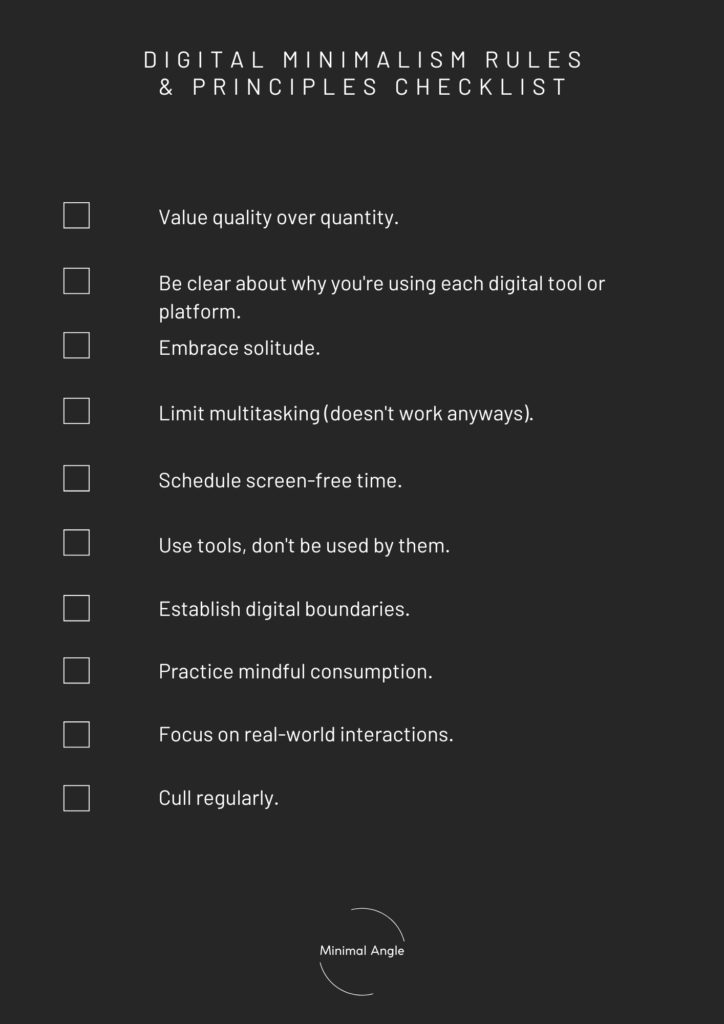




 I